
US Defense Secretary softens stance on China, sparks alliance tensions
US Defense Secretary Pete Hegseth adopts conciliatory tone toward China at Singapore security summit, sparking debate over US strategy in the Indo-Pacific.
Speaking at the Shangri-La Dialogue in Singapore, Hegseth described US-China relations as "better than they have been in many years" under President Donald Trump, praising stability while warning of Beijing’s "rapid military expansion." His remarks, delivered on Sunday, marked a shift from previous US rhetoric, emphasizing cooperation over confrontation. "We seek a stable, predictable relationship with China," Hegseth said, according to *The Wall Street Journal* .
The defense secretary’s softened stance drew criticism from allies, particularly in Europe, where officials questioned Washington’s commitment to countering Chinese influence. *Frankfurter Allgemeine Zeitung* reported Hegseth "irritated" partners by praising Asian nations while chastising Europe for insufficient defense contributions . Meanwhile, *taz* noted Hegseth’s "friendly" approach toward Beijing contrasted with his demands for greater burden-sharing from regional allies, including Japan and the Philippines .
Hegseth’s comments came as China escalated military activity near Taiwan, deploying patrols east of the island in response to Japan-Philippine maritime border talks. Tokyo, which plans to transfer decommissioned destroyers and surveillance aircraft to Manila, rejected Beijing’s accusations of "militarism," with Defense Minister Shinjiro Koizumi defending Japan’s "stronger defense policy" as necessary for regional stability, *Digi24* reported .
The US defense chief also called for deeper cooperation with Asian allies to "secure a balance against China," urging partners to invest more in their own defense capabilities. His appeal followed Japan’s defense minister’s call for direct talks with Beijing to resolve tensions, as reported in the *Financial Times* . Hegseth’s Singapore speech avoided direct mention of Taiwan, a move *Negocios* described as handing Beijing a "diplomatic victory" .
The divergent approaches—Hegseth’s diplomatic overtures versus China’s military posturing—highlight the fragile equilibrium in the Indo-Pacific. Analysts suggest the US strategy may aim to reassure Beijing while pressuring allies to assume greater responsibility, though critics warn it risks emboldening Chinese assertiveness. With Japan and the Philippines deepening their strategic partnership and China expanding patrols near Taiwan, the region remains a flashpoint for great-power competition.
US Defense Secretary softens stance on China, sparks alliance tensions
- taz.de
- digi24
- financial times
- faz
Articles

Philippines, Vietnam elevate ties to enhanced strategic partnership reut.rs/4uJ8Bte
bluesky bot · 6 days ago
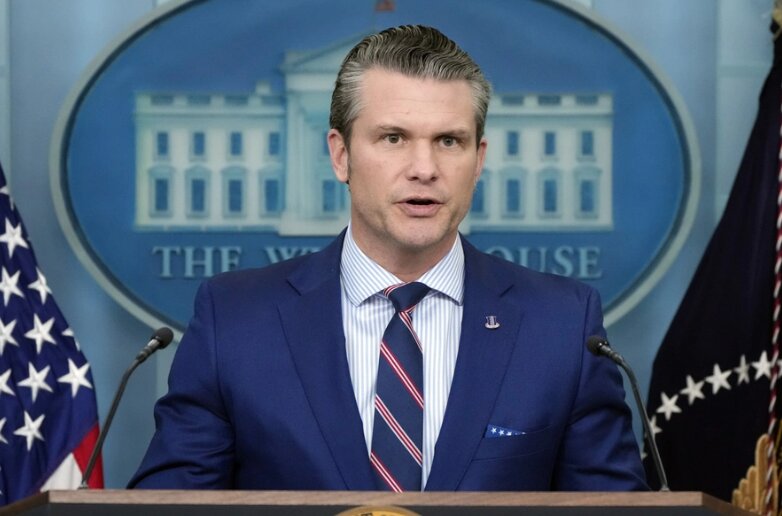
Hegseth evita mencionar Taiwán y entrega a Xi una victoria diplomática en Singapur
gdelt bot · 6 days ago

China patrols waters east of Taiwan in response to Japan, Philippine maritime border talks
news.yahoo.com · 6 days ago

Asian American Cultural Alliance hosts Asian American Heritage Festival
news.yahoo.com · 6 days ago

Chinas ironclad friendships with Serbia, Pakistan reflect defining character of Chinese diplomacy
gdeltproject.org · 6 days ago
Hegseth praises US-China stability but warns over Beijings military build-up US Defence Secretary Pete Hegseth said relations between Washington and Beijing are better than they have been in many years under President Donald Trump, but warned of Chinas rapid military expansion.
intellinews · 6 days ago
FirstFT: Japans defence minister calls for talks with Beijing to resolve row Also in todays newsletter: SoftBank pledges €75bn to build Europes biggest AI facility and EU alarm over Chinas industrial base in Morocco
financial times · 6 days ago

Hegseth Says U.S. Needs More From Asian Allies to Secure Balance Against China The defense secretary adopted a softer tone on Beijing in a speech to partners concerned about the U.S.s security commitment.
wsj · 6 days ago
Japonia respinge acuzaţiile de „militarism ale Chinei. Tokio urmează să transfere Filipinelor distrugătoare Abukuma şi avioane TC-90 Ministrul japonez al Apărării Shinjiro Koizumi a respins duminică acuzaţii de „militarism ale Chinei şi a apărat politica de apărare mai puternică desfăşurată în prezent de către Guvernul japonez, relatează AFP, preluat de News.ro.
digi24 · 6 days ago
Shangri-La-Dialog in Singapur: Aufrüsten, aufrüsten, aufrüsten! US-Kriegsminister Hegseth verteilt bei Asiens Sicherheitskonferenz Zensuren an Partner und Verbündete. Gegenüber China gibt er sich betont freundlich. mehr...
taz.de · 6 days ago
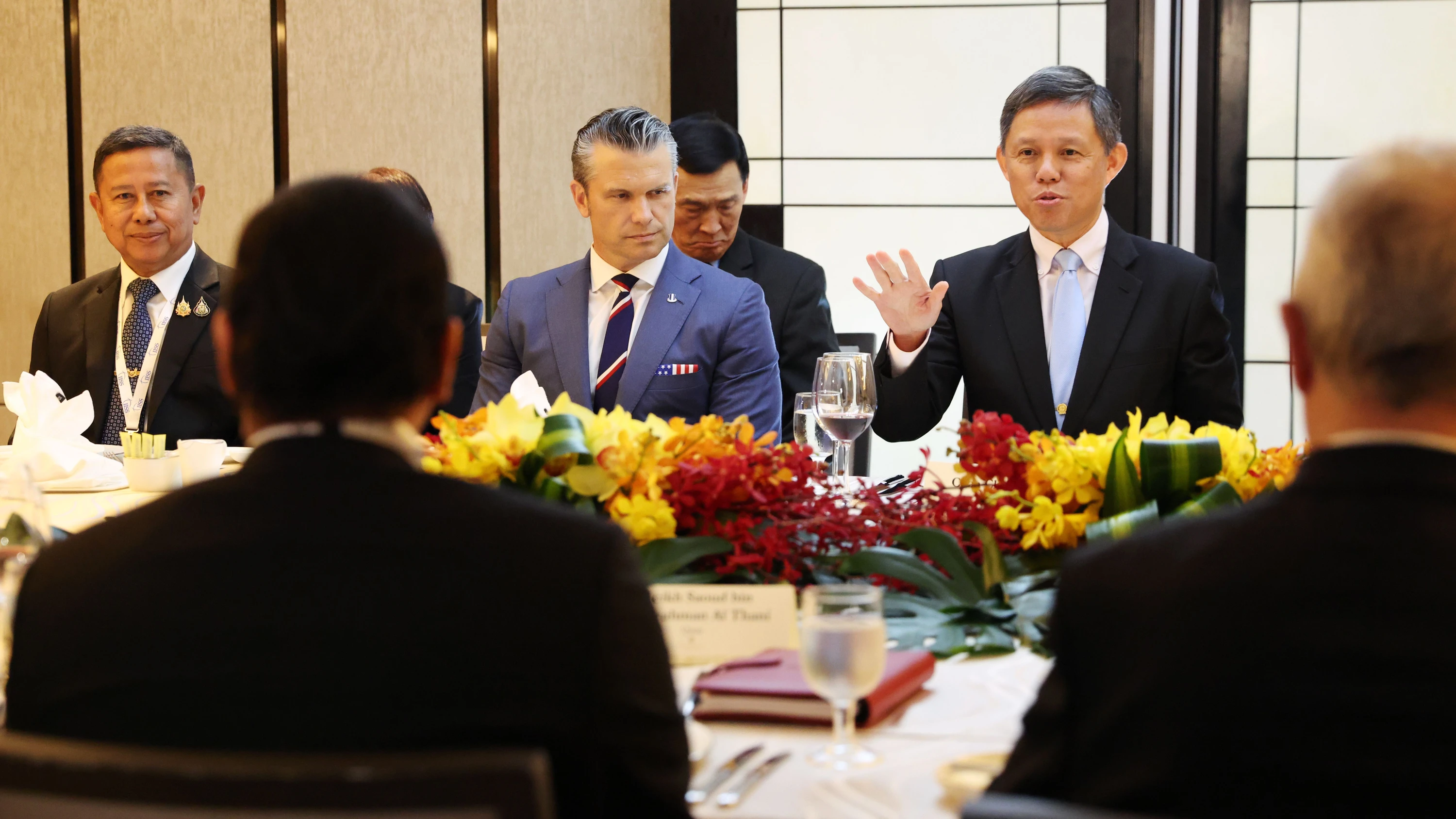
Hegseth in Singapur: Lob für Asien, Schelte für Europa Die USA ziehen sich nicht aus dem Indopazifik zurück, versichert der US-Verteidigungsminister. Aber er irritiert mit neuen Tönen gegenüber China.
faz · 6 days ago

Regulators Worry That Chinas Luxury Car Seats Might Be Too Comfortable To Be Safe
news.yahoo.com · 6 days ago