
Romanian students face systemic education failures amid frequent policy shifts
Story Timeline
2 months · 4 summary articles
The generation sitting for Romania’s 2026 baccalaureate exams has endured two education laws and 12 education ministers in 13 years, leaving students feeling “hit from all sides,” according to Mihnea Haiduc, president of the National Council of Students (CNE). Speaking on Sunday, 28 June 2026, Haiduc told HotNews.ro that the cohort now taking the exam faces “a particularly difficult situation,” compounded by what he described as a lack of empathy from teachers during the high-pressure period.
Haiduc’s remarks come as Romania’s education system remains in flux, with critics warning that frequent legislative changes have destabilised both teaching and learning. The CNE president highlighted teachers’ dismissive attitudes as a systemic failure, arguing that empathy is as essential as academic rigour in supporting students through national exams. “These students have been through everything,” Haiduc said. “They deserve better.”
Across Europe, similar pressures are testing young people’s mental health. In Slovenia, public broadcaster RTV Slovenia reports a “hidden epidemic” of youth mental distress, questioning why support systems are failing to keep pace with rising need. The article, published today, points to a gap between policy promises and on-the-ground realities, leaving many adolescents without the care they require.
Meanwhile, in Norway, the daughter of a prominent imam has spoken out about the rigid gender segregation enforced at a Norwegian Qur’anic school, where she was told girls should not sit beside boys even in third grade. Aftenposten’s investigation, released today, reveals how conservative religious norms can shape childhood experiences in ways that limit social development and reinforce inequality.
In France, university students who are mothers or pregnant face systemic neglect, according to Le Monde. Administrators struggle to classify them, forcing these students to navigate administrative limbo while juggling studies and caregiving. “There’s practically nothing adapted to us,” one student told the paper. The article underscores how higher education institutions continue to overlook the realities of student parenthood.
In Germany, the gay and lesbian association has launched “Democracy Buses” to deliver workshops on feminism and anti-Semitism to schools across Berlin districts. The initiative, reported today by taz, responds to rising intolerance by bringing education directly to students in a format tailored to local needs.
In Estonia, student Hugo Rait Mei argues in Postimees that constitutional reform is needed to strengthen the voice of parents amid a deepening demographic crisis. With the country’s “demographic pressure cooker” already boiling, he writes, policy must empower families to shape their children’s futures.
From Romania to Norway, France to Germany, and Estonia to Slovenia, the challenges facing young people and families reveal a continent struggling to balance tradition, modernity, and inclusion. As Haiduc put it, “The system owes them empathy—and action.”
Follow us for live European news
- 3
- 2
- 2
- 1
- 1
- 1
- 1
- 1
- 1
- 1
- 1
- 1
1 further source not geolocated
Articles

Amikor egy papot alaptalanul vádolnak Sok hibát vétett a múltban a katolikus egyház gyermekbántalmazási ügyek kezelésekor. Ma már, ha papot vádolnak visszaéléssel, az úgy is országos botrány lehet, ha nincs ellene bizonyíték. A miskolci ügy tanulságai és a különös háttérbeszélgetés az érsekkel.
444.hu · 2 months ago

Cisma na Igreja será "puxar a corda" a Leão XIV O grupo da Igreja católica vai nomear quatro bispos sem autorização do Papa e especialista em religião afirma que a excomunhão desses religiosos irá mostrar a força de outros movimentos conservadores.
observador · 2 months ago
Člověče, nezlob se, které z dětí dělá elitní spojaře. Nová lipnická deskovka vzdělává o světě technologií Bez spojení není velení. Na tomto tradičním vojenském pravidle je postavený princip nové deskové hry, na které se podíleli i vojáci z Lipníku nad Bečvou a nezisková asociace AFCEA. Má název Signál 8.0 a hráči se při ní kromě zábavy naučí pomocí edukačních karet porozumět například IT výrazům. Autoři teď řeší její distribuci.
irozhlas.cz · 2 months ago
Raamatute kõrval seal midagi veel tähtsamat – Soome raamatukogud on ühiskonnas saanud uue rolli Kas avalikku ruumi saab mõõta selle järgi, kui palju seal raamatuid laenutatakse? Soome kogemus näitab, et palju olulisem on hoopis see, kui palju inimesi seal kokku saab ning kuidas see tugevdab kogukonda. Uuringud kinnitavad, et hästi toimiv raamatukogu aitab kaasa nii majandusele, demokraatiale kui ka inimeste heaolule.
postimees · 2 months ago
Žádné zadání, žádný učitel. Šestnáctiletí studenti sami vytvořili šokující výstavu o Osvětimi Studenti Smíchovské střední průmyslové školy a gymnázia pracovali na výstavě o koncentračním táboře v Osvětimi celý školní rok. „Všechno jsme si udělali sami a žádný učitel nám s ničím nepomáhal," říká studentka prvního ročníku Nikola. Vytvořili věrný model tábora na ploše deseti metrů čtverečních, sehnali fotografie z Národního archivu a od září budou sami provázet návštěvníky.
irozhlas.cz · 2 months ago
Nicuşor Dan avertizează, la 85 de ani de la Pogromul de la Iaşi, „că extremismul şi revizionismul istoric rămân tentaţii reale Preşedintele Nicuşor Dan afirmă, la 85 de ani de la Pogromul de la Iaşi, că în contextul în care discursul instigator la ură începe din nou să fie rostit cu voce tare în spaţiul public, atât în România, cât şi în Europa, comemorarea are şi semnificaţia unui avertisment, reamintind că pericolul nu a dispărut, că extremismul şi revizionismul istoric, adesea mascate în formule aparent legitime de discurs public, rămân tentaţii reale. El subliniază că educaţia rămâne cea mai puternică formă de prevenţie împotriva repetării unor asemenea tragedii.
digi24 · 2 months ago
Når staten taper, må den faktisk lytte Når staten taper i Høyesterett, må den ikke opptre som om dommen bare er et nytt høringsinnspill.
aftenposten · 2 months ago
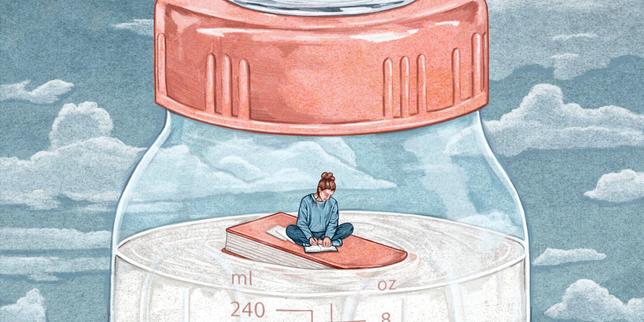
Etre étudiante et mère ou enceinte, un parcours souvent ignoré par les universités : « De toute façon, pratiquement rien nest adapté à nous » Minoritaires dans les universités, des étudiantes enceintes ou mères composent avec charge mentale, contraintes matérielles et arrangements administratifs, dans un cadre encore peu adapté.
le monde · 2 months ago
Generația care dă bacalaureatul în 2026 „a fost lovită din toate părțile. 2 legi ale educației și 12 miniștri în 13 ani Președintele Consiliului Național al Elevilor (CNE), Mihnea Haiduc, afirmă că una dintre cele mai mari probleme cu care se confruntă elevii în perioada examenelor este lipsa de empatie din partea profesorilor. În același timp, acesta susține că promoția care susține bacalaureatul în acest an este una „mai aparte, după ce a traversat numeroase schimbări legislative de-a …
hotnews.ro · 2 months ago
Folgen des Potsdamer Sparkurses: Schüler des Dalton-Gymnasiums müssen Apple-iPads selbst kaufen Künftige Schüler des Dalton-Gymnasiums müssen ein iPad mitbringen. Familien, die das finanziell nicht stemmen können, sollen sich an die Schulleitung wenden. Das sorgt für Kritik aus der Stadtpolitik.
tagesspiegel · 2 months ago

Coliving et divisions des unifamiliales : ce qui préoccupe les communes de Forest et Saint-Gilles En termes de coliving, Saint-Gilles déborde sur Forest. Il en va de même, en quelque sorte, pour la division de grosses unifamiliales en appartements et studios. ...
la libre · 2 months ago
Gevolgen van schoolsluitingen nog steeds merkbaar, dit zeggen examenleerlingen van 2020 "Ik heb me in die periode ontzettend eenzaam gevoeld." Vijf jaar nadat de scholen tijdens de coronapandemie sloten, merken sommige leerlingen die in 2020 examen deden de gevolgen nog altijd. Dat vertellen tientallen oud-scholieren aan RTL Nieuws.
rtl nieuws · 2 months ago
Șeful Consiliului Elevilor: Generația care dă bacalaureatul a trecut prin două legi ale educației și 12 miniștri. „Acești elevi au fost loviți din toate părțile Președintele Consiliului Național al Elevilor (CNE), Mihnea Haiduc, afirmă că una dintre cele mai mari probleme cu care se confruntă elevii în perioada examenelor este lipsa de empatie din partea profesorilor. În același timp, acesta susține că promoția care susține bacalaureatul în acest an este una „mai aparte, după ce a traversat numeroase schimbări legislative de-a …
hotnews.ro · 2 months ago
Bacalaureat 2026: Aproximativ 131.000 de candidați sunt așteptați la probele scrise. În câte centre este organizat examenul Aproape 130.000 de candidați vor susține, începând de luni, 29 iunie, probele scrise ale examenului național de Bacalaureat 2026. Potrivit datelor Ministerului Educației, majoritatea sunt absolvenți ai promoției curente, iar examenul se desfășoară în 443 de centre organizate la nivel național.
digi24 · 2 months ago
Bacalaureat 2026: Ministerul Educației impune măsuri speciale în toate centrele de examen, din cauza caniculei Pe fondul avertizărilor de caniculă, Ministerul Educației a transmis instrucțiuni către toate inspectoratele școlare pentru organizarea în siguranță a examenului național de Bacalaureat 2026.
digi24 · 2 months ago
Bacalaureat 2026: Cum pot fi corectate greșelile din lucrare. Regulile pe care candidații trebuie să le respecte în sala de examen Bacalaureatul 2026 debutează luni, 29 iunie, cu prima probă scrisă, marcând începutul uneia dintre cele mai importante etape pentru absolvenții de liceu. Înainte de fiecare testare, candidații trebuie să știe ce reguli au de respectat în sala de examen, și cum pot corecta eventualele greșeli din lucrare.
digi24 · 2 months ago
Rückkehr der Religion: Was macht der Islam mit dem säkularen Staat? [premium] Die Ausbreitung des Islam in Österreich macht sich bereits in den Schulen bemerkbar. In der aufgeheizten Debatte braucht es kühle Abwägungen.
die presse · 2 months ago

Et si notre corps savait déjà régénérer des membres ? Pourquoi une salamandre peut-elle faire repousser une patte perdue alors quun humain ne le peut pas ? Une étude publiée dans Science suggère que la réponse pourrait se cacher dans un mécanisme aussi fondamental que la manière dont nos cellules détectent loxygène. ...
la libre · 2 months ago
Nicușor Dan, mesaj la 85 de ani de la Pogromul de la Iași: „Discursul urii este din nou prezent. Pericolul nu a dispărut Președintele Nicușor Dan a transmis, la 85 de ani de la Pogromul de la Iași, că memoria victimelor este „o formă de dreptate și a avertizat asupra pericolului extremismului, antisemitismului și revizionismului istoric.
adevarul · 2 months ago
HUGO RAIT MEI ⟩ Muudame põhiseadust, et tugevdada lapsevanemate üha kahanevat häält Eesti rahvastikukriis ei ole enam tulevikuprobleem, nagu see oli 2005. aastal, mil Rein Taagepera võttis esimest korda kasutusele mõiste «demograafiline vetsupott». Tänaseks on see vetsupott kohal, kirjutab Tartu Ülikooli tudeng Hugo Rait Mei (Isamaa).
postimees · 2 months ago
Kako zveni književnost? Kot misel o domovini, dober prevod in odsev v ogledalu prihodnosti. Kaj bi narod brez zapisane besede? Mineva 440 let od smrti Primoža Trubarja, radijske oddaje pa se bodo poklonile tudi Slavenki Drakulić, ki jo je literarni svet izgubil pretekli teden, prav tako delom Rudija Šeliga, Toneta Pavčka in Srečka Kosovela.
rtv slovenia · 2 months ago
KIRJANDUSKOOL ⟩ Ott Arderi metsa taga oli meri Mõtlen ikka luulekogule «Mine metsa!», kui Hiiumaal, Ott Arderi suvises lemmikpaigas ringi sõites valusalt valendavad raielangid iga aastaga üha enam silma jäävad, kirjutab toimetaja, tõlkija ja suvehiidlane Mari Klein.
postimees · 2 months ago
Trauma care trece din generație în generație: mărturiile din Muzeul Pogromului de la Iași. „Oamenii au speranța că trauma nu se va transmite La 85 de ani de la Pogromul de la Iași, memoria victimelor este păstrată la Muzeul Pogromului de la Iași, deschis în 2021, la Casa Muzeelor. Aici sunt reunite mărturii și documente despre unul dintre cele mai tragice episoade ale Holocaustului din România.
adevarul · 2 months ago

Le grand séminaire de Sébikotane, le havre de paix où lon forme les prêtres sénégalais Loin du tumulte de la vie politique de Dakar, le quotidien sénégalais Le Soleil sest rendu dans le haut lieu spirituel du domaine de Sambam. De nombreux prêtres de lÉglise sénégalaise, qui compte 3 de fidèles dans un pays à 94 musulman, y ont été formés.
courrier international · 2 months ago

Bepöbelt, beleidigt, bedroht – warum ich kein Schiedsrichter mehr sein will Unser Autor war zwölf Jahre lang Schiedsrichter im Amateurfußball. Damit ist jetzt Schluss. Das Hobby hat ihm viel gegeben, ihn geprägt. Ein Einblick in seine Spielberichte dokumentiert jedoch, was er auch über sich ergehen lassen musste. Eine persönliche Abrechnung.
welt.de · 2 months ago
Nå testes respekten for rettsstaten Når staten taper i Høyesterett, må den ikke opptre som om dommen bare er et nytt høringsinnspill.
aftenposten · 2 months ago
« Les administrations ne savent jamais dans quelle case me mettre, étudiante ou mère » : quand luniversité ignore la parentalité Minoritaires dans les universités, des étudiantes enceintes ou mères composent avec charge mentale, contraintes matérielles et arrangements administratifs, dans un cadre encore peu adapté.
le monde · 2 months ago
Mahomet ou lexigence de lintention : « Les Petites Méditations » dAbdennour Bidar « Les Petites Méditations » n° 5. Dans cette « Petite Méditation », Abdennour Bidar se penche sur une parole du prophète de lislam, selon lequel « les actes ne valent que par leur intention ».
le monde · 2 months ago
Høyesterett sa nei, staten sier vent: Nå testes respekten for rettsstaten Når staten taper i Høyesterett, må den ikke opptre som om dommen bare er et nytt høringsinnspill.
aftenposten · 2 months ago
Litigò con don Milani a suon di parolacce e rifiutò la scuola di Barbiana: la storia di Nanni Banchi, che da 60 anni prega sulla tomba del priore Lui, a sinistra nella foto qui sopra, il più alto e robusto, è Nevio Santini. Laltro sulla destra, che con la mano sinistra si poggia sul bastone, è Nanni Banchi. Due discepoli di don Lorenzo Milani, mentre si appoggiano alla croce della tomba del priore, a Barbiana. Dove si ricordano i 59 anni dalla morte […] Larticolo Litigò con don Milani a suon di parolacce e rifiutò la scuola di Barbiana: la storia di Nanni Banchi, che da 60 anni prega sulla tomba del priore proviene da Il Fatto Quotidiano.
il fatto quotidiano · 2 months ago