Loading…
 Saturday, September 19Saturday, September 19
9 days · 7 summary articles
German voters in Berlin and Mecklenburg-Western Pomerania will head to the polls on Sunday in state elections that have become a critical test for Chancellor Friedrich Merz, as the far-right Alternative for Germany (AfD) seeks to build on its recent gains.
The AfD, which secured a historic 44% in Saxony-Anhalt two weeks ago, is polling strongly in both regions. In Mecklenburg-Western Pomerania, the party is locked in a tight race with the governing Social Democrats (SPD), led by Minister-President Manuela Schwesig, according to recent surveys . In Berlin, the AfD trails Die Linke by just 3.4% and Merz’s Christian Democratic Union (CDU) by 2.5%, per an average published by dawum.de .
Merz’s leadership is under intense scrutiny after the CDU’s poor showing in Saxony-Anhalt, where it won just 17.2% of the vote. A YouGov poll this week placed the CDU/CSU at 18% nationally, its worst-ever score in that survey, while the AfD reached 29% . The chancellor canceled a planned trip to the UN General Assembly, and the CDU has called an emergency meeting for Sunday evening to analyze the results .
Business leaders have warned of economic risks if the AfD gains power. The German Retail Association (HDE) called the party “absolutely anti-business,” citing its opposition to the euro, EU membership, and immigration policies . Meanwhile, a Kremlin official, Kirill Dmitriev, publicly endorsed the AfD in Mecklenburg-Western Pomerania, promising economic cooperation and affordable gas via Nord Stream if the party wins .
Follow us for live European news
3 further sources not geolocated

Elections régionales en Allemagne : Friedrich Merz peut-il survivre à une nouvelle débâcle ?
lexpress · about 1 hour ago

Wahlen in Berlin und Mecklenburg-Vorpommern: Berliner Linken-Kandidatin Eralp wirbt für „Politikwechsel Putin-Beauftragter jubelt AfD vor MV-Wahl zu +++ Berliner CDU-Kandidat Evers will organisierte Kriminalität stärker bekämpfen +++ Der Newsblog.
handelsblatt · about 1 hour ago
Feindbild Migration: „Diese Agenda hat eine lange Tradition Die Demokratie ist mehr als die Herrschaft der Mehrheit, sagt Rechtsprofessor Maximilian Pichl. Er erklärt, was sie mit Flüchtlingsschutz in Europa zu tun hat. mehr...
taz.de · about 1 hour ago
Spannende Hauptstadt-Wahl: Berlin sucht neue Problemberg-Bezwinger und Merz zittert mit Die Wahl in Berlin an diesem Sonntag ist wieder mal eines: anders. Die AfD tritt mit einer Anti-Weidel an, die Linke führt und die SPD ist ein Schatten ihrer selbst. Die CDU hat zugleich eine doppelte Aufgabe.
n-tv · about 1 hour ago
Lob und Kritik an Bund: Evers sieht bei Spritpreis-Entlastungen noch Luft nach oben Am Sonntagmorgen öffnen in Berlin die Wahllokale. Kurz bevor es losgeht, wirbt der CDU-Spitzenkandidat Stefan Evers noch für seine Partei. In der von der CDU geführten Regierung im Bund sieht er positive Dynamik - auch wenn er sich bei den Spritpreis-Entlastungen mehr gewünscht hätte.
n-tv · about 1 hour ago
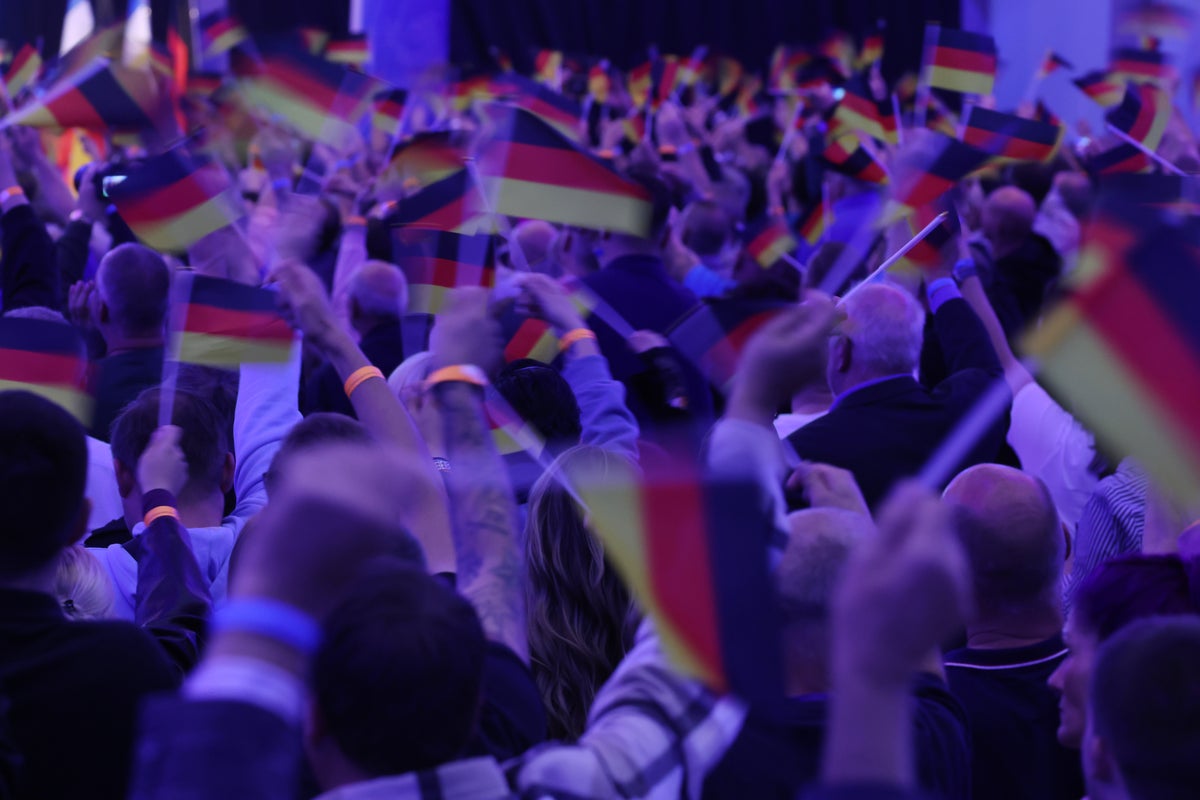
The AfD is surging and Berlin is going to the polls. Could the City of Freedom fall to the far right? After success in Saxony-Anhalt, the far-right AfD has trained its sights on state elections in the German capital of Berlin. In one of the worlds most liberal cities, the party is just four points off the lead in the polls. Alex Croft reports
independent · about 1 hour ago
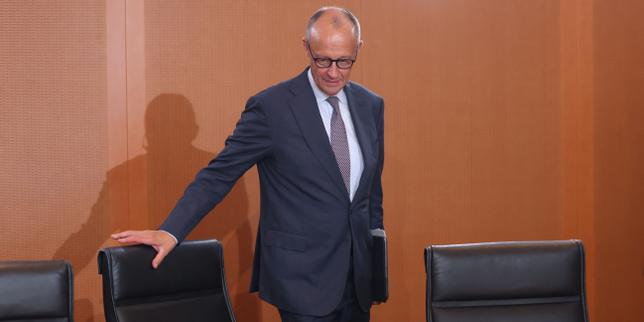
German chancellor Friedrich Merz faces mounting criticism ahead of September 20 regional elections After its breakthrough in Saxony-Anhalt, the far-right AfD party is expected to continue its rise on September 20, according to polls. Voters are called to the polls in the city of Berlin and the region of Mecklenburg-Western Pomerania.
le monde · about 1 hour ago
Dan Dungaciu spune că PNL trebuie să aleagă între două „tipuri de umilință, după ce premierul desemnat a afirmat că nu va cere voturile AUR Dan Dungaciu, prim-vicepreședintele AUR, consideră că premierul desemnat Siegfried Mureșan nu va aduna suficientă susținere în Parlament pentru învestirea unui guvern și că „soluția pentru depășirea crizei politice „sunt alegerile anticipate. Însărcinat de președintele Nicușor Dan cu formarea Guvernului, eurodeputatul liberal Siegfried Mureșan, propunerea PNL-USR-UDMR pentru funcția de premier, a declarat vineri seară la Digi24 …
hotnews.ro · about 2 hours ago

Manuela Schwesig, le rempart contre lextrême droite allemand: "Le chancelier ne donne pas limpression de voir ni comprendre les problèmes des gens" Lélue défend son bilan à la tête du Mecklembourg-Poméranie-occidentale, en menant une campagne ultra-personnalisée en vue de lélection régionale de dimanche. Après la Saxe-Anhalt, le fait quun deuxième Land tombe ou non aux mains de lAfD nest pas anodin. ...
la libre · about 2 hours ago
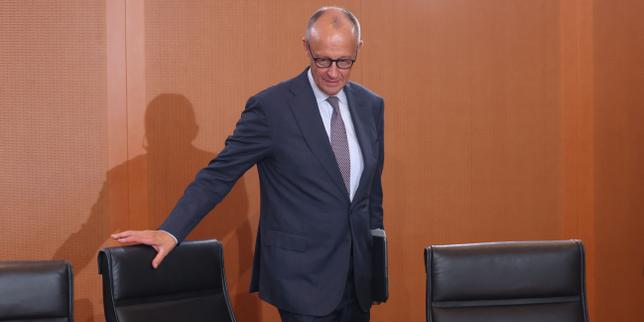
En Allemagne, Friedrich Merz joue sa survie politique lors des élections régionales de dimanche Après sa percée en Saxe-Anhalt, le parti dextrême droite AfD devrait poursuivre son ascension, le 20 septembre, selon les sondages. Les électeurs sont appelés à voter dans deux Länder : la ville de Berlin et la région de Mecklembourg-Poméranie-Occidentale.
le monde · about 2 hours ago

„Ein Kanzlertausch wäre viel zu riskant und die Folgen wären nicht kalkulierbar Politikwissenschaftler Volker Kronenberg rechnet nach den Landtagswahlen in Mecklenburg-Vorpommern und Berlin nicht mit unmittelbaren Auswirkungen auf die Bundesregierung. Man habe in Berlin alles daran gesetzt, zu stabilisieren.
welt.de · about 2 hours ago

Das Geheimnis von Ulrich Siegmunds Lächeln Bisher lautet die Antwort auf den Sieg der AfD in Sachsen-Anhalt Empörung. Ergiebiger ist es, die Methode Siegmund nüchtern zu analysieren – sagt FDP-Politiker Christian Lindner.
welt.de · about 2 hours ago

„Mecklenburg-Vorpommern wird wieder aufblühen – Putin-Berater setzt auf Wahlsieg der AfD Ein hochrangiger Berater von Kreml-Chef Putin feuert die AfD in Mecklenburg-Vorpommern an. Der Handelsverband sorgt sich um die Folgen einer möglichen AfD-Regierung. Mehr im Liveticker.
welt.de · about 2 hours ago
Wahl zum Abgeordnetenhaus: Evers attackiert die Linke: „Welten liegen zwischen uns CDU und Linke liefern sich in Berlin ein Kopf-an-Kopf-Rennen. Der CDU-Spitzenkandidat spricht von einer Richtungswahl und betont, es komme jetzt auf jede Stimme an.
tagesspiegel · about 2 hours ago
Wahl zum Abgeordnetenhaus: Der leise Herr Krach: Warum die Misere des Berliner SPD-Kandidaten viel über seine Partei verrät Gute Ausgangslage, pragmatischer Spitzenkandidat – und doch: Die Berliner Wahl legt die strukturelle Schwäche der SPD offen. Am Sonntag droht ihr eine historische Niederlage.
handelsblatt · about 2 hours ago
Warnung vor ökonomischen Schäden: Handelsverband nennt AfD „absolut wirtschaftsfeindlich Vor den Wahlen kritisiert der Einzelhandel die AfD als „nicht wählbar, Putins Beauftragter lobt sie. Mitarbeiter von Berliner AfD-Spitzenkandidatin durchsucht. mehr...
taz.de · about 2 hours ago
„Credeţi că PSD ar trebui să voteze Guvernul Siegfried Mureşan?. Care sunt rezultatele sondajului lansat de Claudiu Manda Secretarul general al PSD, Claudiu Manda, a lansat pe reţelele de socializare un sondaj online cu întrebarea dacă social-democrații ar trebui sau nu să voteze guvernul Siegfried Mureşan. Potrivit răspunsurilor primite, 98 din respondenţi au spus că PSD nu ar trebui să dea votul guvernului Mureşan şi doar 2 consideră că social-democraţii ar trebui să voteze în Parlament cabinetul propus de PNL-USR-UDMR.
digi24 · about 2 hours ago
Issue de limmigration, membre de la gauche radicale, favorite des sondages : Elif Eralp a le vent en poupe pour la mairie de Berlin La tête de liste de la gauche radicale est donnée favorite pour lélection à Berlin, qui se déroule dimanche 20 septembre. Sa campagne est axée sur la crise du logement et lexpropriation des sociétés immobilières. Son modèle : le maire de New York, Zohran Mamdani.
liberation · about 2 hours ago
Putins Vertrauter jubelt AfD vor Mecklenburg-Vorpommern-Wahl zu Kirill Dmitrijew signalisierte unverhohlen Bereitschaft zur wirtschaftlichen Zusammenarbeit mit der AfD im Falle eines Wahlsiegs.
die presse · about 2 hours ago
Wahlkampfhilfe aus Moskau: Putin-Beauftragter umgarnt AfD vor Landtagswahl Kurz vor der Wahl in Mecklenburg-Vorpommern lässt der Kreml jede Zurückhaltung fallen: Putins Wirtschaftsbeauftragter Kirill Dmitrijew jubelt der AfD öffentlich zu - und stellt ihr im Falle eines Sieges bezahlbares Nord-Stream-Gas in Aussicht.
n-tv · about 2 hours ago
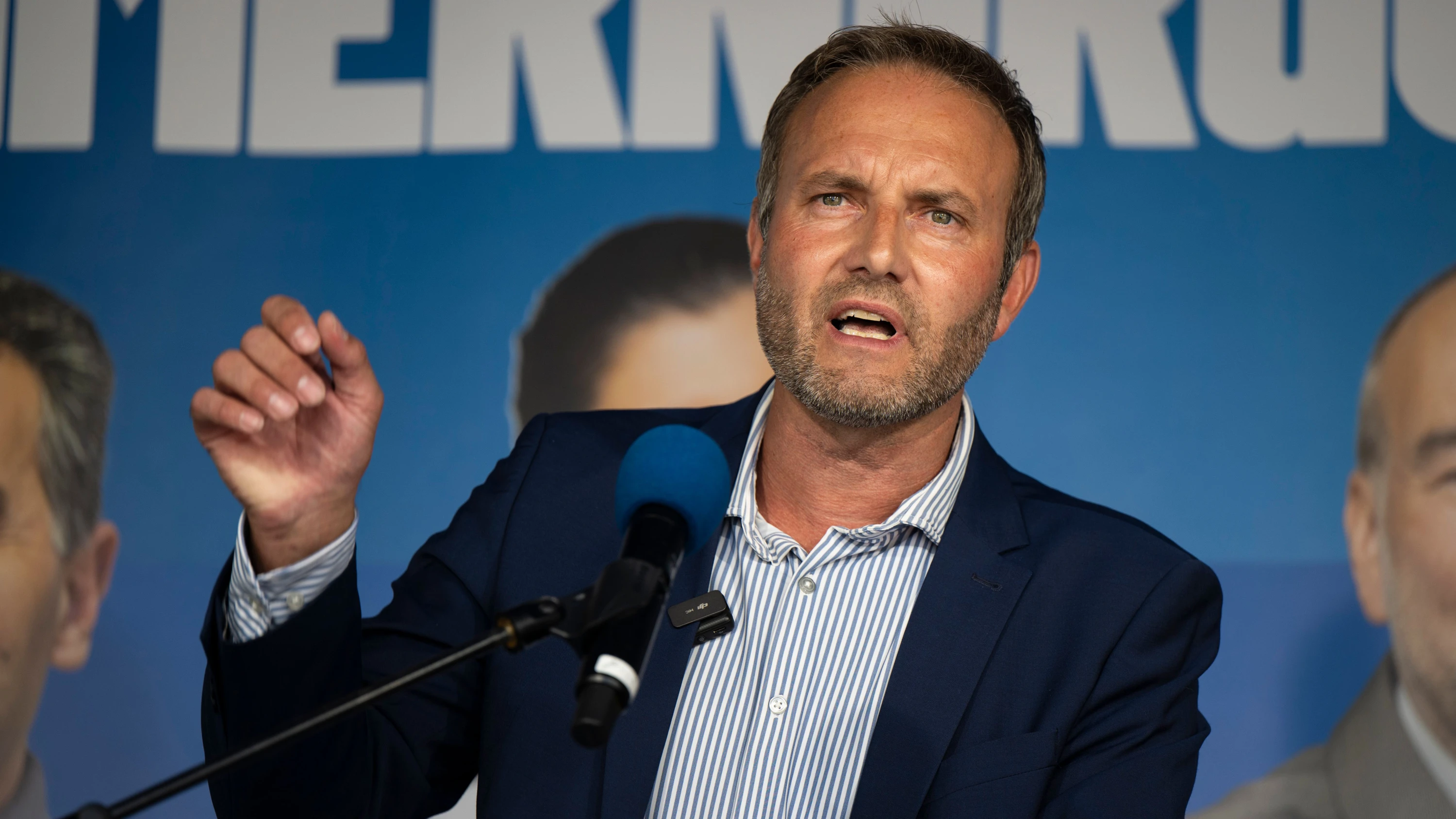
Deutschland-Liveblog: AfD-Wahlkampfendspurt: „Wir wollen dieses Land blau machen Spitzenkandidat in Mecklenburg-Vorpommern hofft auf Regierungsverantwortung +++ Laschet: Kanzlerwechsel wäre laut Laschet „extrem schädlich +++ Umfrage sieht SPD vor AfD in Mecklenburg-Vorpommern +++ alle Entwicklungen im Liveblog
faz · about 2 hours ago
Allemagne: Elif Eralp, la tête de lice de Die Linke veut conquérir la mairie de Berlin Deux élections régionales ont lieu dimanche 20 septembre en Allemagne, dans le Mecklembourg, mais aussi dans la capitale, Berlin, où le parti de gauche fait la course en tête dans les sondages. La tête de lice de Die Linke, Elif Eralp, dorigine étrangère, écrirait une double-page dhistoire si elle devait conquérir la mairie de Berlin, par sa couleur politique et ses racines turques. Il lui faudrait alors mettre en place une coalition avec plusieurs partis de gauche.
rfi.fr · about 2 hours ago
Katya Adler: What will happen if the far right wins the EU elections?
gdeltproject.org · about 2 hours ago
Germany braces for key state elections where far right party AfD seeks another breakthrough Germany is gearing up for two more pivotal state elections on Sunday: in the capital Berlin and in the largely rural region of Mecklenburg-Western Pomerania. All eyes are on the far-right AfD, which after recording its best ever result in the recent Saxony-Anhalt elections, is hoping to once again make sweeping gains. The anti-immigration partys surging popularity is proving challenging for Chancellor Friedrich Merz and both elections are expected to further test his leadership. Story by Eliza Herbert.
france24 · about 2 hours ago
Konfederaci "odzyskują niepodległość". Braun kontra znak drogowy Grzegorz Braun wraz z Michałem Klimkiem ścięli znak "Strefa Czystego Transportu", który wcześniej sami zamontowali w krakowskiej dzielnicy Nowa Huta. - To zaledwie miły przedsmak tego, co czeka was, normalnych Polaków, za prezydentury Michała Klimka w Krakowie - mówi lider Konfederacji Korony Polskiej w udostępnionym nagraniu, ukazującym ten, jak go nazwała Małopolska Policja, "polityczny happening".
interia · about 2 hours ago