
U.S. senators introduce bipartisan bill to sanction Russian figures, impose oil tariffs on top buyers

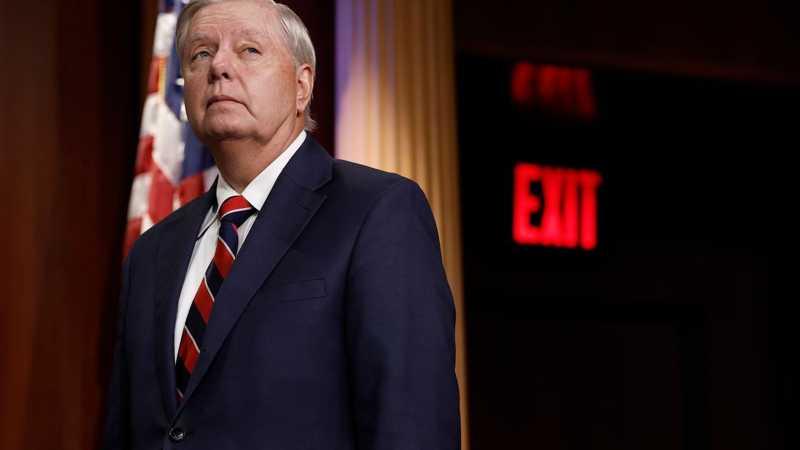
A bipartisan group of U.S. senators has introduced a bill to impose sanctions on top Russian figures and heavy tariffs on the biggest buyers of Russian oil. The bill, championed by the late Senator Lindsey Graham, has broad bipartisan support and is expected to be voted on soon.
The bill has been agreed with the White House and does not need further revision, according to senators speaking at a joint press conference on July 14. President Donald Trump has indicated support for the bill and suggested adding Iran and Hezbollah to the sanctions. "I know Lindsey wanted it very badly," Trump told reporters. "I think they may add Iran to the bill, which would be very important if they actually do that. They may add Hezbollah also. So, if you do business with Hezbollah, that would also come under the bill."
However, some senators, like Richard Blumenthal, the Democratic co-sponsor of the sanctions package, are urging to keep the bill as is. "With all due respect to the president, he has approved this bill, and we should move forward with it rather than reopening it to add other potential targets," Blumenthal told reporters.
The bill is seen as a tribute to Lindsey Graham, who was a crucial intermediary between Ukraine’s leadership, Congress, and Trump. Graham had become a forceful voice arguing that Russia’s aggression presented a direct challenge to U.S. interests. "He understood that Moscow considers us its principal adversary and that we need to make sure Putin does not take control of Ukraine," said former U.S. Ambassador to Ukraine John Herbst.
The bipartisan proposal seeks to deprive Moscow of funds used to finance its war against Ukraine by penalizing Russia’s energy sector and countries that continue purchasing its oil and gas. The bill provides for tough sanctions against Russia, its companies, oligarchs, and intermediaries as well as secondary sanctions and tariffs targeting the largest buyers of Russian oil and gas.
The bill has been in the works for nearly two years and contains complex technical sanction mechanisms. Senators have expressed confidence that the bill would be passed before the Senate's August recess. Senate Majority Leader John Thune is prepared to bring it to a vote as soon as there is confirmation that enough senators support it.
The bill's provisions include penalties for Russia’s energy sector and countries that continue purchasing its oil and gas. It also targets Russia’s shadow tanker fleet, financial institutions, and major LNG projects, with presidential waiver authority.
Reactions from other senators and the White House have been generally supportive. Speaker of the House Mike Johnson also backed the bill, saying, "We've long supported a Russia sanctions bill and the vast majority of the Republicans do. Senate Republicans in the White House have come up with a formula that they think will work and we're happy to receive and process that."
The bill is expected to be passed before the Senate's August recess, and senators have expressed confidence that the support is already in place.
Follow us for live European news
- 3
- 2
- 2
- 1
- 1
- 1
- 1
- 1
- 1
- 1
- 1
4 further sources not geolocated
Articles

Krieg in der Ukraine: US-Senatoren stellen Gesetz für neue Russland-Sanktionen vor Die von Republikanern und Demokraten gestützte Initiative sieht Zölle in Höhe von bis zu 100 Prozent vor, die sich gegen die größten Abnehmer von russischem Öl und Gas richten sollen.
sueddeutsche · about 3 hours ago
Jestřáb a nejdůležitější spojenec Ukrajiny. Smrt senátora může změnit zahraniční politiku USA Zesnulý senátor za Republikánskou stranu Lindsey Graham byl od začátku ruské invaze na Ukrajinu urputným zastáncem americké pomoci. Ta bez něj teď může být více nejistá. „Měl schopnost překonávat odpor izolacionistů, míní amerikanistka Denisa Krásná. Americká média popisují, že s Grahamem symbolicky odchází éra americké politiky po 11. září 2001.
irozhlas.cz · about 3 hours ago
WSJ: новая версия законопроекта о санкциях США против РФ предусматривает пошлины до 100 для крупнейших покупателей российских нефти и газа Обновленный законопроект о санкциях, одним из авторов которого был умерший несколько дней назад сенатор Линдси Грэм, позволит президенту США вводить пошлины до 100 против пяти крупнейших покупателей российских нефти и природного газа, прежде всего — Китая и Индии. Об этом пишет The Wall Street Journal со ссылкой на источники.
meduza · about 3 hours ago
Russia Sanctions Bill Advances in Tribute to Lindsey Graham
gdeltproject.org · about 3 hours ago
Sanctions against Russia: Senate calls for prompt vote on Grahams bill A bill proposing a significant strengthening of anti-Russian sanctions has been submitted to the U.S. Senate. It was promoted by Republican Lindsey Graham.
ukrinform · about 3 hours ago
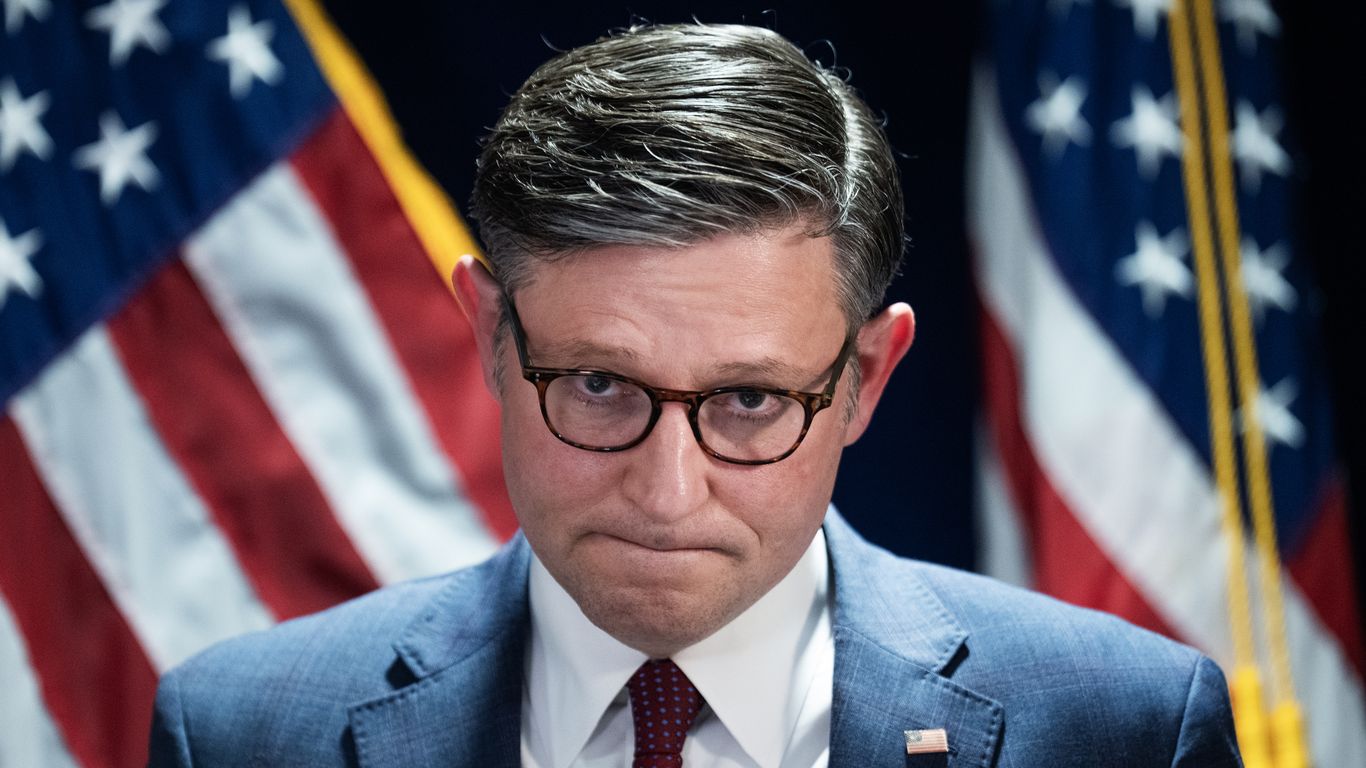
House GOPs reconciliation 3.0 push hits early road bumps House Speaker Mike Johnson is in an uncomfortably familiar spot: under pressure from President Trump, under fire from members and under the gun to advance a reconciliation bill in just a few days.Why it matters: Johnson (R-La.) is trying to tee up a final party-line legislative package before the midterms, but Republicans remain divided over the contents of the bill and the strategy behind it.GOP leaders are assembling a narrow framework that would include roughly $67 billion for defense, $20 billion for agriculture and farm aid, and elements of the SAVE America Act.The prospect of no offsets for billions of dollars in defense funding is not sitting well with conservatives. "No, Im not," Rep. Tim Burchett (R-Tenn.) said when asked whether hes comfortable with no pay-fors.Other members are frustrated about the lack of information: "Most of the conference has been kept in the dark on what exactly is going on," Rep. Nicole Malliotakis (R-N.Y.) told Axios.Driving the news: The White House has launched a full-court press to shore up support for the package ahead of Thursdays Budget Committee markup and a planned House vote next week.Johnson and House GOP leaders met with President Trump at the White House on Tuesday afternoon to discuss the path forward.Defense Secretary Pete Hegseth was scheduled to meet with roughly a dozen conservative lawmakers Tuesday evening to discuss the defense funding portion of the package.OMB Director Russ Vought addressed House Freedom Caucus members Monday night.Yes, but: The administrations lobbying blitz hasnt solved every problem. Budget Committee member Erin Houchin (R-Ind.) told her colleagues in a closed-door conference meeting Tuesday that she was leaning toward opposing the bill during the committee markup after she was left out of negotiations at Camp David over the weekend, a source in the room told Axios."Theres a limited amount of space, unfortunately," Rep. Jay Obernolte (R-Calif.) told Axios. "I dont blame her for being upset about it." "Somebodys got to be chosen and somebody isnt. Just because youre not doesnt say anything negative," Rep. Andrew Clyde (R-Ga.) told Axios.Another flashpoint: Some Republicans believe leadership should first test whether a bipartisan supplemental to fund the war in Iran can pass before falling back on reconciliation if necessary.Rep. Nick LaLota (R-N.Y.) told Axios that bipartisan negotiations on a supplemental remain "a live discussion.""I am hopeful that if that becomes specific, a specific proposal that doesnt have other partisan initiatives, it would enjoy the support of members from across the aisle," he said. Rather than forcing Democrats to vote directly on funding the war in Iran, Republicans are including billions in defense funding in a reconciliation package that includes other measures Democrats would never go for, like the SAVE America Act.Between the lines: Democrats have an easier political off-ramp when defense funding is wrapped into reconciliation.A clean supplemental, by contrast, would force Democrats to cast a straightforward vote on military funding — something Republicans believe could either attract bipartisan support or provide a potent campaign message if Democrats block it.
axios · about 3 hours ago
US senators want to pass Grahams Russia sanctions bill without Trumps amendments US senators are urging Congress to pass Lindsey Grahams Russia sanctions bill without adding amendments proposed by President Donald Trump.
ukrpravda · about 3 hours ago
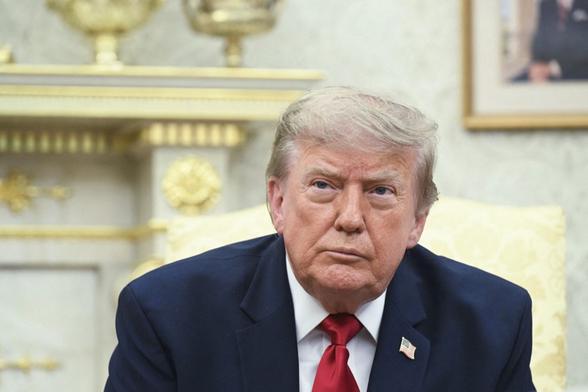
KYIV POST: Trump Says Russia Sanctions Bill Has Good Chance of Passing in Grahams Honor US President Donald Trump signaled support for new sanctions against Russia, saying lawmakers could also expand the bill to target Iran and Hezbollah. He described its possible passage as a tribute to Lindsey Graham, who pushed for the measure before his death. #World #NorthAmerica #Europe #EasternEurope
mastodon bot · about 4 hours ago

Quem é Darline Graham Nordone, nova senadora republicana? Aos 62 anos, Darline Graham tomou posse esta terça-feira enquanto senadora da Carolina do Sul. Vai substituir o irmão, que morreu sábado, e que a criou depois de ambos os pais terem morrido.
observador · about 4 hours ago
Trump hails late Sen. Graham as fantastic man US President Donald Trump on Monday paid tribute to the late Senator Lindsey Graham as a fantastic man and great politician, recalling their final conversation shortly before the South Carolina Republicans sudden death and announcing that flags would remain at half-staff through Saturday.
yenisafak · about 4 hours ago
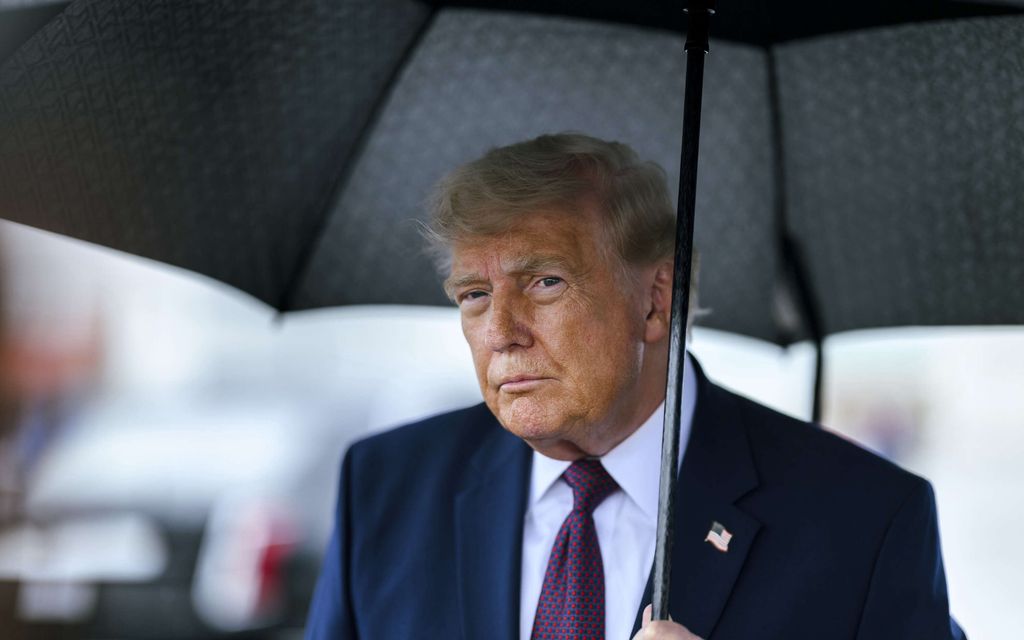
Kuolleella senaattorilla oli suunnitelma Venäjän varalle – Nyt sitä tukee Trump
iltalehti · about 5 hours ago
Schwester von US-Senator Graham als Nachfolgerin vereidigt Darline Graham Nordone ist politisch bisher nicht in Erscheinung getreten. Nun soll sie die Amtsgeschäfte bis in den Jänner 2027 weiterführen.
die presse · about 5 hours ago
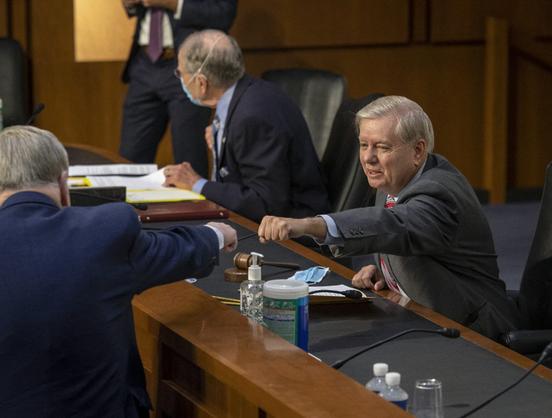
KYIV POST: Bipartisan Russia Sanctions Bill Advances as Tribute to Late Senator Lindsey Graham A bipartisan bill targeting Russias energy revenues is gaining momentum after President Donald Trump signaled support for its passage. Lawmakers are framing the measure as part of the late Sen. Lindsey Grahams legacy. #Ukraine #World #NorthAmerica
mastodon bot · about 5 hours ago

„Sind dankbar für Trumps Unterstützung – US-Senat plant gewaltige Russland-Sanktionen Der republikanische Senator Lindsey Graham war Trumps Mann für Russland-Sanktionen. Kurz vor seinem Tod erklärte er, sich mit dem Präsidenten auf ein scharfes Paket geeinigt zu haben. WELT konnte es einsehen. Es hat einen mächtigen Mechanismus.
welt.de · about 6 hours ago
Franchi tiratori sulle preferenze, La Russa spera nel Senato: Cè la possibilità di correggere, lì non ci sono voti segreti Credo che la presidente del Consiglio abbia la situazione assolutamente sotto controllo. Così il presidente del Senato, Ignazio La Russa, commenta il voto alla Camera sullemendamento che ha registrato una spaccatura nella maggioranza ma spera in una correzione al Senato. La cosa che posso ricordare è che siamo in un sistema bicamerale: qualunque siano le […] Larticolo Franchi tiratori sulle preferenze, La Russa spera nel Senato: Cè la possibilità di correggere, lì non ci sono voti segreti proviene da Il Fatto Quotidiano.
il fatto quotidiano · about 6 hours ago
Die Erbpacht im US-Senat: „Eine Gerontokratie wie zur Breschnew-Ära [premium] Darline Graham Nordone tritt vorerst die Nachfolge ihres verstorbenen Bruders im Kongress an. Politik ist in den USA oftmals ein Familien-Business. Gouverneure bestimmen Ersatzkandidaten nach politischem und persönlichem Gusto – und dem des Präsidenten.
die presse · about 6 hours ago
Ukrainekrieg: US-Senatoren stellen Gesetzentwurf für Sanktionen gegen Russland vor Beide Parteien wollen den Druck auf Russland erhöhen. Trump war gegen harte Sanktionen, ist nun aber offen – das Gesetz war ein Anliegen des verstorbenen Senators Graham.
die zeit · about 6 hours ago

WATCH: Elissa Slotkin says SAVE America Act would make it hard for any Democrat to win an election
news.yahoo.com · about 6 hours ago
📰 WSJ: Lindsey Grahams Russia sanctions bill is really a tariffs bill, and some Democrats fear it hands Trump a trade weapon, not a blow to Moscow🔗 #RussianInvasion #RussianWar #Ukraine
mastodon bot · about 6 hours ago
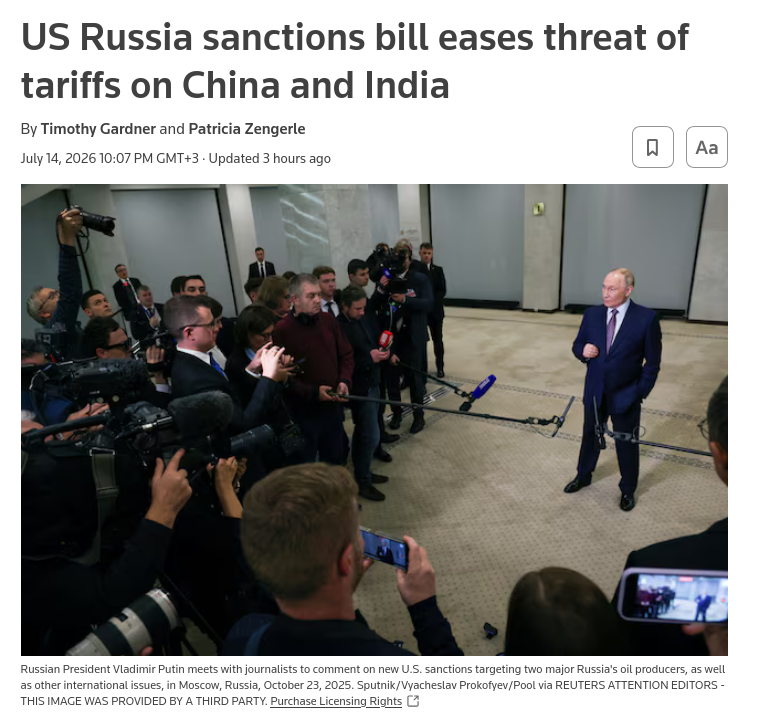
U.S. senators updated a Russia sanctions bill, reducing proposed tariffs on third-party oil and gas importers. The measure targets Russias shadow tanker fleet, financial institutions, and major LNG projects, with presidential waiver authority. #Russia #US
mastodon bot · about 7 hours ago

Lindsey Grahams Death Leaves Fate of Russia Sanctions Bill Uncertain Supporters in both parties hope the measure to penalize Russia, championed by Senator Lindsey Graham, will gain momentum in his honor.
new york times · about 7 hours ago
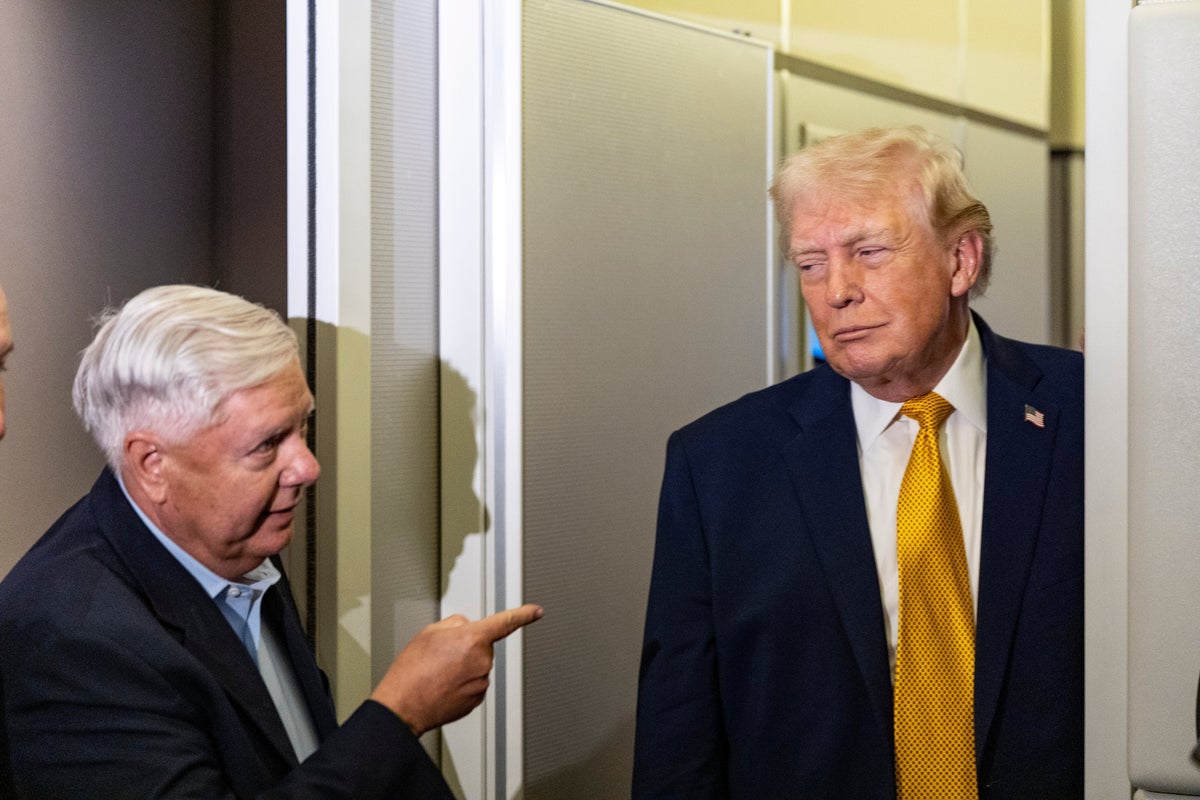
Trump contradicts medical examiners initial report on Lindsey Grahams cause of death President claims late senators aortic dissection wasnt caused by artery blockage but a totally different thing
independent · about 7 hours ago
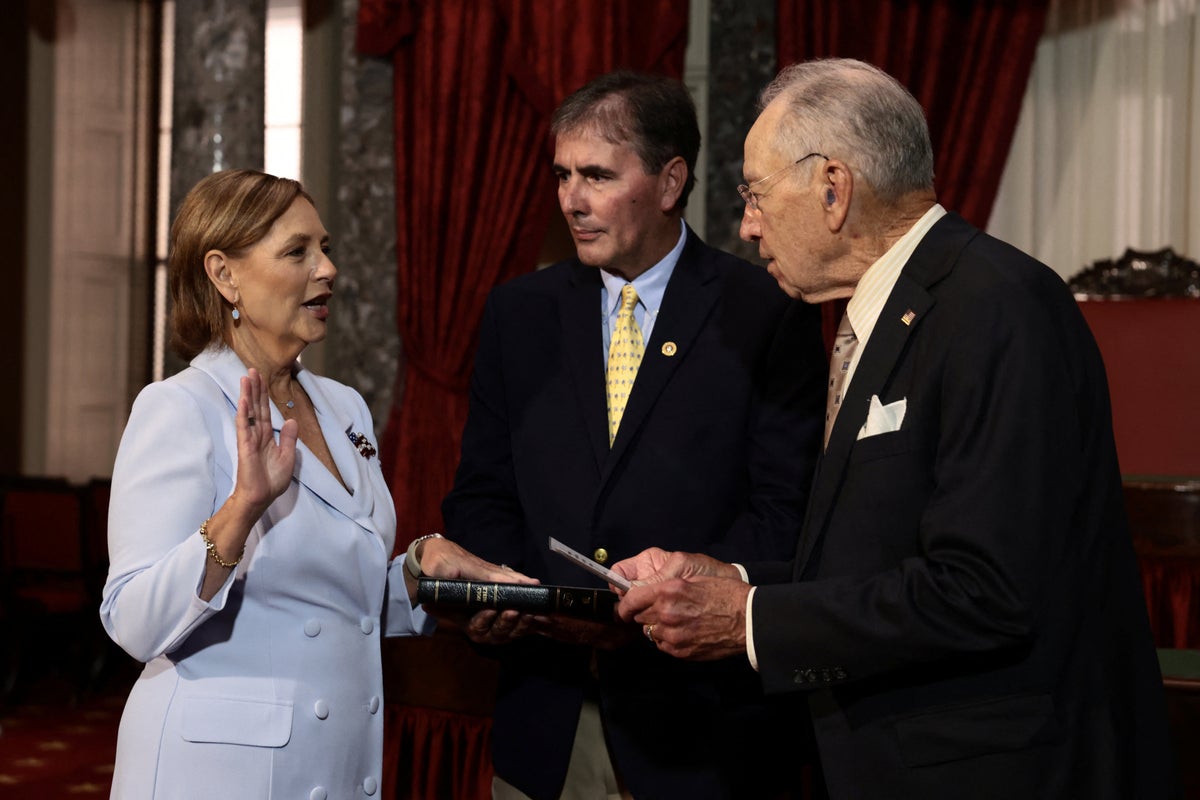
Lindsey Grahams sister Darline sworn in to South Carolina Senate seat following his death Graham, 71, was chief supporter of Ukraines defense and Trumps war in Iran
independent · about 7 hours ago

⚡️US lawmakers unveil updated Russia sanctions bill spearheaded by late Senator Graham. A bipartisan group of U.S. senators on July 14 unveiled the latest version of a sanctions bill targeting countries that buy Russian oil and gas, aiming to choke off Moscows revenues amid its war against Ukraine.
bluesky_Kyiv Independent · about 7 hours ago
Senators reveal revised Russia sanctions bill, urge passing in honor of Lindsey GrahamLawmakers in support of Ukraine have worked for over a year to pass legislation to impose tariffs on goods from countries that continue to purchase Russian oil, gas and other exports. #News #Russia #LindseyGraham #Ukraine
mastodon bot · about 8 hours ago