Loading…
 Saturday, October 3Saturday, October 3
The European Union’s NIS2 cybersecurity directive took full effect across member states on April 3, 2026, expanding mandatory protections to 18 critical sectors, up from seven, including energy, transport, healthcare, digital infrastructure, and waste management.
In Poland, the deadline for entities classified as "key" or "important" to self-register in the National Cybersecurity System’s KSC registry passed on Oct. 3. The Ministry of Digital Affairs confirmed that organizations must independently verify their status and enroll unless automatically listed. Key entities cover sectors such as energy, banking, public administration, and space, while important entities include postal services, food production, and scientific research .
The directive requires affected organizations to implement risk management procedures, incident response protocols, and continuity plans. Grzegorz Wawryniuk of Exatel noted that compliance demands more than formal adherence, emphasizing the need for continuous adaptation to evolving threats, including network segmentation, monitoring, and access controls . Łukasz Gawron, president of CyberMadeInPoland, warned that some firms, particularly in less digitized sectors, risk missing obligations due to low awareness or organizational maturity .
Follow us for live European news
4 further sources not geolocated

WordPress corrige une vulnérabilité critique WordPress a publié le 22 septembre la version 7.1.2 de son CMS afin de corriger une vulnérabilité critique référencée (...)
le monde informatique · about 3 hours ago

Alternativen zu Google Drive, iCloud & Co.: Hier bleiben eure Daten sicher - und in Europa Es muss nicht immer Google Drive, Dropbox oder iCloud sein. Wir schauen uns sichere europäische Cloud-Speicherdienste an. Klären, wie ihr einen eigenen Cloud-Spweiterlesen auf t3n.de
t3n · about 3 hours ago
Zivilschutz-Probealarm: In ganz Österreich heulen heute die Sirenen Von 12 bis 13 Uhr werden die Warnsignale getestet. Neben Sirenen und AT-Alert soll heuer auch die neue Zivilschutz-App ZIVA dabei helfen, die Bevölkerung im Ernstfall rasch zu informieren.
die presse · about 3 hours ago
Firmy mogą spełniać wymagania NIS2 i nadal być podatne na atak Nowe przepisy cyberbezpieczeństwa stopniowo wchodzą w życie, co dla firm oznacza konieczność uporządkowania procedur, zabezpieczeń i reagowania na incydenty. Grzegorz Wawryniuk, dyrektor biura produktu i marketingu w Exatelu, wskazuje jednak, że sama zgodność z przepisami nie wystarczy: potrzebne są testy odporności, ochrona OT i łańcucha dostaw oraz stałe budowanie kompetencji pracowników.
wnp.pl · about 3 hours ago
Koniec z cyberbezpieczeństwem na papierze. Wchodzą w życie zupełnie nowe obowiązki Unijna dyrektywa NIS2 już zmienia zasady gry: cyberbezpieczeństwo przestaje być domeną wyłącznie działów IT, a staje się obowiązkiem całej organizacji, w tym przede wszystkim zarządu. Firmy i instytucje muszą szybko przygotować się na nowe wymagania, a czas goni.
wnp.pl · about 3 hours ago
Firmy nie uciekną od nowych obowiązków - został ostatni dzień. Bez tego grożą im kary Najbliższy kluczowy termin wynikający z nowelizacji ustawy o krajowym systemie cyberbezpieczeństwa (KSC) mija już w sobotę, 3 października. Jak wynika z naszych informacji, do Wykazu KSC jak dotąd wpisano z urzędu dokładnie 62 330 podmiotów, a samorejestracji dokonało 5368 organizacji. Tym samym kilkadziesiąt tysięcy podmiotów nie może już lekceważyć bezpieczeństwa cyfrowego.
wnp.pl · about 3 hours ago
Who Is Really Responsible for Cybersecurity in an Organisation? - The Baltic Times The summer in Latvia passed under a red alert for cybersecurity. Fraudsters and cyber attackers continued to exploit both technological ......
baltic times · about 3 hours ago
Three-quarters of EU employees have faced cyber threats - The Baltic Times TALLINN - According to a Eurobarometer survey published by the European Commission, three-quarters of European Union employees have encountered ......
baltic times · about 3 hours ago
Professor: Old IT makes universities hacking targets Danish universities hold vast amounts of personal data while some continue to rely on ageing IT systems that may not meet modern security standards, a cybersecurity professor warns following the major attack on DTU. Old IT systems combined with large amounts of sensitive personal data make Danish universities particularly vulnerable to cyberattacks, according to Jens […]
cphpost · about 3 hours ago
Nearly two-thirds of summer hospitality businesses found violating food safety rules During inspections last summer, the Netherlands Food and Consumer Product Safety Authority (NVWA) found violations at nearly two-thirds of hospitality businesses that attract large crowds on hot da
nltimes.nl · about 3 hours ago
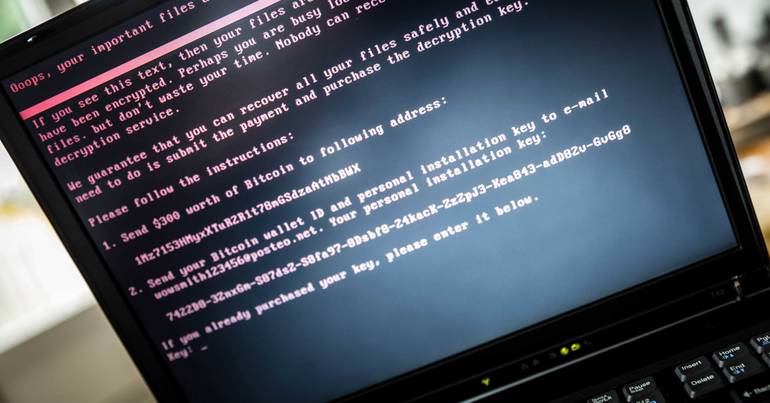
Microsoft alerta: Portugal no top 20 de ciberataques Outubro é considerado o mês de cibersegurança
observador · about 3 hours ago