Loading…
 Saturday, September 26Saturday, September 26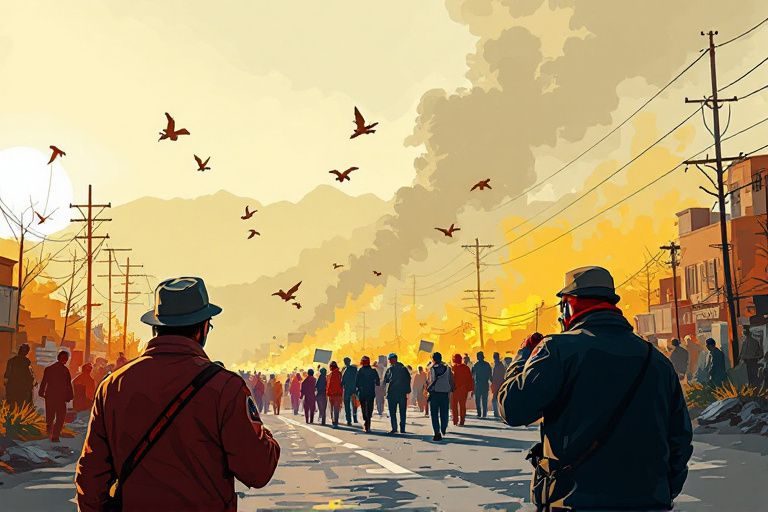
3 months · 4 summary articles
President Rodrigo Paz declared a nationwide state of emergency in Bolivia on Saturday, deploying the army and bulldozers to dismantle anti-government roadblocks that have paralysed the country for six weeks. The move, announced late Friday and enforced on Saturday, suspends protest rights and authorises military operations to clear blockades that have choked supply lines to La Paz and other cities, triggering severe shortages of food, fuel and medical supplies.
Soldiers and heavy machinery were deployed across key routes on Saturday morning, razing roadblocks erected by unions, Indigenous groups and coca farmers protesting economic reforms introduced after the government scrapped fuel subsidies in May. At least 14 people have died in the unrest since June, according to reports from La Paz and Cochabamba. The state of emergency, declared by Paz late Friday, grants the military sweeping powers to restore order and reopen roads, effectively ending six weeks of continuous blockades that have crippled the economy.
The protests began in early May after the government eliminated fuel subsidies, a decision that triggered immediate unrest among transport workers and farmers. Road blockades escalated over the following weeks, cutting off La Paz and other major cities for 50 consecutive days. The blockades have caused severe shortages, with hospitals reporting critical shortages of essential medicines and fuel stations running dry. The government’s decision to declare a state of emergency follows days of escalating violence, including clashes between protesters and security forces that left at least 14 dead.
Under the emergency measures, the right to protest is suspended and the military is authorised to use force to clear blockades. Bulldozers have been deployed alongside troops to dismantle roadblocks, while security forces have established checkpoints to prevent further blockades. The government has framed the emergency declaration as a necessary measure to restore public order and prevent further economic damage. “The state of emergency is a last resort to protect Bolivian lives and restore essential services,” a government spokesperson said.
International observers have expressed concern over the escalation. The United Nations human rights office has called for restraint and urged the government to respect fundamental freedoms, while regional bodies have urged dialogue to resolve the crisis. Opposition leaders have condemned the emergency declaration as an authoritarian overreach, accusing Paz of using the military to suppress legitimate grievances. “This is a dangerous escalation that will deepen the crisis,” said opposition leader Eva Morales. “The government is using force to silence dissent instead of addressing the root causes of the protests.”
The emergency measures come as the government faces mounting pressure to address the economic crisis that has fuelled the unrest. With roads now being cleared and supply lines gradually reopening, the focus will shift to whether the government can restore stability without further violence. The coming days will determine whether the emergency measures succeed in restoring order or further inflame tensions across Bolivia.
Follow us for live European news
2 further sources not geolocated
⚡ NEWSBolivia declares state of emergency and deploys army to halt protestsBolivias President Rodrigo Paz declared a state of emergency, deploying the army and bulldozers to dismantle anti-government roadblocks. The move curbs protest rights amid six weeks of demonstrations by unions, Indigenous groups, and coca farmers against economic reforms.📰 #Geopolitics #GeoWire
mastodon bot · 3 months ago

After Being Set on Fire, the New BiH and RBiH Flags Redisplayed Following the decision to place Bosnia and Herzegovina on the increased monitoring list for anti-money laundering and terrorist financing (the so-called grey list), key financial institutions issued a joint, reassuring statement to the public. They state that the financial sector of Bosnia and Herzegovina remains fully stable, liquid, adequately capitalized, and safe. The joint statement […] The post After Being Set on Fire, the New BiH and RBiH Flags Redisplayed appeared first on Sarajevo Times.
sarajevo times · 3 months ago
RDC : «Nous nallons pas nous laisser intimider par la terreur», prévient lun des leaders de lopposition Blessé lors dune manifestation le 12 juin, Delly Sesanga détaille pour «Libération» de nouvelles actions contre le projet de révision constitutionnelle qui permettrait au Président de briguer un troisième mandat.
liberation · 3 months ago
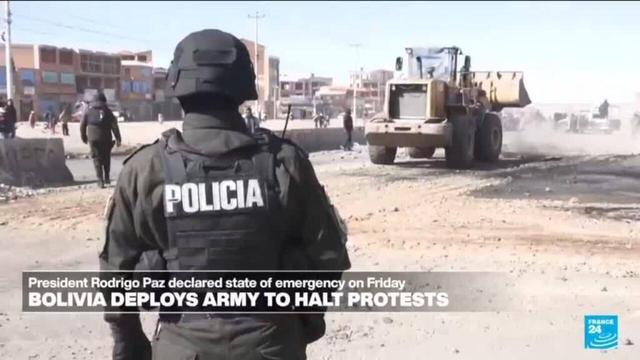
Bolivia deploys army to halt protests after declaration of state of emergency Bolivias government deployed soldiers and bulldozers to raze anti-government roadblocks. This comes after President Rodrigo Paz declared a state of emergency, which curbs the right to protest and allows the president to deploy the military. For more than six weeks, unions, Indigenous groups and coca farmers have protested against economic reforms and blocked roads.
france24 · 3 months ago
Estonia to change crisis blood donation rules, share stocks with allies The Estonian Defense Forces will be granted the right to collect blood during crises and share reserves with allies during wartime if supply chains are disrupted under new legislation.
news.err · 3 months ago
Salaries too low to fill employment gaps, emergency service agencies say The Police and Border Guard Board (PPA) and the Rescue Services Agency are facing a staffing gap as the number of new recruits does not match those retiring. The agencies say low salaries are the main problem.
news.err · 3 months ago
Bolivia declares state of emergency amid blockades and protests President Rodrigo Paz has declared a state of emergency following weeks of protests and road blockades that caused shortages of food, fuel, and medical supplies. The measure allows military deployment to restore order and reopen roads, as anti-government demonstrations intensify over living costs.
yenisafak · 3 months ago
Boliviens Präsident lässt Straßenblockaden räumen
orf.at · 3 months ago
Brcko limits Salary Growth in the Public Sector to Half of Inflation Brčko often boasts the title of the city with the highest salaries in the country. But, the government decided to moderate this luxury a little. With the new amendments to the Law on Wages, the government is saying: we are protecting the budget. The union responds: protect yourself, over the backs of those who have […] The post Brcko limits Salary Growth in the Public Sector to Half of Inflation appeared first on Sarajevo Times.
sarajevo times · 3 months ago
Financial Institutions reacted after BiH was placed on the Gray List Regarding the decision of the Financial Action Task Force (FATF) to put Bosnia and Herzegovina on the gray list of countries under enhanced financial supervision, key financial institutions in the country, the Ministry of Security of Bosnia and Herzegovina, the Delegation of the European Union, as well as representatives of the organization that made the […] The post Financial Institutions reacted after BiH was placed on the Gray List appeared first on Sarajevo Times.
sarajevo times · 3 months ago