 Sunday, June 7Sunday, June 7
Finnair removed a recently recovered cancer patient from a Bangkok-bound flight on Saturday after a fellow passenger shouted that she had hantavirus, triggering a medical alert that left the woman stranded and furious. Fitness entrepreneur Sara Kivimäki, 34, was pulled off Finnair flight AY872 at Suvarnabhumi Airport just before departure when a Finnish man repeatedly screamed “Hantavirus! Hantavirus!” Security and cabin crew followed protocol, isolating Kivimäki and calling airport medical staff who declared her “too ill to fly.” “How can a doctor declare me unfit to fly without even seeing or speaking to me?” Kivimäki told reporters on Sunday. “I was minutes from boarding when they dragged me off. In reality I was just dehydrated and exhausted from my cancer treatment.”
The incident highlights the fragility of in-flight health protocols and the ease with which rare pathogens can trigger panic. Globally, hantavirus remains a low-incidence but high-fear disease: the World Health Organization reported 13 confirmed cases worldwide in the past month with no new deaths, according to WHO Director-General Tedros Adhanom Ghebreyesus speaking on Saturday.
In Spain, health authorities confirmed on Sunday that twelve close contacts from the MV Hondius cruise ship outbreak have left Madrid’s Gómez-Ulla hospital after completing 28 days of monitored quarantine. All tested negative in final PCR screens and returned to their autonomous communities for a further 14 days of home isolation under national surveillance protocols. The single remaining patient, who tested positive on 11 May, remains in the High-Level Isolation Unit with low-grade fever but stable vital signs. Spanish health ministry officials said the cohort’s discharge marks the end of the acute phase of the outbreak.
The Hondius departed Rotterdam for Spitsbergen on Saturday evening, ending a month-long standstill after the outbreak. Cruise operator Hurtigruten said the vessel underwent enhanced sanitation and crew health screening before sailing.
Public-health experts note that hantavirus—spread by rodent excreta—poses minimal transmission risk in aircraft cabins, yet fear of the name itself can still derail travel plans. WHO maintains close contact with affected governments and airlines to refine risk communication and avoid unnecessary disruptions.

See on enneolematu: hiidviirus lahustab rakutuuma ja asub selle asemel ise rakku juhtima Jõest leitud hiiglaslik viirus on pannud teadlased taas küsima, kui palju me viiruste maailmast tegelikult teame. Uus organism ei käitu päris nii nagu tema lähisugulased ning kasutab paljunemiseks seni tundmatut strateegiat. Samal ajal vihjab selle geneetiline ülesehitus võimalikele seostele viiruste pika evolutsioonilise ajalooga. Mõne teadlase hinnangul võivad sellised avastused aidata mõista isegi seda, kuidas kujunesid keerukad rakud. Mida peidab endas viirus, mis näib seisvat kahe evolutsioonilise maailma piiril?
postimees · about 2 hours ago
EBAÕIGLANE OTSUS? ⟩ «Ta karjus: hantaviirus! Hantaviirus!» Finnair viskas pardalt maha äsja vähist tervenenud naise. Fitnessi- ja heaoluettevõtja Sara Kivimäki visati Bangkokis Finnairi lennukist välja, sest üks soome mees kahtlustas tal hantaviirust. «Kuidas saab arst mind nägemata või minuga rääkimata kuulutada, et ma olen lendamiseks liiga haige?» pahandab naine, sest tegelikkuses hakkas tal halb muul põhjusel.
postimees · about 2 hours ago
Hantavirus cases steady at 13, no new deaths in month: WHO chief Tedros Adhanom Ghebreyesus said Saturday that hantavirus cases reported to the World Health Organization remain steady at 13 with no new deaths recorded in over a month, noting the agency maintains close contact with governments where patients are receiving treatment or where passengers are under quarantine.
yenisafak · about 2 hours ago
Premieră medicală mondială. Medicii chinezi au transplantat simultan un ficat și doi rinichi de porc unui pacient uman Medicii din China au realizat o intervenție fără precedent în istoria transplanturilor, reușind să transplanteze simultan un ficat și doi rinichi provenite de la un porc modificat genetic unui pacient aflat în moarte cerebrală.
adevarul · about 2 hours ago
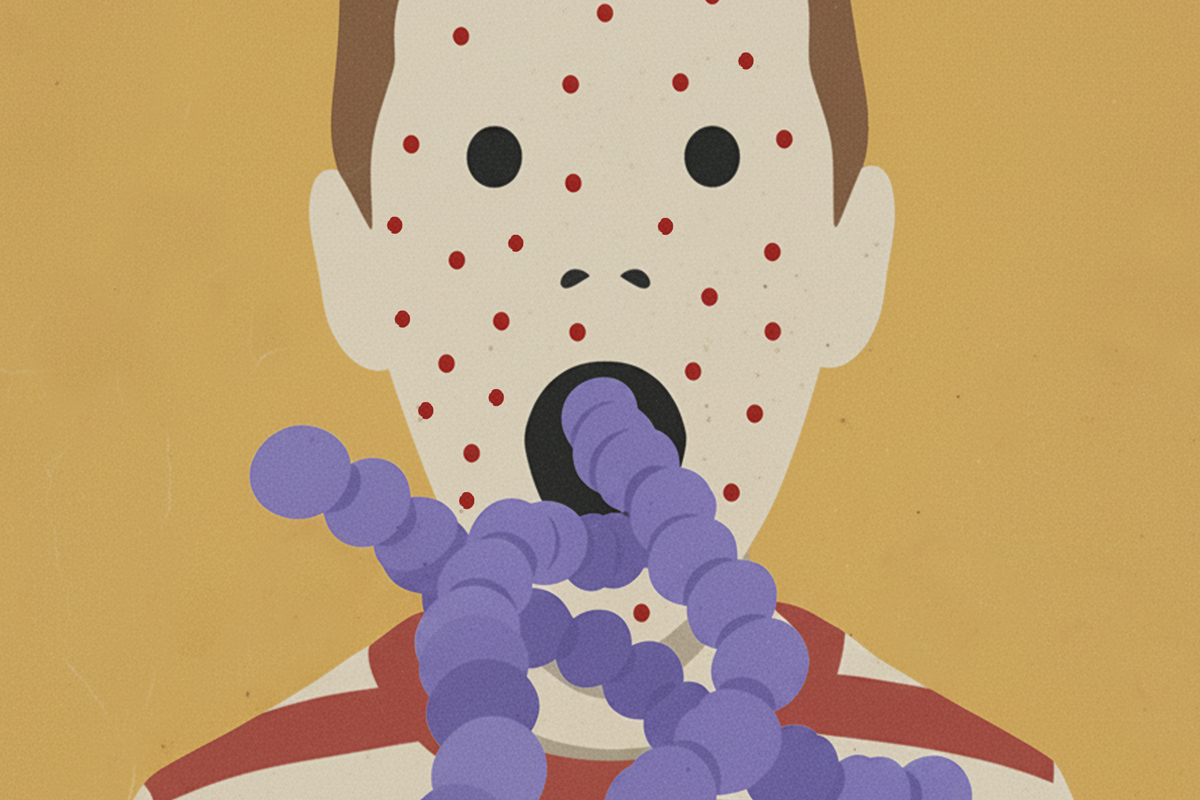
El aire acondicionado, ¿es malo para la salud? El uso incorrecto y la falta de mantenimiento de esos aparatos pueden provocar problemas respiratorios y congestión o dolores musculares. Es importante evitar saltos térmicos y las corrientes directas de aire Leer
elmundo · about 2 hours ago
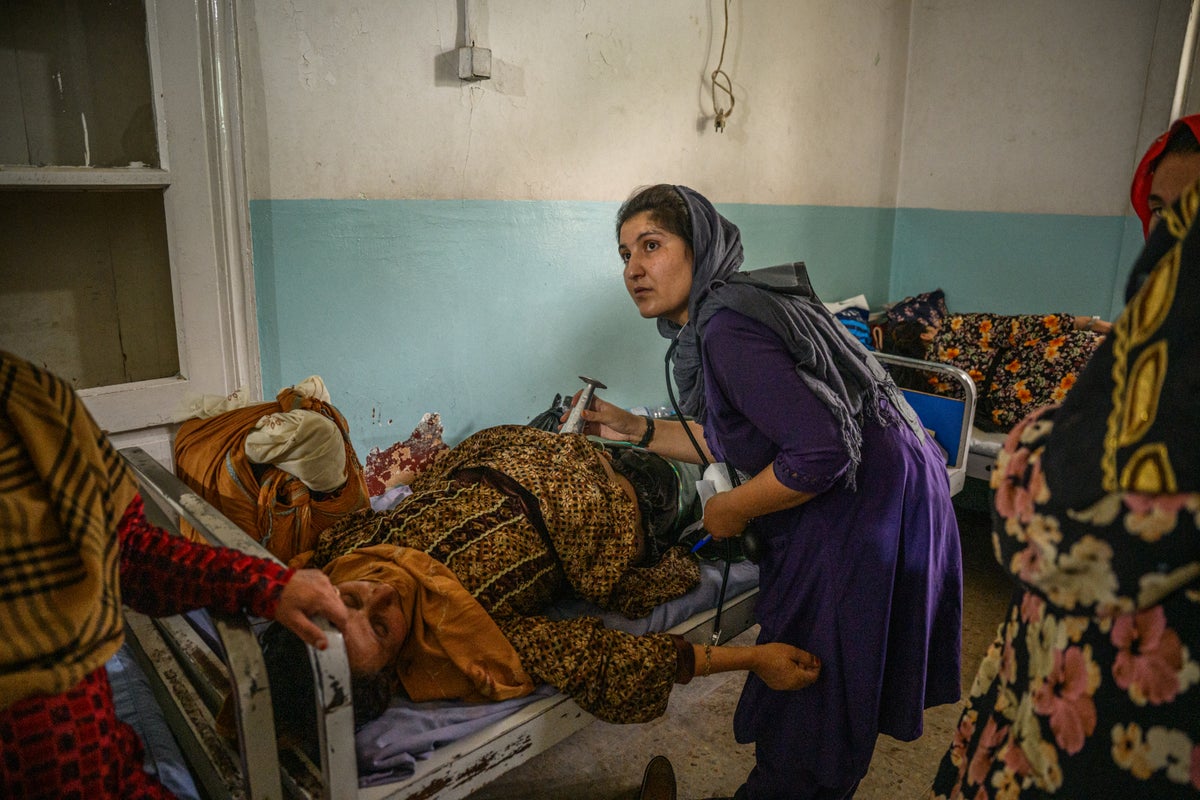
Aid cuts are making tablets needed to help fight stillbirths and mothers dying harder to buy Exclusive: Data from the UN show that the money spent on supplies of folic acid, which can help reduce the risk of anaemia and then possible haemorrhage or stillbirth, are falling – at least in part thanks to aid cuts. Rachel Hagan speaks to health workers and experts who say this backs up what they seeing on the ground
independent · about 2 hours ago

RDCongo eleva para 488 casos confirmados de Ébola o Instituto Nacional de Saúde Pública (INSP) assinalou que a província de Ituri continua a ser o epicentro, com mais de 94 dos casos (460).
observador · about 3 hours ago
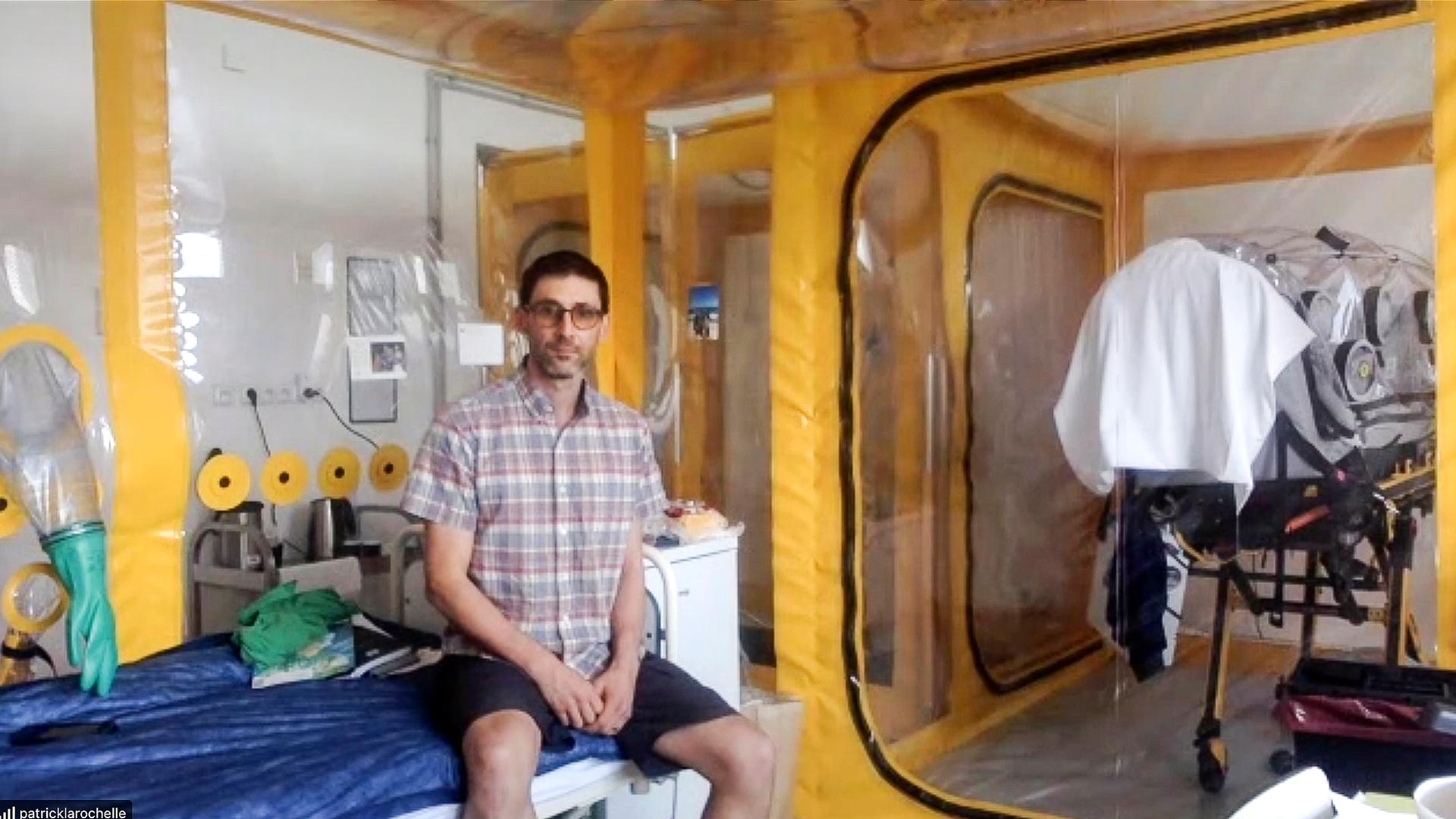
Čekání, jestli je to ebola Patrick LaRochelle žije v hermeticky uzavřeném bioboxu v pražské nemocnici a sleduje, jestli u něj nepropukne smrtelný virus. Tohle je jeho příběh
respekt · about 3 hours ago
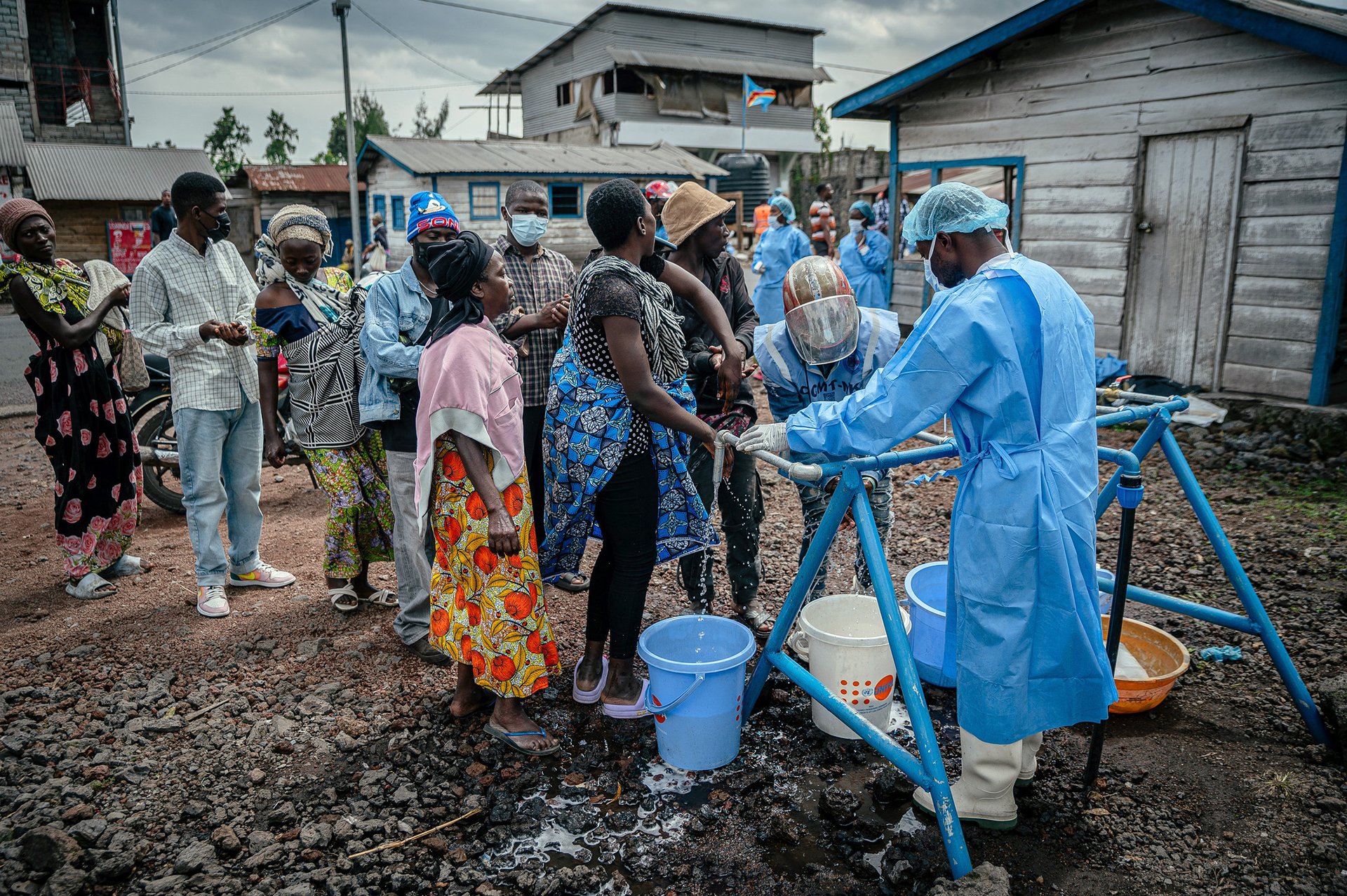
Vakcína pro Ugandu a Kongo? Možná, ale ne hned Jaké preparáty vyvíjejí vědci proti současnému kmeni eboly a kdy budou k dispozici
respekt · about 3 hours ago
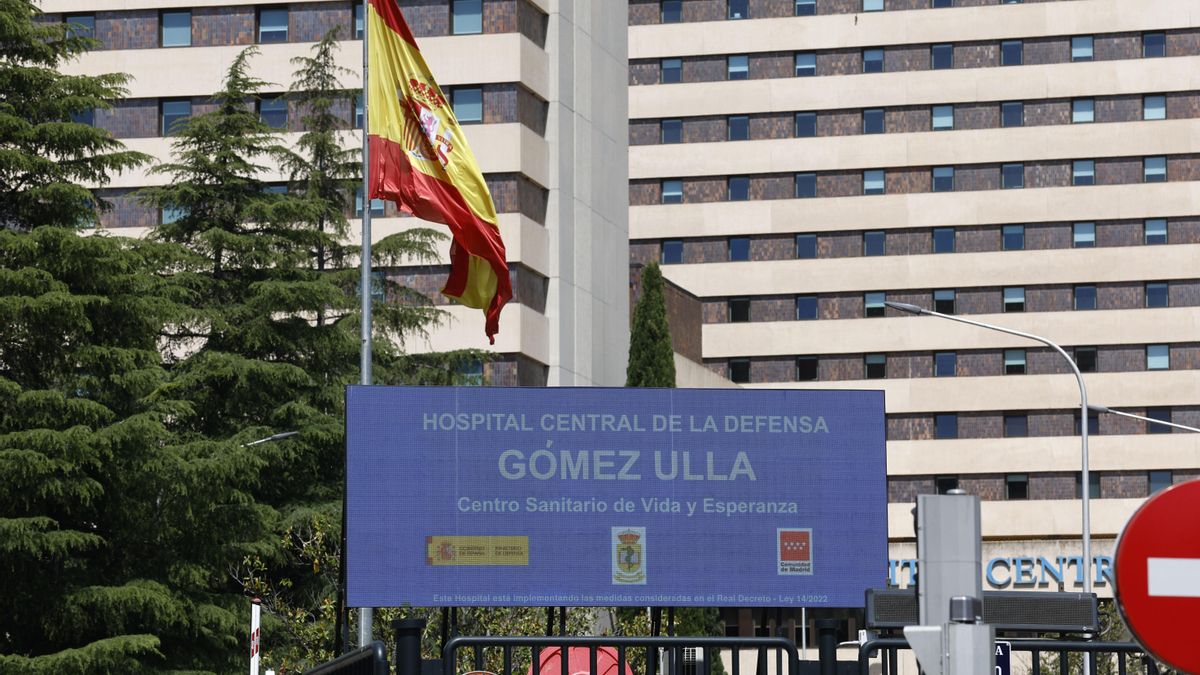
Las doce personas aisladas como contactos por hantavirus vuelven a sus domicilios para completar la cuarentena El caso confirmado que permanece ingresado en la Unidad de Aislamiento de Alto Nivel del Goméz Ulla continúa bajo supervisión médica y presenta febrícula, sin que se haya producido un empeoramiento de su situación clínicaEl primer paciente con hantavirus en España supera la enfermedad y ya ha recibido el alta Las doce personas que permanecían en seguimiento como contactos de casos de hantavirus en el barco MV Hondius en el Hospital Central de la Defensa Gómez Ulla han abandonado ya el centro tras dar negativo en la última PCR practicada este sábado. Este grupo de personas, que se encontraban asintomáticas y en buen estado general, se encuentran ya en sus domicilios o llegarán a ellos a lo largo del día para continuar con las medidas establecidas por las autoridades sanitarias en el protocolo de seguimiento, según informan desde el Ministerio de Sanidad. Por su parte, el caso confirmado que permanece ingresado en la Unidad de Aislamiento de Alto Nivel (UATAN) continúa bajo supervisión médica y presenta febrícula, sin que se haya producido un empeoramiento de su situación clínica. Según han confirmado este domingo desde el Departamento de Salud de la Generalitat, los cinco catalanes ya han regresado a sus domicilios tras ser trasladadas con las medidas de seguridad necesarias. Con todo, y de acuerdo con los protocolos de vigilancia epidemiológica establecidos por las autoridades sanitarias, estas personas seguirán en situación de aislamiento en su casa con las medidas de seguridad recomendadas durante el período previsto de 14 días más. Este jueves, el primer pasajero del MV Hondius que dio positivo en hantavirus el pasado 11 de mayo pudo también volver a su casa tras haber sido dado de alta en el Hospital Gómez Ulla de Madrid tras pasar tres días asintomático y obtener las dos últimas pruebas PCR negativas, según fuentes del Ministerio de Sanidad.
eldiario.es · about 3 hours ago
Torna il verme del Nuovo Mondo negli Stati Uniti dopo 60 anni: cosè il parassita che può colpire anche luomo Per la prima volta dal 1966 gli Stati Uniti hanno confermato un caso di verme del Nuovo Mondo in Texas. A darne notizia è stato il Dipartimento dellAgricoltura degli Stati Uniti (USDA), citato da Reuters, dopo il ritrovamento del parassita in un vitello nella località di La Pryor, a circa 50 chilometri dal confine con […] Larticolo Torna il verme del Nuovo Mondo negli Stati Uniti dopo 60 anni: cosè il parassita che può colpire anche luomo proviene da Il Fatto Quotidiano.
il fatto quotidiano · about 3 hours ago
Rischiare di morire non era nei miei piani per questa settimana. È stata lesperienza più spaventosa della mia vita: Simone Biles ricoverata durgenza Rischiare di morire non era nei miei piani per questa settimana. Con queste parole Simone Biles ha raccontato ai suoi follower di aver vissuto unemergenza medica che lha costretta al ricovero in ospedale e che lei stessa definisce una delle esperienze più spaventose, se non la più spaventosa in assoluto della sua vita. La ginnasta […] Larticolo Rischiare di morire non era nei miei piani per questa settimana. È stata lesperienza più spaventosa della mia vita: Simone Biles ricoverata durgenza proviene da Il Fatto Quotidiano.
il fatto quotidiano · about 3 hours ago
Hyller kona etter sønnens sykdom: – Hun er veldig sterk Av alle i familien, mener Ståle Solbakken det var han selv som taklet sønnens sykdomsbeskjed dårligst.
aftenposten · about 3 hours ago
– Det er ikke mulig at alle er i Thailand på ferie akkurat når de har fått time på sykehuset 350.000 avtaler i Sykehus-Norge blir ikke gjennomført fordi pasienter ikke møter opp.
aftenposten · about 3 hours ago
Grăsimea de pe burtă este cea mai periculoasă pentru creier, arată un nou studiu. Legătura surprinzătoare descoperită de cercetători Un nou studiu arată că locul în care este depozitată grăsimea corporală poate influența semnificativ sănătatea creierului și viteza cu care acesta îmbătrânește.
adevarul · about 3 hours ago
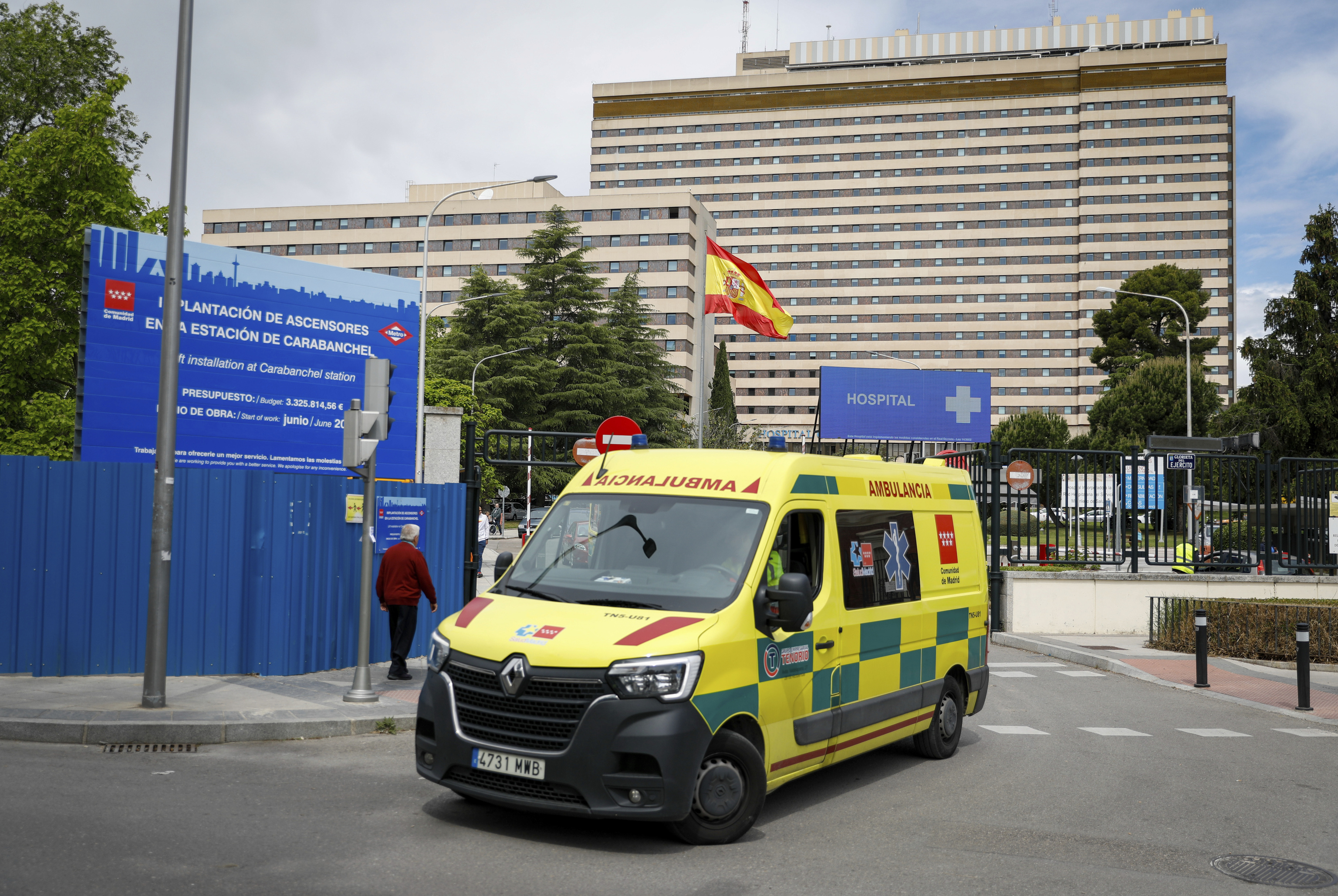
Abandonan el Gómez de Ulla los 12 españoles del brote de hantavirus y queda ingresado en la UATAN el último positivo Tras los 28 primeros días de cuarentena vigilada en el centro madrileño, los 12 contactos marchan a sus CCAA de origen. El último positivo permanece estable y es el único que queda en la UATAN Leer
elmundo · about 3 hours ago
Cruise ship Hondius departs Rotterdam for Norway after deadly hantavirus outbreak The cruise ship Hondius left the port of Rotterdam on Saturday evening en route to Spitsbergen in Norway, following a hantavirus outbreak in May that
nltimes.nl · about 3 hours ago
Catholic church and Estonian Health Insurance Fund clash over nuns health insurance The Roman Catholic Church and the Health Insurance Fund disagree over whether foreign nuns temporarily staying in Estonia are entitled to state health insurance.
news.err · about 3 hours ago
Simone Biles belandt in ziekenhuis: Doodgaan stond niet op mijn bingokaart Topturnster Simone Biles is afgelopen week in het ziekenhuis beland vanwege een medische noodsituatie. De Amerikaanse ster stelt op Instagram dat ze een bijna-doodervaring heeft gehad.
nu.nl · about 3 hours ago

Diese Mini-Raupe durchschaut ihre Feinde Mal gehen die winzigen Raupen lautstark gegen Eindringlinge vor, mal ergreifen sie die Flucht. Forscher haben nun entdeckt, dass sie Bedrohungen erstaunlich treffsicher erkennen können. Ein Detail entscheidet dabei über Leben und Tod.
welt.de · about 3 hours ago
Gesundheit: Nach Ausstieg aus der WHO: Trump setzt in der Ebola-Krise auf deutsche Unterstützung Die USA haben internationale Formate wie die Weltgesundheitsorganisation verlassen. Während der Ebola-Epidemie stößt die Supermacht nun an Grenzen – und sucht Hilfe.
handelsblatt · about 3 hours ago
Dalle piante nuovi vaccini veterinari contro malattie trasmissibili alluomo Dalle piante nuovi vaccini veterinari contro malattie trasmissibili alluomo. Il tutto passando dalla produzione di molecole destinate allo sviluppo di vaccini e kit diagnostici per alcune malattie di ovini e...
il sole 24 ore · about 3 hours ago