Loading…
 Saturday, August 29Saturday, August 29
3 months · 12 summary articles
Train services across Europe faced widespread disruptions on Monday as copper thefts, infrastructure failures and maintenance work grounded lines from Catalonia to Helsinki, leaving thousands stranded and prompting urgent calls for better protection of critical rail assets.
In Catalonia, the entire Rodalies R3 line between La Garriga and Les Franqueses del Vallès remained closed after thieves stripped copper cables from the tracks, forcing operator Renfe to suspend services and reroute passengers by road . The company confirmed that alternative bus services were operating along the entire route, but warned of significant delays and overcrowding. A second incident on the R14 line also disrupted regional connections, compounding travel chaos in the Barcelona metropolitan area.
Further north, Finland’s national rail operator VR announced that track work west of Helsinki would continue through late July, with services reduced to a single track and journey times extended by up to 40 minutes during peak hours . Commuters in Espoo and surrounding suburbs were advised to allow extra time or switch to buses, as engineering teams worked around the clock to complete upgrades on the vital coastal corridor.
In the Czech Republic, a damaged traction line in central Prague forced tram routes 6 and 11 to detour between I. P. Pavlova and Otakarova, halting services in the area shortly before 11:00 local time . Prague Integrated Transport said repairs were expected to be completed by Monday evening, but the disruption added to growing frustration over the city’s aging public transport infrastructure.
Political fallout followed in Finland, where several MPs, including Päivi Räsänen, were unable to reach the parliamentary plenary session due to train delays caused by a broken rail near Helsinki . Räsänen told reporters that the repeated failures highlighted the need for more resilient rail connections to the capital, especially as lawmakers debated critical national legislation.
Meanwhile, in Romania, an international seasonal train to Bulgaria and Turkey suffered a four-hour delay after a fire broke out in its locomotive near Bucharest on Sunday afternoon . CFR Călători apologised to passengers and rerouted the service, but the incident raised concerns about the safety and reliability of aging rolling stock on cross-border routes.
Across the continent, rail operators urged passengers to check real-time updates before travelling, as copper thefts—often linked to organised crime syndicates—continued to target signalling and power systems. Industry analysts warned that without stronger deterrents and investment in alternative technologies, such disruptions would become an enduring feature of European travel this summer.
Follow us for live European news

Poškozené trakční vedení v Bělehradské ulici. Tramvaje 6 a 11 se v centru odklánějí od své trasy Kvůli poškozenému trakčnímu vedení chvíli před 11.00 v pondělí přestaly jezdit tramvaje v Bělehradské ulici v úseku od zastávky I. P. Pavlova až Otakarova. Uvedla to Pražská integrovaná doprava (PID) na síti X a na svém webu. Provoz by měl být obnoven ještě v pondělí večer.
irozhlas.cz · 2 months ago
Eine Magistrale – zwei Baustellen nacheinander: Bauarbeiten im Berliner Südosten dauern viel länger als erhofft Eigentlich sollte der Umbau einer stark befahrenen Straße in Berlin-Adlershof in einem Guss gelingen. Doch jetzt zerfällt das Projekt in zwei Teile – und dauert länger. Hier der neue Plan.
tagesspiegel · 2 months ago
:format(jpg)/f.elconfidencial.com%2Foriginal%2Fe0d%2Ff15%2F06b%2Fe0df1506b8a7b2a3304aadd6323443b5.jpg)
Varios robos de cable provocan cortes de circulación en las líneas R3 y R14 de Rodalies La circulación de toda la línea R3 de Rodalies está interrumpida por una incidencia en la infraestructura provocada por robo de cobre entre La Garriga y Les Franqueses del Vallès
el confidencial · 2 months ago
Drei Viertel der Beschäftigten bleiben im Urlaub erreichbar Für viele Beschäftigte bedeutet Urlaub nicht automatisch Auszeit vom Job: 73 Prozent sind auch während ihrer freien Tage beruflich erreichbar.
die presse · 2 months ago
Im Urlaub erreichbar: 73 Prozent schalten nicht ab Einer aktuellen Umfrage zufolge prüfen 45 Prozent im Urlaub regelmäßig ihre E-Mails oder sind telefonisch erreichbar. Der ÖGB appelliert an die Arbeitnehmer: Urlaub ist keine Bereitschaftszeit.
die presse · 2 months ago
The Fleet That Ruled the Seas: Ancient Greeces Warship Variants The geometry behind ancient naval warfare with Greek ships was a brutal, practical science that determined who lived and who died on the Mediterranean. It doesnt take much to realize that one wrong calculation in designing a triremes bronze ram meant hundreds of rowers might end up as fish food instead of returning home as […]
greek reporter · 2 months ago
Călătorie cu peripeții în trenul care ducea români în Bulgaria și Turcia. Locomotiva a luat foc Un incendiu la locomotiva care tracta Trenul România a izbucnit duminică după amiază, cauză din care cursa internațională sezonieră a CFR Călători a înregistrat o întârziere de aproape patru ore.
adevarul · 2 months ago
Dispar coloanele de mașini de pe Valea Oltului. Joi va fi reluată circulația pe ambele sensuri pe Viaductul Râu Vadului Circulația rutieră pe Viaductul Râu Vadului va fi reluată pe ambele sensuri de mers începând cu 25 iunie, după finalizarea lucrărilor la rosturile de dilatație.
adevarul · 2 months ago
Lubja intersection traffic and trams return to normal Regular traffic will resume Monday at the Lubja tänav and Tartu maantee intersection in central Tallinn as the turn from Tartu maantee to Lubja tänav reopens and trams resume normal two-way service.
news.err · 2 months ago
Σαντορίνη: Η χαμένη ημέρα των 7.734 επιβατών και των 425.000 ευρώ και το καμπανάκι για την ελληνική κρουαζιέρα
protothema · 2 months ago
Meglepetés: késnek a vonatok a dél-balatoni vonalon Egész pontosan: a hiba elhárításáig várakozni kényszerülnek.
444.hu · 2 months ago
Nehoda tří aut blokuje dálnici D1 u Kroměříže. Převrácený kamion s naftou leží ve směru na Prahu Provoz na dálnici D1 mezi Kroměříží a Kojetínem na Přerovsku zastavila v pondělí časně ráno nehoda. Oba jízdní pruhy ve směru na Prahu blokuje převrácený kamion. Vyplývá to z informací zveřejněných Národním dopravním informačním centrem a policií na síti X. Hasiči na Facebooku uvedli, že na dálnici havaroval kamion a dvě dodávky, přičemž dva lidé utrpěli zranění. Ve směru na Ostravu je dálnice průjezdná jedním pruhem.
irozhlas.cz · 2 months ago
První krok k metru, co jede i za Černý Most. Obce na východě Prahy podepsaly společné memorandum Městské části a obce na východě Prahy usilují o prodloužení linky metra B ve směru za Černý Most. Navrhují vytvořit novou zastávku v Horních Počernicích, na kterou by navázala železnice do Nehvizd. Návrh už podpořili zastupitelé pražských Horních Počernic, Klánovic a středočeských obcí Jirny a Nehvizdy.
irozhlas.cz · 2 months ago
,Vstupní brána do centra města. Moravská Třebová vystaví moderní parkoviště s relaxační zónou Místo stánků a tržištního ruchu nabídne prostor pro auta i odpočinek. Uvolněná plocha po bývalé tržnici v Moravské Třebové se promění v moderní parkoviště s relaxační zónou. Město chce s úpravami začít ještě letos a práce rozdělí do několika etap. Jen ta první vyjde zhruba na 40 milionů korun.
irozhlas.cz · 2 months ago
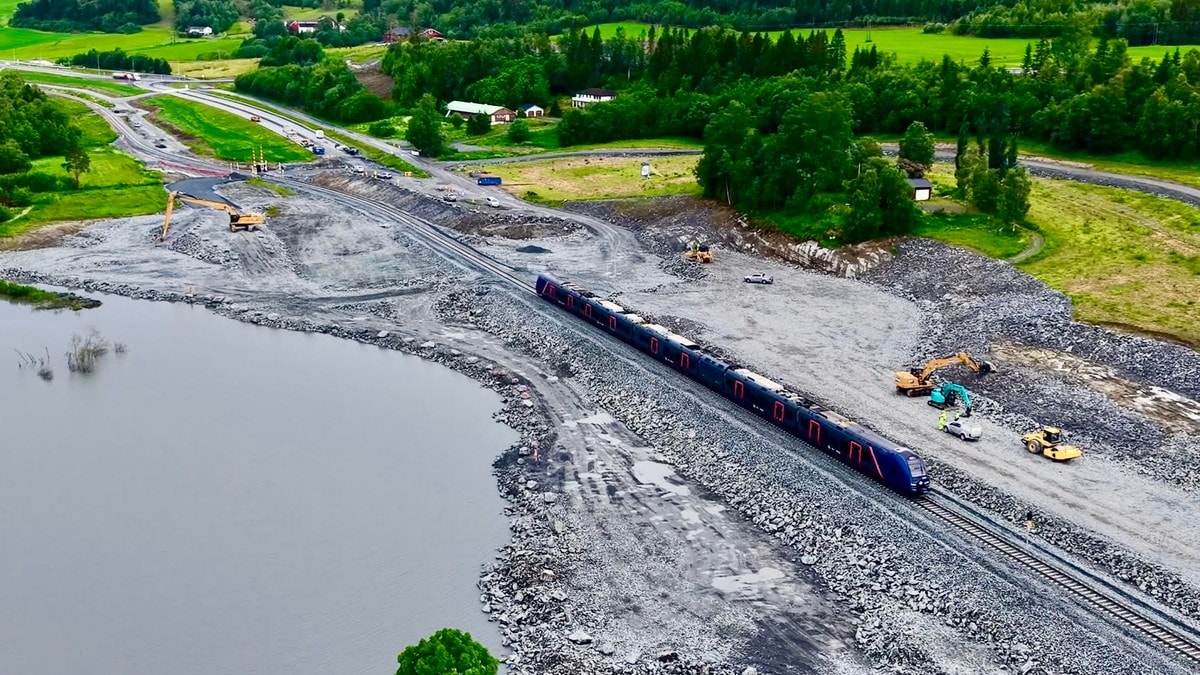
Åpen for første gang på ti måneder: – En viktig dag Etter flere måneder med jobbing i rasgropa ved Nesvatnet i Levanger kunne det første toget kjøre forbi rasstedet.
nrk · 2 months ago

Un robo de cobre entre La Garriga y Les Franqueses del Vallès corta la circulación de la R3 El servicio se realiza de forma alternativa por carretera en toda la línea
la vanguardia · 2 months ago
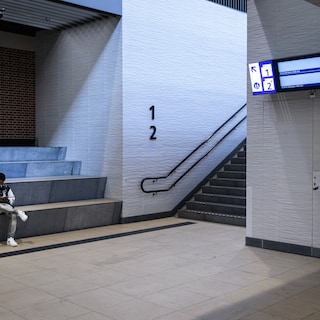
Woensdagochtend rijdt er tot 8 uur vrijwel geen trein, bus, tram of metro: dit moet je weten
parool · 2 months ago
Termine abgesagt: Technik-Probleme stoppen Ministerpräsidentin Rehlingers Flug nach Berlin Technische Probleme zwingen ein Flugzeug mit Anke Rehlinger an Bord zur Rückkehr nach Saarbrücken. Einige Termine in Berlin musste sie deshalb absagen.
tagesspiegel · 2 months ago
Zlatej starej Metronome? Rozpálené letiště, chybějící voda a Nick Cave, bez nějž by to celé stálo za nic „Miluju, když mé publikum trpí, zvolává Nick Cave v pražských Letňanech. Metronome Prague se po letošním přesunu na rozpálené pražské letiště potýkal s horkem i kritikou návštěvníků. Festival nabídl žánrově roztříštěný program od Lykke Li po Stinga, což část publika mátlo.
denik n · 2 months ago
Junaliikenne | Kaivuri katkaisi jälleen pääradan liikenteen, kansanedustajia jumissa Päivi Räsäsen mukaan junaliikenteen häiriöt ovat estäneet häntä ja joitakin muita kansanedustajia pääsemästä eduskunnan täysistuntoon.
helsingin sanomat · 2 months ago
Grèce : à Santorin, les bus touristiques en grève en pleine saison touristique, des croisiéristes annulent leur escale Le syndicat de lîle des Cyclades qui a accueilli 3,4 millions de touristes en 2024 pour une population de 15 500 personnes, se plaint davoir à «gérer des milliers de visiteurs sans disposer des infrastructures minimales requises».
liberation · 2 months ago
:format(jpg)/f.elconfidencial.com%2Foriginal%2F23b%2F22d%2Fa5f%2F23b22da5f9bf8981d9a0c658945e1935.jpg)
Cortarán la línea C-3 de Cercanías durante varios fines de semana: estos son los tramos afectados y las alternativas para viajar Los desplazamientos entre varios municipios del corredor sur madrileño sufrirán cambios durante tres fines de semana consecutivos
el confidencial · 2 months ago