
Archaeologists launch excavation in Huelva to probe ancient links between Greek myths and Western origins

Archaeologists in Huelva have launched a groundbreaking excavation that could redefine the origins of Western civilisation, as new evidence emerges linking ancient Greek legends to the mythical foundations of Ireland. The dig, led by the University of Ghent in collaboration with researchers from the University of Huelva, Seville, and the Autonomous University of Madrid, aims to confirm whether Huelva, a city in southern Spain, predates all other Western settlements.
The project, initiated on Saturday, centres on the Plaza de la Vera Cruz, a site long suspected to hold clues to Tartessos, the first major civilisation of the Western Mediterranean. "We are moving beyond hypotheses to embrace rigorous scientific investigation," said Mayor Pilar Miranda during the project’s unveiling. "This excavation will allow us to uncover what lies beneath this unique space with unparalleled precision."
Professor Roald Docter of the University of Ghent, one of the excavation’s scientific co-directors, emphasised the decades-long journey that led to this moment. "We have had extraordinary indications about the antiquity and significance of this site for over twenty years," he stated. "Now, we finally have the opportunity to document these findings within their original archaeological context."
The site’s potential is underscored by previously discovered artefacts, including some of the oldest Phoenician and Greek ceramics ever found in Western Europe. Professor Alfredo Mederos Martín of the Autonomous University of Madrid noted that while these objects hint at Huelva’s ancient connections, their true significance remains undocumented. "The challenge now is to recover these artefacts within their stratigraphic context, ensuring we preserve a heritage that could become a cultural and tourist landmark for the city," he explained.
The first phase of the excavation, which will run throughout July, involves two stratigraphic probes in the plaza’s garden area. These locations were selected based on a 2024 geophysical survey by the Huelva City Council, which detected archaeological structures between one and two metres below the surface. The team will document the site’s stratigraphic sequence, assess the conservation state of the archaeological layers, and gather data to plan future, more extensive excavations.
If successful, the project could confirm Huelva’s claim to being the oldest city in the Western world, a title currently contested by sites in Greece and Italy. Beyond validating historical records, the excavation promises to illuminate the origins of Tartessos and the cultural exchanges that shaped the Mediterranean during antiquity.
The international team, which includes experts from the University of Ghent, the Autonomous University of Madrid, and local institutions, represents a rare collaboration between Belgian, Spanish, and Andalusian archaeologists. Their work is supported by Ánfora, a specialised archaeological firm, and funded by the Huelva City Council.
While the excavation’s immediate goal is to establish the site’s age and historical context, its long-term implications could reshape our understanding of early Western civilisations. As Professor Mederos noted, "This is not just about confirming a date; it’s about piecing together a narrative that has been lost to time." The findings, expected to be analysed over the coming months, may soon provide definitive answers—or raise new questions—about the dawn of Western urban life.
Follow us for live European news
- 2
- 2
- 2
- 1
- 1
- 1
- 1
- 1
- 1
- 1
- 1
- 1
- 1
2 further sources not geolocated
Articles

Larven från helvetet närmar sig Sverige Ekprocessionsspinnarens larver – med smeknamnet larven från helvetet – har nu påträffats på flera platser i Danmark.De giftiga substanserna i larvens hår kan ge allergiska reaktioner, klåda och i värsta fall blåsor
expressen · about 3 hours ago
Un bărbat a luat acasă un tablou găsit pe stradă, pentru că i-a plăcut rama. Ce a aflat apoi despre el l-a făcut să sune la poliție Un bărbat din Spania a găsit pe stradă un tablou mic și foarte valoros al artistului spaniol Joaquín Sorolla, a crezut că cineva l-a aruncat la gunoi și l-a luat acasă pentru că i-a plăcut rama, relatează The Guardian.
digi24 · about 3 hours ago
Insectele ascunse ale Pământului. Cercetătorii estimează că ar putea exista 20 de milioane de specii, triplu față de ceea ce se credea Întrebarea privind numărul de specii de insecte existente a fost pe buzele cercetătorilor timp de decenii. După multe discuții, comunitatea științifică a ajuns la o estimare de aproximativ șase milioane de specii. Această cifră conservatoare - dintre care doar aproximativ 1,2 milioane au fost descrise, adică identificate și denumite oficial - a continuat să servească drept referință standard. Un nou studiu științific contestă acest număr și ridică estimarea la un interval între 14 și 20 de milioane de specii, mai mult decât triplu față de numărul acceptat în prezent. Autorii avertizează că ipotezele lor sunt, de asemenea, „conservatoare, ceea ce înseamnă că numărul real ar putea fi chiar mai mare. Cercetarea a fost publicată luni în revista Proceedings of the National Academy of Sciences (PNAS), potrivit El Pais.
digi24 · about 3 hours ago
Cercetătorii au descoperit o metodă care detectează bolnavii de cancer care dezvoltă efecte secundare grave la imunoterapie Oamenii de ştiinţă din Australia au dezvoltat un instrument digital care poate să îi identifice rapid şi cu mare acurateţe pe acei pacienţi cu cancer care au dezvoltat un efect secundar grav în urma imunoterapiei, arată un studiu publicat recent.
digi24 · about 3 hours ago
The Divine Substance Ancient Greeks Said Flowed Through the Veins of the Gods Youd be wrong to think the ancient Greek gods bled the usual, red liquid like you and me, as ichor was the substance that defined their existence. When those dazzling, dramatic, and downright powerful deities actually got wounded (which wasnt often, mind you), something else entirely flowed through their veins. It was called ichor: potent, […]
greek reporter · about 3 hours ago
Ancient Indian gold rings unearthed in Thailand Thai archaeologists have discovered two ancient Indian gold rings, estimated to be 1,900‑2,100 years old, at the Don Yai Thong site in Phetchaburi province. One ring bears an inscription in ancient Brahmi script, believed to be linked to a merchant caste, and both are now housed in a Ratchaburi museum.
yenisafak · about 3 hours ago
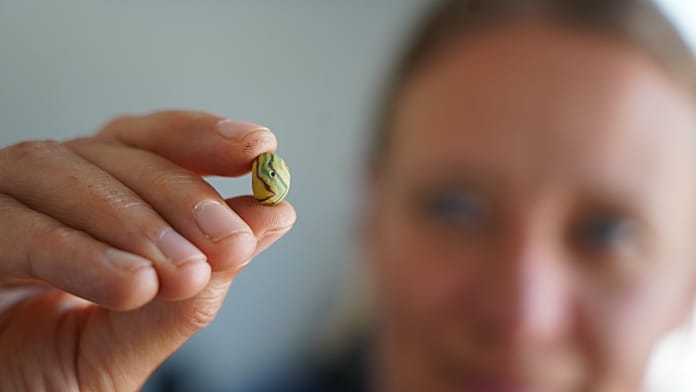
Spectacular find: 1,000-year-old Viking textile workshop unearthed An excavation near Aarhus in Denmark may fundamentally alter how we see the Viking Age: 82 pit houses identified as specialised textile workshops have been uncovered.
euronews · about 3 hours ago
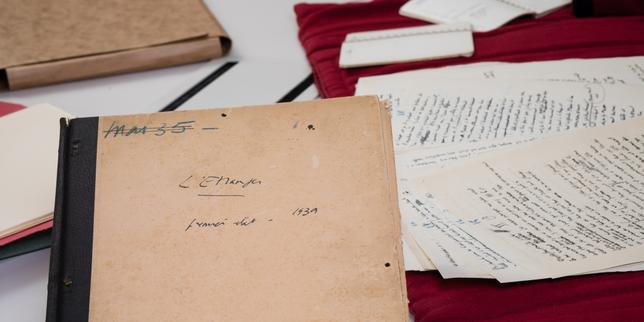
Les archives dAlbert Camus, avec ses manuscrits, ses faux papiers et ses lettres, rejoignent la BNF Ce fonds, jusqualors resté dans la famille de lécrivain, a été acquis pour 9 millions deuros avec laide de la maison Hermès et du CIC.
le monde · about 3 hours ago
„Bile spațiale descoperite pe plajele din Australia. Suspiciuni că ar conține substanțe periculoase Agenția Spațială Australiană încearcă să confirme originea obiectelor găsite pe plajă, în timp ce un arheolog spațial susține că acestea ar putea avea legătură cu lansarea unei rachete.
adevarul · about 3 hours ago
Τέσσερα μαύρα «αυγά» σε βάθος 6.200 μέτρων στον Ειρηνικό έκρυβαν ένα πλάσμα που δεν είχε ξαναδεί η επιστήμη
protothema · about 3 hours ago
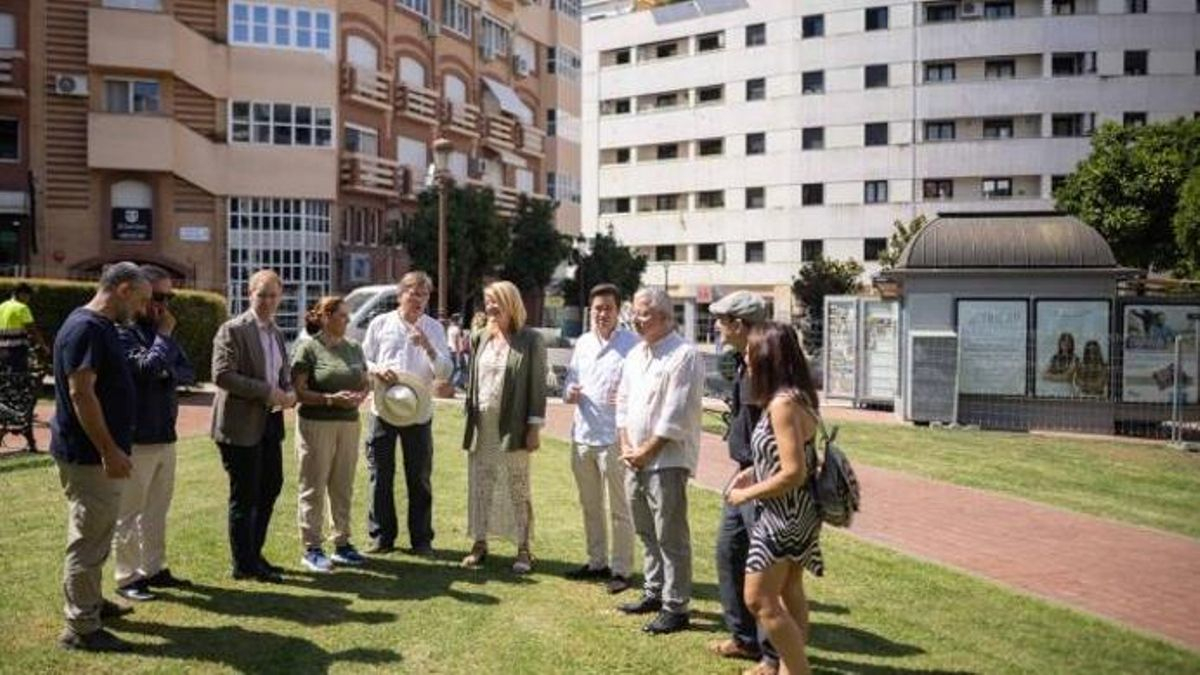
¿Es Huelva la ciudad más antigua de Occidente? Comienzan las excavaciones para confirmarlo El objetivo es estudiar con metodología científica un yacimiento que durante décadas ha proporcionado indicios extraordinariosEl yacimiento extremeño del Turuñuelo saca a la luz los primeros rostros humanos de Tarteso Las excavaciones arqueológicas iniciadas en la plaza de la Vera Cruz de Huelva tienen como objetivo resolver una de las grandes incógnitas de la historia antigua de la península ibérica: ¿puede Huelva ser considerada la ciudad más antigua de Occidente? El Ayuntamiento de Huelva ha dado comienzo a un ambicioso proyecto científico que pretende obtener evidencias arqueológicas sólidas para esclarecer el origen del enclave y su posible papel como uno de los principales núcleos urbanos vinculados a Tarteso, la primera gran civilización de Occidente. La intervención se desarrolla en un espacio conocido popularmente como la plaza Arqueológica, considerado uno de los lugares con mayor potencial arqueológico del Mediterráneo occidental. Los trabajos están liderados por la Universidad de Gante (Bélgica) y cuentan con la participación de investigadores de las universidades de Huelva, Sevilla y Autónoma de Madrid, además de la empresa especializada Ánfora. El objetivo es estudiar con metodología científica un yacimiento que durante décadas ha proporcionado indicios extraordinarios, pero cuyo contexto arqueológico apenas había podido analizarse. De las hipótesis a las pruebas científicas Durante la presentación del proyecto, la alcaldesa de Huelva, Pilar Miranda, destacó lo que supone esta investigación: Dejamos atrás las hipótesis para abrir paso a la investigación científica y al trabajo de un equipo de primer nivel internacional que permitirá conocer con rigor qué esconde el subsuelo de este espacio único. La intención es obtener pruebas que permitan responder a una cuestión que historiadores y arqueólogos llevan décadas debatiendo. Uno de los codirectores científicos de la excavación, el profesor Roald Docter, de la Universidad de Gante, explicó que este proyecto culmina más de veinte años de investigaciones internacionales iniciadas tras el estudio de diversos materiales arqueológicos recuperados en Huelva a finales de la década de 1990. Durante años hemos contado con indicios extraordinarios sobre la antigüedad y la importancia de este enclave, pero ahora tenemos la oportunidad de documentarlos en su contexto arqueológico original; ese es el verdadero valor de esta excavación, señaló. La importancia del yacimiento también radica en los materiales ya conocidos. El profesor Alfredo Mederos Martín, de la Universidad Autónoma de Madrid, recordó que Huelva conserva las cerámicas fenicias y griegas más antiguas documentadas en todo el occidente de Europa. Sin embargo, explicó que el gran reto consiste ahora en recuperar el contexto arqueológico de esos hallazgos, documentar las estructuras con el máximo rigor científico y preservar un patrimonio que puede convertirse en un importante recurso cultural y turístico para la ciudad. Una primera fase para conocer el potencial del yacimiento La primera fase de la investigación se desarrollará durante el mes de julio y consistirá en la realización de dos sondeos estratigráficos en la zona ajardinada de la plaza. Estos puntos han sido seleccionados tras un estudio geofísico realizado por el Ayuntamiento en 2024, que detectó la presencia de estructuras arqueológicas situadas entre uno y dos metros de profundidad. Los trabajos permitirán documentar la secuencia estratigráfica del yacimiento, evaluar el estado de conservación de los niveles arqueológicos y recopilar la información necesaria para planificar futuras campañas de excavación mucho más amplias. Si las expectativas se cumplen, el proyecto llevará a cabo una intervención de mayor alcance que permita conservar los restos y convertir este espacio en un referente patrimonial abierto a la ciudadanía. Más allá de confirmar o no si Huelva puede reclamar el título de ciudad más antigua de Occidente, los investigadores coinciden en que esta excavación representa una oportunidad excepcional para comprender mejor los orígenes de Tarteso y la evolución de uno de los enclaves más relevantes del Mediterráneo occidental.
eldiario.es · about 4 hours ago
The Ancient Greek Tribe of Aetolians That Defeated Alexanders Army The Aetolians were an ancient Greek tribe of hardened hillmen that managed to defeat the mighty army of Alexander the Great
greek reporter · about 4 hours ago
Se știe data la care Soarele va distruge Planeta Pământ. Ce au descoperit oamenii de știință Data sfârșitului lumii a fost stabilită deja, dar mai este mult timp până planeta noastră, Pământ, să fie distrusă.
adevarul · about 4 hours ago
Střílení z praku, hod podkovou nebo tlačení káči. V Zubrnicích si děti zkusily, jak si hráli jejich prarodiče Ve skanzenu v Zubrnicích na Ústecku se v sobotu lidé vrátili do časů, kdy ke hraní stačila jen fantazie a pár kamarádů. Tematický den s názvem „Jak se dříve hrálo" návštěvníkům nabídl tradiční dětské hry našich babiček a prababiček ještě z dob, kdy nebyly mobilní telefony ani počítače.
irozhlas.cz · about 4 hours ago
Science and History of Fermented Foods Around the World
gdeltproject.org · about 5 hours ago
Au Mac Val, la planète mystère de SMITH Dans une exposition évolutive, les photographies thermiques, vidéos ou installations de lartiste dépeignent les mutations dun monde suffocant mais interconnecté et ambitionnent de construire une utopie.
liberation · about 5 hours ago
Descoperire spectaculoasă în deşertul Egiptului: Arheologii au scos la lumină un vechi oraş bizantin Arheologii din Egipt au descoperit un oraş bine conservat din perioada bizantină, în deşertul vestic. Cartierele datând din secolul al IV-lea aveau structuri rezidenţiale şi religioase, inclusiv o biserică, în oaza Dakhla. Arheologii au găsit, de asemenea, monede, fragmente de ceramică şi unelte.
digi24 · about 5 hours ago
Worlds largest science machine faces tough question: after the Higgs boson, what next?
gdeltproject.org · about 5 hours ago
Archeologen ontdekken oude Byzantijnse stad in Egyptische woestijn Archeologen hebben een Byzantijnse stad ontdekt in een woestijn in Egypte. Naast woningen en een kerk werden ook achttien graven ontdekt.
nu.nl · about 5 hours ago

Mysterious debris found on Queensland beaches could be space balls – and may contain toxic rocket fuel
bluesky_The Guardian · about 5 hours ago

Jules César est-il vraiment né par césarienne ? La césarienne, cette intervention chirurgicale visant à extraire un enfant de lutérus maternel par incision, est déjà mentionnée dans les récits mythiques de lAntiquité. Quatrième épisode de notre série : Ces actes chirurgicaux qui remontent à la nuit des temps. ...
la libre · about 5 hours ago
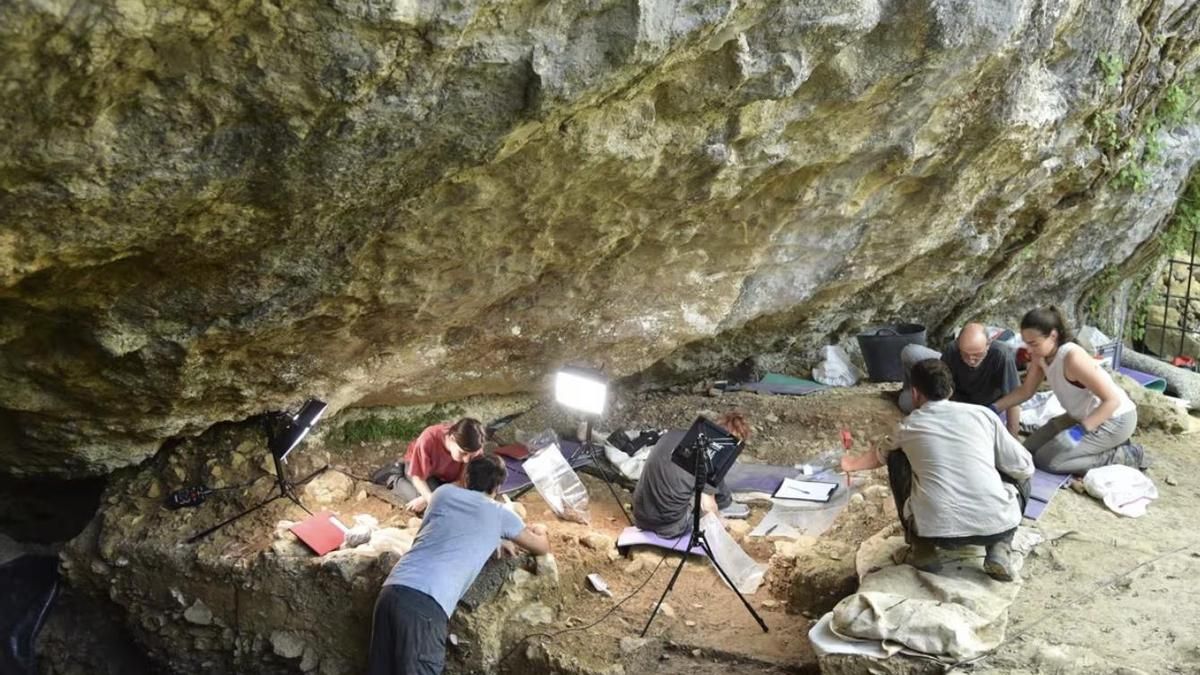
La Universidad de Cantabria desmonta el mito de que los neandertales solo vivían en paisajes helados El estudio se basa en el análisis del yacimiento de Axlor, en Dima (Bizkaia), ocupado por neandertales hace entre 100.000 y 50.000 años.Los neandertales dejaron unas misteriosas marcas con los dedos en esta cueva hace 57.000 años Los neandertales han sido representados tradicionalmente como habitantes de paisajes fríos y esteparios, adaptados a soportar las duras condiciones de las glaciaciones. Sin embargo, una nueva investigación liderada por la Universidad de Cantabria (UC) pone en duda esta teoria y aporta nuevas evidencias de que estas poblaciones también fueron capaces de prosperar en ecosistemas boscosos, montañosos y templados. El estudio, publicado en la revista científica Quaternary Science Reviews, se basa en el análisis del yacimiento de Axlor, en Dima (Bizkaia), ocupado por neandertales hace entre 100.000 y 50.000 años. La investigación ha analizado un total de 33 muestras de sedimento recogidas desde 2019 en este enclave arqueológico, lo que ha permitido identificar cerca de 9.000 microrestos vegetales. Gracias a este registro, los científicos han podido reconstruir con gran detalle el paisaje que rodeaba a los grupos neandertales y elaborar una de las secuencias paleoambientales más completas del suroeste de Europa para ese periodo. Un bosque que convirtió la zona en un refugio ecológico Los resultados muestran que el entorno de Axlor estaba dominado por un bosque templado atlántico, cuya densidad variaba en función de los cambios climáticos. Incluso durante las fases más frías y secas, la cubierta forestal nunca desapareció completamente. Robles, avellanos, abedules o tilos siguieron formando parte del paisaje, lo que convirtió la zona en un auténtico refugio ecológico durante miles de años. Para Talía Lazuen, investigadora del Grupo PALEO de la Universidad de Cantabria y codirectora de las excavaciones de Axlor, estos datos obligan a revisar algunas ideas que se daban por hecho sobre los neandertales. Los resultados demuestran que fueron capaces de habitar ecosistemas boscosos, montañosos y más templados, con una gran disponibilidad de recursos, explica. Según la investigadora, el estudio cuestiona los modelos tradicionales que limitaban la presencia de estas poblaciones a ambientes fríos y abiertos. Los investigadores también destacan del estudio que la presencia constante de humedad ambiental y de cursos de agua contribuyó a mantener un entorno especialmente rico en recursos vegetales y animales. Estas condiciones facilitaron una ocupación humana prolongada y permitieron que los grupos neandertales explotaran intensivamente los recursos disponibles sin necesidad de desplazarse constantemente en busca de alimento. Axlor, un referente para comprender el Paleolítico Medio El trabajo también ha servido para destacar la gran importancia científica del yacimiento de Axlor. Su estado de conservación y la calidad del registro paleoambiental convierten este enclave vizcaíno en uno de los lugares de referencia para estudiar la relación entre el clima, el paisaje y las sociedades humanas durante el Paleolítico Medio. Sebastián Pérez-Díaz, profesor del Departamento de Geografía, Urbanismo y Ordenación del Territorio de la Universidad de Cantabria, destaca el valor excepcional del registro obtenido. Existen pocos registros palinológicos con esta longitud, calidad y densidad en contextos arqueológicos, explica. La información recuperada permite reconstruir con una precisión poco habitual la evolución de la vegetación y del entorno durante decenas de miles de años. Más allá de describir cómo era el paisaje del norte peninsular en aquella época, la investigación refuerza una idea cada vez más respaldada por la arqueología: los neandertales fueron una especie mucho más versátil y adaptable de lo que durante décadas se creyó. Lejos de limitarse a sobrevivir en entornos glaciares, supieron aprovechar bosques templados ricos en recursos y adaptarse a escenarios cambiantes, una capacidad que ayuda a comprender mejor su estancia durante cientos de miles de años en Europa.
eldiario.es · about 6 hours ago
Tallinn Old Town is sinking Buildings in Tallinns Old Town have begun to subside and the city is working to identify the causes and find solutions as part of its Old Town development plan.
news.err · about 6 hours ago

Uma virgem misteriosa e um carpinteiro: os pais de Jesus Numa aldeia irrelevante e numa família improvável, nasceu Jesus, figura que mudou o rumo da História. O dogma da virgindade de Maria e o papel dos pais no novo episódio de "As Histórias da Bíblia".
observador · about 7 hours ago
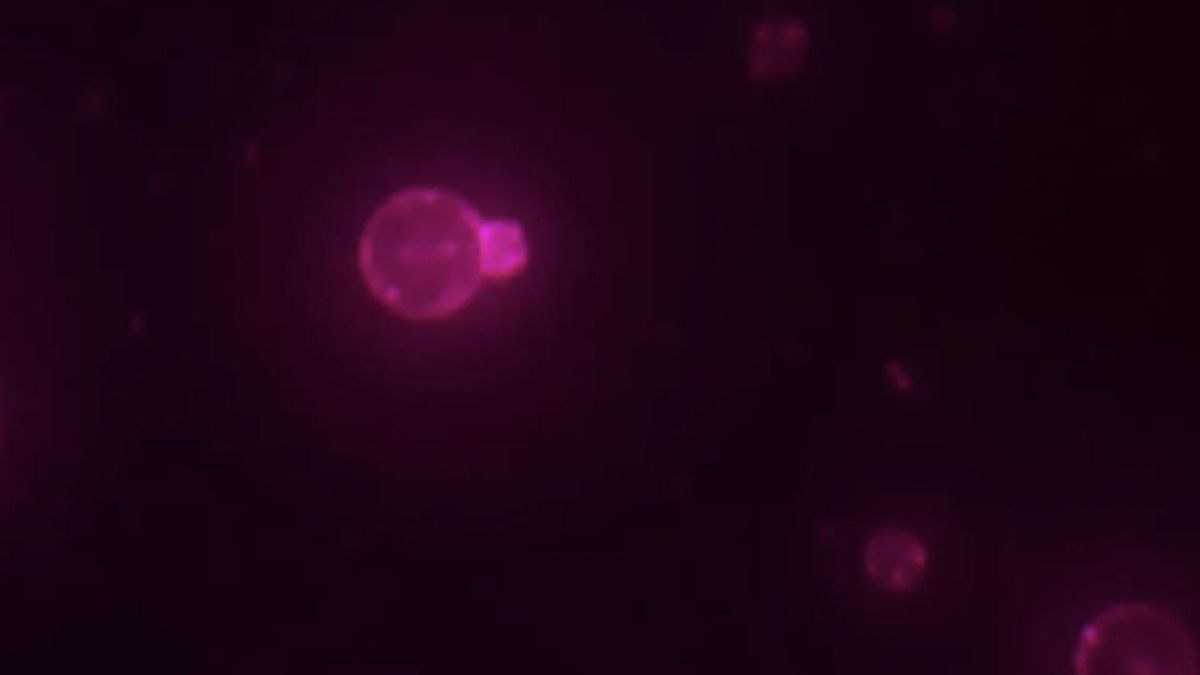
Científicos estadounidenses crean desde cero una célula con un ciclo de vida completo SpudCell está formada por 90.000 pares de bases, muy por debajo de los aproximadamente 3.000 millones que posee el genoma humano El primer trasplante de organoides renales humanos en cerdos abre una nueva vía para la medicina regenerativa Un equipo internacional del proyecto SpudCell, con participación de la Universidad de Minnesota (Estados Unidos), ha desarrollado la primera célula sintética capaz de completar un ciclo de vida completo utilizando únicamente componentes químicos no vivos. Hasta ahora, los científicos habían logrado reproducir en el laboratorio funciones aisladas propias de los seres vivos, como el crecimiento, la replicación del ADN o el aprovechamiento de energía. Sin embargo, integrar todos esos procesos en un único sistema artificial seguía siendo uno de los grandes desafíos de la biología sintética. El proyecto SpudCell asegura haber superado esa barrera al desarrollar una célula capaz de ejecutar de manera coordinada las funciones esenciales de la vida. Un sistema sintético que también puede evolucionar Según explican desde la Universidad de Minnesota, estas células reproducen el ciclo completo de una célula biológica: seleccionan y replican su genoma, crecen, adquieren recursos mediante la alimentación y finalmente se dividen para dar lugar a nuevas generaciones. Hemos reproducido en química lo que antes solo era posible en biología: el conjunto completo de comportamientos de una célula. Esto demuestra que las funciones más fundamentales de la vida, como el crecimiento y la replicación, no necesitan una misteriosa chispa mágica, afirma Kate Adamala, una de las investigadoras responsables del proyecto. Uno de los aspectos más novedosos del trabajo es la forma en que estas células sintéticas consiguen dividirse. A diferencia de las células naturales, que emplean un citoesqueleto para completar este proceso, las SpudCell utilizan un mecanismo alternativo basado en proteínas que se acumulan sobre la membrana celular hasta provocar su separación. Esta es una estrategia completamente distinta, que deja claro que hay diferentes caminos para realizar una misma función biológica. Así es el proceso de división de la célula sintética SpudCell Los investigadores, además, fueron un paso más allá al modificar genéticamente algunas de estas células para favorecer un crecimiento más rápido. El resultado fue que esas variantes produjeron más descendencia y, tras cinco generaciones, desplazaron a las originales. Cuando los nutrientes escaseaban, esa ventaja competitiva aumentaba todavía más, mostrando que la selección natural y la competencia también pueden surgir en un sistema químico completamente artificial. Un genoma mínimo con aplicaciones futuras Otra de las características más llamativas de estas células es el tamaño de su genoma. Está formado por 90.000 pares de bases, muy por debajo de los aproximadamente 3.000 millones que posee el genoma humano e incluso inferior a los 113.000 pares de bases que muchos investigadores consideraban el mínimo indispensable para una célula viva. Además, el material genético no se organiza en un único cromosoma, sino en siete plásmidos independientes, una estructura modular que permite programar distintas funciones por separado. Los responsables del proyecto creen que este diseño facilitará el desarrollo de futuras aplicaciones. Entre ellas destacan la posibilidad de fabricar moléculas imposibles de obtener mediante la química industrial convencional, producir compuestos terapéuticos de gran precisión o desarrollar nuevas herramientas para la medicina molecular y la bioingeniería. A medida que estas células evolucionen, podrían tener comportamientos biológicos cada vez más complejos. Pese al entusiasmo, los investigadores insisten en que el trabajo representa únicamente un primer paso. Estamos demostrando que es posible diseñar las funciones básicas de la célula. Para hacer realidad plenamente el potencial de esta tecnología y conseguir que sea robusta y práctica, necesitamos un esfuerzo internacional conjunto, cuenta Adamala. Con ese objetivo, el equipo ha impulsado la creación de Biotic, una organización sin ánimo de lucro destinada a coordinar el desarrollo responsable de células sintéticas y establecer estándares comunes para una tecnología que podría transformar la biología en las próximas décadas.
eldiario.es · about 7 hours ago
Kašna „turistka. Restaurátoři opravili Delfínovu kašnu v Olomouci, za 300 let stála na několika místech Delfínova kašna z první poloviny 18. století je opravena. Restaurátoři zpevnili poškozená místa, odstranili graffiti z kovových prvků a ošetřili schodiště kolem nádrže. Oprava stála 48 tisíc korun.
irozhlas.cz · about 7 hours ago

Archaeologists uncover ancient Byzantine city in Egypts western desert
bluesky_The Guardian · about 9 hours ago
ZDF-Sendung: Rätsel um verschwundenen Familienvater: «XY» greift Fall auf
die zeit · about 9 hours ago
The Death of Ancient Greek Philosopher Anaxarchus Still Astonishes Historians to This Day The life and death of the Greek philosopher Anaxarchus remain among the most astonishing episodes in the ancient world with intellectual detachment, political entanglement, and physical endurance colliding in a story that borders on the unbelievable. Not many accounts from antiquity stop you in your tracks quite like Anaxarchus final moments. He was a […]
greek reporter · about 10 hours ago
37 de turiști polonezi au fost escortați de jandarmi după întâlnirea cu o ursoaică și puiul ei pe un traseu din Munții Călimani Un grup de 37 de turiști polonezi a fost escortat, sâmbătă, de jandarmii montani din Vatra Dornei până la autocar, după ce pe traseul pe care îl parcurgeau a apărut o ursoaică cu un pui.
adevarul · about 11 hours ago