
Budapests Pest embankment permit clears way for greener riverfront redesign
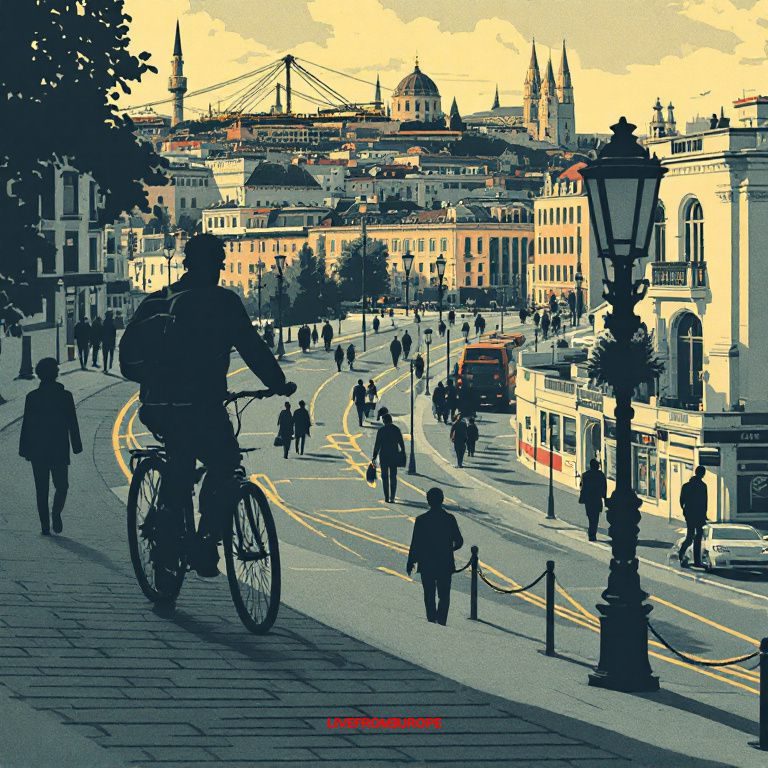
After years of delay, Budapest’s Pest embankment is finally set to undergo a long-awaited transformation following the approval of a key permit on Monday, city transport officials confirmed. The Budapest Transport Centre (BKK) announced that the reconstruction of the Pest side of the Danube riverbank will prioritise greener public spaces, improved pedestrian access, and better cycling infrastructure, marking a significant step toward the project’s realisation after two years of regulatory hurdles.
The permit, secured on 29 June 2026, clears the way for a redesign that promises to reconnect the city with its riverfront, a stretch long criticised for its car-centric layout and limited accessibility. According to BKK, the revamped embankment will feature widened walkways, new cycling lanes, and enhanced green areas, alongside improved connections to public transport hubs. “This is not just about aesthetics,” a BKK spokesperson told local media. “It’s about making the Danube part of everyday life for Budapest’s residents.”
The project has been a focal point of urban planning debates in the Hungarian capital, where critics have long argued that the embankment’s current configuration prioritises vehicle traffic over public use. The approval comes amid broader discussions about sustainable urban mobility in Budapest, where cycling infrastructure has expanded rapidly in recent years but remains unevenly distributed across districts.
While the permit represents a major milestone, the timeline for construction has not yet been finalised. BKK officials indicated that detailed planning and public procurement processes could extend into late 2026, with work expected to begin in early 2027. The project is part of a wider initiative to reimagine Budapest’s riverfronts, including ongoing efforts to revitalise the Buda side of the Danube.
The announcement follows years of advocacy by environmental groups and urban planners who have pushed for a more inclusive approach to the embankment’s development. Supporters of the project argue that it could serve as a model for other Hungarian cities grappling with similar challenges of balancing urban density, mobility, and public space.
As Budapest prepares for the next phase of the embankment’s transformation, the city’s transport authorities have pledged to engage with local communities throughout the process to ensure the final design meets the needs of residents and visitors alike. The project’s success, they say, will hinge on both the quality of the infrastructure and the inclusivity of its planning.
Follow us for live European news
- 3
- 2
- 1
- 1
- 1
- 1
- 1
- 1
1 further source not geolocated
Articles

Una dintre cele mai aglomerate intersecții din București va fi reconfigurată. Lucrările vor dura 12 luni Fluxurile de trafic vor fi regândite și se vor crea benzi noi de circulație în intersecția dintre Șoseaua Colentina – Șoseaua Fundeni – Șoseaua Andronache – strada Gherghiței. Proiectul a fost aprobat azi în Consiliul General al Municipiului București. Încă din mandatul primarului Adriean Videanu (2005-2008) s-a discutat ca în această intersecție, una dintre cele …
hotnews.ro · about 3 hours ago
București este lider național la spații verzi și pe ultimele locuri în topul european | Analiză Storia București are în medie mai puține spații verzi comparativ cu cele mai multe capitale europene, însă pe de altă parte beneficiază de cea mai mare pondere de spații verzi dintre marile orașe ale României. Spațiile verzi joacă un rol tot mai important pentru potențialii cumpărători ai unei locuințe situate în mediul urban, mai ales în …
hotnews.ro · about 3 hours ago
Stát prodal pozemky u hotelu Horal ve Špindlerově Mlýně za 176 milionů korun Dosud státní pozemky v areálu hotelu Horal v největším krkonošském středisku Špindlerův Mlýn koupil za 176 milionů korun vlastník hotelu. Na pozemky, které dal Úřad pro zastupování státu ve věcech majetkových (ÚZSVM) do elektronické aukce, vlastník hotelu v aukci uplatnil předkupní právo. ÚZSVM to uvedl v tiskové zprávě.
irozhlas.cz · about 3 hours ago
Řidiče na tahu mezi Brnem a Uherským Hradištěm nově kontrolují radary. Jsou až na třech úsecích Řidiči jedoucí po frekventované silnici I/50 přes Buchlovské hory spojující Brno a Uherské Hradiště by měli sundat nohu z plynu. Na několika místech tam totiž začalo v ostrém provozu fungovat úsekové měření.
irozhlas.cz · about 3 hours ago
Steuerrecht: Berlin sucht nach Lösung für hohe Grundsteuern Gerade Kultur- und Freizeiteinrichtungen in Berlin sind durch deutlich höhere Grundsteuern hart getroffen. Was der Senat im Bundesrat für sie bewegen will – und warum das nicht nur Berlin betrifft.
tagesspiegel · about 3 hours ago
Ringen um Potsdams Kreativhaus Rechenzentrum: Jetzt ist Kompromissfähigkeit gefragt Bei der Abstimmung zum Weiterbetrieb des Rechenzentrums geht es am Mittwoch um mehr als 300 Nutzer – und um die Frage, ob linke Kommunalpolitiker der AfD einen Triumph verschaffen.
tagesspiegel · about 3 hours ago
Pride Month: U-Bahnhof Nollendorfplatz heißt „im Regenbogenkiez Buntes Zeichen in Berlin: Der Nollendorfplatz feiert den Pride Month mit leuchtenden Farben und neuem Namen. Die BVG hat sich für rund einen Monat etwas Besonderes ausgedacht.
tagesspiegel · about 3 hours ago
Pankow hält „Ausgehviertel für rechtswidrig: Berlins neues Gaststättengesetz – gerade beschlossen und hochumstritten Berlinweit sollen Gebiete ausgewiesen werden, in denen nachts länger gefeiert werden darf. Pankows Bezirksamt sieht einen Verstoß gegen Bundesrecht. Der Senat kontert und verteidigt sein Vorgehen.
tagesspiegel · about 3 hours ago
U-Bahn-Haltestelle „Regenbogenkiez: Berliner Nollendorfplatz hat nun einen Namenszusatz Die BVG ergänzt den U-Bahnhof Nollendorfplatz um den Zusatz „Regenbogenkiez. Rechtzeitig zum Lesbisch-Schwulen Stadtfest und zum CSD soll damit die besondere Bedeutung des Viertels für die queere Community sichtbarer werden.
tagesspiegel · about 3 hours ago
PSD vrea să elimine contractele de comodat din ridesharing. Ce s-ar putea schimba pentru șoferii de Uber și Bolt Mașinile folosite în baza unor contracte de comodat ar putea dispărea din transportul alternativ, după ce zeci de parlamentari PSD au depus la Senat un proiect de lege care înăsprește regulile pentru platformele de ridesharing precum Uber și Bolt. Potrivit inițiatorilor, actualul sistem îngreunează controalele autorităților, creează riscuri de evaziune fiscală și generează o concurență neloială în raport cu operatorii de taxi.
digi24 · about 3 hours ago
Há dez mil vouchers gratuitos para viagens para jovens (com alojamento) A segunda fase da campanha ANDA Conhecer Portugal, destinada a jovens de até 30 anos, dá direito a sete dias de viagens de comboio ilimitadas e acomodação com pequeno almoço em Pousadas de Juventude.
publico · about 3 hours ago

Wien soll Zentrum für gesunde und klimafitte Ernährung im Alpenraum werden Die Umweltschutz-Abteilung der Stadt Wien koordiniert das neue Projekt im Rahmen des Interreg-Programms Alpenraum
der standard · about 3 hours ago
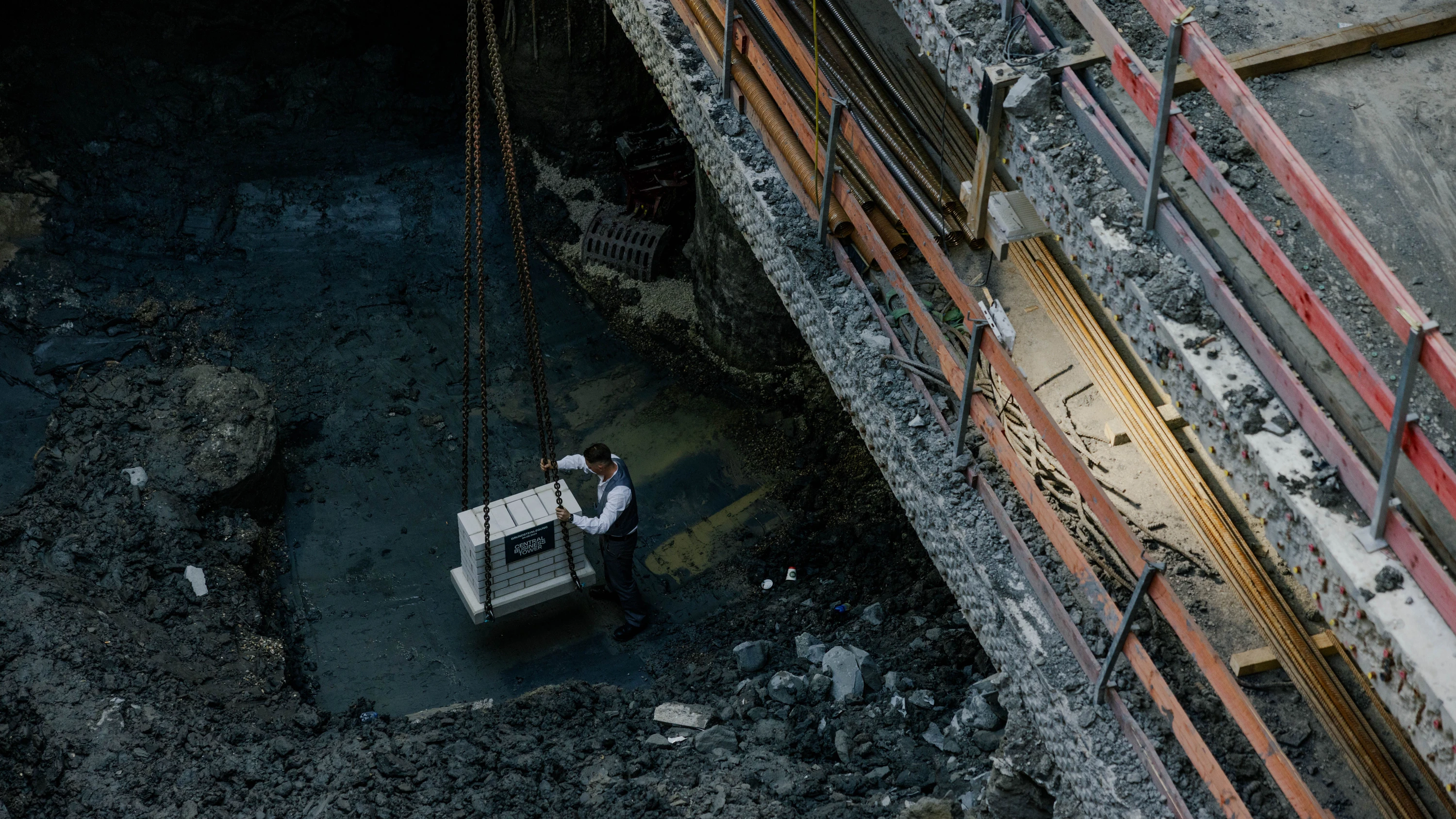
Leben im früheren Büro: Was bremst den Umbau von Gewerberäumen zu Wohnungen? Volle Wohnungen statt leere Büros: In Deutschland soll Fördergeld den Umbau ankurbeln, doch Brandschutz und Kosten sind hohe Hürden. Taugt New York als Vorbild?
faz · about 3 hours ago
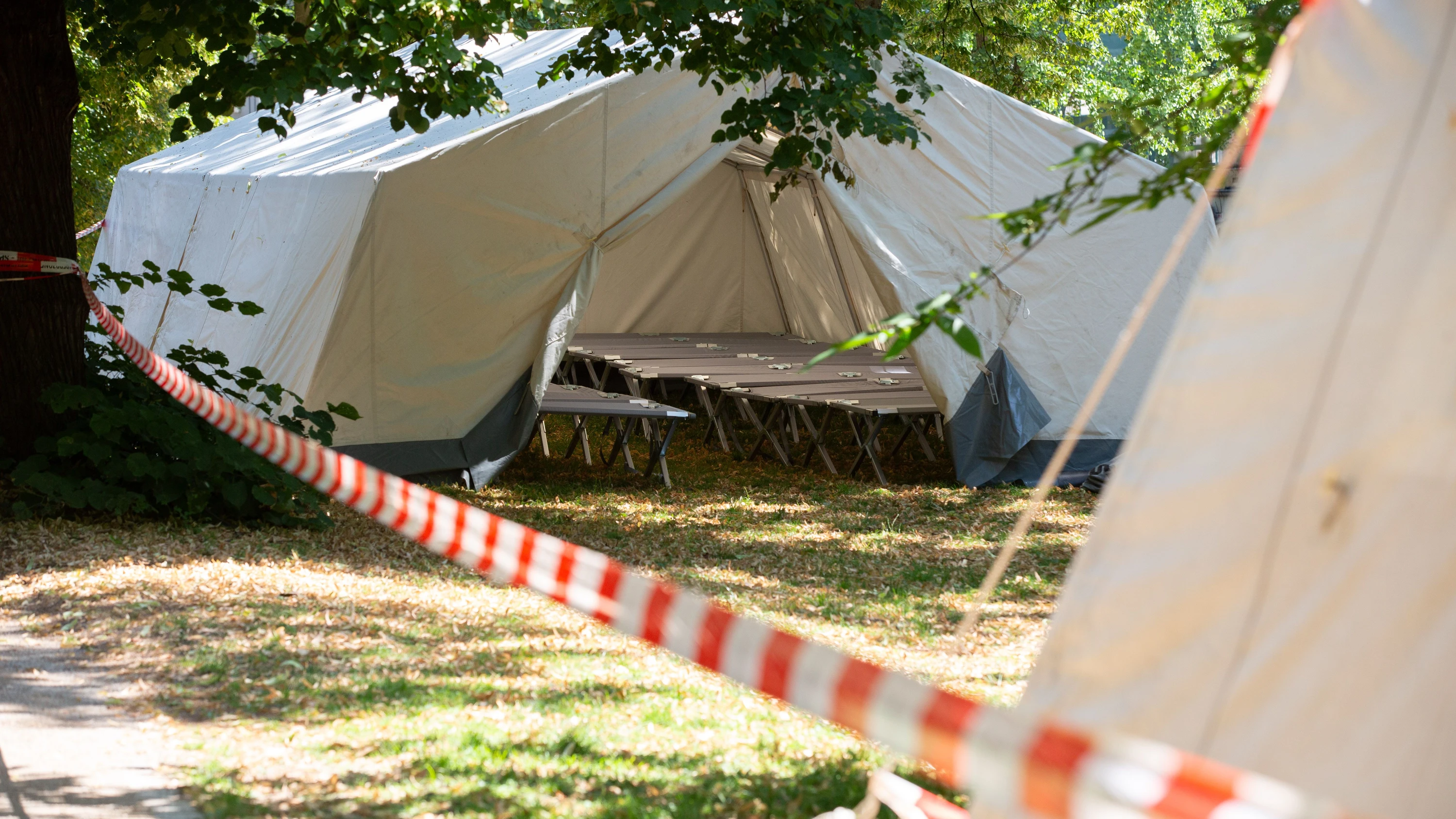
Rhein-Main-Feierabendbriefing: Notunterkunft geschlossen: Zeltstadt für Obdachlose mitten in Frankfurt Notlösung für Obdachlose in Frankfurt, Stellenstreichungen bei VW, Tausende wollen Hape Kerkeling als Bundespräsident und Keltengräber in Nidderau entdeckt. Der F.A.Z.-Podcast Rhein-Main Feierabend-Briefing informiert über die Themen der Region.
faz · about 3 hours ago
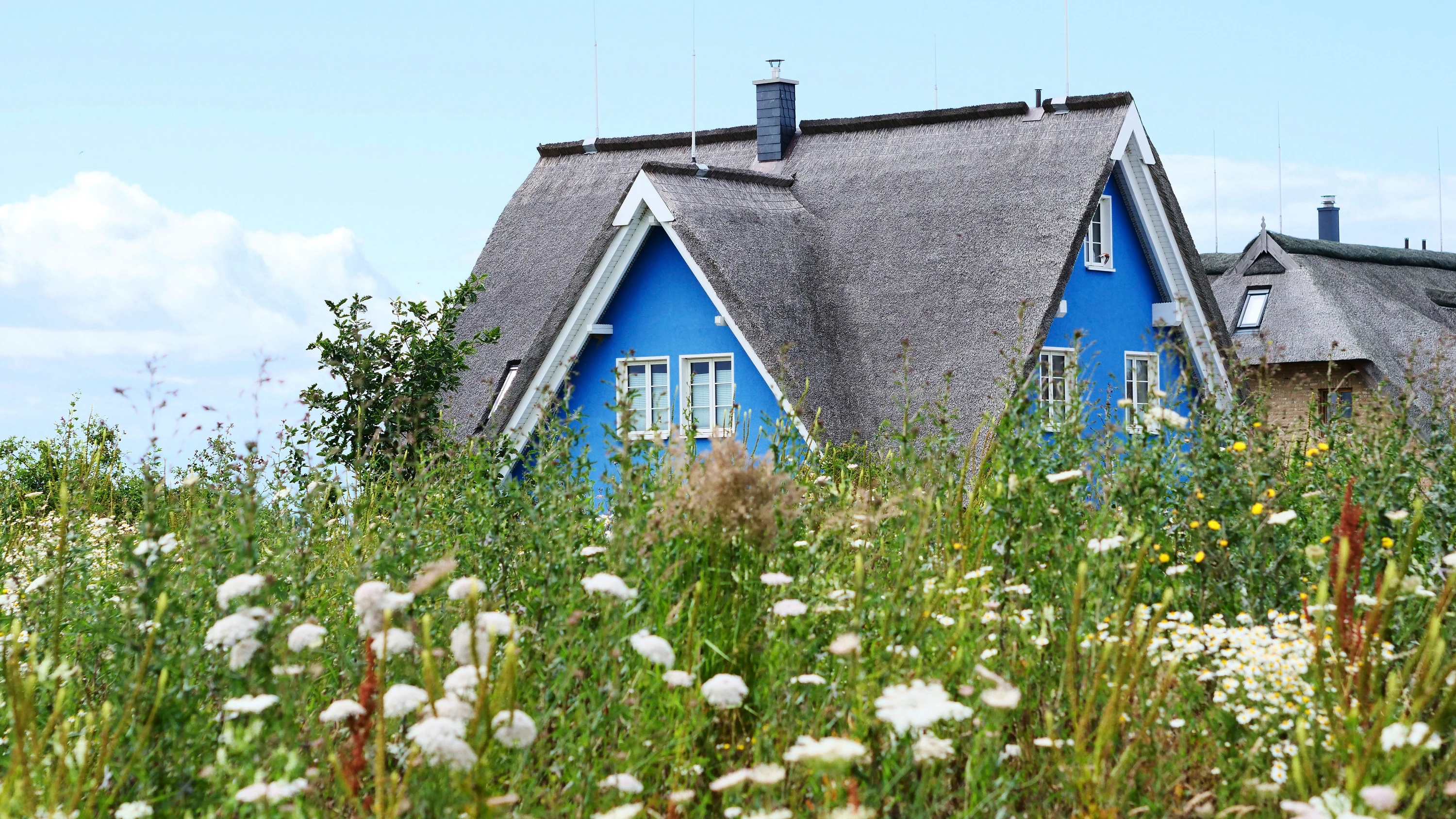
Reform Überfällig: Warum die Erbschaftsteuer neu erfunden werden muss Die Erbschaftsteuer soll Gerechtigkeit schaffen – tut sie aber nicht. Sie besteuert Werte, die der Erbe nicht besitzt, steckt voller Schlupflöcher und bringt kaum Einnahmen. Der Steuerrechtsprofessor Gregor Kirchhof plädiert für einen radikalen Systemwechsel.
faz · about 3 hours ago

A Bruxelles, Les Engagés veulent augmenter le prix des sacs-poubelle et réintroduire une taxe forfaitaire : "Cest peut-être impopulaire..." Des sacs-poubelle à 20 centimes à Bruxelles… contre plus de 1 € dans les autres villes du pays. Pour Mounir Laarissi, le système actuel à Bruxelles est un non-sens. Le député Engagés plaide pour une hausse du prix du sac et linstauration dune taxe forfaitaire. ...
la libre · about 3 hours ago
Statistik: Wohnungsbestand erhöht sich langsamer als in den Vorjahren In Berlin sind im vergangenen Jahr rund 10.000 neue Wohnungen entstanden. Der Zuwachs ist geringer als in den Vorjahren.
tagesspiegel · about 3 hours ago
An der Lennéschen Feldflur im Potsdamer Norden: EWP baut neue Fernwärmeleitung für zehn Millionen Euro Bauarbeiten im Potsdamer Norden stehen in Zusammenhang mit der geplanten Erweiterung des Klärwerks am Lerchensteig. Ein wichtiger Teil dieses Projekts ist allerdings abgesagt.
tagesspiegel · about 3 hours ago
60 neue Luxuswohnungen in Berlin-Dahlem: Zugleich sinken in der Hauptstadt die Kaufpreise für Top-Wohnungen Jetzt wurde Richtfest gefeiert: In bester Wohnlage sollen „edle Natursteinflächen und eine „elegante Atmosphäre betuchte Käufer locken. Was genau geplant ist – und wie nachhaltig das ist.
tagesspiegel · about 3 hours ago
Stațiile STB din București vor fi modernizate pentru protecție sporită împotriva caniculei Consilierii generali ai Capitalei au adoptat, marți, o hotărâre prin care stațiile STB vor fi adaptate pentru a oferi mai multă protecție călătorilor în perioadele de caniculă.
digi24 · about 3 hours ago
Wat leverden de slavernijexcuses van Amsterdam op? De zaadjes zijn geplant, maar kregen nog niet genoeg water Burgemeester Femke Halsema bood op 1 juli 2021 namens het stadsbestuur excuses aan voor het slavernijverleden van de hoofdstad. Vijf jaar na dato gelden de Amsterdamse excuses nog altijd als historisch, maar de beloofde herstelmaatregelen wachten nog op uitvoering.
nrc · about 3 hours ago
Ciprian Ciucu avertizează că Primăria Generală riscă să intre în faliment: „O treime din buget se duce pe subvenţia la termoficare. ELCEN doarme în papuci Primarul general Ciprian Ciucu avertizează că Primăria Capitalei se apropie de un punct critic din punct de vedere financiar, în condițiile în care două treimi din bugetul municipalității sunt consumate de subvențiile pentru transportul public și termoficare.
adevarul · about 3 hours ago
O nouă etapă pentru turismul la Castelul Bethlen-Haller: 2.600 metri pătrați de terase modernizate cu pergole retractabile Sun Leader În peisajul nobil al Transilvaniei, unde tradiția viticolă se împletește cu istoria veche de secole, Castelul Bethlen-Haller rămâne un simbol viu al excelenței și tradițiilor românești.
adevarul · about 3 hours ago
Občinstvo "odplavljene" predstave Turandot si lahko izbere vstopnico za drugo predstavo Direktor in umetniški vodja Festivala Ljubljana Darko Brlek je sporočil, da bodo obiskovalci otvoritvene predstave letošnjega Ljubljana festivala, opere Turandot, svoje vstopnice lahko zamenjali za eno od treh festivalskih predstav v Gallusovi dvorani.
rtv slovenia · about 4 hours ago
Na Jesenicku otevírá nonstop infocentrum. Má lákat návštěvníky do míst, která netrpí overturismem Do Jeseníků zamíří jen v letní sezoně víc než milion turistů. Nově mohou využít oblastní infocentrum, které otevřelo v pondělí v Lipové-lázních. Pomoci má dalšímu rozvoji cestovního ruchu, který se po povodních z roku 2024 postupně vrací do normálu. Centrum je navíc otevřené nonstop, zájemcům bude sloužit třeba i pro tipy na výlety po regionu.
irozhlas.cz · about 4 hours ago
‚Chybí mi langoše. Staré koupaliště Džbán schází návštěvníkům areálu na protilehlém břehu Uzavřené koupaliště Džbán v Praze 6 by mohlo odkoupit hlavní město. Teď ho vlastní soukromá společnost. „V tuhle chvíli jsou tomu jednání otevření. Hlavní město nebo orgány zastupitelstva už to projednávaly několikrát a v tuto chvíli je debata o ceně, přibližuje pro Rádio Praha místostarosta městské části Petr Prokop z hnutí STAN. Praha 6 i letos provozuje pláž Džbán na jižní straně přírodního koupaliště.
irozhlas.cz · about 4 hours ago

La plaza de Cáceres que se convirtió en el hogar de producciones como La casa del dragón y Juego de Tronos Por temporadas, la Plaza de San Jorge se ha transformado en parte de Desembarco del Rey, la capital de esta ficciónMurcia como escenario de cine: hace casi 15 años, Ridley Scott viajó hasta esta localidad para rodar una de sus películas En la séptima temporada de Juego de Tronos, Cersei Lannister (alerta spoiler) pasa buena parte del tiempo pensando cómo vengar la muerte de Myrcella, su única hija. Y pocas cosas se le resisten a la reina madre, aunque realmente la corona la porte su hijo Tommen. Finalmente, Euron Greyjoy le entrega a Ellaria y Tyene Arena, que desfilan maniatadas por las calles de la capital. Esa es una de las muchas escenas que ocurren en Desembarco del Rey, como se le llama a la capital en la ficción creada por David Benioff y D. B. Weiss. La ciudad era real y las calles no tenían nada que ver con un decorado. Para recrear la capital de los siete reinos, se eligió Dubrovnik (Croacia) y Cáceres, casi el segundo hogar de este exitoso universo mágico. También la Plaza de San Jorge. Tras el final de Juego de Tronos, HBO Max estiró el chicle, volvieron a Cáceres y se estrenó La casa del dragón, una serie ambientada doscientos años antes y que cuenta la historia y los encarnizados enfrentamientos que protagonizaron los miembros de la Casa Targaryen, a lomos de sus dragones. Una de las escenas de la séptima temporada de Juego de Tronos En esta segunda serie, la plataforma de streaming recuperó Desembarco del Rey para grabar coronaciones, traiciones e intrigas ideadas por la Casa Hightower. Y parte de su rodaje de las dos primeras temporadas volvió a trasladarse a Cáceres y a la icónica Plaza de San Jorge. Para la tercera entrega, que se ha estrenado este mes de junio en HBO Max, no se ha informado de que se hayan utilizado las habituales localizaciones. De esta forma, el Desembarco del Rey cacereño se ha tomado un descanso de dragones, caballeros, reyes y conspiraciones. La socorrida Plaza de San Jorge La Plaza de San Jorge se ha convertido varias veces en el hogar del universo inspirado en las novelas de George R. R. Martin, bien sea para Juego de Tronos o para La casa del dragón. Siempre como la capital, Desembarco del Rey. Tampoco es la primera vez que otras producciones (películas o series) eligen este emblemático rincón de la ciudad extremeña. Plaza de San Jorge en Cáceres Pero, por encima de cualquier producción cinematográfica de éxito, la Plaza de San Jorge es un lugar cargado de historia. De acuerdo con el consistorio, este pequeño espacio surgió de la restauración que se llevó a cabo entre los años 1965 y 1966. El otro punto de atención está en las escaleras, porque en una hornacina se encuentra la imagen de San Jorge, patrón y caballero al que se le atribuye la reconquista de la ciudad. Debajo de él, un dragón con el que acabó, de acuerdo con la leyenda. Al fondo de la plaza, ubicada en pleno casco histórico de Cáceres, declarado a su vez como Patrimonio de la Humanidad por la Unesco, el visitante o el vecino puede contemplar la imponente Iglesia barroca de San Francisco Javier.
eldiario.es · about 4 hours ago
Debatte über Facharzt für Rettungsstellen: Schreiben Berlins Ärzte deutsche Medizingeschichte? In Berlin könnte die erste Ärztekammer Deutschlands die Einführung eines Facharztes für Notfall- und Akutmedizin anstoßen. Die Entscheidung hätte bundesweite Bedeutung.
tagesspiegel · about 4 hours ago
Umfangreiche Sanierung nötig: Görlitzer Brücken zwischen Alt-Treptow und Kreuzberg ab Mittwoch gesperrt Täglich queren viele Radfahrer und Fußgänger die Görlitzer Brücken. Ab morgen wird das erst mal nicht mehr möglich sein.
tagesspiegel · about 4 hours ago
Herumliegenden Roller in Berlin: Bündnis fordert feste Stationen für E-Scooter ab 2027 E-Scooter können in Berlin fast überall abgestellt werden. Oft liegen sie kreuz und quer auf dem Boden. Das muss sich ändern, fordern rund 40 Organisationen – und haben einen konkreten Vorschlag.
tagesspiegel · about 4 hours ago