 Sunday, June 7Sunday, June 7
Germany’s humiliating defeat in the UN Security Council vote on Wednesday has triggered a political earthquake in Berlin, with Foreign Minister Johann Wadephul (CDU) calling it a “bitter setback” and opposition parties demanding immediate cuts to Germany’s annual UN contributions. In a closed ballot, Austria and Portugal secured the two non-permanent seats reserved for Western European states, leaving Germany empty-handed for the first time in decades. Wadephul, who led the campaign, told reporters in Mexico City that the result “reflects a failure of German diplomacy,” while Chancellor Friedrich Merz (CDU) faced cross-party criticism over the government’s handling of the bid.
The diplomatic rout came just days after Washington and Brussels failed to agree on a successor to Christian Schmidt, the departing High Representative for Bosnia-Herzegovina. Schmidt, whose mandate expires this month, had been the last German to hold the post; his departure leaves the EU and the US deadlocked over who should replace him. A Reuters report cited unnamed diplomats warning that Washington may impose unilateral measures if no consensus emerges by the end of June.
Back in Berlin, Wadephul swiftly ruled out any reduction in Germany’s annual UN dues, which total roughly €1.2 billion. “Germany remains fully committed to multilateralism,” he told the *Süddeutsche Zeitung* , pushing back against calls from the Left Party and parts of the Greens to rethink the payments. The *Frankfurter Allgemeine* reported that Wadephul, en route to Mexico for a bilateral meeting, sought symbolic solace in a priestly blessing—an image that underscored the depth of the political damage.
The twin setbacks have exposed fissures within the governing coalition. Merz, already under pressure over domestic policy missteps in Berlin, now faces scrutiny over his stewardship of foreign affairs. The opposition AfD seized on the moment, with co-leader Alice Weidel demanding Wadephul’s resignation and a parliamentary inquiry into the Security Council bid. Meanwhile, the *Zeit* noted that the debacle has revived long-standing debates about Germany’s strategic weight in global institutions, with some analysts arguing that Berlin’s reliance on EU solidarity may have backfired.
Wadephul, however, insists the government will press ahead. His next stop is Mexico, where he is expected to sign a bilateral energy cooperation deal. Yet the shadow of the UN vote looms large: in a rare admission of vulnerability, the foreign minister conceded that “diplomatic muscle is not built overnight.” With the EU’s migration pact set to take effect on 12 June—a milestone Migration Commissioner Brunner called “a very good step forward”—Berlin’s foreign policy credibility will be tested further in the coming weeks.
Germany loses UN Security Council seat: Foreign Minister Wadephul faces calls to resign

Wadephul in Mexiko: Nach der Schlappe sucht Wadephul den Segen Ein Priestersegen ersetzt keinen Sitz im Sicherheitsrat. Nach der Blamage in New York findet Johann Wadephul in Mexiko Trost im bilateralen Alltag.
faz · 2 days ago

USA: Ska ompröva närvaro i Bosnien-Hercegovina USA kommer att ompröva sin närvaro i Bosnien-Hercegovina efter misslyckade förhandlingar kring utnämningen av en ny hög representant i landet, uppger det amerikanska utrikesdepartementet.
svenska dagbladet · 2 days ago
Brunner: Große europäische Migrationswende auf sehr gutem Weg Der neue EU-Asyl- und Migrationspakt werde zum Starttag 12. Juni nicht zu „100 Prozent funktionieren, ist Migrationskommissar Brunner überzeugt. Er sieht jedoch den Willen zur Umsetzung.
die presse · 2 days ago
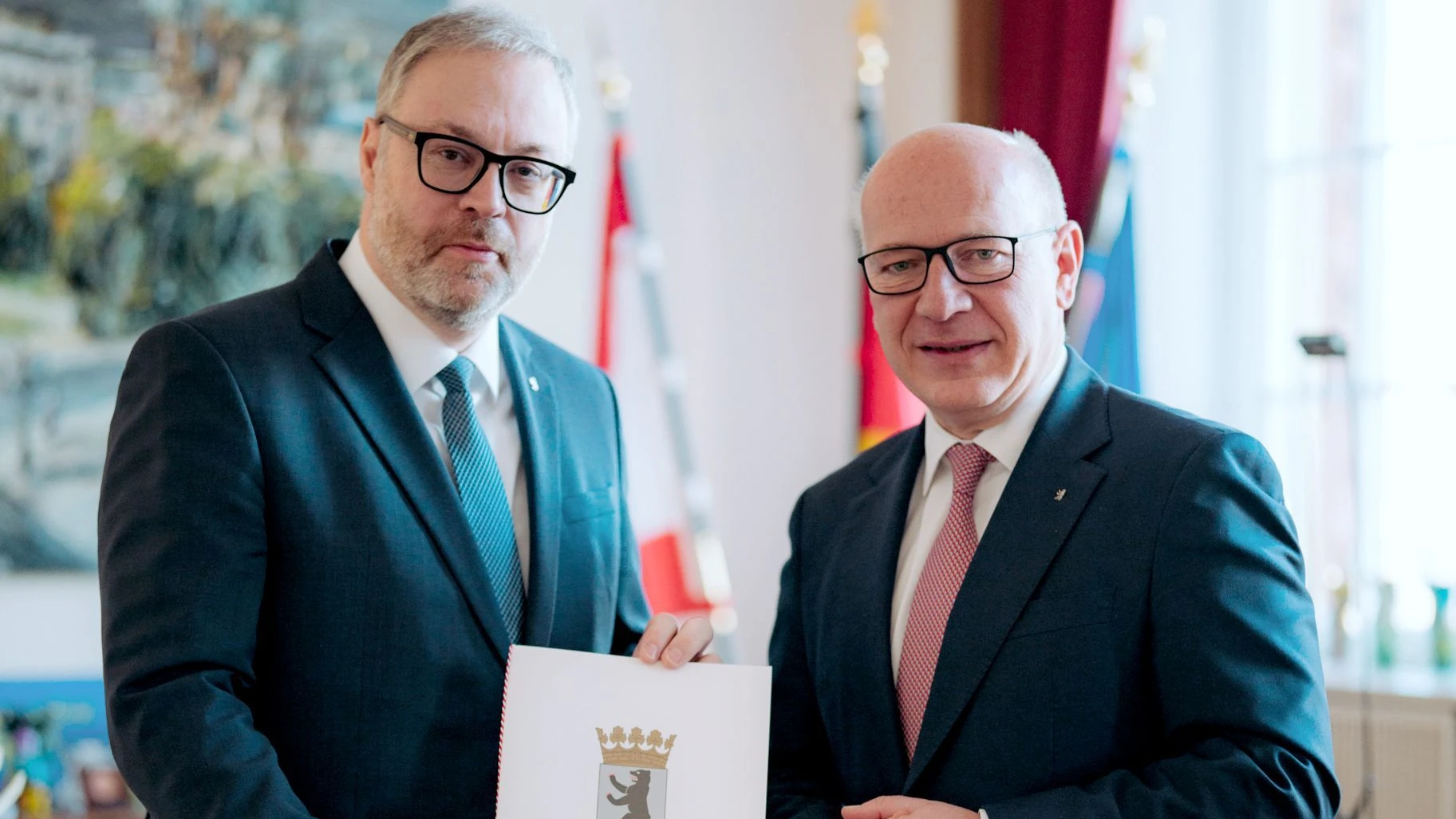
Ärger im Berliner Senat: Quereinsteiger machen Wegner zu schaffen Matthias Hundt war zwei Monate Digitalstaatssekretär – und bekommt nun ein Übergangsgeld von 50.000 Euro. Auch eine andere Personalentscheidung Kai Wegners ging nach hinten los.
faz · 2 days ago
Hoher Repräsentant für Bosnien: Streit um Nachfolge von Bosnienbeauftragten Schmidt Christian Schmidt gibt den Posten als UN-Bosnienbeauftragter ab. Europa und die USA können sich bisher nicht auf seine Nachfolge einigen. Die USA drohen mit Konsequenzen.
die zeit · 2 days ago
Johann Wadephul: Der Außenminister macht einfach weiter Nach Deutschlands Niederlage bei den UN reist Johann Wadephul nach Mexiko, diplomatischer Alltag. Doch die Debatte über die Fehler deutscher Außenpolitik begleitet ihn.
die zeit · 2 days ago
Bundespolitik: Wadephul lehnt Kürzung deutscher UN-Beiträge ab Trotz missglückter Bewerbung bleibe Deutschland „voll engagiert: Johann Wadephul lehnt niedrigere Zahlungen an die Vereinten Nationen ab.
sueddeutsche · 2 days ago
Germany rejects EU request to scrap internal border controls
gdeltproject.org · 2 days ago
European Court of Justice Inadvertently Nudging Germans to Take Another Brick Out of the Firewall
gdeltproject.org · 2 days ago
Africa: Europe Is Spending Billions On Deporting Migrants. Why the Strategy Isnt Working
gdeltproject.org · 2 days ago
UN-Wahlniederlage: Johann Wadephul lehnt Kürzung deutscher UN-Beiträge ab Nach der gescheiterten Kandidatur für den Sicherheitsrat werden Forderungen nach einer Kürzung der deutschen UN-Beiträge laut. Außenminister Johann Wadephul widerspricht.
die zeit · 2 days ago
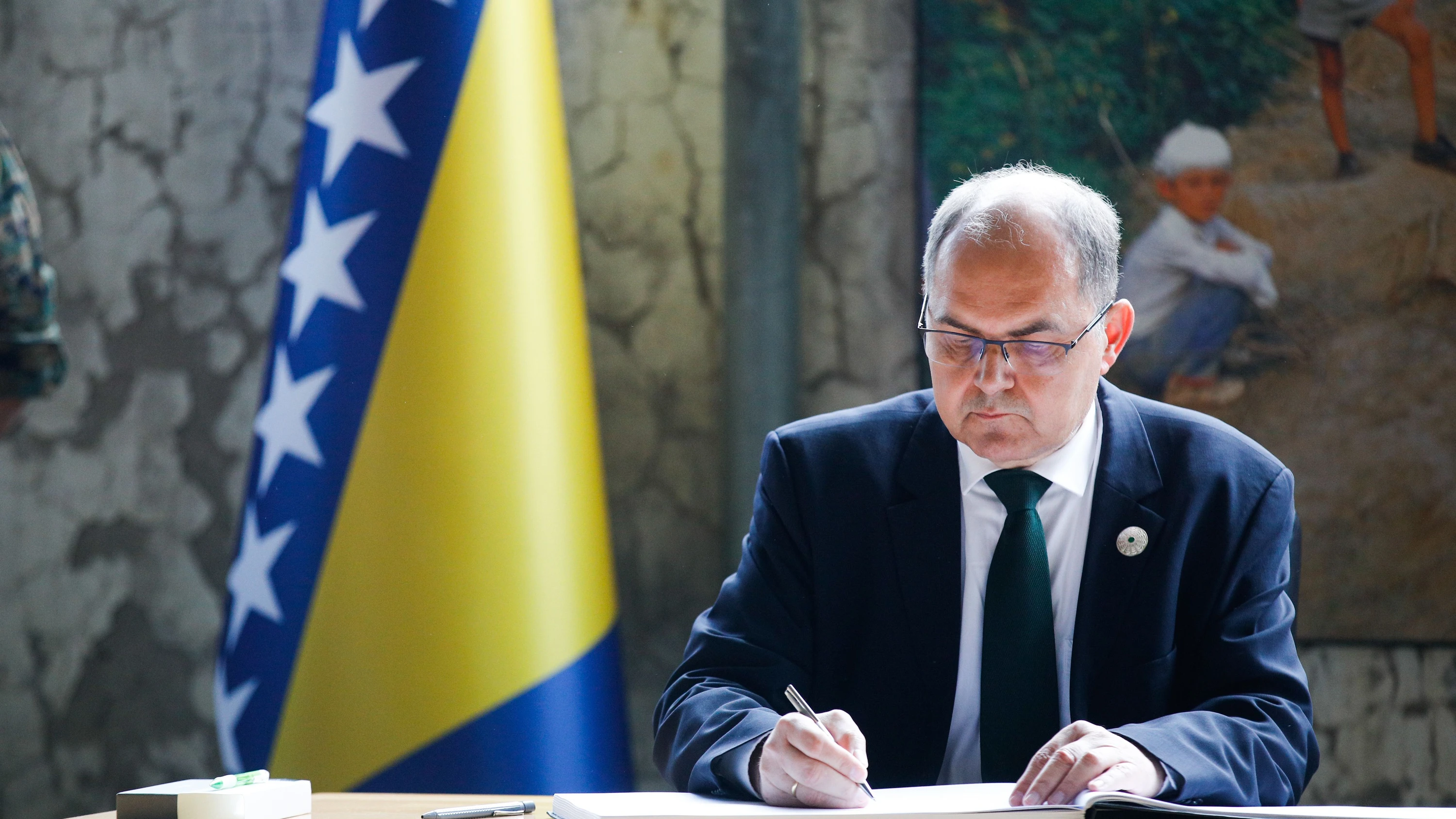
USA und Europa: Keine Einigung auf Nachfolge des deutschen Bosnien-Beauftragten Christian Schmidt wird nicht mehr lange Hoher Repräsentant für Bosnien-Hercegovina sein. Nun sind Verhandlungen über seine Nachfolge fürs Erste gescheitert. Bei beiden Entwicklungen spielen die USA eine Rolle.
faz · 2 days ago
:format(jpg)/f.elconfidencial.com%2Foriginal%2Fcb6%2Fa8f%2F7b2%2Fcb6a8f7b2b7e2b9f4d9dffa0c80e2195.jpg)
Mercedes González admite sus citas con Leire que negó Marlaska y que le pidió ayudar al agente de la trama Koldo Según el comunicado, ambas se reunieron después de que González fuese nombrada directora general de la Guardia Civil
el confidencial · 2 days ago
Deutschland kämpft mit Niederlage vor UNO Zwei nicht ständige Sitze für westeuropäische Länder im UNO-Sicherheitsrat sind neu zu besetzen gewesen. In geheimer Abstimmung konnten sich Österreich und Portugal am Mittwoch durchsetzen. Deutschland ging leer aus. Der deutsche Außenminister Johann Wadephul (CDU) sprach von einer „herben Niederlage. Das Scheitern führt in Deutschland nun zu Debatten über die Ursachen und Konsequenzen bis hin zu Forderungen, die hohen Zahlungen an die UNO zu überdenken. Neben Wadephul muss sich vor allem Kanzler Friedrich Merz (CDU) Kritik aus allen Fraktionen gefallen lassen.
orf.at · 2 days ago

Germanys Wadephul starts Mexico visit with basilica visit
news.yahoo.com · 2 days ago
Bericht: Keine US-Raketen an Deutschland
orf.at · 2 days ago

International peace body fails to agree on Bosnias new envoy reut.rs/4fYYoUL
bluesky bot · 2 days ago
🇺🇸🇩🇪 The United States is expected to cancel a plan to send Tomahawk cruise missiles to Germany, according to two European officials and one American official who spoke to Politico. It remains uncertain what will happen to the 5,000 U.S. troops set to be removed from Germany, as the Pentagon has yet to release a plan, according to two defense officials. 🔗 📎 NatSec News
telegram bot · 2 days ago