Loading…
 Saturday, August 29Saturday, August 29
2 months · 5 summary articles
The European Union is set to propose restrictions on social media access for children, with President of the European Commission Ursula von der Leyen announcing on Monday that a formal proposal will be presented after the summer break. The move follows recommendations from an expert panel convened by von der Leyen, which suggests a tiered approach to limit young children's access to social media platforms.
Speaking in Brussels, von der Leyen emphasized the need for age-appropriate restrictions to protect children from online harms. "It is very clear that we need age-appropriate restrictions to platforms. This is not about whether children can access social media. It is about whether and when social media can access our children," she stated. The proposal is expected to be unveiled during her State of the Union address in September.
The expert panel, co-chaired by child psychiatrist Jörg Fegert and French researcher Maria Melchior, recommends that children under 13 should only be allowed to use social media under parental supervision or in an educational context. For children under three, social media would be completely off-limits. For teenagers aged 13 to 18, access would be gradually increased, but platforms would need to prove that their services are not harmful to youth.
Fegert noted that the burden of proof would be reversed, with platforms needing to demonstrate that their services are safe for young users. "The Beweislast würde umgekehrt," he said, indicating that platforms would have to show that their services do not harm children.
The current situation varies across EU countries, with some setting the minimum age for social media access at 13, while others require parental consent until the age of 14, 15, or 16. In Germany, for example, the minimum age is 16. However, platforms like Facebook, Instagram, and TikTok have set their minimum age at 13 in their terms of service, while WhatsApp requires users to be at least 16 years old, in line with the EU's General Data Protection Regulation (GDPR).
Von der Leyen's announcement comes as several countries, including Australia, Britain, China, India, and the United States, are considering or have already implemented similar restrictions on social media access for children. The EU's move would be the largest such effort to date, aiming to create a safer online environment for children across the 27-member bloc.
The proposal is expected to include measures for age verification and require platforms to ensure that their services are appropriate for different age groups. The European Commission will work on the details of the proposal over the summer, with a formal announcement anticipated in September.
In her remarks, von der Leyen highlighted the importance of protecting children from the potential harms of social media, stating, "The question is no longer if children face risks online, but what can we do to give children a safer start online." The proposal is seen as a significant step towards addressing the growing concerns about the impact of social media on young people's mental health and well-being.
The expert panel's report also recommends that platforms should only activate features designed for adults after effective age verification. This approach aims to ensure that children are not exposed to content or features that are not appropriate for their age group.
As the EU moves forward with this proposal, it is likely to spark discussions among member states, tech companies, and child safety advocates. The proposal will need to be approved by the European Parliament and the Council of the European Union before it can be implemented across the bloc.
The announcement has been welcomed by child safety advocates, who have long called for stricter regulations on social media platforms to protect young users. However, it remains to be seen how tech companies will respond to the proposed restrictions and what impact they will have on the digital landscape in Europe.
With the proposal expected to be presented after the summer, the coming months will be crucial in shaping the future of social media access for children in the European Union.
Follow us for live European news
6 further sources not geolocated

Fachleute für Altersgrenze bei Social Media Für soziale Netzwerke soll es künftig eine Altersgrenze von 13 Jahren geben, sagen Expertinnen und Experten in einem Bericht, der am Montag veröffentlicht wurde. Zahlreiche EU-Länder arbeiten bereits an einem eigenen Social-Media-Verbot, bis zu einer EU-weiten Regelung dürfte es noch eine Weile dauern. EU-Kommissionspräsidentin Ursula von der Leyen will im September sagen, wie die Empfehlungen der Fachleute in die Praxis umgesetzt werden sollen.
orf.at · about 2 months ago
EU wants 13+ age restriction for social media A Commission report published Monday recommends minors under 13 years of age should only have "time-limited" access to certain platforms.
politico.eu · about 2 months ago

Ban social media for under 13s, says von der Leyens child safety panel
bluesky_Euractiv · about 2 months ago

We need age-appropriate restrictions on platforms. This is not about whether children can access social media. It is about when social media can access our children. For a safer start online for every child ↓ link.europa.eu/NR9c9h
bluesky_European Commission · about 2 months ago

🇪🇺 Children should have "phased and gradual access" to social media, EU chief Ursula von der Leyen said Monday, as experts recommended under 13s only use online platforms under supervision. ➡️ u.afp.com/SKjK
bluesky_AFP English · about 2 months ago

The European Union will impose a minimum age for young internet users to access social media without parental supervision, Commission President Ursula von der Leyen announced today.
bluesky_Politico Europe · about 2 months ago
Von der Leyen convinced by case for age-appropriate social media restrictions The European Commission President said proposals will be put to member states after the summer.
euronews · about 2 months ago
No, the EU is not about to censor access to the internet Viral claims that the EU is introducing an "internet passport" to control or censor internet access are misleading. They misrepresent the European Commissions planned age-verification app.
euronews · about 2 months ago
Special panel report: Child safety online protecting and empowering minors in a digital world Special panel report: Child safety online protecting and empowering minors in a digital world Anonymous (not verified) Mon, 07/13/2026 - 11:15 As announced in the 2025 State of the Union address, President von der Leyen set up a special panel of experts to develop a strong and practical European approach to keep children safe online. The panels co-chairs presented their final report in July 2026. The report highlights the critical challenges children face online and provides recommendations and inspiration on better protecting and empower them, as well as on the age-appropriate use of social media and other digital services. Main link Related topics Better Internet for Children Strengthening trust and security Online platforms and e-commerce DSA - Digital Services Act
ec digital strategy · about 2 months ago

Por qué cogen la baja los trabajadores españoles: las enfermedades más comunes Más de 1,2 millones de trabajadores faltan cada día a su puesto por estar de baja. La Seguridad Social registró más de 9 millones de procesos de incapacidad temporal por contingencias comunes el pasado año. Leer
expansion · about 2 months ago

Los niños menores de dos años pasan una media de 49 minutos al día frente a pantallas pese al impacto en la salud mental Los expertos recomienda que para niños entre cero y dos años haya exposición cero a pantallas para proteger el desarrollo del lenguaje y el apego emocional. Adquirir un smartphone a los 12 años en lugar de a los 13 está asociado con un mayor riesgo de sufrir depresión y problemas de sueño, según un informe de la Comisión Europea🎙 PODCAST | Menores de 16 años, fuera de las redes sociales: ¿por qué? Los niños menores de dos años pasan una media de 49 minutos al día frente a las pantallas. A los ocho años, esta cifra se triplica a tres horas diarias. Los menores de entre 13 y 18 años pasan un promedio de 4,5 horas al día frente a las pantallas en días escolares y 6,1 horas durante los fines de semana. El 14 de los adolescentes supera las 10 horas de uso diario durante el fin de semana. Y todo esto pese a que está más que probado que tiene un impacto en la salud mental: el uso de redes sociales por más de tres horas al día está asociado a mayores tasas de síntomas depresivos y ansiedad: uno de cada diez adolescentes europeos muestra signos de comportamiento adictivo hacia las redes sociales. Estos datos los han aportado este lunes los codirectores del informe Seguridad infantil en Internet. Proteger y empoderar a los menores en el mundo digital, dirigido por Jörg M. Fegert y Maria Melchior, por encargo de la Comisión Europea. El informe ha sido presentado por ambos especialistas y la presidenta de la Comisión Europea, Ursula Von der Leyen, que ha señalado que está claro que necesitamos imponer restricciones a las plataformas adecuadas a la edad de los usuarios. No se trata de si los niños pueden acceder a las redes sociales. Se trata de si las redes sociales pueden acceder a nuestros niños y en qué momento. La cuestión ya no es si los menores se enfrentan a riesgos en Internet, sino qué podemos hacer para ofrecerles un comienzo más seguro en el entorno digital. IA: más ansiedad y generar dependencia emocional Además de las redes sociales, el informe desvela que el 86 de los adolescentes en países como Irlanda, Francia, Alemania y Suecia utiliza herramientas de Inteligencia Artificial (IA), de los que más de la mitad las usa para debatir temas íntimos o personales. El documento asocia el uso de estas herramientas con un incremento en los niveles de ansiedad y el riesgo de generar dependencias emocionales. En el informe también se apunta que los casos de grooming (delito de acoso sexual en el que un adulto utiliza identidades falsas) en internet aumentaron un 158 en tres años. El material de abuso infantil generado por la IA (CSAM sintético) se ha disparado de forma alarmante, pasando de 5.000 casos en 2023 a 1,3 millones en 2025: el 97 de estas imágenes generadas por IA representaban a niñas. Las instituciones de la Unión Europea llegaron a un acuerdo para prohibir la creación de imágenes sexualizadas generadas con inteligencia artificial cuando no cuenten con el consentimiento de las personas afectadas. Además, el entorno digital facilita la autorradicalización de menores. Casi un tercio de los sospechosos arrestados en la Unión Europea en 2024 por delitos de terrorismo eran menores de 18 años. Por otro lado, el informe recuerda que el Digital Fairness Fitness Check de 2024 reveló que el 97 de las webs y aplicaciones más populares de la UE utilizan al menos un patrón de diseño manipulador para retener al usuario, lo que provoca que el 31 de los consumidores pase más tiempo o gaste más dinero en línea del que deseaba. Exposición cero a pantallas para proteger Ante esta situación, los expertos recomienda que para niños entre cero y dos años haya exposición cero a pantallas para proteger el desarrollo del lenguaje y el apego emocional. Existe un alto riesgo de technoference: la interrupción de la interacción entre padres e hijos debido a los dispositivos de los cuidadores. Para niños de entre tres y doce años, el acceso debe ser limitado y regulado, con consentimiento de los padres. Las escuelas primarias deberían impedir la entrada de teléfonos móviles para fomentar la concentración y la socialización. Adquirir un smartphone a los 12 años en lugar de a los 13 está asociado estadísticamente con un mayor riesgo de sufrir depresión y problemas de sueño al año siguiente. Finalmente, para jóvenes entre 13 y 18 años se debería seguir una transición gradual hacia el uso autónomo, pero únicamente en plataformas que sean seguras por defecto, es decir, que limiten el scroll infinito, el autoplay y los sistemas de recomendación adictivos. Hace dos semanaa, la Comisión Europea anunció que podría multar a Facebook e Instagram ya que su diseño adictivo incumple la Ley de Servicios Digitales (DSA). Ante este panorama, los expertos recomiendan la prohibición de acceso armonizada a menores de 13 a las redes sociales y servicios digitales en toda la UE, permitiendo su uso únicamente bajo supervisión directa o con fines educativos. Exigir que las empresas tecnológicas que demuestren que sus servicios son seguros por diseño antes de permitir que los menores accedan a ellos, tal como ocurre con los juguetes o las medicinas. El Gobierno de España planteó la prohibición del acceso a las redes sociales a los menores de 16 años, aunque desde la Comisión Europea se ha insistido en que los países deberían poner en los 13 años la edad . Junto a esta medida también se propone implementar sistemas de verificación que protejan la privacidad del usuario, utilizando estándares como el Zero Knowledge Proof (prueba de conocimiento cero) para evitar el rastreo o la recopilación de datos biométricos sensibles. Y finalmente, que los Gobierno hagan una mayor inversión en infraestructuras locales (deportes, arte, clubes juveniles) para ofrecer alternativas atractivas y saludables frente al uso excesivo de pantallas.
eldiario.es · about 2 months ago
EU finalises new rules to strengthen air passenger compensation and assistance The EU has given final approval to updated air passenger rights legislation, maintaining compensation of up to €600 for delays and cancellations while strengthening requirements for rerouting, assistance, and communication. The new rules also introduce protections for families with young children and clarify exemptions for extraordinary circumstances.
yenisafak · about 2 months ago
Social Media soll in der EU erst ab 13 Jahren erlaubt sein [premium] Eine von der EU-Kommission beauftragte Expertengruppe empfiehlt nach Alter gestaffelten Zugang zu sozialen Netzwerken. Die Kommission wird nach dem Sommer ihren Vorschlag vorlegen.
die presse · about 2 months ago

Trotz EU-Vorstoßes: Österreichs Entwurf für ein Social-Media-Verbot soll "demnächst" vorliegen Die EU-Kommission will nach dem Sommer einen Vorschlag präsentieren. Schwarz-Rot-Pink möchte früher dran sein und ist in den finalen Verhandlungen über ein Gesetz
der standard · about 2 months ago
Kommission prüft Mindestalter für Social Media
orf.at · about 2 months ago
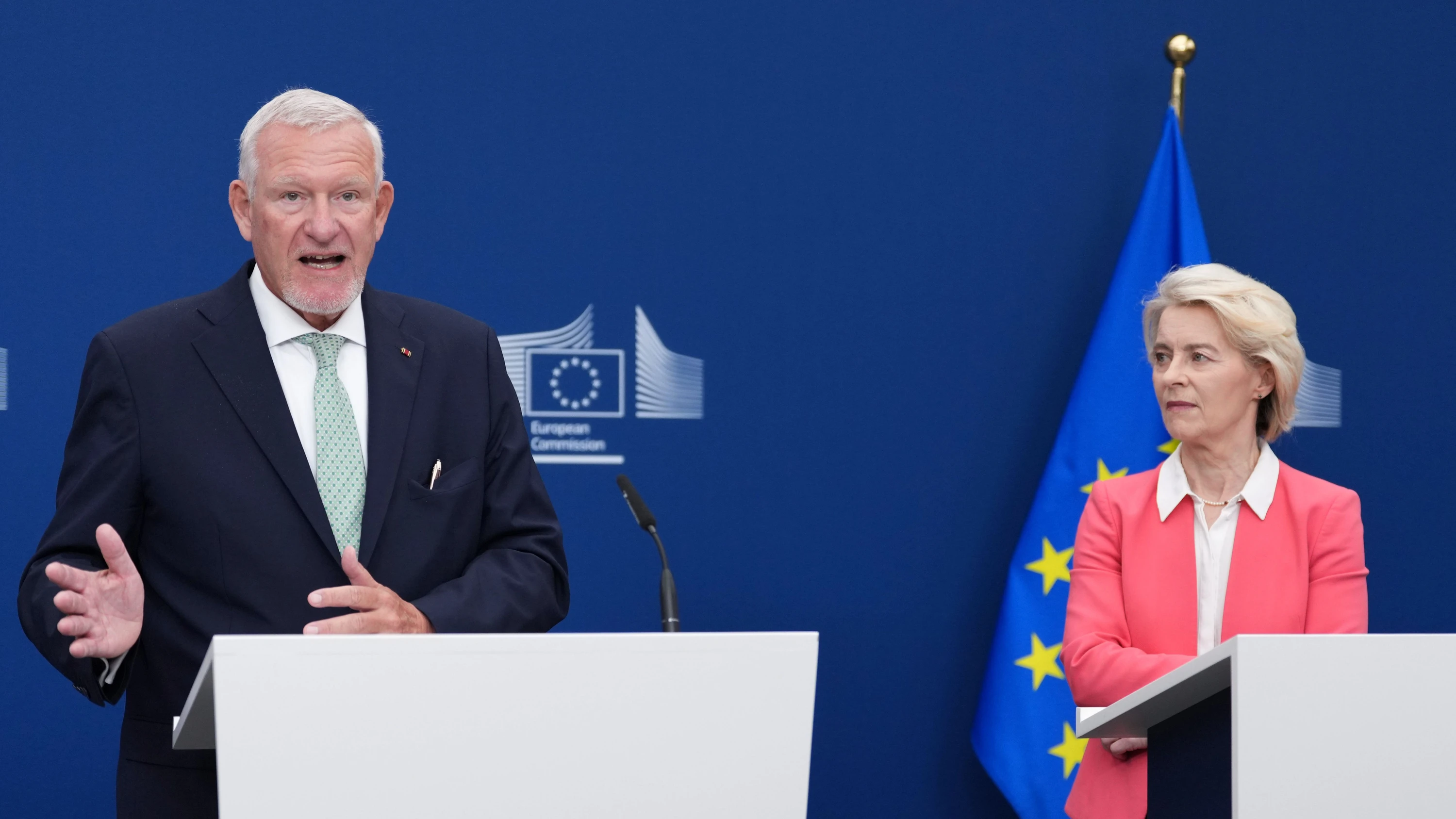
EU plant Beschränkungen: Von der Leyen gegen striktes Verbot sozialer Medien für Jugendliche Nach der Sommerpause will die Europäische Kommission ein EU-weites Verbot sozialer Medien für Minderjährige vorschlagen. Strikt gelten soll das aber nur für Kinder bis 13 Jahre.
faz · about 2 months ago
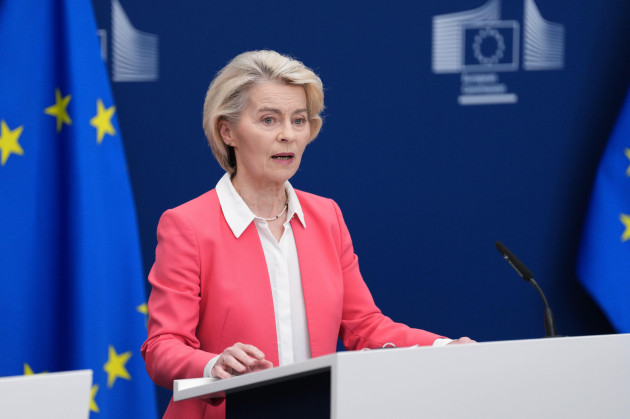
EU moves towards limiting childrens access to social media The European Commission president presented a paper by an expert panel, which made a number of recommendations on the matter.
thejournal · about 2 months ago
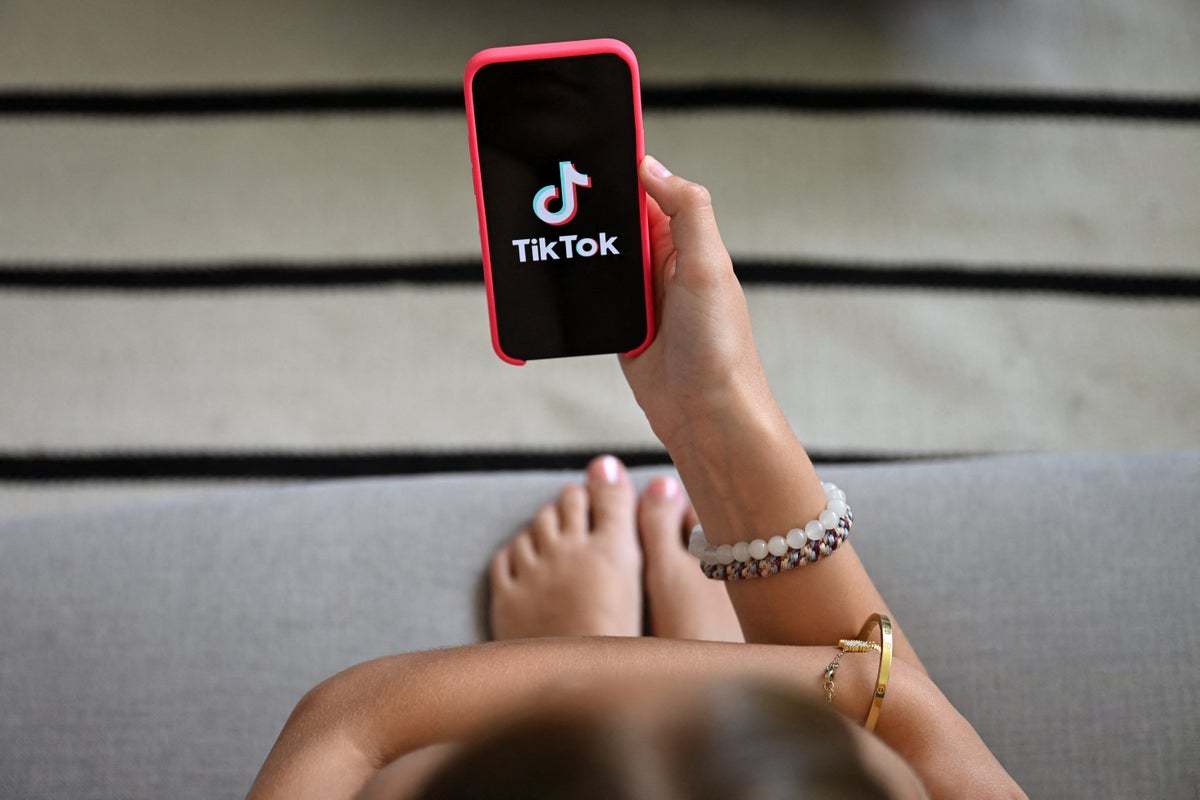
European Union set to launch children social media ban across all countries Australia, Britain, China, India and the United States have already imposed a social media ban or are considering one
independent · about 2 months ago
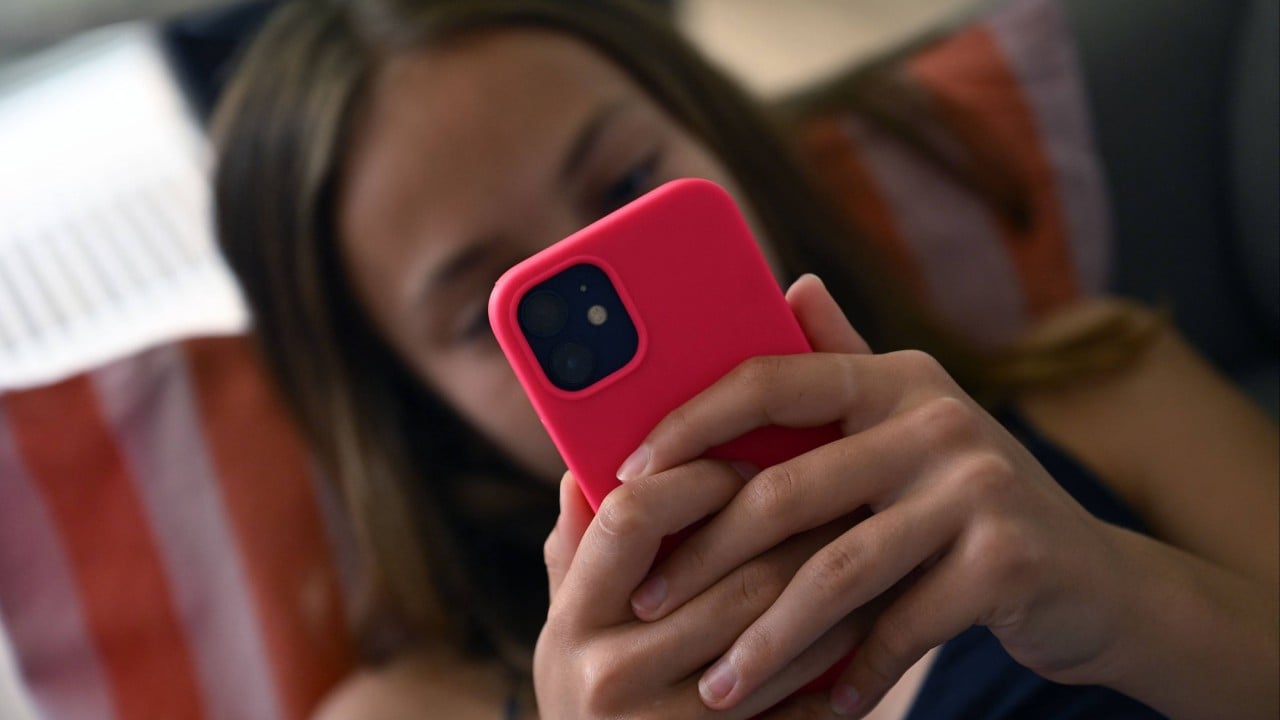
EU eyes social media curbs for children The European Union will move to limit young childrens access to social media across the 27-member bloc, European Commission President Ursula von der Leyen said on Monday, in what would be the biggest such effort to date to guard against online dangers. Von der Leyen presented a paper from two experts recommending a tiered approach, with under-13s only allowed to use social media for limited periods under the supervision of parents, carers and teachers. The curbs would be lifted gradually as...
south china morning post · about 2 months ago
EU moves towards social media ban for children under 13 Brussels will propose gradual access for different ages in response to concerns over child safety online
financial times · about 2 months ago
„Es muss ein Mindestalter geben: EU-Experten empfehlen, den Zugang zu Social Media für Unter-13-Jährige zu begrenzen Ein europäisches Expertengremium hat sich für ein Social-Media-Verbot für Kinder unter 13 Jahren ausgesprochen. EU-Kommissionspräsidentin Ursula von der Leyen stellte sich hinter die Vorschläge.
tagesspiegel · about 2 months ago
Pas cheie în demersul Comisiei Europene de a interzice accesul copiilor la rețelele sociale (Politico) Luni a avut loc un pas cheie în demersul președintei Comisiei Europene, Ursula von der Leyen, de a promulga o interdicție la nivelul UE privind accesul tinerilor la rețelele sociale. Concret, a fost publicat un raport al experților despre pericolele la care sunt expuși copiii care folosesc aceste platforme, relatează Politico.
digi24 · about 2 months ago
Sosiaalinen media | EU-komissio hylkäämässä sosiaalisen median kieltämisen lapsilta Komission asettama asiantuntijaryhmä suosittelee, että lapset saavat jatkossakin käyttää sosiaalista mediaa, mutta vanhempien tai opettajien valvonnassa.
helsingin sanomat · about 2 months ago
EU experts urge social media restrictions for kids under 13 An expert panel has recommended limiting access to social media for young children across the EU. The European Commission is expected to present a proposal for legislation on the issue in the coming months.
deutsche welle europe · about 2 months ago

EU Proposal to Curb Minors Access to Social Media Coming Later This Year The bloc is working to curb minors access to social media with a proposal likely to land after the summer.
wsj · about 2 months ago
Von der Leyen: EU should set minimum social media age European Commission President Ursula von der Leyen states that the EU should establish an age limit for childrens access to social media, noting that social media is not a toy. Her statement follows a report on childrens online safety showing that algorithms are harmful to children. Christel Schaldemose, Vice-President of the European Parliament, fully supports […]
cphpost · about 2 months ago
EU Child Online Safety Plan: Age Verification & Ban
gdeltproject.org · about 2 months ago
EU Pushes Social Media Age Limits to Protect Kids
gdeltproject.org · about 2 months ago
Parents bring up kids, not algorithms: Ursula von der Leyen outlines three-point EU plan for child online safety, age verification
gdeltproject.org · about 2 months ago
Store chain restricts drain cleaner sales to minors Young people have used the Torusiil household chemical to make pyrotechnic devices, prompting A1000 Market to impose an age limit on buying it.
news.err · about 2 months ago