Loading…
 Saturday, August 29Saturday, August 29
3 months · 16 summary articles
Iran began a six-day state funeral on Friday for Supreme Leader Ayatollah Ali Khamenei, killed in US-Israeli airstrikes on 28 February, as authorities in Tehran warned Washington and Jerusalem against any provocations during the mass mourning that will draw up to 20 million people.
The body of the late leader arrived in Tehran’s prayer complex late Thursday, kicking off processions that will move through Qom and Iraq before burial in Mashhad on 9 July . Iranian officials said between 15 and 20 million mourners are expected in the capital alone for the three-day tribute beginning Saturday, with millions more across Iraq and Iran . The ceremonies are designed to showcase the Islamic Republic’s unity and resilience four months after Khamenei’s death.
Tehran has framed the funeral as a red line. Foreign Minister Abbas Araghchi vowed an “immediate powerful response” to any threat against Iranian leadership or territory, citing the 2026 Islamabad memorandum and warning Israel would be “schooled” if it defied Washington . Iran’s joint military command separately warned all oil tankers in the Strait of Hormuz to use approved routes or face a “forceful response,” escalating pressure on global shipping days after transit numbers quadrupled following a fragile US-Iran ceasefire .
Behind the pageantry, power dynamics are in flux. Reports indicate the new Supreme Leader, Mojtaba Khamenei, has remained out of public view, while Iranian hardliners are using the funeral to assert control over the Strait of Hormuz—a strategic lever Tehran refuses to relinquish despite ongoing indirect talks with the US in Doha . Analysts describe the ceasefire as an unstable equilibrium, with Washington seeking phased release of $6 billion in frozen Qatari assets and Tehran demanding immediate access .
Regional actors are reacting cautiously. Turkey’s ruling party warned foreign intervention in Iran would worsen crises, singling out Israel’s role in destabilising the region . Meanwhile, Qatar continues its mediation role, with the emir discussing US-Iran talks and bilateral ties with Syria’s president .
Once the mourning ends, the funeral’s political message will be measured against the resumption of negotiations—and the fragile calm in the Gulf.
Follow us for live European news
5 further sources not geolocated

Israeli outlets praise Cyprus as holiday destination Cyprus tourism sector is receiving growing attention in the Israeli media, with a number of leading news outlets reporting a partial recovery in visitor numbers following disruption caused by the conflict between Israel and Iran. Recent coverage has linked the earlier slowdown in tourism to the regional conflict while portraying Cyprus as a nearby, affordable, […]
cyprus mail · about 2 months ago
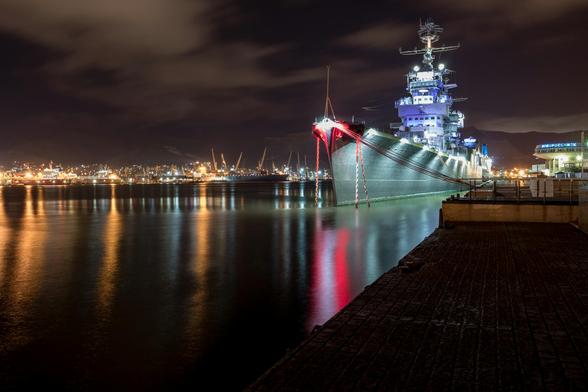
Iran Parliament Just Legalized Piracy — And Nobody Has a...Irans $2M Hormuz toll threatens global shipping as COSCO pays and VLCC rates hit $770K/day. Analysis of maritime law crisis and economic impact on world trade. #WorldNews #ForeignPolicy
mastodon bot · about 2 months ago

Ali Khameneis six-day funeral expected to draw millions in Iran
bluesky_The Guardian · about 2 months ago
🇮🇷⚡️ — In Tehran, a farewell ceremony has begun for Supreme Leader Ali Khamenei, who died from American-Israeli strikes. @Intelslava
telegram_Intel Slava · about 2 months ago
#Turkey #Iran #Israel Turkeys ruling party spokesperson Omer Celik warned that foreign intervention in Iran would worsen regional crises and singled out Israels role in provoking instability. Subscribe to @OSINTdefender Chat room
telegram_OSINTdefender · about 2 months ago
#USA #Iran #Israel US officials were concerned that Israel might attempt to assassinate Iranian Foreign Minister Abbas Araghchi and Parliament Speaker Mohammad Bagher Ghalibaf during peace negotiations. This fear arose particularly after a ceasefire was declared, as any such action could jeopardize the ongoing talks. Subscribe to @OSINTdefender Chat room
telegram_OSINTdefender · about 2 months ago
Iran envoy tells UN US military in Gulf brings nothing but insecurity Irans ambassador to the United Nations said Washingtons military footprint in the Persian Gulf generates insecurity rather than stability, warning that foreign interference endangers maritime safety while technical talks continue on reopening the strategic Strait of Hormuz.
yenisafak · about 2 months ago
Body of late Iranian Supreme Leader Khamenei brought to Tehran farewell Thousands of mourners gathered in Tehran late Thursday as the body of Supreme Leader Ali Khamenei was brought to a farewell ceremony, kicking off a week-long series of funeral rites that will move through Qom and Iraq before concluding with his burial in Mashhad on July 9.
yenisafak · about 2 months ago
Trump: Iran has agreed to just about everything we need Trump told CNBC that Iranian negotiators have accepted nearly all American demands during ongoing talks, adding that Washington seeks only to prevent nuclear weapons acquisition rather than pursue regime change, even as he defended recent military strikes against the Islamic Republic.
yenisafak · about 2 months ago
Middle East live: Iran prepares to say final goodbye to Ayatollah Ali Khamenei Iran has warned the US and Israel against any attack as the country prepares for the funeral of Supreme Leader Ayatollah Ali Khamenei, who was killed in airstrikes on the first day of the war. Around 15 million people are expected to attend in Tehran alone for a three-day tribute, starting Saturday. Once it concludes, US-Iran negotiations will resume. Follow our liveblog for the latest updates.
france24 · about 2 months ago
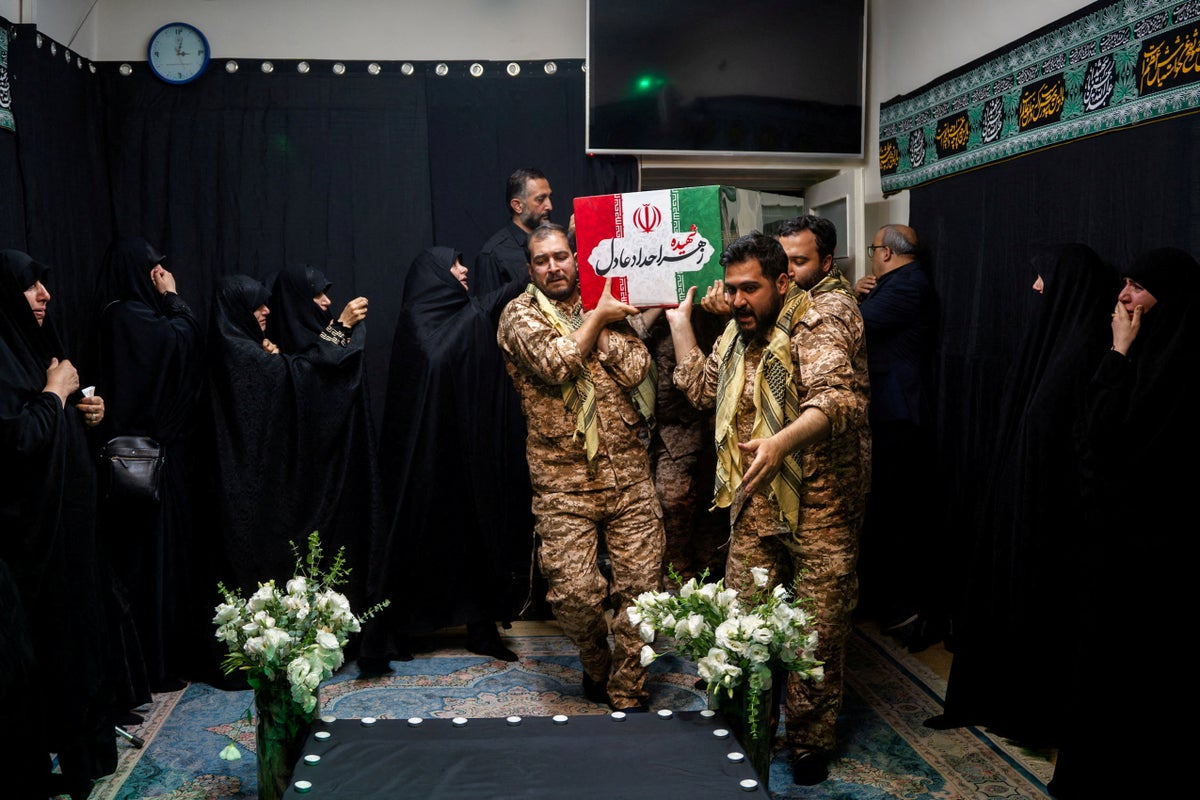
Iran-US war latest: Tehran warns Trump and Israel not to attack during Ayatollah Khamenei funeral Iran said any attacks would be met with a harsh retaliation
independent · about 2 months ago
Iran warns ships against using unapproved routes in Strait of Hormuz Military command issues threat a day after Qatari mediators hailed positive progress in indirect US-Iranian talks.
aljazeera · about 2 months ago
Khameneis Body Moved To Tehran Prayer Complex For Funeral Ceremonies As the US-Israeli war with Iran continues to impact and shape the region, journalists from RFE/RLs Central Newsroom and Iranian service, Radio Farda, deliver ongoing updates and analysis.
radio free europe · about 2 months ago
Iran bars IAEA from bombed nuclear sites under parliamentary law Parliament Speaker Mohammad Bagher Qalibaf said International Atomic Energy Agency inspectors will be restricted to Bushehr and Tehran facilities only under a new parliamentary law, as a comprehensive US-Iran memorandum brokered by Pakistan formally entered force on June 18 to end the war that began in late February.
yenisafak · about 2 months ago
Iran vows immediate powerful response to threats against leadership Iranian Foreign Minister Abbas Araghchi warned on Wednesday that any threat against the Iranian people and leadership will receive an "immediate powerful response," citing the Islamabad memorandum and vowing to "school" Israel if it disobeys Washington.
yenisafak · about 2 months ago
Qatari emir, Syrian president discuss US-Iran talks Qatari Emir Sheikh Tamim bin Hamad Al Thani and Syrian President Ahmad al-Sharaa on Wednesday discussed ongoing US-Iran negotiations and ways to strengthen bilateral ties during a phone call, as Doha continues its mediation role alongside Pakistan to advance a comprehensive settlement, according to Qatars state news agency.
yenisafak · about 2 months ago
Palestine solidarity takes center stage at 2026 World Cup Supporters from Türkiye, Morocco, Bosnia and Herzegovina and numerous other nations have displayed Palestinian flags and chanted slogans demanding freedom for Gaza during matches across the United States, Canada and Mexico, turning the 2026 FIFA World Cup into a global platform for solidarity amid ongoing calls to ban Israel from international competitions.
yenisafak · about 2 months ago
France backs Lebanon-Israel framework deal in Rubio call French Foreign Minister Jean-Noel Barrot welcomed the Lebanon-Israel framework agreement during a phone call with US Secretary of State Marco Rubio on Wednesday, reaffirming Pariss readiness to support implementation and ensure Lebanese sovereignty alongside security guarantees for both states.
yenisafak · about 2 months ago
Syria, Lebanon seek closer ties during Beirut diplomatic talks Syrian Foreign Minister Asaad al-Shaibani met Lebanese President Joseph Aoun in Beirut to discuss expanding bilateral cooperation, economic ties and regional developments. The visit also included talks with Parliament Speaker Nabih Berri, as Damascus emphasized building relations with Lebanon on the basis of mutual respect and good neighborly relations.
yenisafak · about 2 months ago
Lebanon says Israel framework opens path for future negotiations Lebanese Prime Minister Nawaf Salam said the US-backed framework with Israel is designed to guide future negotiations rather than serve as a final agreement. He reiterated Beiruts commitment to placing all weapons under state authority while stressing the need to avoid armed confrontation with Hezbollah and secure Israels withdrawal from Lebanese territory.
yenisafak · about 2 months ago
Gaza war report says 80 of territory under Israeli control Gazas government media office says Israel now controls more than 80 of the Gaza Strip after 1,000 days of war, with tens of thousands killed and widespread destruction across civilian infrastructure. The report also estimates $80 billion in direct losses as the humanitarian and environmental toll continues to deepen.
yenisafak · about 2 months ago
Iran warns US fighter jets over Strait of Hormuz tensions Irans military has issued a warning over the continued presence of US manned and unmanned aircraft in the Strait of Hormuz, saying any interference or breach of its maritime rules will be met with a swift and decisive response. Tehran described the strategic waterway as a red line for national sovereignty and regional security.
yenisafak · about 2 months ago
US, Iran expected to hold direct talks in Doha in third week of July The United States and Iran are expected to hold their next round of direct talks in Doha in the third week of July, focusing on Lebanon and the Strait of Hormuz. Tehran wants the immediate release of $6 billion in frozen assets held in Qatar, while Washington insists on phased release, subject to MoU implementation.
yenisafak · about 2 months ago
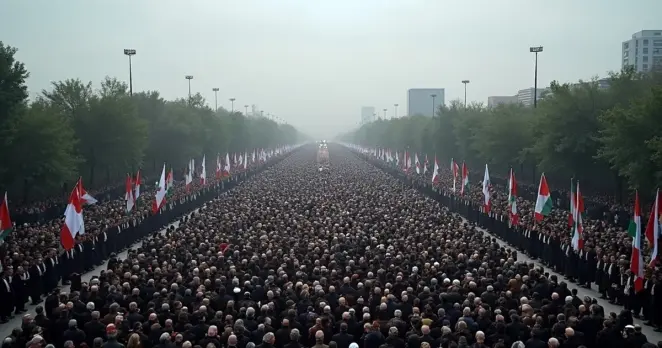
Iran After Khamenei 2026: State Funeral, New Supreme Leader, US DealIran stages Khameneis July 4-9 2026 state funeral months after his assassination — as new Supreme Leader Mojtaba stays out of sight and a fragile US deal tests the Hormuz-for-sanctions bargain. #WorldNews #ForeignPolicy
mastodon bot · about 2 months ago
Khameneis coffin readied as Iran prepares for seven-day funeral Former Supreme Leader Ali Khameneis coffin has been readied as Iran prepares for seven-day funeral.
aljazeera · about 2 months ago
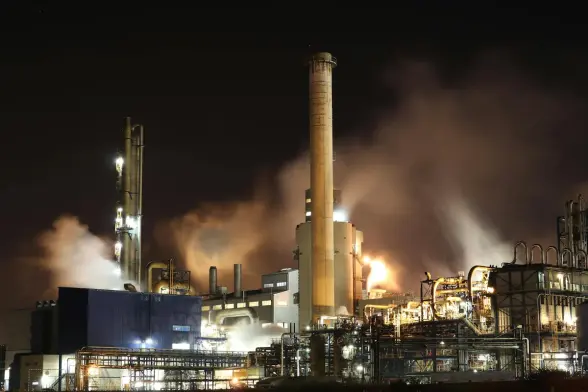
The 90-Day Spigot: US Dismantles Non-Dollar Oil MarketsMulti-source intelligence assessment of US military operations in Venezuela and Iran — evidence points to a systematic campaign to neutralize every. #WorldNews #ForeignPolicy
mastodon bot · about 2 months ago
Vorbereitungen für Khamenei-Trauerfeiern im Iran
orf.at · about 2 months ago

⚡ NEWSGershon Baskin critiques Israels strategy one year after Gaza war outbreakDr. Gershon Baskin marks the one-year anniversary of the Gaza war by criticizing Israels political leadership and strategic failures. He argues that Israeli security and Palestinian freedom are mutually dependent,...📰 #Diplomacy #Military #Geopolitics #GeoWire
mastodon bot · about 2 months ago
Israel tightens solitary confinement of jailed Fatah leader Barghouti Marwan Barghoutis office said Thursday that Israeli prison authorities have tightened solitary confinement conditions for the jailed Fatah leader at Ganot Prison, describing the measures as "systematic arbitrary practices" targeting the prominent Palestinian detainee since the start of Israels war on Gaza.
yenisafak · about 2 months ago
Mapping Irans Ali Khamenei funeral: Where mourners will gather each day Funeral processions for Irans late supreme leader will take place between July 3-9 across Iran and Iraq.
aljazeera · about 2 months ago