
US strikes shatter Iran ceasefire amid escalating tensions
Story Timeline
3 months · 40 summary articles
The United States launches fresh airstrikes on Iranian missile sites and mine-laying boats in southern Iran, shattering a fragile ceasefire and drawing immediate condemnation from Tehran as a "gross violation" of the truce. The Pentagon justifies the strikes as "self-defense" after Iranian forces allegedly attempted to emplace mines in the Strait of Hormuz, though the timing—amid high-stakes negotiations in Qatar—threatens to derail a 14-point peace framework aimed at ending the two-year war.
Iran’s Supreme Leader, Ayatollah Mojtaba Khamenei, breaks his silence to declare that "US military bases will have no place in the region," while President Masoud Pezeshkian praises Iran’s military response and vows retaliation. A senior Iranian delegation in Doha insists talks are still on track, but officials warn the strikes have "complicated" negotiations, particularly over Tehran’s demand for the release of $60 billion in frozen assets—a key US concession under the proposed deal. According to *France 24*, the US is "anxious" to secure an agreement before November’s midterm elections, as public opposition to the war grows .
The strikes mark the first US military action since the ceasefire took effect on May 10, following a month of indirect talks mediated by Qatar and Oman. While the Pentagon claims the targets—missile launch sites and fast-attack boats—were "imminent threats," Iranian officials accuse Washington of sabotaging diplomacy to extract last-minute concessions. *The Guardian* reports that Donald Trump faces Republican backlash over the deal’s terms, which reportedly include a phased US withdrawal from regional bases and sanctions relief .
Background tensions persist over the Strait of Hormuz, where a tanker was struck near Oman on Monday, though neither side has claimed responsibility. Analysts warn that mine warfare—a tactic Iran has historically used to disrupt shipping—could escalate the conflict if talks collapse. With both sides trading accusations and the ceasefire in tatters, the path to a deal now hinges on whether Tehran and Washington can salvage the 14-point framework before the next round of talks, scheduled for June 2 in Geneva.
Follow us for live European news
- 2
- 1
- 1
- 1
- 1
2 further sources not geolocated
Articles

US launches new strikes on Iran, targeting missile sites and boats
news.yahoo.com · 3 months ago

US strikes Iran as Trump faces backlash over disastrous peace deal plan - The Latest The US has launched fresh strikes on Iran despite suggestions that a peace deal could be within reach. Donald Trump faces growing criticism from Republicans over the proposed plan to end the war, which reportedly contained major concessions from Washington. But could an agreement still be imminent? Lucy Hough speaks to diplomatic editor Patrick Wintour Continue reading...
theguardian · 3 months ago
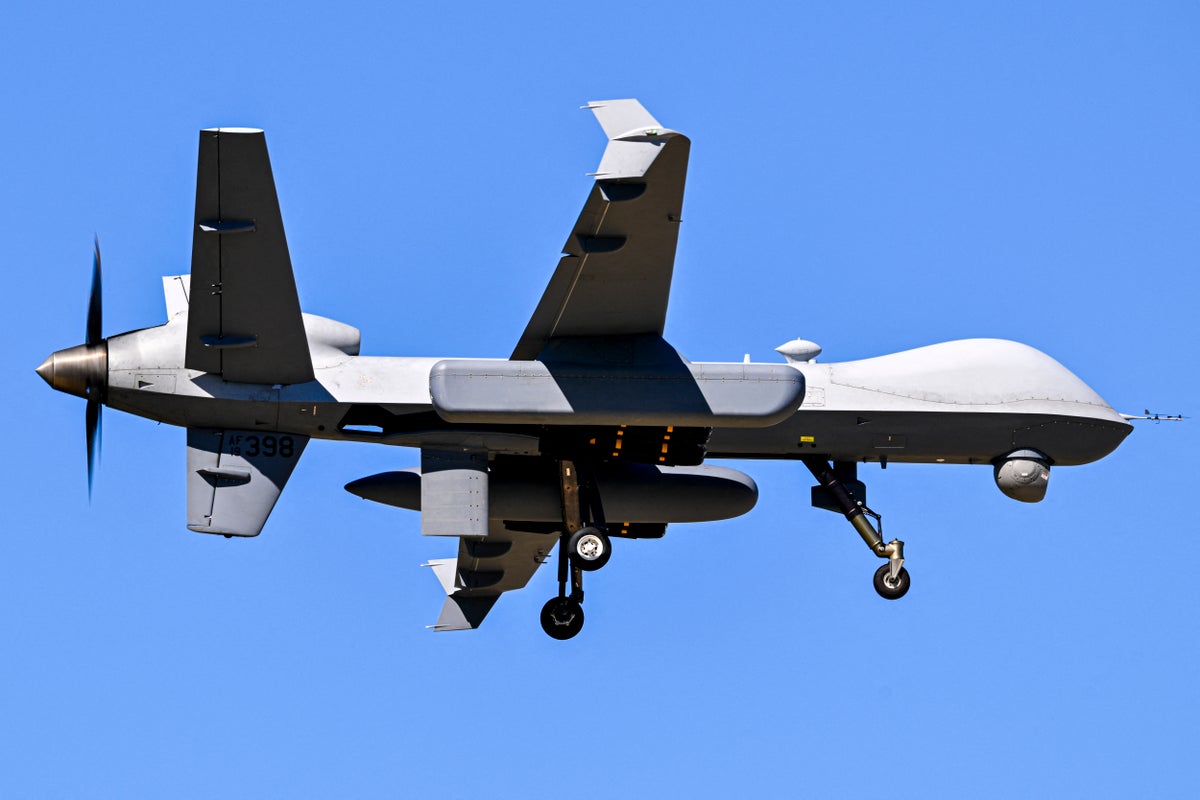
Iran-US war latest: Tehran accuses Trump of gross violation of ceasefire as strikes rock southern Iran Donald Trump said talks with Iran were going "nicely", but threatened renewed attacks if they failed
independent · 3 months ago

U.S. conducts self-defense strikes in Iran as Trump pushes for peace deal Targets included missile launch sites and Iranian boats attempting to emplace mines.
cnbc · 3 months ago
Iran looking to buy time to rebuild its military amid talks to end war Iran accused the United States of breaching their ceasefire and warned it was ready to retaliate after overnight US strikes targeting Iranian missile sites and mine-laying boats. Despite the strikes, the US is adamant that a deal was within reach, and a top Iranian official delegation in Qatar says it is finalising a 14-point framework for a deal to end the war. FRANCE 24s Philip Turle looks at where talks are stalling.
france24 · 3 months ago
Ayatollah Mojtaba Khamenei breaks silence to vow no US military bases in the region In his longest statement while still not appearing in public, Irans new ayatollah said US military bases would have no place in the region, as CENTCOM acknowledged overnight strikes on missile sites and Iranian boats laying mines, and a tanker was struck near Oman.
euronews · 3 months ago
US strikes Iranian missile sites as peace talks continue Washington announces self-defence operation against targets in southern Iran
financial times · 3 months ago
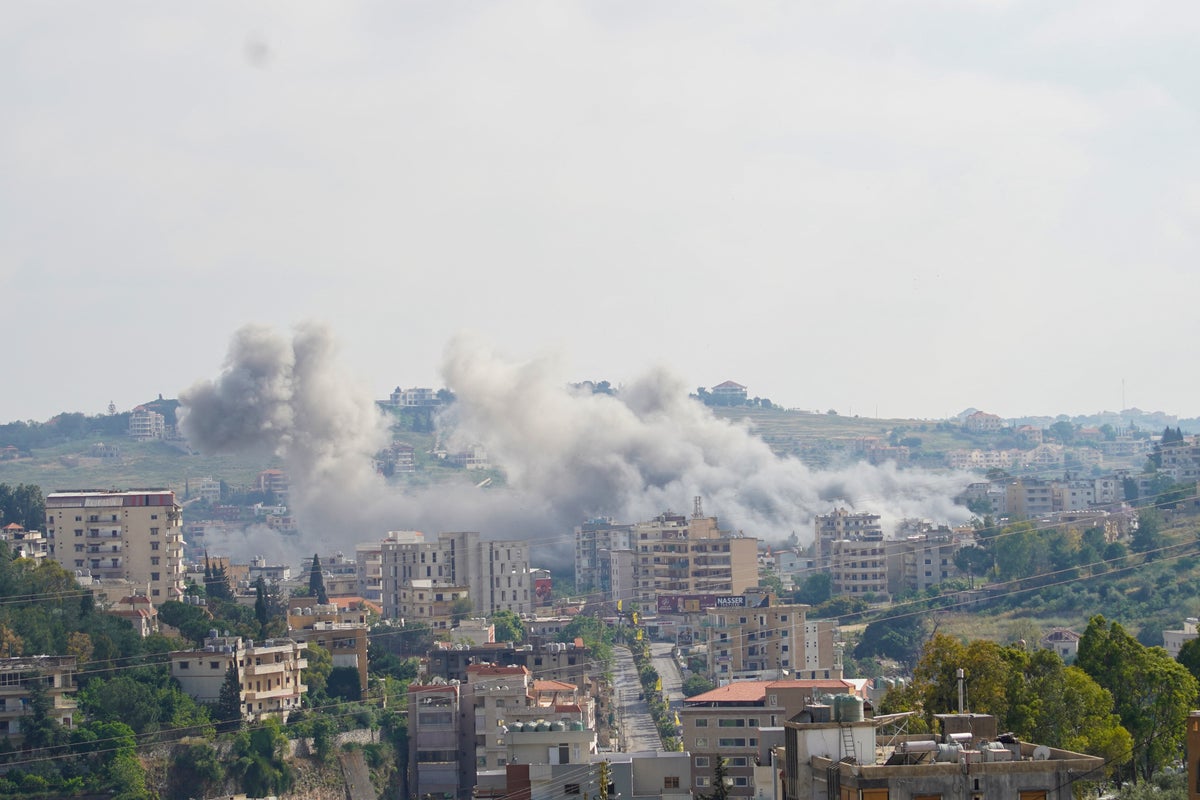
Hopes of quick Iran peace deal fade as Tehran accuses US of gross violation of ceasefire with new strikes Irans Supreme Leader said that countries in the region could no longer be a shield for US bases
independent · 3 months ago
Irans president praises military after US strikes President Masoud Pezeshkian praised Irans military capabilities after the US carried out self-defence strikes on Iran
aljazeera · 3 months ago
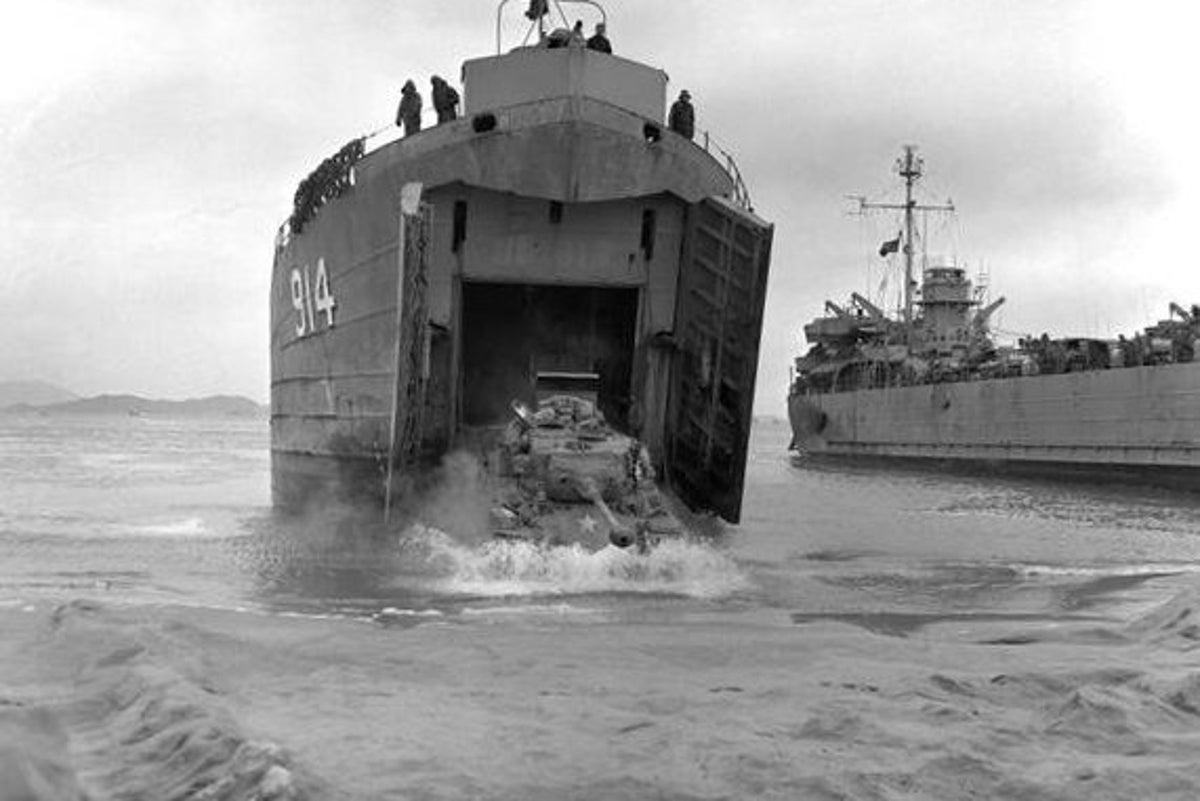
The 75-year-old military deadlock which Trump must learn from in his war with Iran As the latest US strikes claim to target Iranian boats laying mines in the Strait of Hormuz, John W S Clark asks why no one is heeding the lessons of the past: that mine warfare will bring any ill-conceived conflict to a shuddering standstill
independent · 3 months ago

US Strikes Iran Military Targets in Self Defense Amid Fragile Talks
news.yahoo.com · 3 months ago
US anxious to come to deal with Iran asTehran seeks release of frozen assets The US struck targets in Iran, the first since the start of the ceasefire and amid fragile talks between Tehran and Washington. The strikes come as the US is becoming anxious to come to a deal and end the war, as a growing number of Americans oppose the war ahead of the midterm elections. Iran has accused the US of violating the ceasefire and asked for the unfreezing of Iranian funds as part of the deal. FRANCE 24s Philip Turle tells us about where the talks stand now.
france24 · 3 months ago