
EU relaxes GM food rules: Gene-edited crops exempt from labelling from 2028
Story Timeline
3 months · 2 summary articles
European Parliament deregulates gene-edited crops, ending mandatory labelling
ContinuationEU relaxes GM food rules: Gene-edited crops exempt from labelling from 2028
The European Parliament on Wednesday voted to relax strict EU rules on genetically modified (GM) foods, allowing crops developed using modern gene-editing techniques to be sold without mandatory labelling in supermarkets from mid-2028. The landmark decision, adopted by a majority vote, removes risk assessments and transparency requirements for many gene-edited plants, a move supporters say will accelerate climate-resilient and high-yield crops but critics warn could undermine consumer choice and biodiversity.
Under the new framework, plants modified using techniques such as CRISPR that do not introduce foreign DNA will no longer require special authorisation or consumer labelling, according to multiple reports on 17 June 2026 . The rules, which take effect in two years, were finalised after the Parliament rejected amendments that would have delayed or expanded oversight, confirming the policy shift first signalled in earlier drafts .
Proponents argue the changes will unlock innovation in sustainable agriculture. The Protein Brewery, a Dutch biotech firm, secured EU approval on the same day for Fermotein, a novel protein derived from gene-edited microbes, marking a first under the bloc’s updated novel food regime . French newspaper Le Monde described the move as authorising “a new generation of GMOs, non-transgenic, that modify plant genomes without introducing foreign DNA” .
Opposition came from Greens, Social Democrats and Left MEPs, who unsuccessfully sought to block or amend the proposal. German daily Süddeutsche Zeitung noted their efforts were rebuffed as the Parliament closed the file . Critics warn the absence of labelling and risk testing could erode public trust and harm ecosystems, while supporters, including farming and industry groups, contend the reforms will help Europe adapt to climate change and reduce reliance on imported feed and food.
The decision follows years of debate over “new genomic techniques” and arrives as the EU seeks to balance innovation with precaution. Implementation is scheduled for mid-2028, giving member states and food businesses time to adapt to a regulatory landscape that no longer treats gene-edited crops the same as older-style GMOs.
Follow us for live European news
- 4
- 1
- 1
- 1
1 further source not geolocated
Articles

EU schwächt Regeln zu Gentechnik ab Mit modernen Gentechnikverfahren veränderte Lebensmittel dürfen in der EU künftig ohne spezielle Kennzeichnung im Supermarkt verkauft werden. Das EU-Parlament stimmte am Mittwoch mehrheitlich dafür, entsprechende Züchtungen in vielen Fällen von bisher strengen Regeln auszunehmen. Befürworter erhoffen sich dadurch vor allem ertragreichere und gegen den Klimawandel resistente Lebensmittel. Allerdings gibt es auch reichlich Kritik.
orf.at · 3 months ago
Lebensmittel: EU schwächt Gentechnik-Regeln ab Supermärkte dürfen genverändertes Obst und Gemüse voraussichtlich von Mitte 2028 an ohne spezielle Kennzeichnung verkaufen. Grüne, Sozialdemokraten und Linke hatten versucht, die Änderungen zu stoppen.
sueddeutsche · 3 months ago
EP adopts new genomic techniques for plants to boost innovation in sustainable agriculture
gdeltproject.org · 3 months ago
The Protein Brewery secures landmark EU novel food approval for Fermotein
gdeltproject.org · 3 months ago
Best new Estonian food words announced This years Sõnaus word-creation contest focused on finding new food-related terms, and the jury has selected the top entries.
news.err · 3 months ago
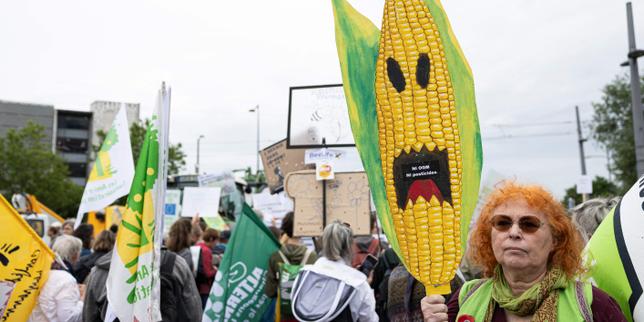
European Parliament greenlights new generation of GMOs Amid promises of innovation and concerns about biodiversity, the EUs adoption of new genomic techniques has reignited the debate on the future of European agriculture.
le monde · 3 months ago
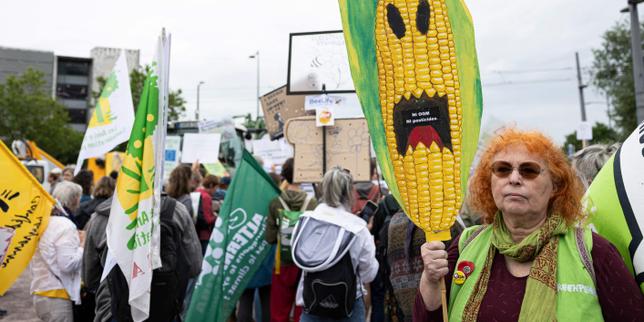
OGM : une nouvelle génération dorganismes génétiquement modifiés, non transgéniques, autorisée par le Parlement européen Les nouvelles techniques génomiques modifient le génome des plantes sans introduction dADN étranger. Les eurodéputés ont donné leur ultime aval pour leur autorisation, mercredi, en rejetant tous les amendements qui auraient relancé les négociations sur ce texte.
le monde · 3 months ago
EU schwächt Regeln ab: Mit Gentechnik veränderte Lebensmittel dürfen leichter verkauft werden Mit modernen Gentechnikverfahren veränderte Lebensmittel dürfen in der EU künftig ohne spezielle Kennzeichnung im Supermarkt verkauft werden.
tagesspiegel · 3 months ago
Agrar: Gentechnik im Supermarkt: EU schwächt Regeln ab Obst, Gemüse - im Supermarkt dürfen künftig genveränderte Lebensmittel ohne spezielle Kennzeichnung liegen. Die Regeln sollen in zwei Jahren angewendet werden. Was kommt.
handelsblatt · 3 months ago
Beschluss des EU-Parlaments: Viele Gentechnik-Lebensmittel bald ohne Kennzeichnung Zahlreiche Gentechnik-Pflanzen müssen künftig nicht mehr erkennbar gemacht werden. Risikotests fallen weg. Das beschloss das EU-Parlament endgültig. mehr...
taz.de · 3 months ago
Region unlocked: how drinking is evolving in Eastern Europe
gdeltproject.org · 3 months ago