
UK unveils record 300 billion defence investment plan over four years

Outgoing UK Prime Minister Keir Starmer on Tuesday unveiled a record £300 billion defence investment plan over the next four years, marking the largest peacetime military spending commitment in British history as London seeks to modernise its armed forces amid rising global threats. The announcement, delivered in Starmer’s final major policy address before stepping down, includes an immediate £15 billion uplift to accelerate procurement of drones, autonomous systems and next-generation combat aircraft, with the total budget set to reach nearly $400 billion by 2029 .
The Defence Investment Plan prioritises rapid deployment of uncrewed aerial systems and maritime drones, drawing direct lessons from Russia’s war in Ukraine, where Kyiv’s drone-centric tactics have reshaped modern combat. The Ministry of Defence confirmed that over £5 billion will be allocated specifically to drones and autonomous platforms between 2026 and 2030, while the UK reaffirmed its commitment to the Global Combat Air Programme (GCAP), a sixth-generation fighter project developed in partnership with Italy and Japan .
Starmer framed the spending surge as essential to counter “a more dangerous and volatile world,” warning that Britain must prepare for potential high-intensity conflicts this decade. The plan also accelerates upgrades to nuclear deterrent infrastructure and expands the Royal Navy’s hybrid fleet concept, integrating smaller, agile vessels with advanced sensor networks. By 2029, defence spending is projected to reach £93 billion annually—equivalent to 4.2% of GDP—up from 2.3% in 2024, though critics argue the timeline for reaching NATO’s 3% GDP target remains unspecified .
Former Defence Secretary Ben Wallace criticised the plan as insufficient, stating that Britain still lags behind adversaries despite the historic outlay. Meanwhile, the funding will be partially offset by cuts to road and energy infrastructure projects, signalling a strategic reallocation of national resources .
The announcement comes as the UK prepares for a leadership transition, with Andy Burnham widely expected to succeed Starmer. Analysts suggest the defence plan may serve as Starmer’s enduring legacy, embedding a militarised deterrence posture that future governments will struggle to unwind.
Follow us for live European news
- 3
- 2
- 2
- 2
- 1
- 1
- 1
- 1
- 1
- 1
- 1
- 1
8 further sources not geolocated
Articles

The U.K. is learning from Ukraines war against Russia to build its own armed forces to prepare for a similar conflict this decade. The Defence Investment Plan will be one of PM Keir Starmers last acts before stepping down. 🔗 www.politico.eu/article/brit...
bluesky_Politico Europe · about 3 hours ago

UK Prime Minister pledges near $105B defense budget by 2029 Courtesy of a £8.6 billion investment in the forthcoming Defence Investment Plan, the UK is also renewing a commitment to build sixth generation fighter jets, under the Global Combat Air Programme (GCAP), in collaboration with Italy and Japan.
breaking defense · about 3 hours ago
ÜK kulutab nelja aasta jooksul kaitsele rekordilised 300 miljardit naela Ametist lahkuv Briti peaminister Keir Starmer teatas teisipäeval, et riik kulutab järgneva nelja aasta jooksul kasvavate ohtude taustal oma relvajõudude moderniseerimiseks ligi 300 miljardit naela (397 miljardit dollarit).
postimees · about 3 hours ago
Burnham will Großbritannien deutscher machen [premium] Labour. Der Premier in spe, Andy Burnham, hat seine Pläne vorgestellt. Ihm schwebt eine Föderalisierung vor.
die presse · about 3 hours ago
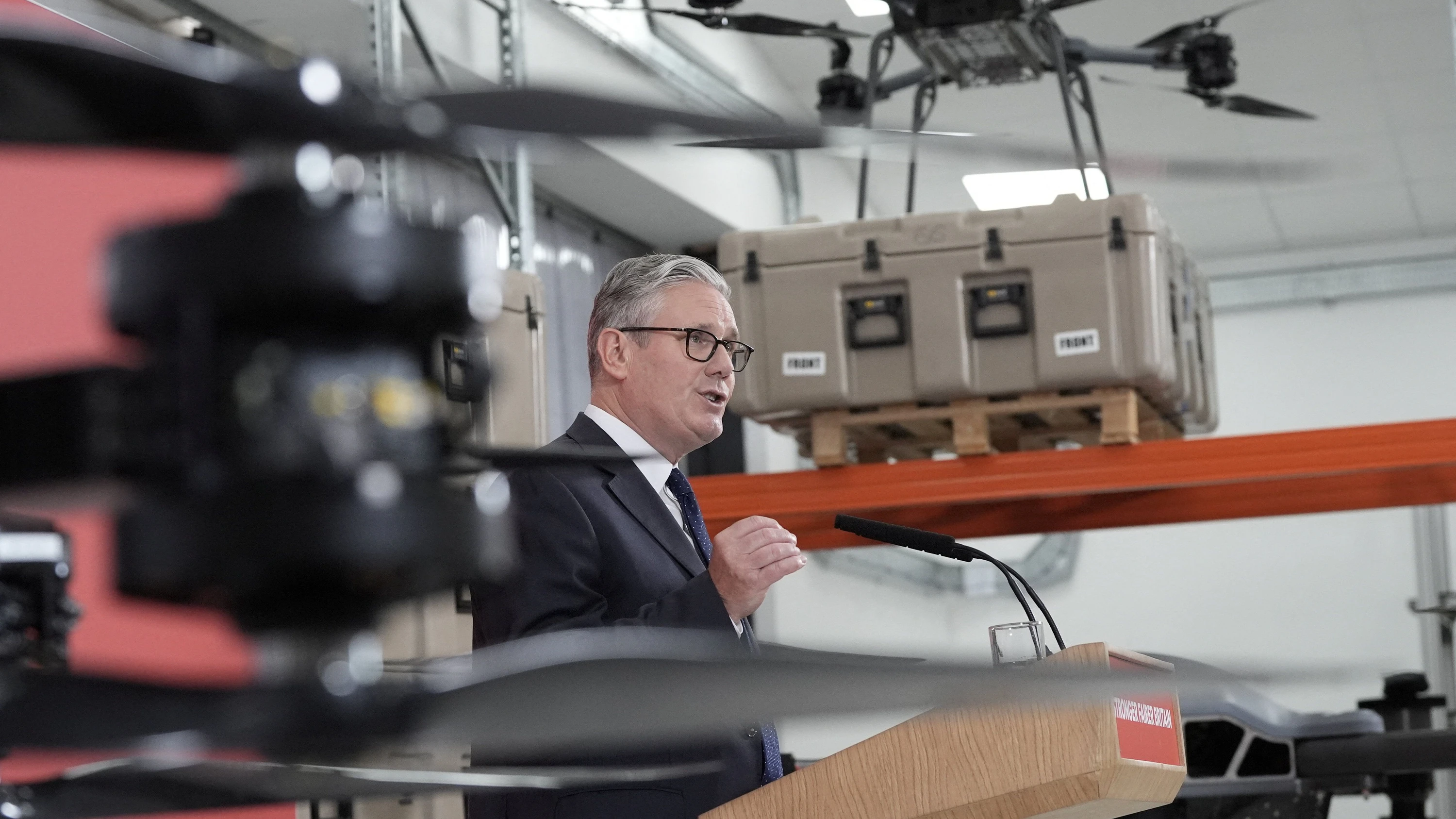
Mehr Geld für Rüstung: London zieht Lehren aus dem Drohnenkrieg Der britische Verteidigungsminister trat zurück, weil ihm die Investitionen in Rüstung zu niedrig waren. Nun stellt der scheidende Premierminister Starmer doch mehr Geld bereit.
faz · about 3 hours ago
Royaume-Uni: sur le départ, Starmer muscle le budget militaire et veut une armée prête au combat en 2030 Drones, dissuasion nucléaire et Royal Navy « hybride » : le Royaume-Uni prévoit de porter son budget militaire à près de 300 milliards de livres (348 millions deuros) durant les quatre prochaines années pour moderniser les forces britanniques dans un contexte de montée des menaces.
rfi.fr · about 3 hours ago
A vision that could bring the country together | The Guardian - United Kingdom
eurotopics.net · about 3 hours ago
Debate: Burnhams big plans: on the right track? Andy Burnham, Britains likely next prime minister, has set out plans for a major overhaul of the British system of government. They include local authorities being given more control over water supply services and other utilities and measures to tackle the cost-of-living crisis and promote social housing. The media look at whether the strategy could work.
eurotopics.net · about 3 hours ago

UK government likely to intervene in Warner Bros and Paramounts $110 billion merger Britains culture minister, Lisa Nandy, has set a 6 July deadline for the companies to respond to her concerns
independent · about 3 hours ago
Starmer accused of delivering half-measures with £15billion defence funding plan...and anger grows as there is STILL no firm date for reaching 3 per cent of GDP
gdeltproject.org · about 3 hours ago
Britains military boosted by £15billion spend in huge move to defend against Russian attack
gdeltproject.org · about 3 hours ago
Andy Burnham, Britains King of the North, Will Decide Its Fate
gdeltproject.org · about 3 hours ago
Former Defence Secretary Warns Britain Still Not Spending Enough on Defence Despite New £15bn Investment Plan - NATIONAL NEWS
gdeltproject.org · about 3 hours ago
Ten years after Brexit: can the UK deliver change? FT journalists answered subscribers questions at a webinar on June 25 2026
financial times · about 3 hours ago
UKs Starmer announces 300-billion-pound defence investment plan Plan includes more than 5 billion pounds for drones and autonomous systems over four years, Ministry of Defence says.
aljazeera · about 3 hours ago

Nuclear weapons storage in spotlight as US plans $4bn boost for its UK airbases
bluesky_The Guardian · about 3 hours ago

Indias April-May fiscal deficit at 9.6 of full-year target reut.rs/4g9dmaZ
bluesky_Reuters · about 3 hours ago
BREAKING - Starmer says UK will spend record £300 billion on defence over the next four years bit.ly/4v18qsj Follow @InsiderPaper for more news
telegram_Insider Paper · about 3 hours ago
UKs Starmer unveils £15 billion rise in military spending Prime Minister Keir Starmer pledged on Tuesday to spend an extra £15 billion to modernise Britains depleted armed forces in a long-delayed investment plan that is designed to prepare for the wars of the future and mark his legacy. In what is most likely his last major policy announcement, Starmer said the Defence Investment Plan […]
in-cyprus · about 4 hours ago
Andy Burnhams win-win-win-win-win-win economy The PM-in-waiting has more options than most economic commentators realise
new statesman · about 4 hours ago
,xPosition=.5,yPosition=.5;Resize=(1200,675)&impolicy=medium)
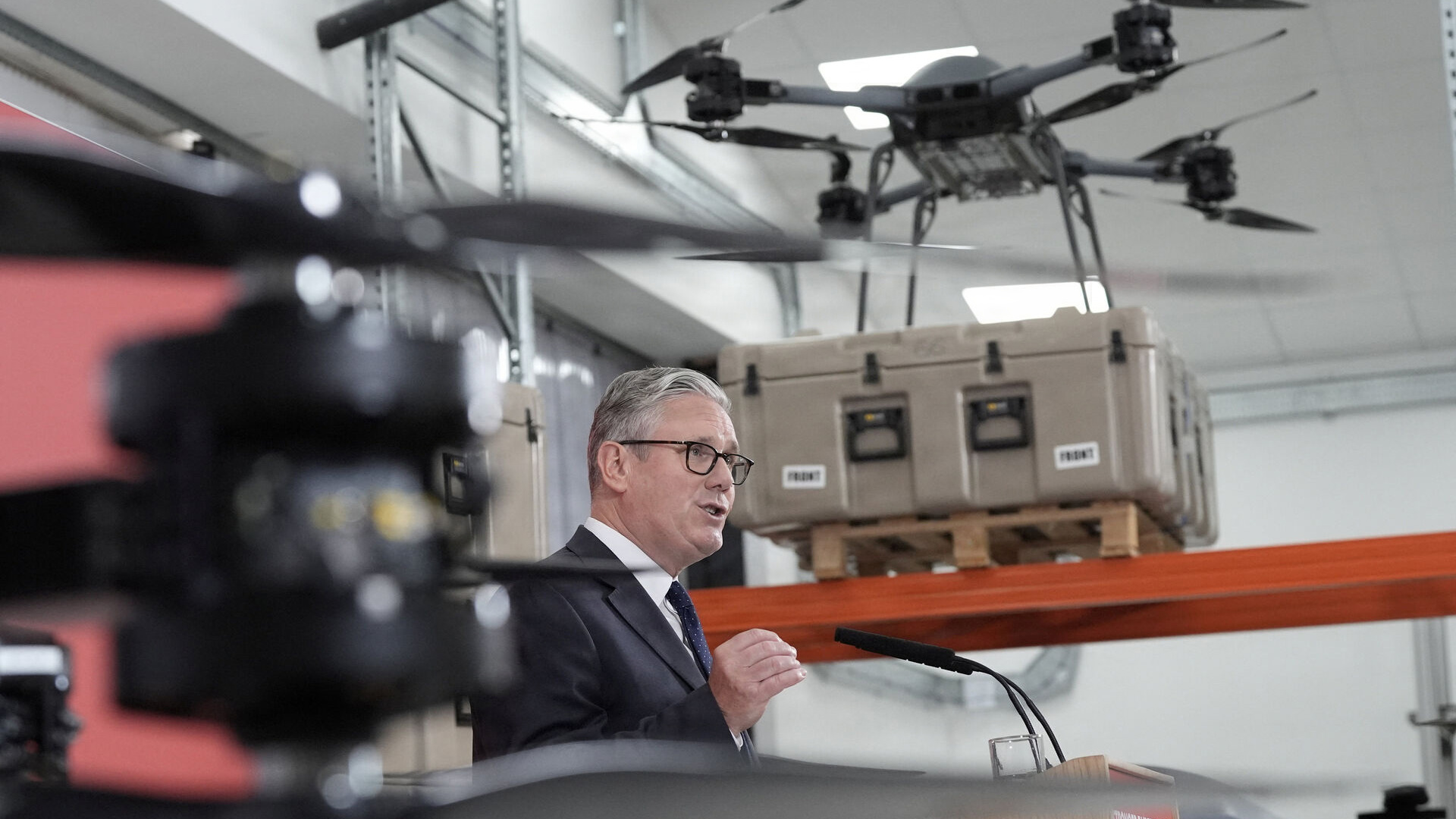
Storbritannien vil bruge 15 milliarder pund på landets forsvar
dr.dk · about 4 hours ago

U.K. Pledges Nearly $20 Billion Extra for Armed Forces The country is moving to buttress its defense industry in the face of what Prime Minister Keir Starmer called a more dangerous and volatile world.
wsj · about 4 hours ago
Britains New King Will Decide Its Fate Andy Burnham is on the verge of taking power—and of being confronted with his own limitations.
foreignpolicy.com · about 4 hours ago
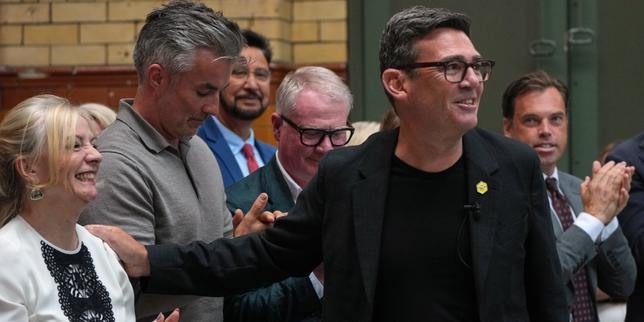
British PM-in-waiting Burnham presents decentralization plans The likely successor to Keir Starmer highlighted devolution and reindustrialization as his key priorities. But with tight budget restraints, early doubts are emerging within Labour about his room for maneuver.
le monde · about 4 hours ago

⚡️ UK unveils landmark defense plan, incorporating lessons from Ukraine. The plan, backed by 300 billion pounds ($400 billion) in funding over four years, is part of a drive toward a more "European NATO" and will help the British forces deter the Russian threat, outgoing U.K. Prime Minister said.
bluesky_Kyiv Independent · about 4 hours ago
Starmer: Británie vynaloží v příštích čtyřech letech na obranu 300 miliard liber Britská vláda v čele s premiérem v demisi Keirem Starmerem představila dlouho odkládaný dlouhodobý plán výdajů na obranu. Jeho plán počítá s navýšením výdajů na obranu o 15 miliard liber (422 miliard ...
respekt · about 4 hours ago
Más gasto y ayudas gracias al mayor PIB Pese al dinamismo económico, el Gobierno prolonga las ayudas frente al efecto de la guerra. Leer
expansion · about 4 hours ago
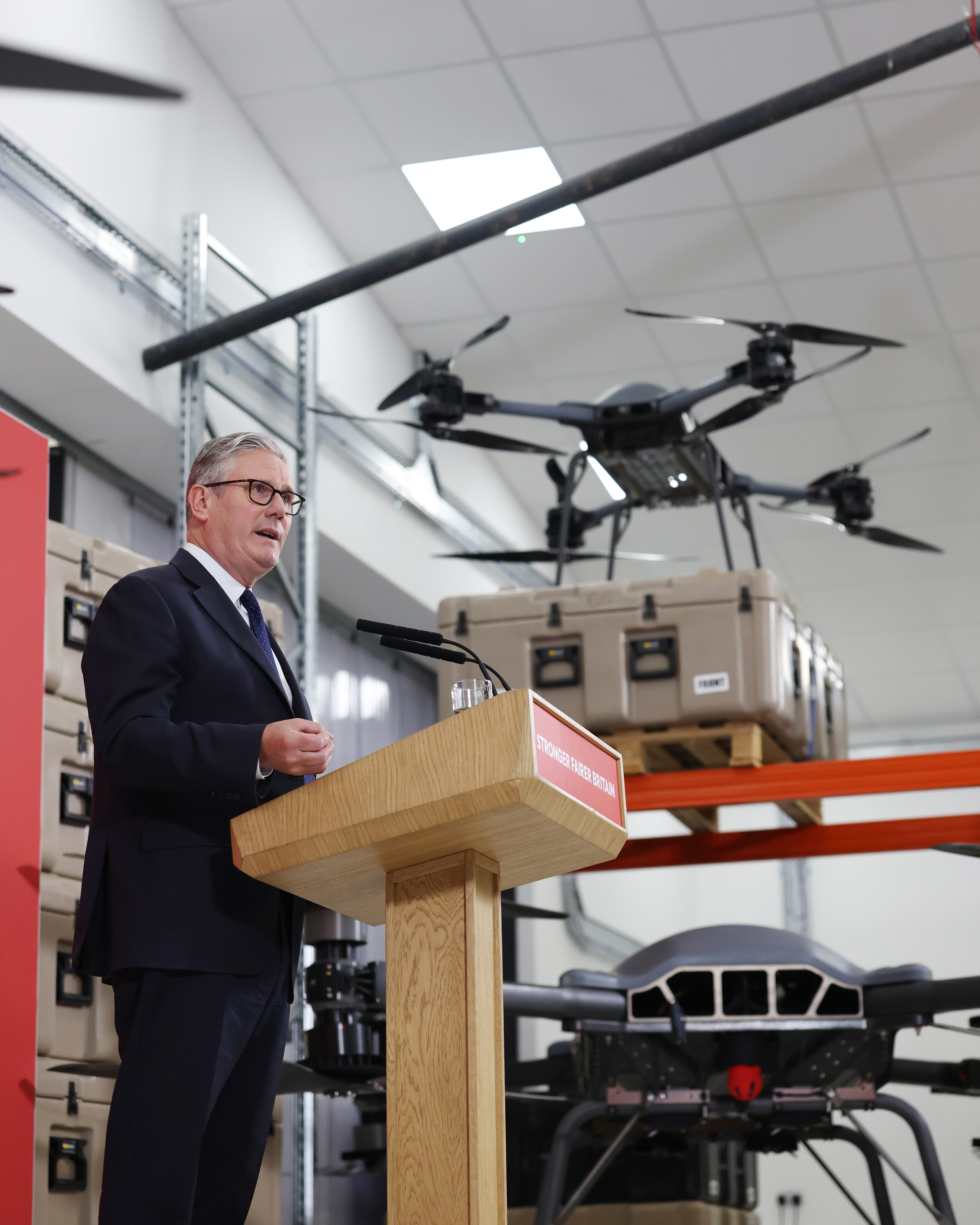
Reino Unido disparará el gasto en defensa hasta el 4,2 del PIB en 2035 Pocos días antes de irse, Starmer se compromete a elevar el presupuesto hasta los 93.000 millones de euros en 2029. El aumento se sufragará en parte con menos inversión en carreteras y energía. Leer
expansion · about 4 hours ago
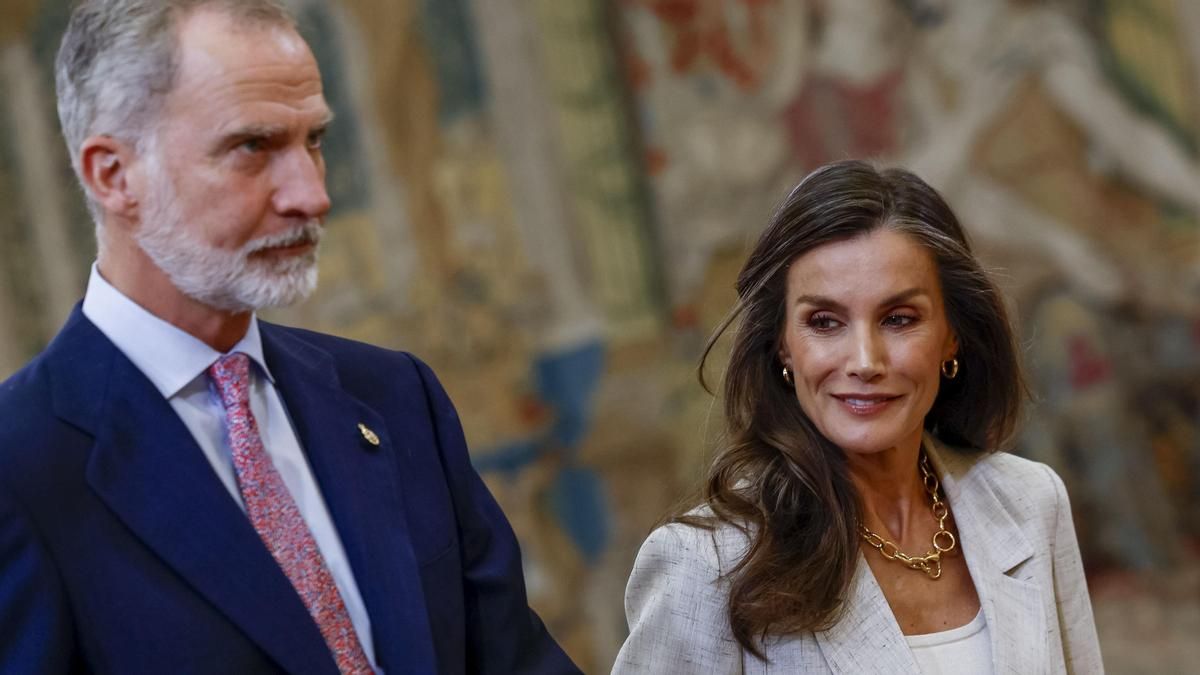
La Casa Real aumentó en 2025 su déficit a los 719.334 euros por "proyectos estratégicos e inaplazables" Zarzuela publica las cuentas de 2025, para las que contó con un presupuesto congelado de 8,4 millones, lo que motivó movilizar ahorros por más de 900.000 euros y cerrar por segundo año consecutivo en números rojos290.000 euros para Felipe VI y 160.000 para Letizia: así quedan las asignaciones de la Familia Real tras la subida del 1,5 La Casa Real ahonda su déficit y cerró 2025 con unas pérdidas de 719.334 euros, según consta en las cuentas oficiales publicadas este martes en la web de la institución. Es el segundo ejercicio consecutivo en el que Zarzuela declara números rojos, tras los 99.591 euros negativos de 2024. Como en ese ejercicio, el descuadre se debe a las inversiones en seguridad informática que ha acometido el Palacio de la Zarzuela y a la congelación del presupuesto de la Casa, lo que ha obligado a Felipe VI a tirar del remanente. El equipo de Felipe VI justifica el resultado en la necesidad de acometer proyectos estratégicos e inaplazables en materia de seguridad y en la congelación presupuestaria que les afecta por la ausencia de nuevas cuentas públicas desde 2023. También en la amortizaciones de las inversiones del pasado año. El balance de 2025, auditado por el Tribunal de Cuentas, muestra que el presupuesto de 8,43 millones de euros de asignación pública directa a Zarzuela fue insuficiente para cubrir los gastos. Es la misma cantidad que el Estado da desde 2021 a la Casa del Rey para su sostenimiento, aunque luego hay múltiples partidas presupuestarias destinadas a la monarquía repartidas por los Presupuestos Generales del Estado. El coste total que asumen los españoles supera los 100 millones, según un estudio avalado por la Zarzuela. A esos 8,43 millones se suma el uso de parte de los ahorros consignados por la Casa Real en los últimos años. Zarzuela ha recabado 983.403 euros del fondo de remanentes presupuestarios para atender proyectos estratégicos e inaplazables, especialmente en el ámbito de las tecnologías de la información, las comunicaciones seguras y el Plan estratégico para la financiación de los desarrollos de los sistemas de información, según informan desde el equipo de Felipe VI. Los suplementos de crédito no suponen ingresos adicionales sino la utilización de recursos financieros propios de la Casa de Su Majestad el Rey, apunta el Tribunal de Cuentas en su informe. En total, Zarzuela contó con 9,41 millones. Las obligaciones reconocidas netas del ejercicio 2025 ascendieron a 9.390.116 euros, con un remanente positivo de 24.436 euros , lo que refleja un alto nivel de ejecución presupuestaria (99,74), aseguran desde Zarzuela. El rey gastó el año pasado en el personal que le asiste a él y a su familia 4,92 millones de euros, casi 200.000 más que en 2024. Es la principal partida presupuestaria de Zarzuela. La segunda más cuantiosa son los 3,1 millones destinados a suministros y servicios exteriores. La amortización del inmovilizado alcanza los 1,51 millones. Es la segunda vez que Zarzuela declara pérdidas desde que hace públicas sus cuentas. En 2023 el resultado fue positivo (407.402 euros). También en 2021 (407.402 euros), 2020 (931.233) y en 2019, cuando se alcanzó el récord: 1,7 millones. Con anterioridad a 2015 no se puede saber si hubo otros ejercicios en negativo.
eldiario.es · about 4 hours ago
Rerformă istorică în Marea Britanie. Forțele Regale vor fi organizate pe model ucrainean și alocă o sumă uriașă pentru drone De ce să se construiască noi nave de război grele, dacă, așa cum a demonstrat experiența Ucrainei, chiar și o țară care nu deține o flotă poate distruge flota inamică cu ajutorul dronelor maritime? Anunțând una dintre cele mai ample reforme ale forțelor armate din ultimele decenii, Marea Britanie se inspiră în mare măsură din experiența războiului din Ucraina și intenționează să reproducă succesul acesteia, notează Politico.
digi24 · about 4 hours ago