
EU accuses Meta of designing Facebook and Instagram to be addictive, threatens fines

Story Timeline
2 months · 3 summary articles
EU demands youth mode on social media to curb addictive features as Meta faces DSA violation probe
EU accuses Meta of designing Facebook and Instagram to be addictive, threatens fines
Meta pulls Instagram AI image tool after global backlash over privacy
Continuation
The European Union has accused Meta of designing Facebook and Instagram to be addictive, giving the company a formal opportunity to respond before Brussels reaches a final decision that could trigger fines of up to 6% of its global annual revenue.
The European Commission issued preliminary findings on Friday, July 11, 2026, stating that features like autoplay and infinite scroll make Facebook and Instagram too addictive. Based on Meta's 2025 turnover of roughly $201 billion, the potential fine could be substantial .
Meanwhile, Meta has pulled its new AI image generator feature, Muse Image, from Instagram and its Meta AI app just three days after its launch. The company acknowledged that the tool "missed the mark on user privacy." The feature allowed users to generate images based on public Instagram posts without the original poster's consent, leading to criticism from privacy advocates and Hollywood .
The feature was the first image generator to emerge from Meta's Superintelligence Labs under chief AI officer Alexandr Wang. However, it faced backlash for automatically including users with public profiles without their explicit consent .
In response to the criticism, Meta stated, "We wanted to provide a useful, creative tool for people, and give them the opportunity to decide whether their public content can be used in this way." However, the company admitted that the feature "missed the mark" and was pulled .
Privacy experts and advocacy groups have welcomed Meta's decision to pull the Muse Image feature. The Screen Actors Guild‐American Federation of Television and Radio Artists (SAG-AFTRA) called the decision "the responsible step," adding that it was unacceptable for such features to be introduced without clear and explicit consent from users .
Thorsten Klosowski, a privacy expert from the Electronic Frontier Foundation, stated that such features should only be enabled with explicit user consent. "This is a completely new use of photos that users have posted publicly over the years, which they certainly didn't think of when they signed up for Instagram," Klosowski said .
The EU's scrutiny of Meta's platforms is part of a broader effort to regulate big tech companies and their impact on users' mental health and privacy. The European Commission's preliminary findings suggest that features like autoplay and infinite scroll are designed to keep users engaged for longer periods, potentially leading to addictive behavior .
Meta has not yet responded publicly to the EU's findings, but the company has a formal opportunity to do so before any final decision is made. If the EU's findings are upheld, Meta could face significant fines and be required to change its platforms' design to reduce their addictive qualities.
The debate over AI and privacy continues as tech companies grapple with the ethical implications of their innovations. While AI tools offer new creative possibilities, they also raise important questions about consent, privacy, and the responsible use of technology.
The outcome of the EU's case against Meta could set an important precedent for how tech companies design their platforms and use AI in the future.
Follow us for live European news
- 5
- 3
- 2
- 1
- 1
- 1
- 1
- 1
- 1
- 1
- 1
- 1
5 further sources not geolocated
Articles

Parabilis tests propulsion system for maneuverable cubesats The Space Force is backing the development of the companys hybrid engine technology for small satellites The post Parabilis tests propulsion system for maneuverable cubesats appeared first on SpaceNews.
spacenews · about 2 months ago

Néha a sikolynál is félelmetesebb a néma csend – aprólékosan kidolgozott világot tár elénk a Reanimal Próbára teszi a Tarsier Studios idén megjelent pszichohorror kalandjátéka, a Reanimal még azokat is, akik nem riadnak vissza a nyomasztó hangulattól. A kép és a hangzás kialakításában a svéd fejlesztőcsapat egyik magyar tagja is komoly szerepet játszott.
hvg.hu · about 2 months ago
„Bacalaureatul este o tortură sufletească, o instituţie medievală, spunea istoricul Nicolae Iorga. Amintiri despre „proba maturității din vremea Regatului În anul 1867, absolvenții de liceu ai Vechiului Regat au susținut primul examen de Bacalaureat, aceștia fiind testați de la română la latină și greacă, matematică şi fizică. Spiru Haret a decis să elimine acest examen, urmând ca testul maturității să fie reluat în anul 1925 de Constantin Anghelescu.
adevarul · about 2 months ago
NASA caută voluntari pentru o misiune de un an care simulează viața pe Lună și Marte. Ce condiții trebuie să îndeplinești NASA caută 4 voluntari pentru o nouă misiune de simulare a explorării Lunii și planetei Marte, în cadrul căreia participanții vor petrece aproximativ un an în izolare, într-un habitat special amenajat la Centrul Spațial Johnson din Houston.
adevarul · about 2 months ago
FOTO Nissan a dezvăluit noul Duster cu sigla japoneză. Se va vinde în 50 de țări cu motorul pe care și-l doresc și românii Dacă pentru generațiile anterioare ale propriei versiuni Duster Nissan folosea numele Terrano, de data aceasta pentru derivatul din Duster 3 compania japoneză a preferat un nume nou, care să schimbe percepția față de modelul pe care îl va produce Renault Group și se va vinde pe piețele internaționale. Nissan a prezentat în premieră noul SUV …
hotnews.ro · about 2 months ago
O companie japoneză lansează servicii de transport către Lună cu ajutorul rachetei Starship de la SpaceX Compania japoneză ispace a anunţat că va lansa un nou serviciu de transport de marfă către Lună, la costuri reduse, cu ajutorul rachetei grele Starship şi a modulului de aselenizare dezvoltate de SpaceX, compania lui Elon Musk.
digi24 · about 2 months ago
«Soodushind kõrgem kui tavahind!» Lõhefilee hind tekitas kliendis küsimusi Maximat külastanud kliendile hakkas silma, et allahindlusega lõhefilee oli kallim kui täishinnaga toode. Maxima esindaja selgitab, kuidas soodushinnad kujunevad: «Kuigi protsessid on paigas, võib suure töömahu tõttu üksikutel juhtudel ette tulla ka ümberhindamisega seotud eksimusi nagu ka kõnealuse näite puhul.»
postimees · about 2 months ago

De partenaire à rival : Apple traîne OpenAI devant la justice américaine
lexpress · about 2 months ago
Soziale Medien: EU: Instagram und Facebook bergen zu große Suchtrisiken EU: Instagram und Facebook bergen zu große Suchtrisiken
tagesspiegel · about 2 months ago
Internet | Wikipedia on uhattuna, eikä se ole ihmiskunnalle hyvä asia, sanoo uusi johtaja Wikipedia on saanut kimppuunsa niin Maga-oikeiston kuin tekoälynkin. Klassikoksi muodostunut sivusto aikoo jatkaa taisteluaan.
helsingin sanomat · about 2 months ago
Meta stopt na enkele dagen alweer met AI-afbeeldingengenerator Muse Image, erkent plank te hebben misgeslagen De AI-afbeeldinggenerator Muse Image die Meta dinsdag introduceerde, is na enkele dagen alweer gestopt, dat maakte het bedrijf bekend op vrijdag.
nrc · about 2 months ago

Künstlerische Intelligenz: Soll Tilly Norwood "gestorben werden"? Die KI-Schauspielerin bekommt einen eigenen Spielfilm, während Amazon sich wegen KI-Einsatz blamiert. Wieder einmal stößt die Technologie an ihre Grenzen
der standard · about 2 months ago

Techgiganten: Apple verklagt Open AI Der Elektronikkonzern wirft dem Entwickler von ChatGPT Diebstahl von Geschäftsgeheimnissen vor. Der Klage zufolge beschäftigt Open AI heute mehr als 400 frühere Apple-Mitarbeiter. Auch Elon Musk hat etwas zu dem Rechtsstreit zu sagen.
faz · about 2 months ago
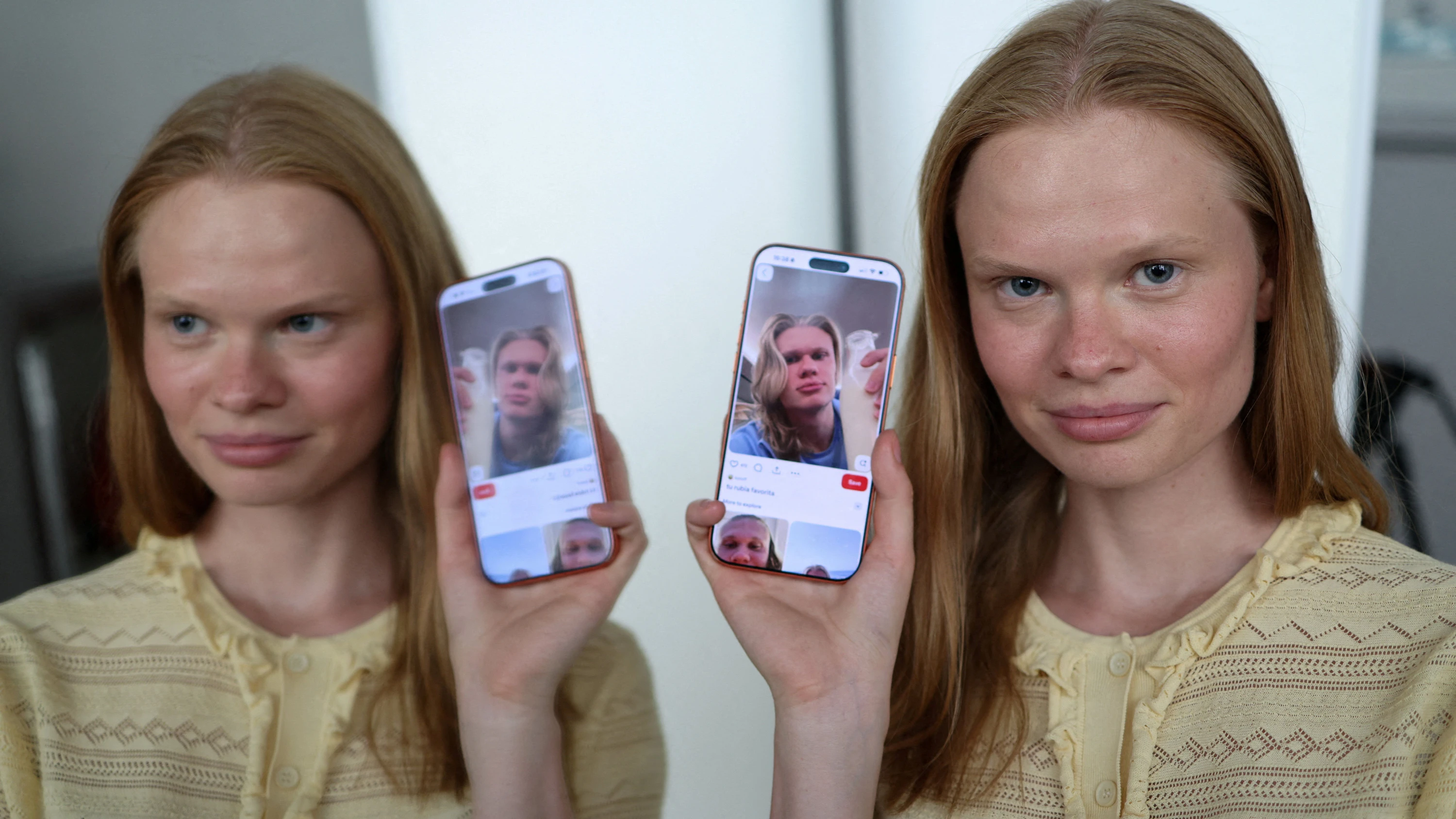
Soziale Medien: Haaland-Doppelgängerin aus Russland wird zum Internet-Hit Mit Haaland-Imitationen erzielte Anastasia Kostromitina nach eigenen Angaben mehr als 100 Millionen Aufrufe. Die Aufmerksamkeit brachte ihr demnach zusätzliche Modeljobs und Werbeangebote.
faz · about 2 months ago
AI customers are coming around to the idea that small is beautiful OpenAI and Anthropic have built AI Swiss Army Knives, but the future may be smaller built-for-purpose tools
the register · about 2 months ago

Safe from AI: which jobs will help you thrive in the future?
bluesky_The Guardian · about 2 months ago
Erinnern und Vergessen: Den richtigen Nerv treffen Wie wir erinnern, ist ein Mysterium. Nun blickt neueste Forschung in die Tiefen des Gehirns. Was, wenn wir entscheiden könnten, was wir erinnern? mehr...
taz.de · about 2 months ago
Apple verklagt OpenAI: Es geht um das Wettrennen zweier Giganten Apple verklagt OpenAI. Der Vorwurf: die ChatGPT-Firma klaue Geheimisse. Die Klage könnte weitreichende Folgen haben. Auch für den geplanten Börsengang.
die zeit · about 2 months ago
Va elimina Inteligența Artificială tradiția meditațiilor la români? Expert în Educație: „Încurajez toți copiii să folosească AI Mii de lei pe an, ore întregi de meditații: așa arată, de ani buni, drumul spre examenele naționale. Acum, pe acest drum apare un rival tăcut: inteligența artificială, gratuită și mereu disponibilă. Poate un algoritm să facă ceea ce a făcut mereu un profesor?
adevarul · about 2 months ago

Spieleerfinder Wigge: Sein Erstling war direkt ein Treffer Mathias Wigge wollte eigentlich nur ein Spiel erfinden, das ihm selbst gefällt – und begeisterte mit seinem Erstlingswerk die Brettspielszene. Warum gerade das Zoobauspiel „Arche Nova so viele Fans hat.
faz · about 2 months ago
Chat Control se vrací. Koubský: Prosadili to z naivity, nebo chtějí vědět, o čem si povídáme? Evropský parlament ve čtvrtek podpořil Chat Control, výjimku z evropských pravidel na ochranu osobních údajů pro skenování soukromých zpráv. A to v pozměněné verzi. Kontrolu mohou provádět technologické platformy. Parlament to zdůvodňuje bojem proti dětské pornografii. Platnost předchozí výjimky vypršela v dubnu. „Podstata zneužívání a vykořisťování dětí se tím vůbec nezmění, říká pro Český rozhlas Plus vědecký redaktor Deníku N Petr Koubský.
irozhlas.cz · about 2 months ago
The Hunger Games inspireerde Maya Hawke om te gaan acteren Maya Hawke raakte door de eerste film in The Hunger Games-reeks geïnspireerd om te gaan acteren. "Het feit dat ik acteur wilde worden, schrijf ik eerlijk gezegd voor een groot deel toe aan de originele Hunger Games-film", vertelt Hawke, die een rol speelt in The Hunger Games: Sunrise on the Reaping, in een interview met People.
rtl nieuws · about 2 months ago
Apple подала в суд на OpenAI, обвинив компанию в краже корпоративных секретов Apple подала в суд на OpenAI, обвинив компанию в краже корпоративных секретов. Об этом пишет The New York Times.
meduza · about 2 months ago
EU to Instagram, Facebook: Change addictive features or risk fines
gdeltproject.org · about 2 months ago

💡GIJN has produced a AI accountability reporting guide in collaboration with the Pulitzer Centers AI Accountability team for investigative journalists to understand some of the nitty-gritty of the technology underlying AI.
bluesky_GIJN · about 2 months ago
OpenAI has folded safety into research again. Its head of safety is leaving. OpenAIs head of safety systems, Johannes Heidecke, is leaving the company following an internal restructuring that merges its safety and research teams under a single leader, Wired reported on Friday. Chief Research Officer Mark Chen told staff in a memo that safety teams would now report to Mia Glaese, whose title has been expanded to […] This story continues at The Next Web
the next web · about 2 months ago
The EU says autoplay and infinite scroll are illegal. Meta has until it responds to disagree. The European Commission issued preliminary findings on Friday accusing Meta of building Facebook and Instagram to be addictive, giving the company a formal opportunity to respond before Brussels reaches a final decision that could trigger fines of up to 6 of its global annual revenue. Based on Metas 2025 turnover of roughly $201 billion, that […] This story continues at The Next Web
the next web · about 2 months ago

¿Locura o genialidad? Ian Fleming, creador de mi héroe James Bond, definió éxito como la diferencia que hay entre locura y genialidad; locura cuando la idea parece imposible y éxito cuando se materializa en positivo. Leer
expansion · about 2 months ago

Eine nie dagewesene Gefahr für die Urteilskraft des Menschen Die Gefahr, dass Künstliche Intelligenz den Verfall des geistigen Lebens befördert, muss ernst genommen werden. Wer sich darüber lustig macht, versteht nicht, dass KI mit bisherigen Einschnitten der Technikgeschichte nicht vergleichbar ist.
welt.de · about 2 months ago

Das sind die gefährlichsten Sätze in Beziehungen Wenn einer schweigt und der andere verzweifelt nach Antworten sucht, geraten viele Paare in einen Teufelskreis. Unsere Autorin erklärt, warum manchmal schon ein kleines Wort den Unterschied macht.
welt.de · about 2 months ago