
Dutch experts warn of hidden dangers as heat drives surge in open water drownings across Europe

Story Timeline
8 hours · 2 summary articles
Dutch experts warn of hidden dangers as heat drives surge in open water drownings across Europe
Germany records highest monthly drowning deaths since 2003 as heatwave drives surge in water accidents
Researchers are warning that many people in the Netherlands underestimate the risks of swimming in open water, where hidden hazards and changing conditions can quickly turn a swim into a life-threatening situation. This warning comes as half of the Netherlands is under a code yellow heat warning, with warm conditions expected to persist until at least Tuesday.
The Royal Dutch Lifesaving Society advises people to learn how to swim well, never go alone, and stick to supervised locations where swimming is permitted. People who get into trouble should first float on their backs or use something to stay above the water. It is very important not to panic while still trying to call or wave for help.
Unlike swimming pools, lakes, rivers, and other inland waterways often have unpredictable conditions. Swimmers may not know what is beneath the surface, drowning researcher Joost Bierens told NOS. “Pits, mud, stones, plants, and animals. It can also be much shallower than expected, or there may be an invisible current,” Bierens said. Swimming lessons usually takes place at the pools, so swimmers often enter open water unprepared.
“There is no moment in the entire upbringing where the risks of swimming in open water are properly explained,” said Bernard Korte, director of the Dutch Institute for Safe Swimming Locations (NIVZ). Korte said swimmers frequently overestimate their abilities and fail to consider factors such as wind, waves, and currents. A swimmer who travels with the wind behind them may struggle on the return journey when facing the wind, he said.
The warnings come as Germany reports a surge in drowning incidents. Since last month, 99 people have drowned, according to official figures. This is the highest number of drowning deaths in a single month since 2003. The increase in drownings is attributed to the stifling heat that has gripped the region, leading more people to seek relief in lakes and rivers.
In one tragic incident, a 15-year-old boy died after getting into difficulty in Lough Ree in Westmeath, Ireland. The boy was named as a pleasant young man who always had a smile on his face. In another incident, a 71-year-old man died after a bathing accident in Styria, Austria.
Experts emphasize the importance of recognizing the signs of someone in trouble in the water. Andreas Paatz, Bundesleiter of the DRK-Wasserwacht, noted that drowning does not always involve loud cries for help. “Drowning typically doesn’t happen as we imagine, with someone shouting for help and waving their arms. Often, victims don’t have the strength for that,” Paatz said.
Philipp Pijl, team leader at the German Life Saving Society (DLRG), explained that medical emergencies such as heart attacks or strokes can also lead to drowning. “These people might clutch their chest, stop swimming, or lose consciousness and simply sink,” Pijl said.
To help someone in trouble, experts advise calling out to them and asking if they are okay. If they do not respond or seem panicked, it is important to act quickly. At unsupervised swimming locations, it is crucial to call emergency services immediately.
The warnings and incidents highlight the need for greater awareness of the risks associated with open water swimming. As the summer heat continues, experts urge swimmers to take precautions and be mindful of the potential dangers beneath the surface.
In Greece, drowning is the second leading cause of accidental death, with around 370 drownings recorded each summer. Most of these incidents occur within just 7 meters of the shore, often in unsupervised and less crowded beaches. Experts also warn about the lack of parental supervision, which can lead to children getting lost or drowning.
The Greek report highlights that many drownings involve people over 60 years old. The lack of lifeguards and supervision at many beaches contributes to the high number of incidents.
In Estonia, a senior master craftsman drowned in a quarry swimming area in Harju County. The incident occurred on Saturday morning when the man went underwater and did not resurface.
These incidents underscore the importance of the warnings issued by researchers and the need for increased awareness and safety measures when swimming in open water.
As the summer heat continues, experts urge swimmers to take precautions and be mindful of the potential dangers beneath the surface. The Royal Dutch Lifesaving Society advises swimmers to learn how to swim well, never go alone, and stick to supervised locations where swimming is permitted. People who get into trouble should first float on their backs or use something to stay above the water. It is very important not to panic while still trying to call or wave for help.
In conclusion, while open water swimming can be enjoyable, it is crucial to be aware of the hidden dangers and take necessary precautions to ensure safety.
Follow us for live European news
- 3
- 3
- 2
- 2
- 2
- 1
- 1
- 1
- 1
- 1
- 1
- 1
- 1
- 1
1 further source not geolocated
Articles

Meta stoppt umstrittene Bild-KI nach nur drei Tagen Muse Image gab Instagram-Fotos ungefragt zur Manipulation frei. Nun zieht der Konzern die Notbremse und entfernt die Funktion
der standard · about 3 hours ago

Elektritõukeratas versus auto: kes hüvitab tekkinud kahju? Suvi toob tänavatele rohkem jalgrattaid, mopeede ja elektritõukerattaid. Kuigi kergliikurite puhul keskendutakse sageli liiklusohutusele ja vigastustele, võivad õnnetused põhjustada ka märkimisväärset varalist kahju. Mis saab, kui elektritõukerattur sõidab otsa pargitud autole või põhjustab liiklusõnnetuse? Kes vastutab tekkinud kahju eest ning millistel juhtudel on autoomanikul võimalik hüvitist saada?
postimees · about 3 hours ago
«Έκανε τη βουτιά και δεν βγήκε ποτέ, ο θάνατος μας βρίσκει στα 7 μέτρα από την παραλία»: Οι πνιγμοί σκοτώνουν 370 ανθρώπους τον χρόνο στην Ελλάδα Η έρευνα του North Report για τους πνιγμούς που είναι η δεύτερη αιτία θανάτου από ατύχημα στην Ελλάδα
protothema · about 3 hours ago
Berlin-Hellersdorf: Fahrradfahrerin bei Unfall schwer am Kopf verletzt Auf der Hellersdorfer Straße ist eine 38-Jährige mit ihrem Auto unterwegs, als eine junge Radfahrerin die Straße quert. Es kommt zum Zusammenstoß. Die Radfahrerin muss mit Kopfverletzungen ins Krankenhaus.
tagesspiegel · about 3 hours ago

Athlone teenager (15) named following fatal swimming tragedy at Lough Ree in Westmeath Tributes paid to pleasant young man who always had a smile on his face
irish times · about 3 hours ago
Researchers warn swimmers underestimate hidden dangers of open water amid Summer heat Researchers are warning that many people in the Netherlands underestimate the risks of swimming in open water, where hidden hazards and changing conditions can quickly turn a swim into a life-threa
nltimes.nl · about 3 hours ago
Badetote in Deutschland: So viele Tote in einem Monat wie zuletzt 2003 Im Juni sind so viele Menschen beim Baden ertrunken wie zuletzt vor mehr als 20 Jahren. Besonders oft kamen junge Männer bei Badeunfällen ums Leben. mehr...
taz.de · about 3 hours ago
Boy (15) who died after getting into difficulty in water in Westmeath is named Tributes paid to pleasant young man who always had a smile on his face
irish times · about 3 hours ago

Coast Guard deploys helicopter in Liffey search The search follows reports that a man was seen entering the water.
thejournal · about 3 hours ago

May ( Divers 2026 )Original : #Belgium #Brussels #Food
mastodon bot · about 3 hours ago
Urs într-o zonă frecventată de turiști din Baia Mare. Mesaj RO-ALERT emis de autorități Prezența unui ars în Baia Mare a pus autoritățile în gardă, fiind emis și un mesaj de avertizare a populțaiei. „Prin Sistemul Naţional Unic de Apeluri de Urgenţă 112 a fost semnalatâ prezenţa unui urs pe raza unităţii administrativ-teritoriale Baia Mare, pe Valea Usturoiului, în zona cunoscută sub denumirea «Izvor». Au fost anunţate autorităţile administraţiei …
hotnews.ro · about 3 hours ago
Urs semnalat în Baia Mare. A fost emis mesaj RO-Alert, iar echipajele de intervenție intervenit în zonă Un urs a fost semnalat, duminică, în municipiul Baia Mare, în zona Valea Usturoiului, iar autoritățile au transmis un mesaj RO-Alert pentru avertizarea populației. La fața locului au fost trimise echipaje de intervenție, inclusiv jandarmi și un echipaj medical de prim-ajutor.
digi24 · about 3 hours ago
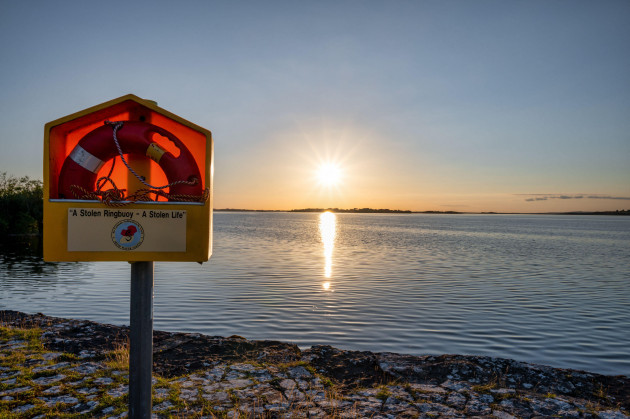
Boy (15) dies after getting into difficulty in Lough Ree Gardaí and emergency services received reports of a person getting into difficulty in the water off Carnakilla Point in Glasson on Saturday evening.
thejournal · about 4 hours ago

Blue zone secrets: How Sardinias elders stay sharp and happy in old age Curiosity, emotional resilience and an active social life seem to be the key ingredients behind Sardinias energised blue zone elders.
euronews · about 4 hours ago
Durante il lockdown suonava la chitarra sui tetti di Piazza Navona, oggi Jacopo Mastrangelo trasloca: Non ci rinnovano il contratto perché diventerà un B&B Cè una Piazza Navona vuota, silenziosa, quasi spettrale. È marzo 2020, lItalia è chiusa in casa per il Covid, e su uno dei tetti che si affacciano sulla piazza più scenografica di Roma spunta un diciannovenne con la chitarra elettrica. Si chiama Jacopo Mastrangelo, è uno studente al liceo, e quella sera decide di suonare […] Larticolo Durante il lockdown suonava la chitarra sui tetti di Piazza Navona, oggi Jacopo Mastrangelo trasloca: Non ci rinnovano il contratto perché diventerà un B&B proviene da Il Fatto Quotidiano.
il fatto quotidiano · about 4 hours ago
Avertisment al Inspectoratului pentru Situații de Urgență: Pericolele ascunse din apă pot fi fatale și pentru cei care știu să înoate Oficialii Inspectoratului General pentru Situații de Urgență au transmis, duminică dimineață, un nou avertisment pentru persoanele care aleg să își petreacă timpul în apropierea apelor. „Apa nu iartă, avertizează pompierii, subliniind că adâncimea apei, curenții, diferențele de temperatură sau obstacolele ascunse pot pune în pericol chiar și persoanele care știu să înoate.
digi24 · about 4 hours ago
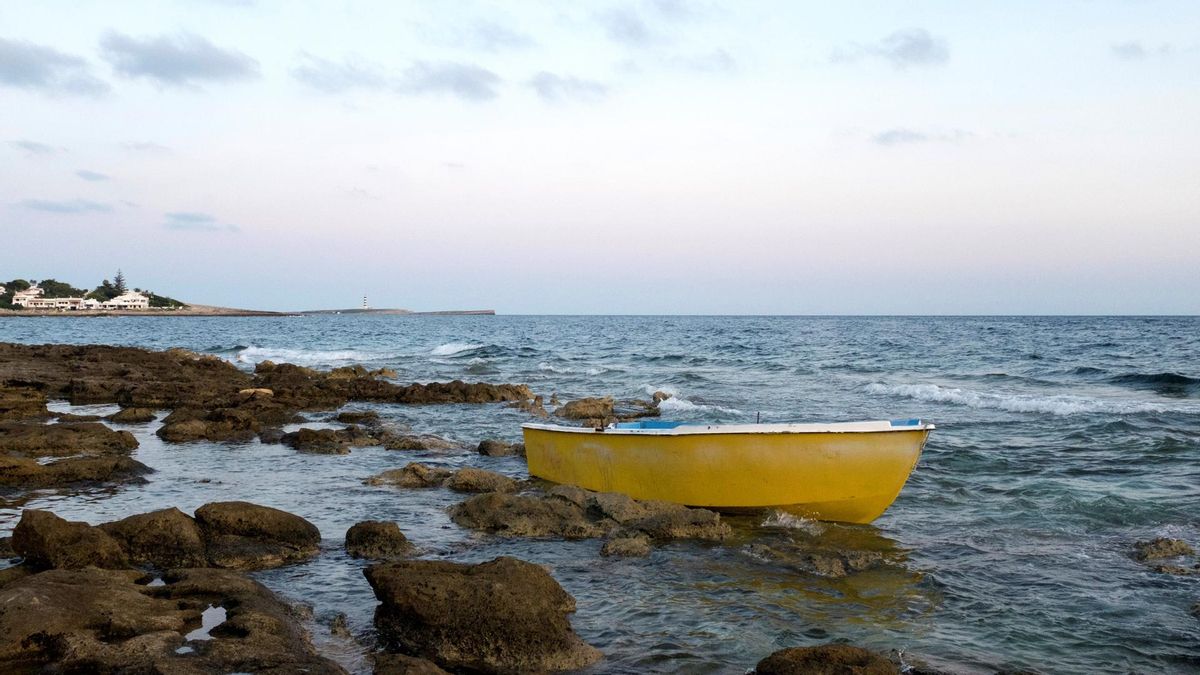
Desaparecen dos personas migrantes tras saltar al agua desde una patera al sur de Formentera Ambos se han lanzado al mar para intentar llegar a nado a la costa. La Guardia Civil y Salvamento Marítimo han rescatado a otras 13 personas que viajaban en la misma embarcación, localizada a 14 millas Balears, laboratorio de la necrofrontera: la travesía migratoria deja más de 1.000 muertos y desaparecidos en 2025 Dos migrantes permanecen desaparecidos después tras lanzarse al mar para intentar llegar a nado a Formentera desde una patera interceptada este sábado al sur de la isla. La Guardia Civil y Salvamento Marítimo han rescatado a otras 13 personas que viajaban en la misma embarcación, localizada a 14 millas al sur de la isla. Según ha informado la Delegación del Gobierno en Balears, el operativo de rescate se llevó a cabo sobre las 21.30 horas de este sábado. Los ocupantes de la embarcación, todos ellos de origen magrebí, explicaron a los equipos de rescate que cinco personas se habían lanzado al agua antes de la intervención. Tres de ellas pudieron ser rescatadas por el Servicio Marítimo de la Guardia Civil, mientras que las otras dos no han podido ser localizadas hasta el momento. Con esta última llegada, ascienden a 56 los migrantes llegados a Formentera durante la jornada del sábado, después de que otras 43 personas alcanzaran la isla a bordo de tres pateras distintas. Según el recuento realizado por Europa Press a partir de los datos de la Delegación del Gobierno y del Ministerio del Interior, el número de personas llegadas de forma irregular a Baleares en embarcaciones precarias asciende ya a 3.128 en lo que va de año.
eldiario.es · about 4 hours ago

„Geraten Ertrinkende in Panik, klammern sie sich an allem fest – auch an ihrem Retter Bei Badeunfällen sind im Juni fast 100 Menschen ums Leben gekommen. Zwei Rettungsschwimmer erklären, wie auch Laien einen Ertrinkenden aus dem Wasser holen können – ohne selbst in Gefahr zu geraten.
welt.de · about 4 hours ago

Badevergnügen als Risiko – Tipps und Regeln für sicheres Schwimmen Für mindestens 99 Menschen endete das Badevergnügen im Juni in Deutschland tödlich. Sicher schwimmen zu können und Gefahren einschätzen zu können, ist elementar. Eine Übersicht zu Wissen und Regeln für sicheres Baden sowie dazu, was Eltern vor dem ersten Kurs tun sollten.
welt.de · about 4 hours ago
KI-Einsatz im Streaming: Der Ton macht die Kunst Der Film „Deadly Patient wurde wegen gnadenlos schlechter KI-Synchronisation von Amazon entfernt. Probleme sind damit nicht gelöst. mehr...
taz.de · about 4 hours ago
:format(jpg)/f.elconfidencial.com%2Foriginal%2F8a1%2Ff80%2F7e6%2F8a1f807e67ce28feb2c920f74d0e7a4b.jpg)
Muere ahogado un joven de 28 años en el pantano de San Juan en Madrid Emergencias 112 Comunidad de Madrid ha detallado que el joven se encontraba en la zona con varios amigos cuando se recibió la primera alerta solicitando ayuda
el confidencial · about 4 hours ago
Cireșele se strică în pomi. Pomicultorii, disperați, se gândesc să renunțe la livezi: „Vindem sub costul de producție De la unul dintre cele mai căutate fructe ale începutului de vară, cireșele au ajuns să rămână neculese în livezi. În multe zone ale țării, prețurile s-au prăbușit, iar costurile de producție îi împing pe pomicultori spre pierderi semnificative.
adevarul · about 4 hours ago
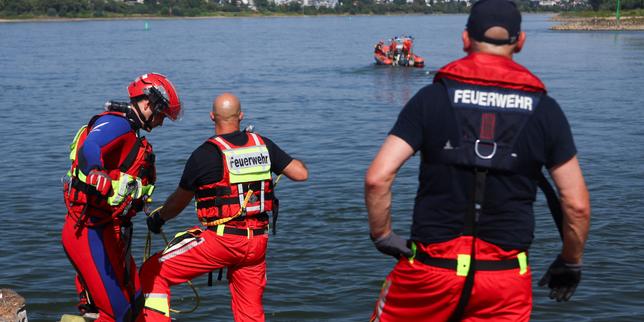
Drownings surge in Germany since start of stifling heat Since last month, 99 people have drowned, according to official figures.
le monde · about 4 hours ago
Mees elas neli kuud talumatu valu käes, kuni ta tuharad «plahvatasid» 25-aastane britt Owen Williams, kes elab Warwickshireis kannatas üle nelja kuu talumatute valude käes tuharapiirkonnas. Vaatamata korduvatele visiitidele erinevate meedikute juurde, ei suutnud arstid pikka aega tema sümptomite tegelikku põhjust tuvastada. Õige diagnoos ja abi saabusid alles siis, kui olukord muutus kriitiliseks.
postimees · about 4 hours ago
‚Vezmeme ho do teplejch a jdeme. Historický zvon se vrátil zpět do věže v Dalovicích Do věže kostela Panny Marie Utěšitelky v Dalovicích u Karlových Varů se vrátil původní zvon. Obec tím dokončila opravu věže, kterou si vyžádal špatný stav její konstrukce. Zvon se na své místo vrátil po několikaměsíční opravě ve zvonařské dílně.
irozhlas.cz · about 4 hours ago
Partner van zanger Mick Harren na bevalling op intensive care beland: Vreselijke situatie Voor zanger Mick Harren (58) liggen vreugde en verdriet momenteel dicht bij elkaar. De zanger werd zaterdag vader van dochter Rocka Elena, maar kort na de bevalling kreeg zijn partner Kim (37) ernstige complicaties waarna ze met spoed werd geopereerd. Ze ligt momenteel op de intensive care, vertelt de zanger aan Shownieuws.
rtl nieuws · about 4 hours ago

100.000 „Regelungssachverhalte – wenn Bürokratie ein Schwimmbad zerstört 30 Grad, Freibad geschlossen – im Waldbad Sieversen südlich von Hamburg zeigt sich exemplarisch, wie Bürokratie und unsinnige Vorschriften einen wichtigen Teil der Daseinsvorsorge lahmlegen. WELT war vor Ort.
welt.de · about 4 hours ago
Ebola cases top 1,800 in DR Congo as virus reaches fourth province The Democratic Republic of the Congos Health Ministry confirmed Saturday that Ebola infections have surpassed 1,800 with 648 deaths since May, as the outbreak caused by the Bundibugyo strain spreads to a fourth province despite international emergency declarations.
yenisafak · about 4 hours ago
Kan vara så att mitt blod räddar någons liv Sverige behöver dubbelt så många blodgivare som i dag, men utvecklingen går åt fel håll. Allt färre ger blod – särskilt yngre män. Många har nog inte förstått hur viktigt det är, säger Jacob, 19.
svenska dagbladet · about 4 hours ago
:format(jpg)/f.elconfidencial.com%2Foriginal%2F2bb%2F309%2F5f8%2F2bb3095f833eb1298390209eeb3400c0.jpg)
Muere el obrero herido tras caer desde cuatro metros en Valldemossa (Palma de Mallorca) La consellera del área, Catalina Cabrer, también ha transmitido su condolencia a familiares y allegados a través de las redes. Todo el apoyo de la Conselleria y del Ibassal para investigar este accidente, ha indicado
el confidencial · about 4 hours ago