
Toyota dethrones Ferrari with first Le Mans win since 2021
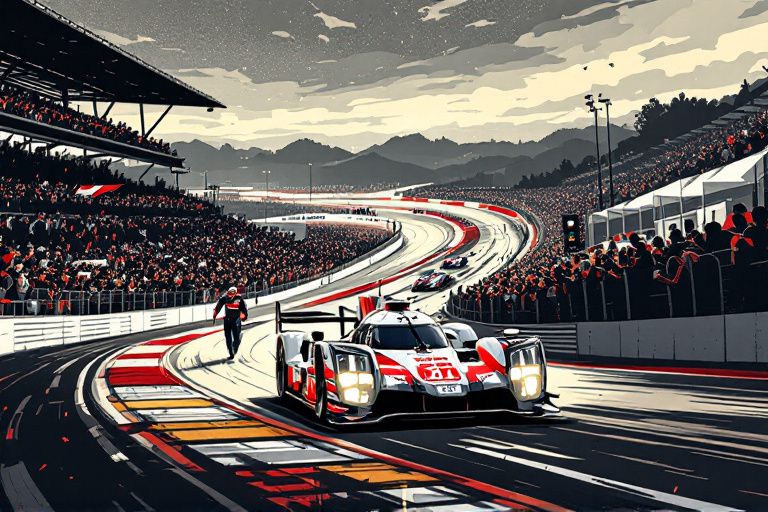
Ferrari’s recent dominance at the 24 Hours of Le Mans ended on Friday after Toyota secured a commanding victory in the 2026 edition, marking the Japanese manufacturer’s first triumph at the iconic endurance race since 2021. The result, confirmed by multiple French and Spanish motorsport outlets , shattered Ferrari’s three-year streak and underscored the unpredictability of endurance racing, where strategy and reliability often eclipse raw speed.
Toyota’s No. 8 GR010 Hybrid, driven by Sébastien Buemi, Kazuki Nakajima, and Ryo Hirakawa, crossed the finish line ahead of the Ferrari 499P of Antonio Fuoco, Miguel Molina, and Nicklas Nielsen. The race, held on 14-15 June 2026 at Circuit de la Sarthe, unfolded under challenging conditions, with heavy rain and fluctuating temperatures testing both machines and crews. Ferrari, which had claimed victories in 2023, 2024, and 2025, entered the event as the clear favorite but was outmaneuvered by Toyota’s flawless execution in pit stops and energy management.
The outcome carries symbolic weight. Toyota’s return to the top step at Le Mans—where it last triumphed in 2021—comes after years of development and setbacks, including a controversial disqualification in 2022. The victory also coincided with Toyota’s concurrent win in the NASCAR race at Pocono, a rare double-header achievement that highlighted the manufacturer’s versatility across disciplines. “This win is not just about speed,” said team principal Rob Leupen. “It’s about resilience, adaptability, and the ability to perform under pressure when it matters most.”
Ferrari’s defeat raises questions about the Italian marque’s future in endurance racing. Despite its recent successes, the Scuderia’s focus on Formula 1 has left its Hypercar program vulnerable to rivals with dedicated resources. Analysts note that Ferrari’s 2026 Le Mans campaign suffered from inconsistent tire wear and slower stints in mixed conditions, issues that Toyota’s GR010 Hybrid handled with greater consistency.
The race also served as a reminder of Le Mans’ unpredictable nature. A collision involving two LMP2 cars midway through the event triggered a lengthy safety car period, reshuffling the leaderboard and forcing teams to recalibrate their strategies. The incident highlighted the fine margins that separate victory from defeat in a race where every second counts over 24 hours.
With the 2026 season now in the rearview, attention turns to 2027, where both manufacturers are expected to intensify their efforts. For Toyota, the win reaffirms its status as a force in endurance racing. For Ferrari, it signals a need for introspection—and possibly a renewed commitment to its Hypercar project. One thing is certain: Le Mans, as ever, has delivered a result that no one saw coming.
- 3
- 2
- 1
- 1
- 1
- 1
- 1
- 1
- 1
Articles

ERILINE ⟩ Jan Uuspõld kolis oma uue kallimaga majja, millel on tema jaoks sügava tähendusega minevik Näitleja Jan Uuspõld ja koomik Liisel Nelis on kolinud koos Hiiule ühisesse koju, mis on televaatajatele tuntud kultussarja võttepaigana.
postimees · about 5 hours ago

Si tu mécoutes : ce numéro nest plus attribué Depuis vendredi sur Netflix, Zoey Deutch joue les Meg Ryan dans une comédie romantique prototypique rendant un gentil hommage à Nora Ephron. ...
la libre · about 5 hours ago

TF1 dévoile ses nouveautés 2026 Entre arrivée sur Netflix, retour de ses grands formats et nouvelles créations originales, TF1 a dévoilé une rentrée 2026 riche en surprises. ...
la libre · about 5 hours ago
,xPosition=.5,yPosition=.5;Resize=(1200,675)&impolicy=medium)
Pippi Langstrømpe vender tilbage i ny animeret tv-serie
dr.dk · about 5 hours ago
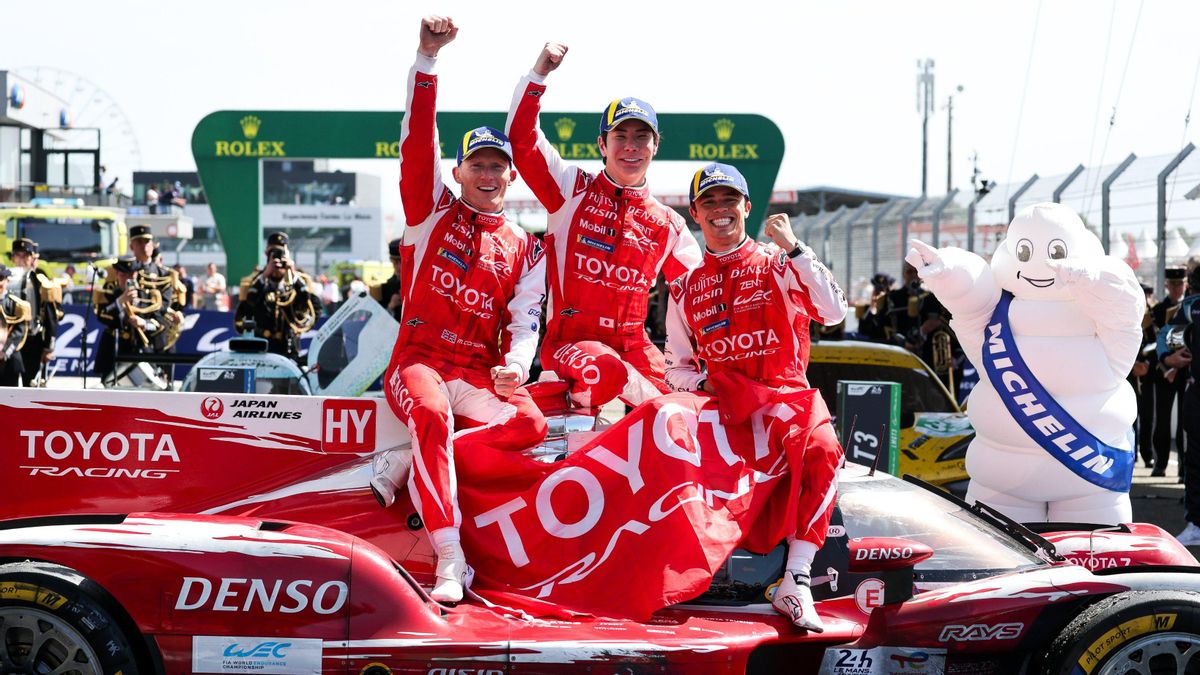
Toyota recupera Le Mans y rompe el dominio reciente de Ferrari Las 24 Horas de Le Mans volvió a vivir una carrera abierta y emocionante con una reñida lucha en la que Ferrari cedió su dominio a Toyota. Lo analiza el Podcast Técnica Fórmula 1Hamilton resucita a Ferrari en Barcelona (y abre una nueva pregunta en la F1) La edición de 2026 de las 24 Horas de Le Mans llegó condicionada por una coincidencia difícil de justificar para los aficionados: la gran cita francesa compartió protagonismo con el Gran Premio de Barcelona-Catalunya de Fórmula 1. Mirando de reojo Dos de los grandes acontecimientos del automovilismo mundial se pisaron en el calendario, obligando a mirar de reojo entre Montmeló y La Sarthe. Y aun así, Le Mans volvió a hacer lo que siempre hace: construir una carrera larga, cambiante, estratégica y llena de giros. Esta vez, además, con un desenlace de enorme peso simbólico: Toyota regresó a la victoria y arrebató a Ferrari el dominio que la marca italiana había ejercido en las últimas ediciones. La victoria de Toyota no fue un simple resultado Fue una respuesta. Después de ver cómo Ferrari se había convertido en la referencia reciente de la prueba, la marca japonesa volvió a imponerse en el escenario donde construyó buena parte de su prestigio moderno en resistencia. Ganar Le Mans siempre es importante; volver a ganarla después de perder el control de la prueba lo es todavía más. La carrera fue reñida y tuvo varios cambios de guión. En una prueba de 24 horas, la velocidad pura nunca basta. Hace falta ritmo, sí, pero también fiabilidad, gestión del tráfico, lectura de las neutralizaciones, precisión en boxes y capacidad para sobrevivir a la noche. Toyota fue capaz de reunir todo eso en una edición en la que el equilibrio entre fabricantes volvió a ser uno de los grandes atractivos. Ferrari llegaba con el peso de sus victorias recientes y con la autoridad de quien había cambiado el relato de Le Mans en los últimos años. Su regreso triunfal a la resistencia había sido uno de los grandes acontecimientos del automovilismo moderno, pero esta edición demostró que el dominio en La Sarthe nunca está garantizado. En Le Mans, la historia pesa, pero no gana carreras Toyota firmó un fin de semana casi redondo para la marca. A la victoria en Le Mans se sumó también su triunfo en Pocono dentro de la Nascar, con Denny Hamlin. Dos victorias de enorme visibilidad en disciplinas muy distintas, en un mismo fin de semana, que refuerzan la amplitud competitiva del fabricante japonés. La edición dejó también varias lecturas deportivas. La resistencia vive un momento especialmente interesante, con más fabricantes, más igualdad y más capacidad para generar carreras abiertas. Le Mans ya no es una prueba dominada por un único actor sin oposición clara. La variedad de proyectos y filosofías técnicas ha devuelto a la carrera un punto de incertidumbre que le sienta muy bien. Ese equilibrio también aumenta el valor de la victoria. Ganar en una época de competencia amplia exige algo más que una buena ejecución. Obliga a acertar durante meses en el desarrollo del coche, durante días en la preparación y durante 24 horas en cada decisión. Cualquier error, por pequeño que sea, puede convertirse en una vuelta perdida, una reparación larga o una oportunidad desperdiciada. La carrera también tuvo momentos polémicos, omo suele ocurrir en una prueba donde conviven distintas categorías, diferentes velocidades y una presión constante. El tráfico sigue siendo parte esencial de Le Mans. Los Hypercar no compiten en una pista limpia, sino en una carrera compartida, donde doblar bien, elegir el momento adecuado y no asumir riesgos innecesarios forma parte del oficio. Pilotos españoles en Le Mans Para los pilotos españoles, Le Mans volvió a ser una cita de enorme interés. La presencia de nombres nacionales con opciones importantes añade un atractivo especial para el aficionado, aunque la coincidencia con la Fórmula 1 dificultó el seguimiento en directo. En cualquier caso, la prueba francesa volvió a recordar que el automovilismo español no vive sólo pendiente de los Grandes Premios. La victoria de Toyota cierra una edición que devuelve movimiento al relato reciente de Le Mans. Ferrari había marcado el camino en los últimos años, pero Toyota ha demostrado que sigue teniendo la estructura, la experiencia y la capacidad para recuperar la cima. En una carrera tan dura, eso nunca es casualidad. Le Mans no perdona a quien llega medio preparado. Tampoco regala victorias por historia. Toyota lo sabe bien: sufrió durante años antes de ganar y ahora ha vuelto a hacerlo cuando la competencia es más dura que nunca. Por eso este triunfo pesa. Porque no sólo devuelve a Toyota a lo más alto. También confirma que Le Mans vuelve a estar donde debe: en una pelea abierta, prestigiosa y difícil de controlar hasta el final.
eldiario.es · about 5 hours ago
Shani van Hoey lekte affaire Megan Desaever en Luca Tor: Heb gezegd haar relatie kapot te maken De rel rond Megan Desaever (26) en Luca Tor (26) uit A.S.S. Anti Survival Show krijgt een nieuw hoofdstuk. Tijdens de reünie wordt opnieuw gesproken over hun vermeende affaire, die eerder deze week extra aandacht kreeg nadat bekend werd dat Megan en haar man Oliver samen in relatietherapie gaan op televisie vanwege haar overspel. Ook Shani van Hoey (28) doet een opvallende onthulling over hoe het verhaal destijds bij de juicekanalen terechtkwam.
rtl nieuws · about 5 hours ago
Leb wohl, Pippi Langstrumpf: Erster Wettbewerb für Grabreden in Wien [premium] Literarische Figuren nach ihrem Tod würdigen – dazu ruft Wiens erster Grabredenwettbewerb auf, von Batman bis zur kleinen Raupe Nimmersatt.
die presse · about 5 hours ago
«Game of Thrones»-Ableger: Neue Staffel von «Game of Thrones»-Ableger feiert Premiere
die zeit · about 5 hours ago
YouTube-Horror erobert das Sommerkino Von der „Neudefinition des Sommerblockbusters hat kürzlich die „New York Times („NYT) geschrieben. Die Horrorfilme „Obsession und „Backrooms, beide von YouTubern erdacht, erobern derzeit die US-Kinocharts. „Backrooms startet nun auch in den österreichischen Kinos – und ist in vielerlei Hinsicht bemerkenswert. Der 20-jährige Kane Parsons baute das im Internet viel diskutierte Gruselphänomen der „Liminal Spaces zunächst zu einer Webserie aus – und hat nun mit einem erfahrenen Filmteam einen Kinofilm daraus gemacht.
orf.at · about 5 hours ago

The 5 at 5: Friday Five minutes, five stories, five oclock…
thejournal · about 5 hours ago
TF1 pactise avec Netflix pour faire face aux nouveaux usages et à leffondrement de la publicité Laccord de distribution conclu en 2025 entre la chaîne privée la plus populaire et la plateforme de contenus la plus répandue en France est entré en vigueur vendredi, donnant accès à toute loffre de TF1 aux abonnés de Netflix.
le monde · about 6 hours ago
Fernsehkrimi: Berliner „Tatort: Aljinovic kehrt für eine Folge zurück Fernsehkommissar Mark Waschke bekommt in einem neuen Fall Unterstützung von seinem Vorgänger. Schauspieler Boris Aljinovic kehrt für eine Episode zurück - wann man ihn sehen kann.
tagesspiegel · about 6 hours ago

Berliner "Tatort": Boris Aljinovic kehrt für eine Folge zurück Hilft seinem Nachfolger bei einem Fall. Die Ausstrahlung ist für Anfang 2027 geplant
der standard · about 6 hours ago
Joost Klein eert overleden vriend met tatoeage na auto-ongeluk De 27-jarige Martijn van Eijseren, beter bekend als Stuntkabouter is betrokken geweest bij een heftig auto-ongeluk. Hierbij is de 28-jarige regisseur Ilya Vierhout om het leven gekomen. Van Eijseren die vaak aan de zijde van Joost Klein te zien is, mag Frankrijk niet verlaten. Ook Joost is aangeslagen door de gebeurtenis en vereeuwigd zijn goede vriend op zijn lijf.
rtl nieuws · about 6 hours ago