
EU warns of 100 billion-plus energy cost surge as Middle East war disrupts supplies

Story Timeline
3 days · 3 summary articles
EU warns of 100 billion-plus energy cost surge as Middle East war disrupts supplies
Europe fuel shortages to hit airports as Middle East conflicts cut supply routes
ContinuationGlobal energy crisis sends jet fuel to record 194 per barrel, squeezing European industries and households
Europe faces a €100 billion-plus surge in energy costs this year due to the Middle East war, with no additional gas or oil supplies secured, EU Energy Commissioner Dan Jørgensen said on Tuesday.
Speaking ahead of an informal meeting of EU energy ministers in Dublin, Jørgensen stated the bloc had paid over €100 billion ($113 billion) extra for energy in 2026 without receiving “one extra molecule of gas or oil.” He warned that high prices would persist, straining households and industries already grappling with elevated fuel costs. In Portugal, diesel and petrol prices rose by 62 and 43 cents per liter, respectively, since the war began, according to the Directorate-General for Energy and Geology.
The conflict has disrupted oil markets, with the closure of the Strait of Hormuz—once handling 20% of global oil trade—pushing fuel prices to nearly 50% above pre-war levels in some countries. Jørgensen noted that 50 million Europeans already struggle to heat their homes in normal winters, and the current crisis risks deepening energy poverty. The commissioner emphasized the need to accelerate the EU’s shift from fossil fuels, citing ongoing negotiations on grid upgrades to stabilize supplies.
Gas storage levels across the EU stand at about 70%, the lowest in 13 years, following a cold winter and summer heatwaves that increased demand for power generation. European benchmark gas prices, though down from mid-September peaks, remain far above 2025 levels, with Dutch TTF front-month gas trading at €72-73 per megawatt hour this week, compared to €32 a year ago.
Follow us for live European news
Articles

September records Denmarks highest raw electricity prices since December 2022 Low wind and limited sunshine combined with high gas prices pushed Denmarks raw electricity prices to their highest monthly level in nearly four years, according to energy company OK. The average raw electricity price in September was 1.07 DKK per kilowatt-hour east of the Great Belt and 1.05 DKK west of it. VAT, taxes and […]
cphpost · about 4 hours ago
EU energy commissioner warns of high energy prices this winter; calls for faster renewable transition EU countries should prepare for high energy prices this winter and move faster to reduce their dependence on imported fossil fuels, Energy Commissioner Dan Jørgensen said Tuesday. Jørgensen spoke after meeting EU energy ministers in Dublin, where he said the blocs energy supply is not currently under threat. We expect very high prices, he said. […]
cphpost · about 4 hours ago
"Gazu może zabraknąć". Niemcy ratują się importem energii z polskiego węgla - Trudno dziś wiarygodnie przewidywać, jakie będą ceny ropy, gazu i węgla za miesiąc, czy za kilka miesięcy. Faktem natomiast jest, że magazyny gazu w Europie są na najniższym poziomie od wielu lat - podkreśla w rozmowie z WNP Bogusław Ziętek, przewodniczący związku zawodowego Sierpień 80.
wnp.pl · about 4 hours ago
Węgla nie braknie, ale jest problem z cenami. Minister mówi o systemowej pułapce Węgla tej zimy nie zabraknie - uspokaja minister aktywów państwowych Wojciech Balczun. Znacznie trudniejsza jest sytuacja cenowa. Między spółkami górniczymi a energetyką trwają rozmowy o cenach węgla, a szef MAP mówi wprost o "systemowej pułapce": tani surowiec pomaga energetyce, ale uderza w część kopalń i ogranicza ich możliwości inwestycyjne.
wnp.pl · about 4 hours ago
"Węgla w Polsce nie zabraknie". Pytanie, jakiego węgla Ceny węgla przed sezonem grzewczym wyraźnie rosną. Na razie da się kupić opał w kraju, a rządzący zapewniają, że go nie zabraknie, choć krajowe kopalnie nie są w stanie pokryć całego zapotrzebowania. Dlatego osobną kwestią jest, skąd przybywa do Polski. W wielu składach dominuje surowiec z Kazachstanu, który do Europy trafia przez rosyjskie porty.
wnp.pl · about 4 hours ago
Węgiel potrzebny jak nigdy, więc mocarstwo "wciska gaz do dechy". Zarobić mogą polskie firmy Azjatyckie mocarstwo, jakim są Indie, zamierza mocno zwiększać wydobycie węgla oraz rozwijać przetwórstwo czarnego złota. Idzie to w zupełnie przeciwnym kierunku, jaki obrała Unia Europejska. Polityka klimatyczno-energetyczna UE nie redukuje bowiem emisji światowych, tylko przesuwa je geograficznie. I jest to proces, który stale narasta. I na tym wzroście chcą też zarobić polskie firmy z sektora górniczego.
wnp.pl · about 4 hours ago
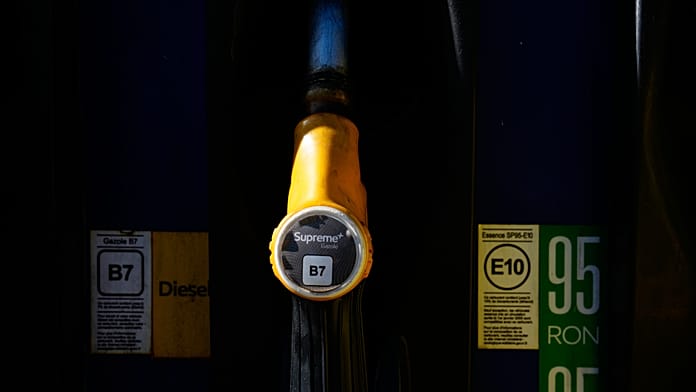
Diesel taxes in Europe: Which countries charge the most? Diesel has overtaken petrol as Europes most expensive fuel, at a record €2.226 per litre. Yet EU governments still tax it about 12 cents less than petrol.
euronews · about 4 hours ago