Loading…
 Sunday, September 27Sunday, September 27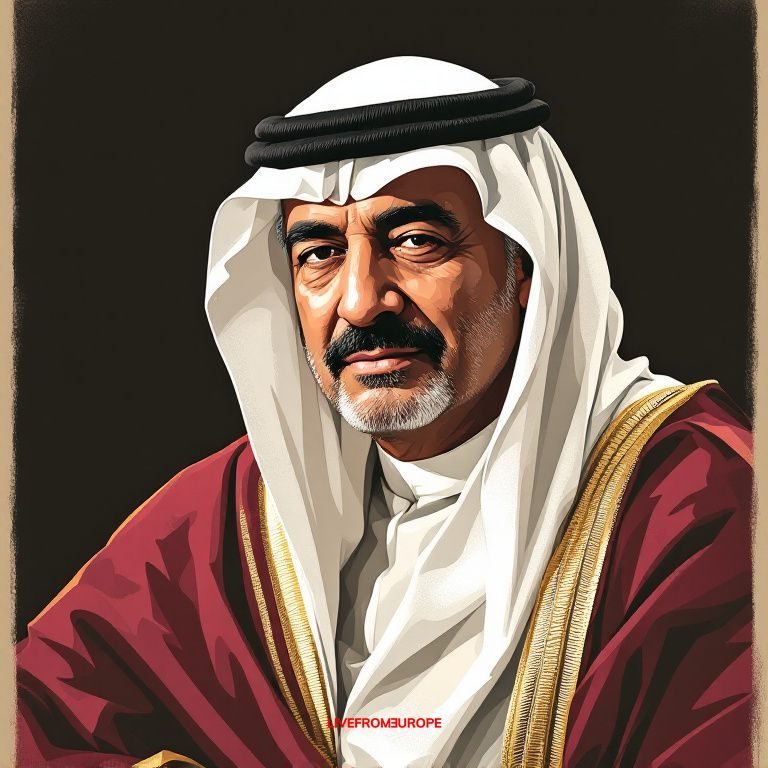
3 months · 3 summary articles
Former Qatari Emir Sheikh Hamad bin Khalifa Al Thani dies aged 74 after transforming Gulf state
Former Qatari emir Sheikh Hamad bin Khalifa Al Thani dies aged 74
Former Qatari emir Sheikh Hamad bin Khalifa Al Thani dies aged 74
Sheikh Hamad bin Khalifa Al Thani, the former Emir of Qatar who transformed the tiny Gulf state into a global energy, diplomatic, and media powerhouse, has died at the age of 74. His death was announced by the Qatari government on Sunday, July 12, 2026.
Sheikh Hamad, who ruled Qatar from 1995 until his voluntary abdication in 2013, was known for his visionary leadership that catapulted Qatar onto the world stage. During his 18-year reign, he oversaw the expansion of Qatar's liquefied natural gas (LNG) industry, the founding of the international television channel Al Jazeera, and the country's rise as a significant player in global diplomacy and investment.
The state-run Qatar News Agency reported his death but did not provide a cause. Sheikh Hamad had been in poor health for years before his abdication, which was seen as a strategic move to ensure a smooth transition of power to his son, Sheikh Tamim bin Hamad Al Thani.
Under Sheikh Hamad's leadership, Qatar experienced unprecedented growth and development. The country's population grew from around 500,000 in 1995 to over 2 million in 2013, largely due to an influx of migrant workers. He also played a crucial role in securing the 2022 FIFA World Cup for Qatar, which further boosted the country's global profile.
Sheikh Hamad's rule was marked by a series of bold and often controversial policies. He established Al Jazeera, which became a major source of news in the Arab world and beyond, although it was often criticized for its perceived bias. He also pursued an independent foreign policy, which included maintaining close ties with Iran, the Palestinian militant group Hamas, and Egypt's Muslim Brotherhood, often straining relations with regional and Western allies.
His voluntary abdication in 2013 was a rare event in the Middle East, where leadership changes are often the result of death or overthrow. Sheikh Hamad's decision to step down was seen as an attempt to stay ahead of Arab Spring-inspired calls for reform and to ensure a smooth transition to a new generation of leadership.
The current Emir of Qatar, Sheikh Tamim bin Hamad Al Thani, has declared a four-day mourning period following his father's death. Global leaders and dignitaries have offered their condolences and praised Sheikh Hamad's legacy.
British King Charles and Queen Camilla expressed their deep sadness at the news of Sheikh Hamad's death. In a statement, they said they were deeply saddened by the loss and offered their condolences to Sheikh Hamad's family and the people of Qatar.
Sheikh Hamad is survived by his three wives and 24 children. His legacy as the architect of modern Qatar is expected to endure, with many crediting him for the country's rapid development and its prominent role on the global stage.
Looking back at his life, Sheikh Hamad bin Khalifa Al Thani was born into the Al Thani family, which has ruled Qatar since the mid-19th century. He took power in 1995 after deposing his father in a bloodless palace coup. His rule was marked by a series of ambitious projects and policies that transformed Qatar from a relatively obscure Gulf state into a major player on the world stage.
One of his most significant achievements was the expansion of Qatar's LNG industry, which turned the country into one of the world's leading exporters of natural gas. This economic transformation allowed Qatar to invest heavily in infrastructure, education, and healthcare, as well as to pursue an ambitious foreign policy.
Sheikh Hamad also played a key role in the establishment of Al Jazeera, which became one of the most influential news organizations in the world. The channel was praised for its independent reporting but also faced criticism for its perceived bias and its role in shaping public opinion in the Arab world.
In addition to his domestic and regional policies, Sheikh Hamad was known for his efforts to position Qatar as a mediator in international conflicts. He played a key role in brokering peace deals and facilitating dialogue between warring parties in various conflicts around the world.
Despite his many achievements, Sheikh Hamad's rule was not without controversy. His close ties to Iran and his support for groups like Hamas and the Muslim Brotherhood often put him at odds with regional and Western allies. However, his vision and leadership were widely recognized as having played a crucial role in shaping modern Qatar.
As Qatar mourns the loss of its former leader, the world remembers Sheikh Hamad bin Khalifa Al Thani as a transformative figure who left an indelible mark on his country and the broader region. His legacy as the architect of modern Qatar is expected to endure for generations to come.
Follow us for live European news
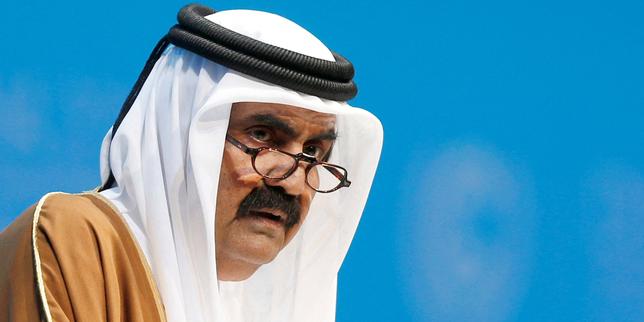
Hamad Ben Khalifa Al Thani, ancien émir du Qatar, est mort à lâge de 72 ans Lancien souverain, qui avait déposé son père, le cheikh Khalifa, lors dune révolution de palais, en 1995, avait hérité dun petit émirat marginal aux caisses presque vides, dont il a fait un acteur majeur de léchiquier régional et international.
le monde · 3 months ago

Huthi-Rebellen in Jemen: Die Hoffnung stirbt erneut In Jemen ist der bislang größte Gefangenenaustausch vorerst gescheitert. Ob er doch noch zustande kommt, hängt vor allem an einer Frage. mehr...
taz.de · 3 months ago
Pilotul român Adrian Rus - Sinner a murit într-un accident în Cehia. Anunțul Federației Române de Motociclism Pilotul român Adrian Rus – Sinner a murit sâmbătă, în cadrul etapei Alpe Adria International Motorcycle Championship de la Brno, din Cehia, a anunțat Federația Română de Motociclism.
digi24 · 3 months ago
Qatar mourns Father Emir Sheikh Hamad bin Khalifa Al Thani
aljazeera · 3 months ago
Grondlegger van modern Qatar sjeik Hamad op 74-jarige leeftijd overleden De voormalig Qatarese emir Hamad Bin Khalifa Al Thani is op 74-jarige leeftijd overleden. Dat heeft de regering bekendgemaakt. Hij regeerde van 1995 tot 2013 over de Golfstaat en wordt gezien als de grondlegger van het moderne Qatar.
nu.nl · 3 months ago
Britse royals reageren diep bedroefd op overlijden emir van Qatar Koning Charles (77) en koningin Camilla (78) hebben diep bedroefd gereageerd op het overlijden van de voormalige emir van Qatar, Hamad bin Khalifa Al Thani. Dat deelt het Britse hof in een bericht op sociale media. De overheid van Qatar maakte zondag bekend dat de voormalige leider op 74-jarige leeftijd is overleden. Het Britse koningspaar leeft mee met zijn familie en de Qatarese bevolking.
rtl nieuws · 3 months ago
Addio allex emiro Al Thani, artefice del moderno Qatar Sheikh Hamad bin Khalifa Al Thani ha guidato il Paese dal 1995 al 2013 per poi abdicare in favore del quarto figlio. Storico alleato degli Usa, con lui fu lanciata Al Jazeera e furono assegnati i Mondiali di calcio del 2022
corriere · 3 months ago
Key moments from former Qatar Emir Sheikh Hamad bin Khalifa Al Thanis life Sheikh Hamads 18-year rule catapulted Qatar to prosperity and reshaped its domestic, regional and global footprint.
aljazeera · 3 months ago
„Urvater der Roten Karte: Antonio Rattin ist tot
orf.at · 3 months ago
Qatars Sheikh Hamad bin Khalifa al-Thani dies aged 74 Former ruler was known for modernising gas-rich Gulf state and pursuing regional dialogue rather than confrontation
financial times · 3 months ago
Motorrijder omgekomen bij ongeluk met bestelbusje op A2 bij Best Op de snelweg A2 is zondagmiddag een motorrijder overleden na een ongeluk. Dat gebeurde ter hoogte van het Brabantse Best. De snelweg richting Den Bosch is afgesloten.
nu.nl · 3 months ago
Duitse moeder duwt kinderwagen net op tijd weg voor trein, maar komt zelf om Een 26-jarige Duitse vrouw is zaterdagavond om het leven gekomen toen ze werd aangereden door een trein. Ze wist net op tijd de kinderwagen met daarin haar tweejarige dochter van het spoor te duwen.
nu.nl · 3 months ago
Qatars former Emir Sheikh Hamad bin Khalifa Al Thani dies at 74 Qatars Amiri Diwan announced on Sunday that former Emir Sheikh Hamad bin Khalifa Al Thani has died at the age of 74, saying the royal family mourns the passing of the transformational leader who modernized the Gulf state during his 18-year rule before abdicating in 2013.
yenisafak · 3 months ago
Unfälle: Motorradfahrer ohne Führerschein verunglückt
die zeit · 3 months ago
Qatars former ruler Sheikh Hamad bin Khalifa Al Thani has died at age 74, state news agency says Sheikh Hamad bin Khalifa Al Thani has died at age 74
abcnews · 3 months ago
Former Emir of Qatar Sheikh Hamad bin Khalifa Al Thani dies: Reactions After Sheikh Hamads death, global leaders offer condolences, praise his legacy and Qatars growth.
aljazeera · 3 months ago
Flugsport: Paragleitunfälle in den Alpen - Deutsche und Italiener tot Eine Deutsche wird tot in einer Baumkrone entdeckt. Ein erfahrener italienischer Pilot stirbt kurz nach dem Start, seine deutsche Mitfliegerin überlebt. Bei weiteren Unfällen werden Deutsche verletzt.
tagesspiegel · 3 months ago
Ursache noch unklar: Zwei Tote bei Flugzeugabsturz in Österreich Zwei Tote und zwei Schwerverletzte. Ein Flugzeug stürzte in schwer zugänglichem Gelände ab. Was bisher zu dem Unglück bekannt ist.
tagesspiegel · 3 months ago
Fostul emir al Qatarului, șeicul Hamad bin Khalifa Al Thani, a murit la vârsta de 74 de ani. A fost artizanul dezvoltării țării Emirul-fondator al Qatarului, șeicul Hamad bin Khalifa Al Thani, a decedat la vârsta de 74 de ani, anunță Al Jazeera, care citează un comunicat al Amiri Diwan al statului Qatar, adică organismul suveran și biroul administrativ al emirului.
digi24 · 3 months ago
Na območju Frischaufove poti na Mlinarsko sedlo našli mrtvega madžarskega pohodnika Po podatkih PU Kranj je helikopterska ekipa v soboto popoldne na območju Frischaufove poti na Mlinarsko sedlo našla mrtvega madžarskega pohodnika, ki so ga prepeljali v dolino.
rtv slovenia · 3 months ago

Qatar anuncia morte do antigo emir xeque Hamad O xeque Hamad bin Khalifa Al Thani, que foi responsável por grandes transformações no Qatar, faleceu aos 74 anos, anunciou a agência estatal qatari. Não foi revelada a causa da morte.
observador · 3 months ago
Potsdams stiller Wohltäter: Günther Jauch wird 70 Jahre alt Der TV-Journalist und Unternehmer Günther Jauch lebt seit fast drei Jahrzehnten in Potsdam. Er hat die Stadt an vielen Orten verändert – ohne viel darüber zu reden.
tagesspiegel · 3 months ago
Photos: Qatari Father Emir Sheikh Hamad bin Khalifa Al Thani Sheikh Hamad, who ruled Qatar from 1995 to 2013 and stepped aside to make his son Sheikh Tamim emir, dies aged 74.
aljazeera · 3 months ago
Sheikh Hamad bin Khalifa Al Thani: key mediations
aljazeera · 3 months ago
How Sheikh Hamad bin Khalifa Al Thani built Qatars soft power Leader known as Qatars father emir was able to redefine his nations position on the political map of the Middle East.
aljazeera · 3 months ago
Former Emir Sheikh Hamad Bin Khalifa Al Thanis legacy in Palestine
aljazeera · 3 months ago
Britischer Royal auf Heimatbesuch: Prinz Harry macht beim Ziegen-Yoga mit – und wird getreten Welche Gedanken hatte wohl Harry, als er in einem Gehege den intensiven Blickkontakt mit einem gehörnten Huftier suchte? Eine andere Übung endete schmerzhaft.
tagesspiegel · 3 months ago
O reformista do deserto: morreu o antigo emir do Qatar, xeque Hamad Morreu, aos 74 anos, o xeque Hamad bin Khalifa al-Thani. O antigo emir do Qatar, que tomou o poder num golpe em 1995, modernizou o país e protagonizou uma abdicação rara ao passar o cargo ao filho.
publico · 3 months ago
Qatars tidligere emir er død Sjeik Hamad bin Khalifa al-Thani, som styrte Qatar fra 1995 til 2013, er gått bort.
aftenposten · 3 months ago
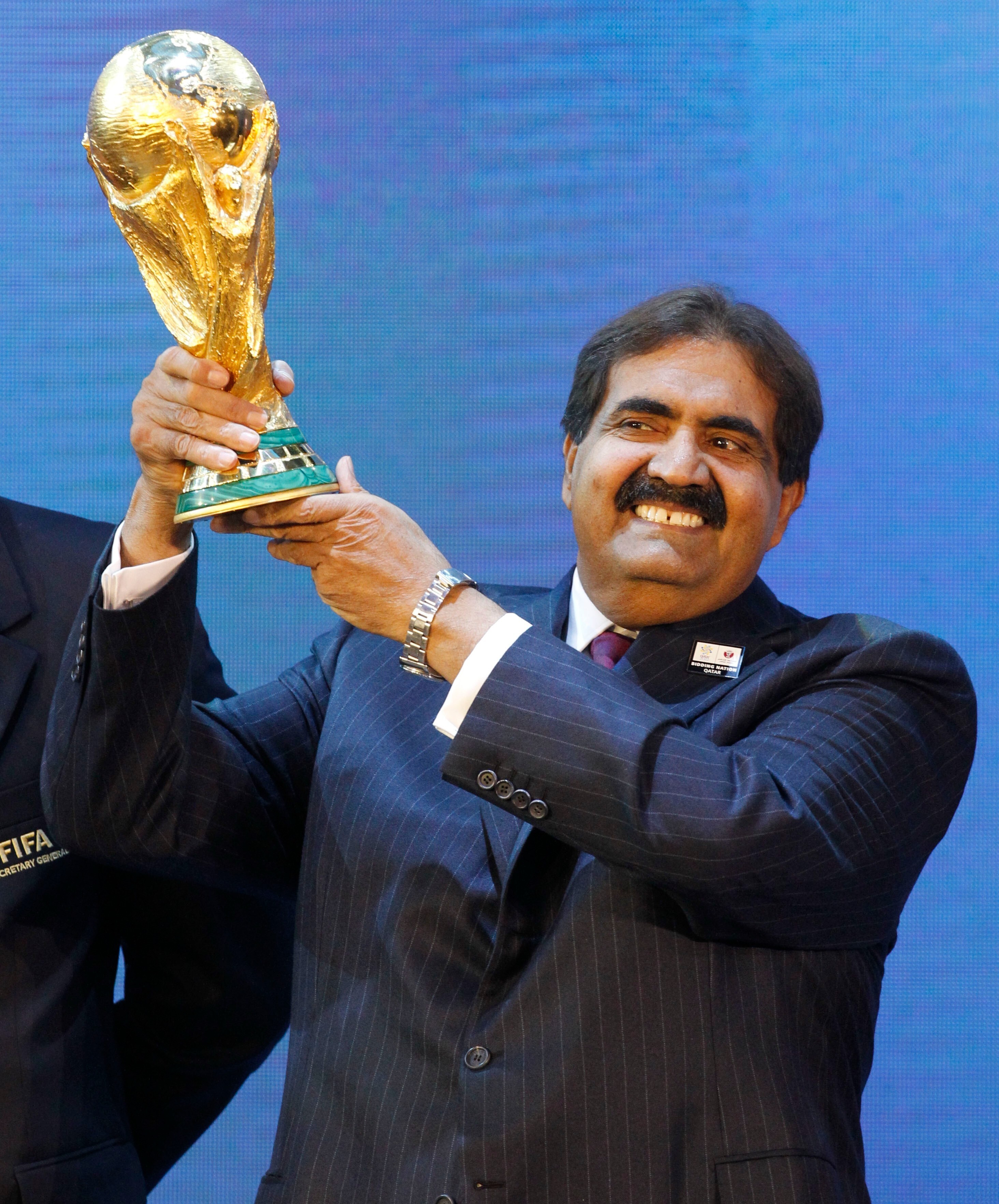
Muere el ex emir de Qatar, el jeque Hamad bin Jalifa al Thani, a los 74 años, padre del actual soberano y esposo de la fascinante jequesa Moza Fue soberano del emirato desde 1995 hasta que abdicó en 2013 y cedió la corona a su hijo, Tamim bin Hamad Al Thani Leer
elmundo · 3 months ago