 Monday, June 8Monday, June 8
Villa Coco: Andrew Sean Greer’s Tuscan Satire Arrives as a Literary Summer Delight
Andrew Sean Greer’s long-awaited novel *Villa Coco* lands in bookshops today, offering readers a sun-drenched, fish-out-of-water comedy set against the rolling hills of Tuscany. The Pulitzer Prize-winning author of *Less* delivers a breezy confection of insecurity, self-discovery, and aristocratic eccentricity, inspired by his own two-year tenure directing the Santa Maddalena Foundation outside Florence. The story follows Gio, a hapless American hired as adjutant to the eponymous Baronessa Lisabetta, whose crumbling villa hides priceless artworks—and a pine marten wreaking havoc among the roses.
Gio’s duties—pruning, cataloguing, and hunting the Baronessa’s “mortal enemy”—are rendered with Greer’s signature wit, as the narrator oscillates between bewilderment and reluctant affection for his employer’s world of camel saddles, hat racks, and Sisyphean maintenance. The novel’s charm lies in its gentle satire of privilege and pretension, leavened by the camaraderie of a staff that includes a Sri Lankan cook, her husband, and a Lebanese factotum, all united in their Sisyphean task of keeping Villa Coco afloat. “There’s a place in Italy in need of someone,” Greer writes in the opening lines. “Why don’t you look into that?”
The book arrives as part of a broader cultural moment celebrating escapist fiction. Just weeks after Apple TV’s *Widows Bay*—a horror-comedy hit—proved that audiences crave genre-blending entertainment, *Villa Coco* positions itself as a literary counterpart: a sunlit, witty escape that eschews the grim realism of recent releases. Critics have already hailed it as a tonic for weary readers. “Unless Apple has been secretly trialling a new strategy where they directly pay everyone I know to tell me how good its shows are,” one reviewer quipped, “*Widows Bay* has become the biggest word-of-mouth hit that television has had in years.”
Greer’s Tuscan idyll also resonates with the growing appetite for “Tradwife” novels—works that explore the allure of simpler, rural lives amid the pressures of modern careers. Yet where such narratives often veer into nostalgia or critique, *Villa Coco* sidesteps didacticism, opting instead for a lighthearted meditation on belonging. The Baronessa’s world, with its dilapidated grandeur and eccentric inhabitants, becomes a stage for Gio’s reluctant transformation, a journey that feels both timeless and urgently contemporary.
For readers seeking respite from the week’s heavier headlines—from the Dutch doctor who fooled the Nazis with a fake typhus epidemic to the ongoing debate over single women’s societal acceptance—*Villa Coco* offers a timely reminder of literature’s power to transport. Greer’s novel, like the best comedies, finds humor in human folly without mocking its characters. It is, in short, a summer read that delivers exactly what it promises: fun in the Tuscan sun.

O celebră franciză de film s-a întors cu un nou titlu după 13 ani și e un succes instant Studioul Paramount a venit în sălile de cinema un nou film „Scary Movie iar succesul său din weekendul de debut arată de ce Hollywood insistă, uneori în mod agasant, cu francize, în loc să mizeze pe lungmetraje originale, arată Variety. „Scary Movie 6, care a ajuns în sălile de cinema la 13 ani după anteriorul …
hotnews.ro · about 2 hours ago

Los mejores estrenos de cine en verano: Spider-Man, los Minions, La Odisea, Vaiana... En verano, los taquillazos se agolpan en la cartelera. En las salas podremos ver estrenos tan potentes como Spider-Man: Brand New Day, el remake con personajes de carne y hueso de Vaiana, el terror de Insidious: fuera del más allá y la animación representada por Tadeo Jones y la lámpara mágica, Minions & Monsters y La patrulla canina: la dinopelícula. Un verano, como se puede comprobar, para no quedarse en casa. Leer
expansion · about 2 hours ago
Questa settimana la mia seconda chemio, si ricomincia: Natalia Paragoni si taglia i capelli dopo linizio delle cure per il linfoma di Hodgkin Pochi giorni dopo aver annunciato la diagnosi di linfoma di Hodgkin, linfluencer Natalia Paragoni ha condiviso sui social la decisione di tagliare drasticamente i capelli. A seguito della prima seduta di chemioterapia, Paragoni ha iniziato a perdere alcune ciocche. Attraverso un video pubblicato nelle storie di Instagram, ha documentato il momento in cui ha diviso […] Larticolo Questa settimana la mia seconda chemio, si ricomincia: Natalia Paragoni si taglia i capelli dopo linizio delle cure per il linfoma di Hodgkin proviene da Il Fatto Quotidiano.
il fatto quotidiano · about 2 hours ago
Mi volevano operare al seno per una doppia mastectomia. Io sapevo di non avere il cancro e avevo ragione, erano tumori benigni: lo rivela Sharon Stone Sharon Stone si racconta senza filtri nel podcast Person Who Believed, ripercorrendo uno dei momenti più difficili della sua vita. Lattrice americana, che ha recentemente compiuto 68 anni, ha riportato alla luce una vicenda risalente al 2000, quando si è trovata ad affrontare una diagnosi medica che si è rivelata successivamente errata. Un errore che […] Larticolo Mi volevano operare al seno per una doppia mastectomia. Io sapevo di non avere il cancro e avevo ragione, erano tumori benigni: lo rivela Sharon Stone proviene da Il Fatto Quotidiano.
il fatto quotidiano · about 2 hours ago
Se una coppia smette di fare sesso non è destinata al divorzio. Non dipende tutto da quello. Si vivono periodi. E poi cosa siamo: delle macchinette?: parla Syria Si intitola La storia più bella il nuovo singolo di Syria, che è tornata alle scene dopo quasi 10 anni, già con il brano Speranza feat. Inoki, pubblicato lo scorso 30 gennaio. La storia più bella per me rappresenta la celebrazione dellamore. – ha spiegato Syria nelle note del disco – Nella sua semplicità racchiude […] Larticolo Se una coppia smette di fare sesso non è destinata al divorzio. Non dipende tutto da quello. Si vivono periodi. E poi cosa siamo: delle macchinette?: parla Syria proviene da Il Fatto Quotidiano.
il fatto quotidiano · about 2 hours ago
Ci hanno fatto trovare dei fiori dopo il matrimonio, ma cè un problema: Alessandro Matri gela i fan dopo lindiscrezione su Federica Nargi Nelle ultime ore il web si era riempito di messaggi di auguri e congratulazioni per un presunto matrimonio tra Alessandro Matri e Federica Nargi. Una notizia che aveva rapidamente fatto il giro dei social e alimentato lidea che una delle coppie più amate dello spettacolo italiano avesse finalmente pronunciato il fatidico sì in gran segreto. […] Larticolo Ci hanno fatto trovare dei fiori dopo il matrimonio, ma cè un problema: Alessandro Matri gela i fan dopo lindiscrezione su Federica Nargi proviene da Il Fatto Quotidiano.
il fatto quotidiano · about 2 hours ago
Eloise van Oranje blaast 24 kaarsjes uit: dit maakt haar zo geliefd Eloise van Oranje blaast maandag 24 kaarsjes uit. De oudste dochter van prins Constantijn (56) en prinses Laurentien (60) groeide op in de schijnwerpers, maar maakte de afgelopen jaren vooral naam op haar eigen manier. Naast gravin is ze uitgegroeid tot een populaire influencer met een trouwe groep volgers.
rtl nieuws · about 2 hours ago
llja Gort schrijft voor het eerst vanuit vrouwelijk perspectief Ilja Gort heeft voor het Zomerlezengeschenk 2026 voor het eerst een roman geschreven vanuit het perspectief van een vrouw. Dat maakte de schrijver maandag bekend.
rtl nieuws · about 2 hours ago
Mariska Bauer kijkt met gezonde spanning uit naar theaterdebuut: Het is nu of nooit Met een mix van enthousiasme en zenuwen bereidt Mariska Bauer (50) zich voor op haar eigen theatershow Maris, Wat Eten We Vandaag?. In gesprek met Bridget Maasland (51) vertelt ze hoe het idee ontstond en waarom ze juist nu besloot de uitdaging aan te gaan.
rtl nieuws · about 2 hours ago

Wie wir anfangen, unsere Vergangenheit umzuschreiben Immer häufiger wird Vergangenheit nach den Maßstäben der Gegenwart korrigiert. Jetzt hat auch Wim Wenders einen Film aus dem Verkehr gezogen. Zwar ist der Fall besonders gelagert, doch erzählt er viel über ein neues Kulturverständnis.
welt.de · about 2 hours ago

„Jede Beförderung würde zu noch mehr Arbeit führen, noch mehr Verantwortung, mehr Zeit im Büro Die Sehnsucht moderner Frauen nach einem Hausfrauenleben auf dem Land hat ein neues Genre hervorgebracht: den Tradwife-Roman. Was, wenn die feministische Idee von der Karriere in der Stadt gar nicht glücklich macht?
welt.de · about 2 hours ago
Van Cleef & Arpels und die Sammlung des MAK: Ein Paartanz der Kostbarkeiten [premium] Ein Novum für Wien: Das Museum für angewandte Kunst macht mit der Luxusmarke Van Cleef & Arpels gemeinsame Sache und zeigt eine thematisch angelegte Sammlungsschau in sechs Kapiteln.
die presse · about 2 hours ago
Ein Alptraum in der Puppenkiste In der Suche nach den kulturellen Vorläufern seiner „Traumdeutung hat Sigmund Freud die Oper so gut wie ausgelassen. Fündig hätte er freilich bei Jacques Offenbach und den Traumabenteuern seines Hoffmann werden können. An der Volksoper ist seit Sonntagabend zu sehen, was passiert, wenn man „Hoffmanns Erzählungen quasi im Schweinsgalopp durch die Welt der Traumdeutung treibt. Die Sehnsucht nach der Geliebten strandet an der Monsterpuppe.
orf.at · about 2 hours ago

Tagung über Marcel Beyer: Sein Zeitbegriff ist nicht der eure Wie man Kryptisches druckreif macht, können Germanisten von einem Dichter lernen, der ihr Fach studiert hat: Das Lyrik Kabinett München war Schauplatz einer Tagung zum sechzigsten Geburtstag von Marcel Beyer.
faz · about 2 hours ago

Doku über Kylie Minogue: Wie man als Popstar Sexismus und Bigotterie überlebt „Kylie zeichnet den Weg der Popsängerin Kylie Minogue vom Teenie-Star zur selbst bestimmten Künstlerin nach. Sie musste sich in der männerdominierten Musikwelt emanzipieren. Dabei hat sie einen erstaunlichen Verbündeten.
faz · about 2 hours ago

Single-Shaming: Sind wir immer noch nicht bereit für die glückliche Singlefrau? Hollywoodkomödien kommen nicht ohne Liebesbeziehungen aus, aber wie ist das im echten Leben? Unsere Autorin ist Single, Solomutter von Zwillingen – und wird ohne Mann oft nicht ernst genommen. Muss das sein?
faz · about 2 hours ago
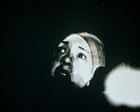
It soothes me: why The Blair Witch Project is my feelgood movie The latest in our series of writers highlighting their most rewatched comfort films is a dread-filled journey into the woodsIm not sure I could blame anyone for choosing, as their feelgood film, a film in which the characters feel good. Cinema is supposed to manipulate us emotionally - thats the whole point. Nemo feels good when hes found, and we feel good for him. By this logic, horror films should make us feel bad. So, when it was released in 1999, why did The Blair Witch Project – a film in which three film students are hunted, terrorised and presumably killed by an unseen entity – make nearly $250m at the box office? Thats the same as Love Actually. Of all the millions of people who paid to sit and watch Eduardo Sánchez and Daniel Myricks claustrophobic found-footage nightmare, Im sure that not a single one of them entered the cinema hoping for their day to be ruined.I was technically too young to see The Blair Witch Project when it came out, but like so many other children of laissez-faire 90s parents, I found a way. And that way was a friends sleepover. Fingers slick with Pizza Hut grease, we slid the 15 certificate VHS cassette into the player and gleefully waited to have the shit scared out of us. And it did. But not in the way we were used to. Up until this point, Id seen the likes of Hellraiser, Candyman and Nightmare on Elm Street – horror meant guts strewn across the screen like party streamers. But what Blair Witch lacked in viscera is made up for in pure, uncut dread. The fact that you never even see the titular witch somehow made it even more terrifying. Believe me, in the imagination of a child whod been fed horror films like multipack breakfast cereals, that witch was scarier than Pinhead and Freddy Kruegers bastard baby. And I … loved her? Continue reading...
theguardian · about 2 hours ago
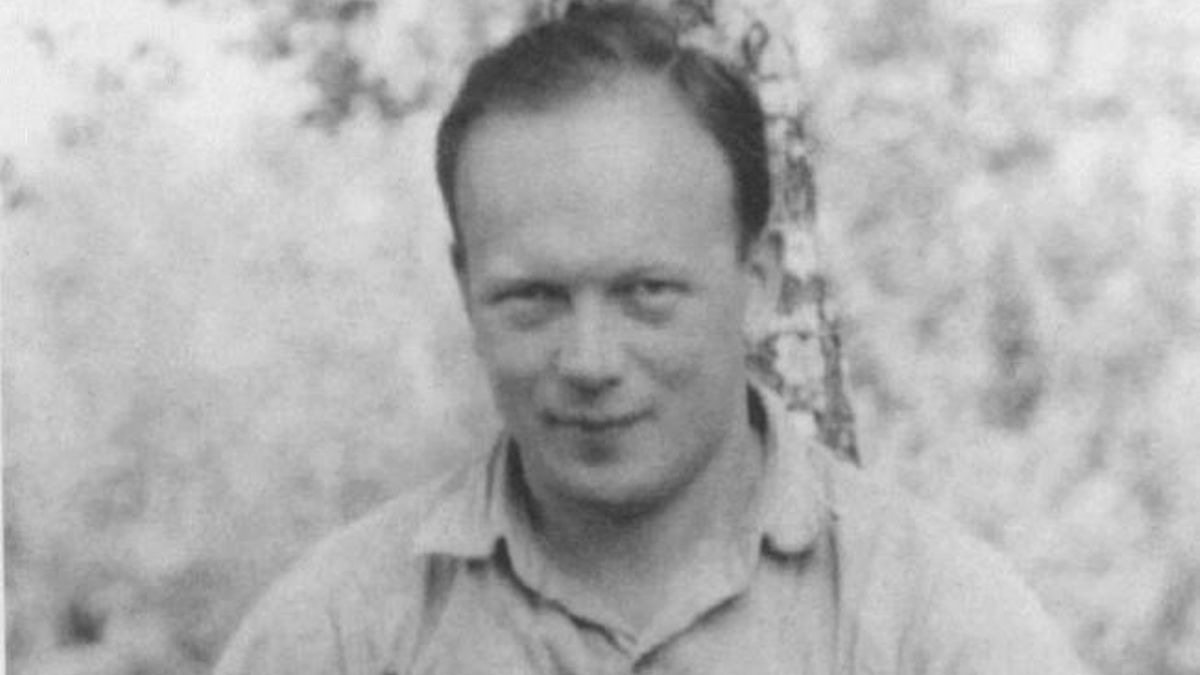
"Están enfermos": el "Schindler polaco" que salvó la vida a 8.000 judíos del exterminio nazi con una mentira Eugeniusz Łazowski creó un sistema que hacía que las personas dieran positivo en tifus y consiguió engañar al régimen de HitlerHija de judíos, se convirtió en la única mujer holandesa que fue ejecutada por colaborar con los nazis Burlar al régimen que Hitler y los suyos pusieron en pie a partir de 1933 no era fácil, pero algunas personas consiguieron hacerlo. Fue el caso de Eugeniusz Łazowski, un doctor polaco que, con su ingenio y su conocimiento científico, consiguió engañar al nazismo y salvar la vida de 8.000 judíos, que se libraron de ir a los campos de exterminio nazi. ¿Cómo? Engañando a la Gestapo. Łazowski obtuvo su título de médico antes del estallido de la Segunda Guerra Mundial. Tras servir al ejército polaco durante el conflicto, Łazowski fue internado en un campo de prisioneros de guerra soviético del que consiguió escapar. Sin embargo, su vida cambió para siempre tras la ocupación de los nazis de Polonia. En aquel momento, el hombre vivía en un pequeño pueblo llamado Rozwadów, donde tenía su propia consulta médica y atendía a los pacientes de la zona. Lo hacía junto a Stanisław Matulewicz, su amigo de la facultad, que también jugó un papel clave en esta historia. Para octubre de 1941, una ordenanza nazi estableció la pena de muerte para cualquier polaco no judío que ayudara a una persona de origen judío. Sin embargo, Matulewicz y su amigo decidieron poner en riesgo su vida solo por ayudar a los miles de judíos que vivían cerca de su pueblo. Durante meses, Łazowski suministraba medicamentos de forma clandestina a los judíos que vivían en el gueto local, ubicado muy cerca de su casa. Ese fue el principio de esta aventura. Engañar al régimen con una infección Más allá de la violencia, había una cuestión que preocupaba especialmente a las autoridades del Tercer Reich. Hablamos del tifus epidémico, una enfermedad contagiosa muy peligrosa que los alemanes intentaron erradicar durante aquella época. Para conseguirlo, el régimen implementó políticas de control sanitario muy estrictas, como la desinfección de espacios y, lo más importante para esta historia, el aislamiento. Cuando se sabía que había una zona afectada por tifus, se suspendían las deportaciones y el reclutamiento hacia campos de concentración, y se imponía una condición: ningún alemán podía pesar ese territorio contaminado. Łazowski aprovechó esta medida y empezó a investigar, hasta que dio con la clave. El médico descubrió que a las personas sanas se les podía inyectar una bacteria que las hacía dar positivo en la prueba del tifus sin experimentar realmente la enfermedad. Un falso positivo perfecto. Y entonces pasaron a la acción. Matulewicz preparaba las muestras en el laboratorio y Łazowski recorría los pueblos buscando pacientes enfermos para aplicarles la inyección, diciéndoles que era un tratamiento para curarlos. Cuando el número de infectados empezó a alcanzar cifras preocupantes, las autoridades alemanas declararon la cuarentena sobre Rozwadów y los pueblos cercanos, y la Gestapo dejó de entrar en la zona. Se estima que la falsa epidemia de tifus salvó a unas 8.000 personas de ser enviadas a campos de concentración alemanes.
eldiario.es · about 3 hours ago

Santi Rodríguez, actor y humorista: Mi ángel de la guarda me ha pedido ya una baja temporal; entre los accidentes y el infarto, no para conmigo El cómico andaluz, de 60 años, explica que nunca ha tenido moto ni ha sido motero, aunque utilizó algunas veces la Vespino de su hermana
la vanguardia · about 3 hours ago
Cristiano Malgioglio: Amanda Lear dice che sono invadente? Mi sono messo a ridere. Potrei anche essermi sposato. Voglio vincere Sanremo, andare allEurovision e poi dire addio alle scene Cristiano Malgioglio è stato ospite di Francesca Fialdini nel salotto di Da noi… a ruota libera, ieri domenica 7 giugno per presentare il nuovo singolo estivo Amore di contrabbando. La prima certezza riguarda il suo ritorno a Tale e Quale Show. Malgioglio sarà ancora una volta tra i protagonisti del programma di Carlo Conti e […] Larticolo Cristiano Malgioglio: Amanda Lear dice che sono invadente? Mi sono messo a ridere. Potrei anche essermi sposato. Voglio vincere Sanremo, andare allEurovision e poi dire addio alle scene proviene da Il Fatto Quotidiano.
il fatto quotidiano · about 3 hours ago
In Edicola sul Fatto Quotidiano del 8 Giugno: dopo la grazia Le chat e gli audio: tutti i racconti di Graciela prima del dietrofront Nessun travisamento. Lex massaggiatrice avrebbe ritrattato. Pubblichiamo alcune trascrizioni di messaggi e telefonate registrate di Thomas Mackinson Ma mi faccia il piacere di Marco Travaglio Autoritratto. Avevamo ragione: siamo tutti puttane (Giuliano Ferrara, Foglio, 4.6). Tu di sicuro, ma […] Larticolo In Edicola sul Fatto Quotidiano del 8 Giugno: proviene da Il Fatto Quotidiano.
il fatto quotidiano · about 3 hours ago
Uscii dalla Casa del Grande Fratello in pigiama. Mi misero in macchina e mi mandarono a fanc**o. Laura Pausini? Mi ha perdonata: parla Alda DEusanio Alda DEusanio ha chiuso con la televisione: Ho smesso con la tv. Non voglio più andarci, nemmeno come ospite. Ho avuto una carriera lunga e faticosa, talmente faticosa che voglio fermarmi qui. Ho dato, non ne ho più bisogno. Quando mi invitano rispondo che ho da fare, dichiara in unintervista rilasciata a Fanpage.it. Si vive […] Larticolo Uscii dalla Casa del Grande Fratello in pigiama. Mi misero in macchina e mi mandarono a fanc**o. Laura Pausini? Mi ha perdonata: parla Alda DEusanio proviene da Il Fatto Quotidiano.
il fatto quotidiano · about 3 hours ago
Van royal tot gravinfluencer: dit is het verhaal van Eloise van Oranje Eloise van Oranje viert haar 24ste verjaardag en is inmiddels uitgegroeid tot een van de meest opvallende jonge royals van Nederland. Als oudste kleindochter van prinses Beatrix (88) groeide ze op in de schijnwerpers, maar koos ze uiteindelijk voor een eigen koers. Wat maakt haar zo populair bij een jong publiek, en waar ligt de grens tussen privé en publiek?
rtl nieuws · about 3 hours ago
Jennifer Lopez straalt in nieuwe film Office Romans: Nog lang niet te oud voor romcoms Good old Jenny from the block is helemaal terug, en hoe. Vanaf vrijdag schittert Jennifer Lopez (56) in de nieuwe Netflix-romcom Office Romance. Ze speelt een onuitstaanbare CEO die, geheel tegen haar eigen strikte regels in, smoorverliefd wordt op een werknemer. Tegelijkertijd is haar hit On the Floor 15 jaar na release opnieuw retepopulair dankzij de hitserie Off Campus.
rtl nieuws · about 3 hours ago
Kleinzoon Mariska Bauer vernoemd naar overleden broer: Cirkel blijft rond De geboorte van haar kleinzoon zorgt bij Mariska Bauer (50) niet alleen voor trots, maar ook voor ontroering. In Bridget& vertelt ze waarom de naam Jan een bijzondere betekenis heeft binnen haar familie.
rtl nieuws · about 3 hours ago