
U.S. defense chief sparks outrage by comparing migration to D-Day invasion
Story Timeline
4 months · 2 summary articles
Pete Hegseth clashes with Margaret Brennan over U.S. military stockpile readiness
ContinuationU.S. defense chief sparks outrage by comparing migration to D-Day invasion
U.S. Defense Secretary Pete Hegseth on Saturday drew global attention by invoking the memory of the 1944 D-Day landings to warn that Europe faces a modern-day “invasion” of “dangerous ideologies” arriving by sea, a speech that immediately sparked condemnation from historians, local officials, and European leaders.
Speaking at Colleville-sur-Mer on the 82nd anniversary of the Allied landings that liberated Nazi-occupied Europe, Hegseth told a gathered audience of veterans, dignitaries, and international press that today’s migration flows represent a comparable threat to the continent’s security and values. “When will European capitals act?” he challenged, drawing a provocative parallel between the 160,000 Allied troops who stormed Normandy’s beaches on 6 June 1944 and the arrival of migrants and asylum seekers on Europe’s southern shores. “Is it too late?”
The remarks were met with swift and sharp backlash. Residents of the small French village of Langrune-sur-Mer, where the international D-Day ceremony was held, told local media that Hegseth’s presence was unwelcome, with one resident quoted as saying his “warlike views” were incompatible with the spirit of remembrance . Historians and rights campaigners were equally scathing. The *Guardian* quoted one historian calling the speech “grotesque stupidity,” accusing Hegseth of “desecrating the memory of the soldiers who fell in Normandy” .
European defense officials also distanced themselves from the remarks. German Defense Minister Boris Pistorius, speaking the same day, announced plans to accelerate military procurement and expand the Bundeswehr to 460,000 personnel by 2039, citing the ongoing threat from Russia as justification for a rapid buildup . Meanwhile, NATO’s eastern allies continue to outpace Western Europe in defense spending, underscoring a widening capability gap within the alliance .
Hegseth’s intervention comes amid broader transatlantic tensions over burden-sharing and migration policy. His speech at a site synonymous with liberation and sacrifice has reframed the debate, but it has also deepened divisions. As one Irish Times analysis noted, European leaders are increasingly focused on balancing U.S. expectations with domestic political realities, with Irish Taoiseach Micheál Martin calling for the EU to “do more” on global conflicts while rejecting simplistic comparisons between historical and contemporary crises .
Follow us for live European news
- 3
- 2
- 1
- 1
- 1
- 1
- 1
- 1
3 further sources not geolocated
Articles

Plaquette onthuld voor Nederlandse bijdrage D-Day: Ere wie ere toekomt In het Franse Arromanches-les-Bains is zondag een herdenkingsplaquette onthuld ter ere van de Nederlandse bijdrage aan D-Day. Bij de operaties rondom Normandië in de Tweede Wereldoorlog werden honderden Nederlandse schepen ingezet en gaven Nederlandse kanonneerboten vuursteun tijdens landingen.
nu.nl · 4 months ago
Nach UN-Niederlage – Afrikanische Ex-Regierungschefs kritisieren Baerbocks Diplomatie Nach Deutschlands Scheitern bei der Wahl für den UN-Sicherheitsrat wächst die Kritik an Ex-Außenministerin Annalena Baerbock aus Afrika. Ehemalige Spitzenpolitiker aus Botswana und Namibia werfen ihr Fehlprioritäten in der Diplomatie vor.
welt.de · 4 months ago
Sprache und Demokratie: Büdenbender mahnt achtsamen Ton im Alltag und in Debatten an Nicht selten werden politische Debatten hierzulande aggressiv und verletzend geführt. Elke Büdenbender ruft im Dom von Brandenburg zu einem respektvollen Ton auf. Der soll schon im Alltag herrschen.
tagesspiegel · 4 months ago
Pentagon chief says Europe faces invasion of dangerous ideologies US Defense Secretary Pete Hegseth warned on Saturday that Europe is facing what he called an "invasion" of "dangerous ideologies" arriving by sea, likening contemporary migration flows to the historic D-Day landings during a ceremony in Normandy while challenging European capitals to take action.
yenisafak · 4 months ago
Germany vows faster military buildup over Russian threat Defense Minister Boris Pistorius said Saturday that Germany will accelerate military procurement and boost defense spending to counter what Berlin sees as an ongoing Russian threat, with the Bundeswehr targeting 460,000 personnel as part of a strategy to become Europes strongest conventional force by 2039.
yenisafak · 4 months ago
Defesa europeia não é igualmente eficaz com ou sem EUA, diz Nuno Melo Ministro da Defesa pede que não se confundam os EUA com a actual administração e rejeita a ideia de um Exército europeu.
publico · 4 months ago
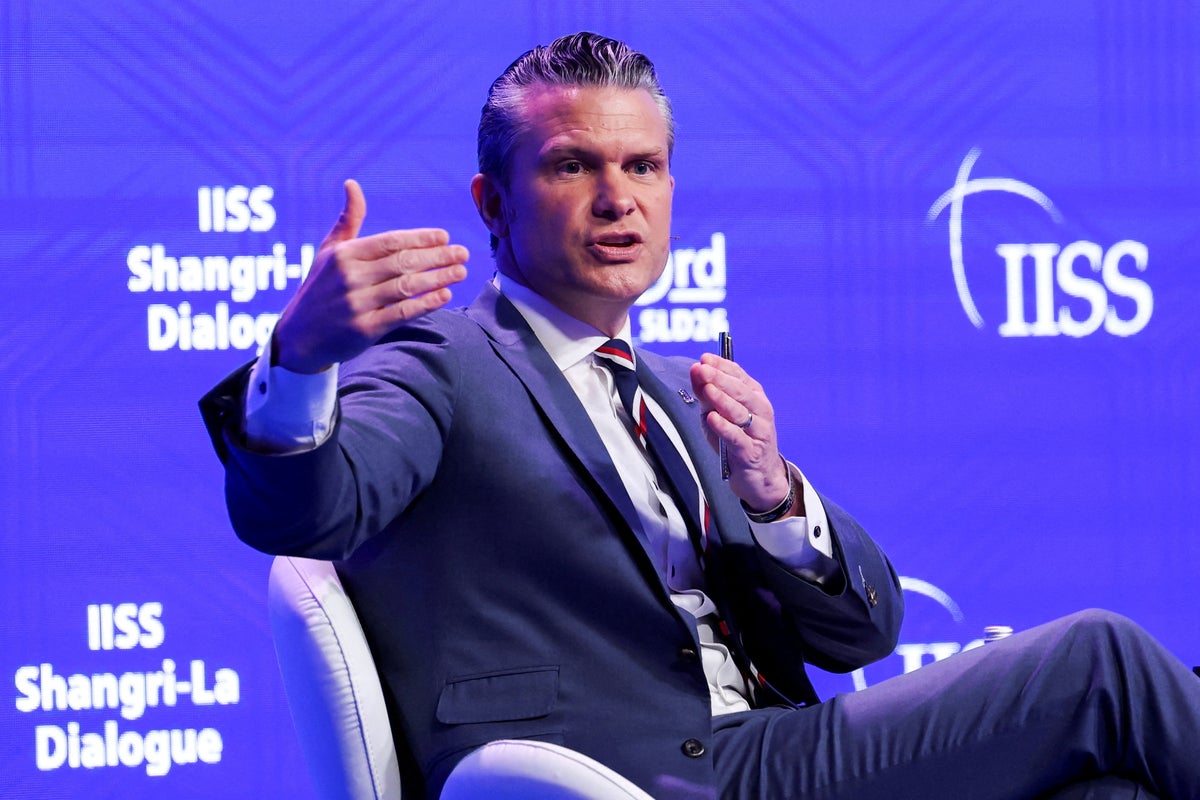
Hegseth says Europe faces invasion of dangerous ideologies while speaking at D-Day event Condemnation of comments by Donald Trumps defence secretary after he uses event to criticise immigration and ask When will European capitals do something... or is it too late?
independent · 4 months ago
Elon Musks Dad Errol, claims Europe is jealous of Russia amid criticism of EU leadership - The Zimbabwe Mail Elon Musks Dad Errol, claims Europe is jealous of Russia amid criticism of EU leadership | Zimbabwe News
gdeltproject.org · 4 months ago
Hegseth lectures European allies on immigration invasion during D-Day anniversary speech in France
gdeltproject.org · 4 months ago
Pom-pom hat a good way to defend against seagulls in Estonia In recent weeks, social media users have complained about aggressive birds that are either protecting their young or trying to snatch food from people. According to an expert, one way to protect yourself from attacks is to wear a hat with a pom-pom on top.
news.err · 4 months ago
Hegseth attacks Europe over migration with beach invasion D-Day speech The US defence secretary was speaking in Normandy, 82 years after allied forces launched their operation to liberate Nazi-occupied north-western Europe.
bbc · 4 months ago

Pete Hegseths D-day speech on immigration condemned as grotesque stupidity Historians and campaigners accuse US defence secretary of desecrating memory of soldiers who fell in NormandyThe US defence secretary, Pete Hegseth, has been accused by historians and rights campaigners of grotesque stupidity and desecrating the memory of the soldiers who stormed the beaches of Normandy after he sought to link immigration to the D-day anniversary, saying Europe was facing a different invasion of its shores.Speaking in north-west France on Saturday to mark the 82nd anniversary of the D-day landings, Hegseth seized on the moment marking the wartime liberation of Europe to reiterate the US administrations longstanding attack on European immigration policies. Continue reading...
theguardian · 4 months ago
Military Deployment Update: 5 Growing Challenges Facing U.S. Troops and Families Washington 2026 WASHINGTON, D.C., June 7 – Brussels Morning Newspaper — military deployment update developments continue to affect thousands of U.S. service members and their families as military operations overseas remain active amid ongoing geopolitical tensions. Extended deployments, changing mission requirements, and heightened readiness levels have become part of daily life for many military households, creating new challenges for troops […]
brussels morning · 4 months ago
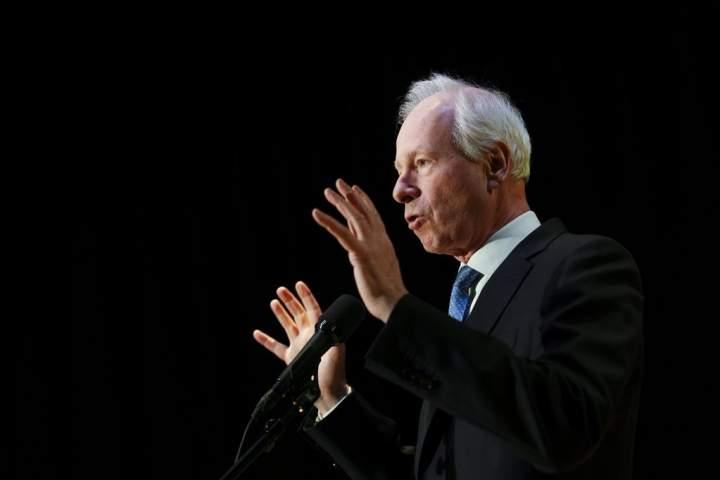
Stéphane Dion says Canada needs more diplomats to build ties with EuropeFormer foreign affairs minister Stéphane Dion says Canada needs to staff its embassies in Europe and set deadlines for the flurry of agreements Brussels signed with Ottawa.#Canada #World #diplomats #Europe
mastodon bot · 4 months ago
Defensie-expert Ko Colijn over hoe vrede en wapenstilstanden uitgehold zijn Defensie-expert Ko Colijn voorziet Nederlanders al vijftig jaar van duiding bij gewapende conflicten. Dit keer bespreekt hij dat wat ooit recht was, nu krom is. En dat begrippen als vrede, internationaal recht en wapenstilstand hun betekenis verliezen.
nu.nl · 4 months ago
D-Day-Rede des US-Verteidigungsministers: Hegseth spricht von „Invasion an Europas Küsten Beim Gedenken an die Landung der Alliierten in der Normandie redet der Pentagon-Chef über vieles. Ein Thema, mit dem er provoziert: Migration. mehr...
taz.de · 4 months ago
Residents of French village say US defense chief Hegseth not welcome for D-Day visit US Defense Secretary Pete Hegseth on Saturday marked the 82nd anniversary of the World War II D-Day landings with a visit to Normandy, but did not attend the international ceremony hosted in Langrune-sur-Mer. Residents said his "warlike views" were unwelcome in their village and questioned his commitment to "democratic values".
france24 · 4 months ago
NATO eastern allies outpace Western Europe in defense spending surge
gdeltproject.org · 4 months ago

Delays to defence investment plan have damaged UKs credibility, say MPs Committee calls for apology from government amid reports navys hunter-killer submarines are all dockedA parliamentary committee that scrutinises public spending has made scathing comments about the impact of delays in the publication of the governments defence investment plan (Dip).The plan, originally expected last autumn, has been repeatedly postponed amid warnings that the military faces a huge funding gap over the next four years. It is due to be published before a Nato summit early next month. Continue reading...
theguardian · 4 months ago