
Norway buys most weapons in Europe, sends troops to Lithuania amid Russia tensions
Norway is making significant military moves, including purchasing the most weapons in Europe and planning to send soldiers to Lithuania as a stance against Russia. Meanwhile, Finland's Border Guard is investigating suspected illegal immigration routes through the country, using Estonia's ship and air traffic.
Norway's recent military activities include the purchase of the most weapons in Europe, as reported by The Nordic Page. Additionally, Norway has announced plans to send soldiers to Lithuania as a measure against Russia.
In Finland, the Border Guard is investigating two cases of suspected illegal immigration. According to STT, the Border Guard suspects that Finland is being used as a transit route for illegal immigration into the EU via the "northern route," which involves using Estonia's ship and air traffic. The Border Guard believes that this human trafficking has been systematic.
On a cultural note, Narva, Estonia, is inviting visitors to explore the city through local-led tours and stories from August 14-16. The event, called #VisitNarvaNext, includes seven themed tours focusing on personal stories rather than just historical sites. Some tours will be offered in English, Estonian, and Russian. Among the tours are walks through childhood memories of Narva in the 1990s, family histories preserved through photos and letters, and a boat trip along the Narva River led by mayor and historian Katri Raik.
The Narva Museum has begun the reconstruction of the Stone Hall and Rondeel at Narva Castle, a project aimed at reducing the energy consumption of the historic structure. This reconstruction is part of a broader effort to preserve and enhance the city's historical sites.
Historically, Scandinavian countries have been seen as models of democracy and prosperity. In the 1930s, leftist movements in Europe looked to Sweden, Norway, and Denmark as examples of societies with high material and spiritual culture, without fascism or political upheavals. This fascination was driven by the political strength of the left in these countries, with socialists coming to power in Sweden in 1920, Denmark in 1924, and Norway in 1928.
In other news, the World Health Organization has warned people to stay alert and help vulnerable populations as cold weather grips Norway and Europe. This warning comes as temperatures drop across the region, posing risks to those who are most vulnerable to the cold.
Additionally, the Organization for Security and Co-operation in Europe (OSCE) has decided not to send election observers to Sweden for the upcoming elections, following a visit to Sweden in the spring. This decision has sparked some discussion about the reasons behind it and what it might mean for the election process in Sweden.
Copenhagen and Helsinki are highlighted as essential Nordic cities to visit, offering unique experiences from design to saunas. These cities continue to attract tourists with their rich cultural heritage and modern amenities.
Follow us for live European news
- 1
- 1
- 1
- 1
- 1
- 1
- 1
- 1
3 further sources not geolocated
Articles

Så blev de Sveriges mest hatade succéband De var länge Sveriges största – och allra mest hatade – rockband. Kritiken gick så långt att bandet polisanmälde en recensent. Vad är det med Takida som väcker sådan vrede?
svenska dagbladet · about 2 hours ago
Norways Former Foreign Minister Receives German Award
gdeltproject.org · about 2 hours ago
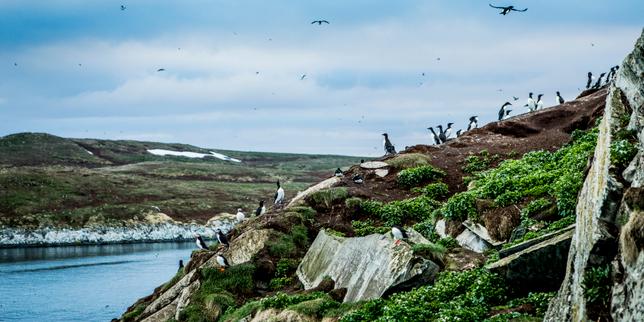
Vol au-dessus de la péninsule norvégienne de Varanger Au-delà du cercle polaire, dans lextrême nord-est de la Scandinavie, guillemots, goélands et cormorans survolent un paysage de toundra et de falaises quasi inhabité.
le monde · about 2 hours ago
Norway Will Send Soldiers to Lithuania against Russia
gdeltproject.org · about 2 hours ago
20 Years of Close Cooperation with Norway - The Nordic Page
gdeltproject.org · about 2 hours ago
WHO warns: stay alert and help vulnerable as cold grips Norway and Europe
gdeltproject.org · about 2 hours ago
Luigi Bignami: Gli Ufo? In Norvegia ne ho viste alcune anchio di luci e non ho spiegazioni possibili. Gli alieni potrebbero aver costruito robot in grado di autoreplicarsi e averi mandati qui sulla Terra Luigi Bignami è instancabile. Il 70enne geologo, esperto astronomo e seguitissimo divulgatore scientifico in tv non si ferma nemmeno ad agosto. Tra poche ore, il 26 luglio su Focus va in onda Perché luniverso sta tremando? Cè vita su Marte? e di nuovo l11 agosto, sempre su Focus, con lo speciale Eclissi – il giorno […] Larticolo Luigi Bignami: Gli Ufo? In Norvegia ne ho viste alcune anchio di luci e non ho spiegazioni possibili. Gli alieni potrebbero aver costruito robot in grado di autoreplicarsi e averi mandati qui sulla Terra proviene da Il Fatto Quotidiano.
il fatto quotidiano · about 3 hours ago
OSSE skickar inga valobservatörer till Sverige Den officiella valobservationsorganisationen OSSE/ODIHR kommer inte att skicka några observatörer till höstens val i Sverige.Det har organisationen beslutat efter ett besök i Sverige i våras.
svenska dagbladet · about 3 hours ago
Immigrant Employment in Norway Did Not Change
gdeltproject.org · about 3 hours ago
Oslo is among Europes worst for drug use - The Nordic Page
gdeltproject.org · about 3 hours ago
Twenty Years After the Wall - The Nordic Page
gdeltproject.org · about 3 hours ago
Open Narva Days offer peek into lesser-known sides of Estonian border city On August 14–16, Narva invites visitors to explore the Northeastern Estonian border city anew through local-led tours, stories and lesser-known corners tourists often miss.
news.err · about 3 hours ago
Failure of the Nabucco Project and Norwegian Connotations
gdeltproject.org · about 3 hours ago
Norway Buys Most Weapons in Europe - The Nordic Page
gdeltproject.org · about 3 hours ago
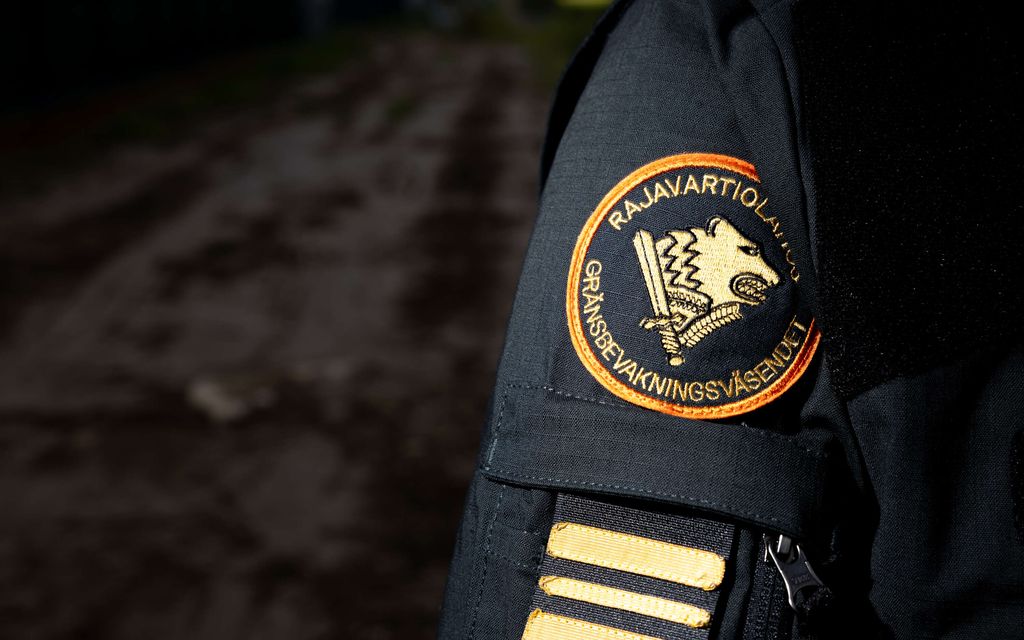
STT: Rajavartiolaitos epäilee: Suomi välietappi "pohjoisella reitillä"
iltalehti · about 4 hours ago
Reconstruction of Narva Castles Stone Hall and Rondeel has begun - The Baltic Times TALLINN - The Narva Museum has begun the reconstruction of the Stone Hall and Rondeel at Narva Castle, a project aimed at reducing the energy co......
baltic times · about 5 hours ago

Copenhague y Helsinki, nórdicos imprescindibles Dos ciudades y dos hoteles desde los que descubrir los placeres del norte, desde el diseño a la sauna
la vanguardia · about 5 hours ago

Doctor Kiril Apostolov shows no sign of being short of breath as he climbs a steep street in the mountain village of Skrat in southwestern Bulgaria, medical briefcase in hand, despite his advanced age. He is 90. u.afp.com/Sr7K
bluesky_AFP English · about 5 hours ago
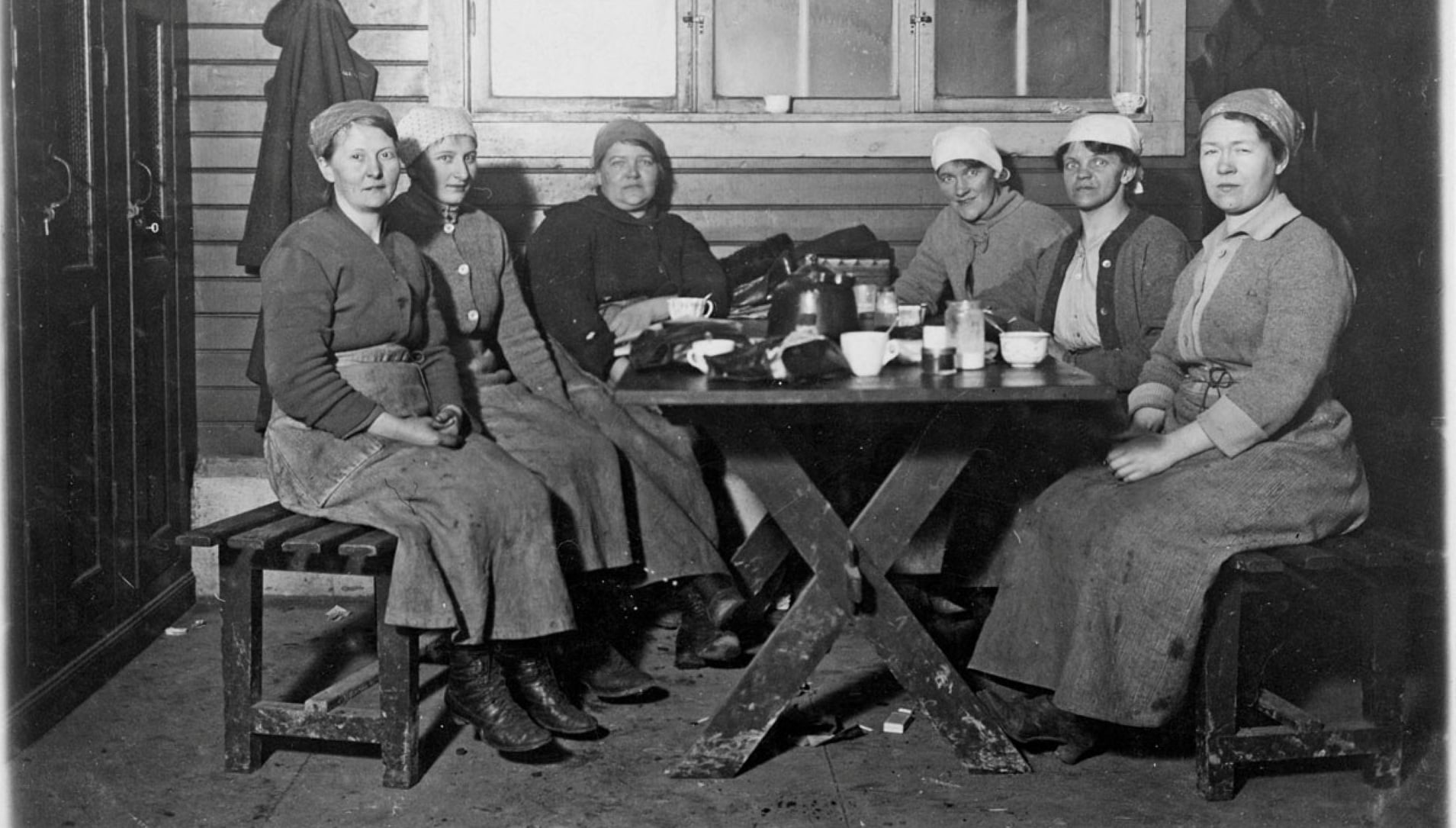
Szczęśliwe wyspy Czerwonej Północy . Skandynawski sen lewicy
gdelt bot · about 6 hours ago
Fehlzeiten am Arbeitsplatz: DAK: Krankenstand in Norden etwa auf Vorjahresniveau
die zeit · about 8 hours ago
Telenor Makes the World More Democratic - The Nordic Page
gdeltproject.org · about 9 hours ago