
Kosovo holds third election in 18 months as EU warns of funding cuts
Kosovo holds third parliamentary election in 18 months as political deadlock deepens
PRISTINA — Kosovo’s 1.96 million eligible voters cast ballots on Sunday in the country’s third parliamentary election in less than 18 months, a fresh attempt to break a crippling political impasse that has already jeopardised critical European Union funding. Polling stations opened at 7:00 AM CEST and will close at 7:00 PM, with the center-left Vetëvendosje party of incumbent Prime Minister Albin Kurti seeking to retain power amid deepening institutional gridlock .
The snap vote follows repeated failures to elect a new president, a constitutional requirement that has left Kosovo without a head of state since April 2025. Political factions remain locked in disputes over power-sharing and minority rights, paralysing legislative progress and prompting the EU to warn that delayed reforms could threaten the disbursement of €1 billion in promised grants . “The absence of a functioning presidency and parliament is eroding investor confidence and delaying essential reforms,” said a senior EU diplomat in Pristina, speaking on condition of anonymity.
Kurti’s Vetëvendosje, which won the most seats in the October 2024 election but fell short of a majority, has campaigned on its economic record, highlighting GDP growth of 3.8% in 2025 and a 12% rise in foreign direct investment. Yet critics argue that the government’s refusal to compromise on key legislation—including a stalled border demarcation deal with Montenegro—has undermined stability. “We need a parliament that can function, not one that repeats the same mistakes,” said Vjosa Osmani, leader of the Democratic League of Kosovo, the main opposition party .
International observers, including the Organization for Security and Co-operation in Europe, have raised concerns over the election’s credibility, citing delays in updating voter rolls and allegations of pressure on ethnic Serb communities in northern municipalities. Turnout is expected to dip below the 40% recorded in the October vote, reflecting voter fatigue after successive elections in February 2025 and October 2024 .
If no party secures a majority, Kosovo risks another round of protracted negotiations—or yet another election. The EU has tied further financial support to the formation of a stable government capable of implementing reforms, including judicial independence and anti-corruption measures. “The clock is ticking,” warned the EU diplomat. “Without a functioning parliament by autumn, the consequences for Kosovo’s economy and its European aspirations will be severe.”
Follow us for live European news
- 2
- 2
- 2
- 1
- 1
- 1
- 1
- 1
- 1
1 further source not geolocated
Articles

Jersey (UK Crown Dependency), parliament election today: ➤ Polls open: 8am-8pm local time (9am-9pm CEST) ➤ Contesting: 2 parties and 92 candidates contesting for 49 seats ➤ Seats available: 49 ➤ Voting age: 16 ➤ Electoral system: FPTP & Plurality Block Voting #JerseyElection2026
telegram bot · 2 months ago
Kosovo: national parliament election today: ➤ Eligible voters: 1,959,962 ➤ Polling stations open: 7:00 AM-7:00 PM CEST ➤ Incumbent government: center-left Vetëvendosje (S&D), led by Prime Minister Albin Kurti ➤ #Kosovo
telegram bot · 2 months ago
Amministrative, urne aperte in 42 città per i ballottaggi. Sei capoluoghi di nuovo al voto, primo turno per 148 comuni in Sardegna Urne aperte in 42 comuni per i ballottaggi delle elezioni amministrative dopo il primo turno del 24 e 25 maggio scorso. Sei i capoluoghi che vanno ancora al voto, Lecco, Arezzo, Macerata, Chieti, Agrigento e Trani, oltre a comuni, eccetto il caso di Mandatoriccio, nel Cosentino, con oltre 15mila abitanti. In totale sono chiamati a […] Larticolo Amministrative, urne aperte in 42 città per i ballottaggi. Sei capoluoghi di nuovo al voto, primo turno per 148 comuni in Sardegna proviene da Il Fatto Quotidiano.
il fatto quotidiano · 2 months ago
Kosovo volí parlament už tretíkrát za rok a pol. Predčasné voľby majú prelomiť pat pri voľbe prezidenta Kosovo po roku a pol opäť volí parlament, tretíkrát v snahe prelomiť pat pri výbere prezidenta. Hlasovanie má priniesť aspoň základnú politickú stabilitu.
aktuality.sk · 2 months ago
Verhärtete Fronten vor Parlamentswahl Wegen einer gescheiterten Präsidentschaftswahl sind am Sonntag rund zwei Millionen Kosovaren und Kosovarinnen zum dritten Mal in weniger als eineinhalb Jahren aufgerufen, ein neues Parlament zu wählen. Die anhaltende politische Instabilität und die fehlende Kompromissfähigkeit gefährden bereits die Auszahlung von Fördergeldern der EU.
orf.at · 2 months ago
Kosovo voters head to polls for third time in 18 months
gdeltproject.org · 2 months ago
Kosovo voters return to the polls after parties fail to agree on a new president
gdeltproject.org · 2 months ago

Aujourdhui, le peuple congolais ne croit plus en Tshisekedi Après la réussite de laction ville morte du 3 juin, dautres défis sont lancés au pouvoir congolais ...
la libre · 2 months ago
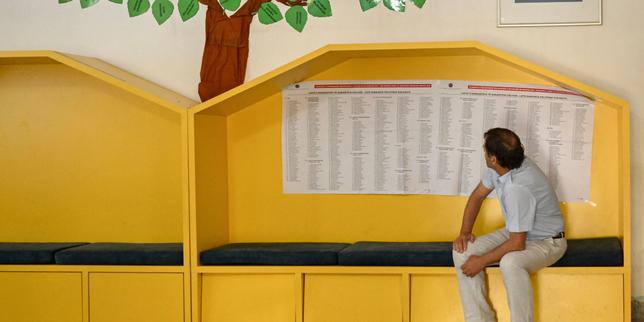
Le Kosovo, figé dans une impasse politique, organise de nouvelles élections législatives ce dimanche Entre lassitude des électeurs, inflation galopante et blocage institutionnel, le pays senfonce dans une impasse dont les conséquences pèsent sur la vie quotidienne et lavenir économique du pays.
le monde · 2 months ago
Cum au colaborat partidele în Parlament, după demiterea Guvernului: La unele legi, au fost realizate toate combinațiile politice În luna trecută de la adoptarea moţiunii de cenzură, PSD, PNL şi USR au votat fel 92 dintre proiectele aflate la vot final în Camera Deputaţilor. Principale grupări politice (PSD, AUR, PNL şi USR) au avut aceleaşi opţiuni în două treimi din cazuri, arată o analiză News.ro. La Senat, din 60 de iniţiative legislative sau proiecte aflate la vot final, 40 (66) au fost tratate similar de PSD, PNL şi USR. Au existat şi legi pentru care, în ceea ce priveşte susţinerea, au fost realizate toate combinaţiile politice posibile. Explicaţiile liderilor de grupuri parlamentare sunt diverse: „Aceste proiecte sunt în circuitul parlamentar demult. Sunt în dezbatere din perioada în care exista Coaliţia, „Probabil şi colegii de la AUR îşi regăsesc ideile în proiectele noastre, „Nu am stabilit niciodată opţiunile de vot în funcţie de iniţiatorii proiectelor de lege, „Au existat şi proiecte cu propuneri de respingere destul de vechi, asupra cărora toate grupurile conveniseră că ar trebui respinse, „Am susţinut mereu prin vot proiectele de lege bune pentru români.
digi24 · 2 months ago
Napätie v Soule: Tisíce Juhokórejčanov protestujú pre podozrenia z volebných podvodov Tisíce Juhokórejčanov obkľúčili budovu s hlasovacími lístkami a žiadajú nové voľby. Protesty sprevádzajú obvinenia z podvodov aj bezprecedentný tlak na komisiu.
aktuality.sk · 2 months ago
Alegeri parlamentare în cea mai tânără națiune din Europa, a treia încercare din ultimele 18 luni de a rezolva criza politică Kosovarii se îndreaptă duminică către urnele de vot pentru alegerile parlamentare, al treilea scrutin din ultimele 18 luni, ținut pentru că niciun partid nu a reușit să obțină o majoritate suficient de solidă pentru a scoate această țară balcanică din criza politică, potrivit Reuters Cea mai tânără națiune a Europei aspiră la aderarea la Uniunea …
hotnews.ro · 2 months ago
,xPosition=.5,yPosition=.5;Resize=(1200,675)&impolicy=medium)
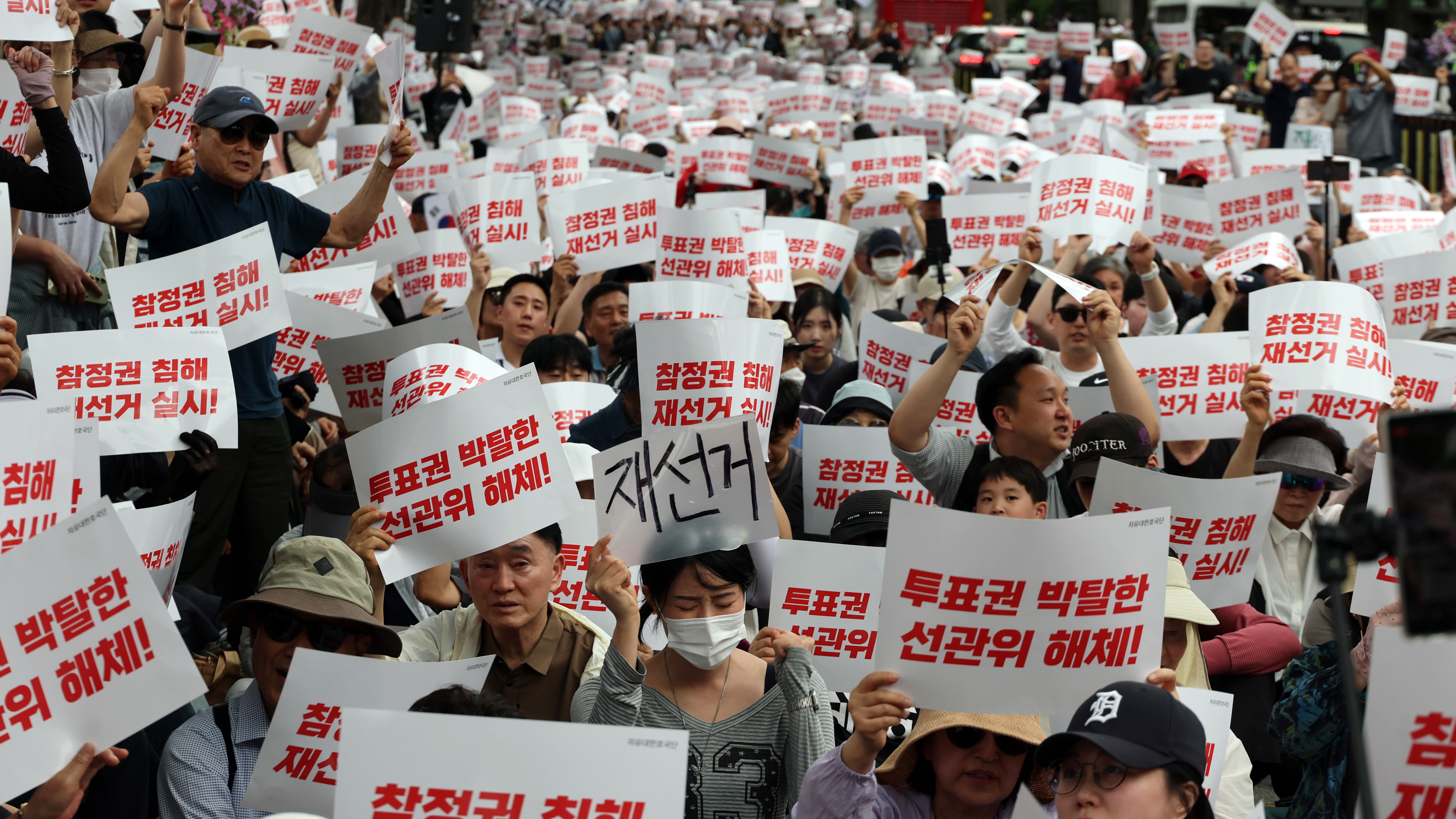
Sydkoreanere kræver omvalg på grund af for få stemmesedler
dr.dk · 2 months ago
Tisíce Juhokórejčanov obkľúčili halu s hlasmi. Protestujú proti údajným volebným podvodom a žiadajú nové voľby Tisíce Juhokórejčanov obkľúčili budovu s hlasovacími lístkami a žiadajú nové voľby. Protesty sprevádzajú obvinenia z podvodov aj bezprecedentný tlak na komisiu.
aktuality.sk · 2 months ago
Etelä-Korea | Paikallisvaalien äänestysliput loppuivat kesken, mielenosoittajat vaativat uusia vaaleja Paikallisvaalien äänestyslippupulan käynnistämät mielenosoitukset jatkuivat Soulissa lauantaina.
helsingin sanomat · 2 months ago
Comunali 2026, sei capoluoghi tornano al voto per i ballottaggi Quarantadue città al secondo turno dopo le amministrative del 24 e 25 maggio. Tra queste Agrigento, Arezzo, Chieti, Lecco, Macerata e Trani. Seggi aperti oggi dalle 7 alle 23 e domani dalle 7 alle 15
corriere · 2 months ago
Kosovo voters return to the polls after parties fail to agree on a new president
gdeltproject.org · 2 months ago
Kosovo voters head to polls for third time in 18 months
gdeltproject.org · 2 months ago
Élections au Kosovo: Albin Kurti mise sur son bilan économique pour assurer sa réélection Le deuxième pays le plus pauvre dEurope vote pour ses troisièmes élections anticipées en seize mois ce dimanche. La crise institutionnelle a des effets négatifs sur léconomie, mais le pays connaît une croissance et le Premier ministre sortant Albin Kurti peut se vanter dun bilan non négligeable.
rfi.fr · 2 months ago