
Industrial fleets deplete fish stocks in marine parks despite protection
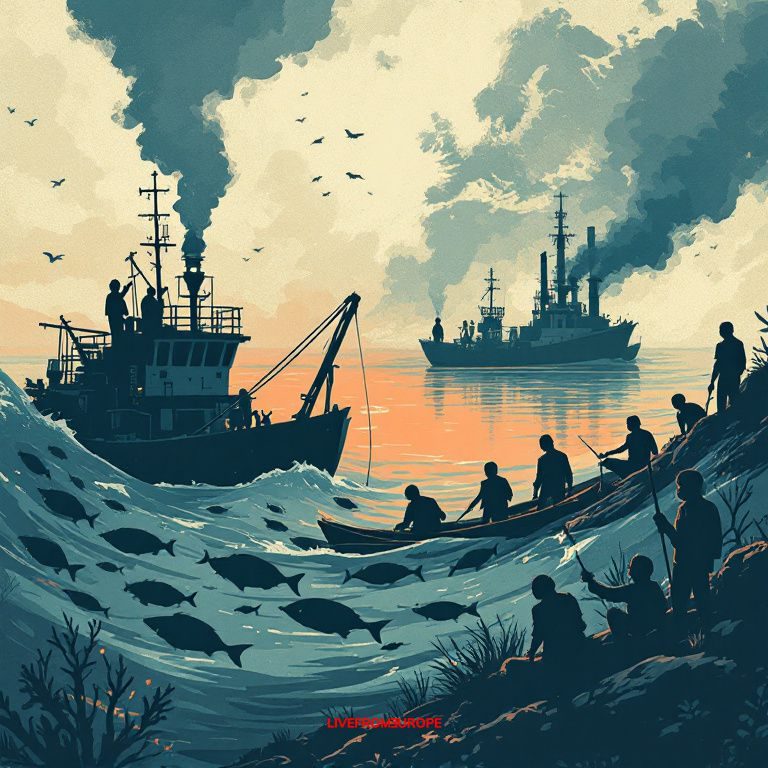
The world’s most overfished marine parks are showing signs of collapse as global fishing fleets continue to exploit protected areas, new data reveals. A report published today by the AFP News Agency highlights how industrial fishing vessels are systematically depleting fish stocks inside marine protected areas (MPAs), undermining decades of conservation efforts. The findings come as scientists warn that overfishing in these zones is accelerating biodiversity loss and threatening the long-term viability of coastal ecosystems.
According to the AFP investigation, fishing vessels equipped with advanced sonar and deep-sea trawling gear are operating within legally designated no-take zones in several countries, including Mauritania, where local fisherman Samata Mahmoud has witnessed firsthand the decline of fish populations in the Banc d’Arguin bay. “Since I was old enough to climb into a boat, I’ve been fishing these waters,” Mahmoud told AFP. “But now, the nets come back empty more often than not. The fish are disappearing, and with them, our way of life.” The Banc d’Arguin, a UNESCO World Heritage site, is one of Africa’s most important marine reserves, yet enforcement of fishing restrictions remains weak.
The AFP report underscores a broader global trend. A study published in *Earth’s Future* earlier this year found that 60% of California’s coastal dunes have vanished since the mid-19th century due to human activity, including overfishing and coastal development. While the study focused on dune ecosystems, researchers noted that the same pressures—industrial fishing, habitat destruction, and climate change—are converging to degrade marine protected areas worldwide. “We’re losing not just species, but entire ecosystems that have taken centuries to form,” said Tim Baxter, lead author of the study and a geographer at the University of California, Santa Barbara .
In Europe, the situation is equally dire. A rare black stork, a species once thought extinct in the region, was spotted in the Dutch village of Feerwerd last month, a sighting that conservationists attribute to the degradation of protected wetlands caused by overfishing and pollution . Meanwhile, in the Czech Republic, conservationists are attempting to revive the critically endangered *Pedicularis sudetica* plant by reintroducing cattle grazing in the Krkonoše National Park—a last-ditch effort to restore an ecosystem that has been under siege for decades .
The AFP report also highlights the role of climate change in exacerbating overfishing. As ocean temperatures rise, fish populations are migrating to cooler waters, forcing fleets to venture deeper into protected areas in search of dwindling stocks. “We’re seeing a perfect storm of overfishing, habitat loss, and climate change,” said Baxter. “Without urgent action, these marine parks will become ecological deserts.”
Governments and conservation groups are calling for stricter enforcement of fishing regulations, including satellite monitoring and real-time tracking of vessels. However, progress has been slow. In Mauritania, where Mahmoud and his community depend on fishing for survival, local authorities have struggled to curb illegal fishing by foreign fleets. “The rules are there on paper,” Mahmoud said. “But in practice, the fish are being taken before they can even reproduce.”
The AFP investigation serves as a stark reminder that marine protected areas, despite their designation, are only as strong as the enforcement behind them. Without immediate and coordinated action, the world’s most vulnerable marine ecosystems may soon be beyond recovery.
Follow us for live European news
- 4
- 3
- 2
- 2
- 1
- 1
- 1
- 1
- 1
- 1
- 1
- 1
- 1
- 1
2 further sources not geolocated
Articles

Hammershøi in Zürich: Seine Bilder geben Rätsel auf Vilhelm Hammershøi malte enigmatische Interieurs, die den Surrealismus vorwegnahmen – er selbst blieb aber wortkarg. Seine graue Moderne, die jetzt in Zürich zu beschauen ist, fasziniert bis heute.
faz · 1 day ago

Video: Rotterdam zoos Giant Penis Plant, known for "corpse" smell, in rare bloom A rare moment where the Diergaarde Blijdorp was able to announce its Titan Arum plant was in bloom should be considered an "exceptional botanical event," the zoo said on Wednesday.
nltimes.nl · 1 day ago

Since he was old enough to climb into a boat, Samata Mahmoud has been fishing the vast, dune-lined waters of Mauritanias Banc dArguin bay, living a centuries-old lifestyle threatened by climate change and overfishing. u.afp.com/SK6p
bluesky_AFP English · 1 day ago

As visitors peered at skeletons and preserved animals in a London zoological museum during a UK heatwave, staff focused on a different attraction: a computer screen glowing with red and green temperature indicators. u.afp.com/SK6g
bluesky_AFP English · 1 day ago
Ancient marine reptile tooth unearthed in Slovenia A fossilised tooth from an extinct marine reptile discovered in western Slovenia could rank among the largest placodont teeth ever found from the Triassic Period, offering a rare glimpse into life in the ancient Tethys Ocean some 235 million years ago. The tooth, found near Idrija, belonged to a ...
the slovenia times · 1 day ago
Rahulolematu valge-toonekurg mõlgib Läänemaal sõiduautodel plekki Eesti loodeosas asuvas Lääne-Nigula vallas valmistab kohalikele üheaegselt rõõmu ja tuska üks sealkandis laialt levinud valge-toonekure liigi esindaja.
postimees · 1 day ago
Ports teadusfakte, millest te pole ehk kuulnudki Maailm on täis palju huvitavat ning vahepeal on tore, mõni põnev fakt ka meelde jätta. Siia on koondatud mõned teadusfaktid, millest mõnda pole te ehk veel kuulnudki. Kas olete näiteks kuulnud, et Veenuse päev on pikem kui Veenuse aasta või haid on vanemad kui puud?
postimees · 1 day ago

Cientistas tentam parar envelhecimento do sistema imunitário O mecanismo estudado pretende ajudar o timo a manter-se funcional ao longo da vida
observador · 1 day ago
Φως σε μυστηριώδη αρχαίο λαό της Ιταλίας - Ανακαλύφθηκε τάφος πρίγκιπα πολεμιστή 2.500 ετών, δείτε βίντεο και φωτογραφίες
protothema · 1 day ago
V Krkonoších se po 69 letech pasou krávy. Ochránci přírody tak chtějí záchránit všivce sudetského Správa Krkonošského národního parku se snaží zachránit kriticky ohroženou rostlinu všivec sudetský. Na Stříbrné návrší nedaleko Luční boudy proto poslala na pastvu dvě krávy. Pilotní projekt má ověřit, jestli může řízená pastva přispět k vytvoření lepších podmínek pro tuto rostlinu. Krkonoše jsou v současné době už jediným místem na světě, kde všivec sudetský roste, připomíná pracovnice Krkonošského národního parku Klára Tlachačová.
irozhlas.cz · 1 day ago
V Pardubicích vzniká nový park, projekt sousedního archeoparku se zatím odkládá Poblíž kostela a hřbitova v pardubické části Pardubičky vzniká nový park. Úpravy obecního pozemku začaly letos v květnu a hotové jsou už nové cesty. V létě přibude také altán nebo griloviště a na podzim nové stromy a keře. Původně měl hned vedle, v místě nejstaršího osídlení Pardubic, vzniknout také archeopark, o kterém se mluví už od roku 2009. Co všechno se v této části Pardubiček mění?
irozhlas.cz · 1 day ago

Vreemde metalen bollen spoelen aan op Australisch strand en veroorzaken chaos: Dat zijn ruimteballen
de morgen · 1 day ago
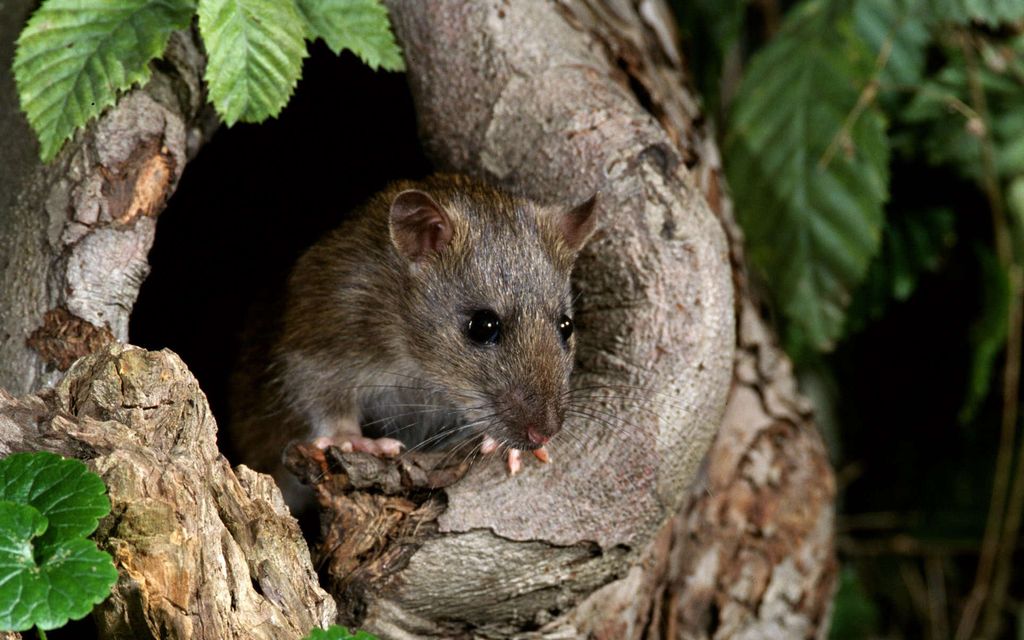
HS: Harvinainen löytö Jyväskylässä – Tätä eläintä ei ole nähty vuosikymmeniin
iltalehti · 1 day ago

Moskovan kehätielle ilmestyi jotain yllättävää
iltalehti · 1 day ago
Mulig mine fundet på Løkken strand - offentligheden bedes holde afstand
dr.dk · 1 day ago

Las dunas de California retroceden a gran velocidad y la pérdida deja ecosistemas en una situación vulnerable Degradación - El equipo analizó documentos antiguos, imágenes recientes y datos topográficos para reconstruir la evolución de estas formaciones desde mediados del siglo diecinueve hasta la actualidad El agua avanza con más fuerza cuando no encuentra nada que la frene y eso obliga a replantear qué papel cumple la arena acumulada junto a la costa. Las dunas no son un simple montón de granos sueltos, porque actúan como barrera frente al mar, amortiguan el golpe de las olas y retienen el sedimento que evita que la playa desaparezca. Esa función convive con otra menos evidente, ya que crean un espacio donde pueden vivir plantas adaptadas, insectos y aves que dependen de ese terreno inestable. Cuando se eliminan o se degradan, el efecto se nota en la costa y también en quienes viven cerca, porque el terreno queda más expuesto a inundaciones y pierde capacidad para recuperarse tras los temporales. Un estudio calculó la pérdida de dunas en California Un trabajo publicado en la revista científica Earths Future y difundido por la University of California - Santa Barbara, sitúa ese problema en cifras al mostrar que California ha perdido cerca del 60 de sus dunas costeras desde mediados del siglo XIX. El geógrafo físico Tim Baxter, autor principal del estudio, advierte que esa reducción afecta tanto al entorno natural como a la protección de la costa frente a tormentas y subida del nivel del mar. Para reconstruir esa evolución, el equipo comparó mapas antiguos con datos actuales y recurrió a varias herramientas que permiten ver cómo han cambiado estas formaciones con el paso del tiempo. Digitalizaron 140 mapas topográficos de finales del siglo XIX y principios del XX para localizar antiguas áreas de dunas, y después analizaron imágenes aéreas recientes junto con datos LiDAR para delimitar su estado actual. Ese trabajo se apoyó en un sistema que combina aprendizaje automático guiado con revisión manual, lo que permitió identificar rasgos como la base y la cresta de cada duna y medir su tamaño y estabilidad. El resultado de esa comparación muestra una reducción clara tanto en superficie como en presencia a lo largo de la costa. A mediados del siglo XIX había alrededor de 739 kilómetros cuadrados de dunas, mientras que hoy quedan unos 300, lo que implica una pérdida de unos 442 kilómetros cuadrados. Además, estas formaciones ocupaban cerca del 33 del litoral y ahora apenas llegan al 22, lo que indica que no solo han disminuido, sino que también han dejado de aparecer en muchos tramos donde antes eran habituales. California está perdiendo gran parte de sus dunas desde el siglo XIX La distribución de esa pérdida no es uniforme y depende en gran medida del tipo de desarrollo humano en cada zona, según explican los investigadores. El sur de California ha visto desaparecer alrededor del 95 de sus dunas, mientras que en la zona central la reducción ronda el 60, y en el norte apenas llega al 3. Las grandes ciudades concentran algunas de las pérdidas de dunas más elevadas detectadas por el estudio. Kyle Emery, investigador del Marine Science Institute de UCSB, destacó ese resultado al afirmar: La magnitud de la pérdida en San Francisco y Los Ángeles fue lo que más me sorprendió. Detrás de esas diferencias aparecen causas que se repiten a lo largo del litoral, aunque con intensidad distinta según el lugar. La expansión de ciudades, carreteras e infraestructuras ha ocupado directamente antiguas dunas, mientras que la agricultura y la introducción de plantas invasoras han alterado el equilibrio de estos sistemas. A eso se suma la erosión costera y fluvial en algunos puntos, pero el estudio indica que la mayor parte de la pérdida responde a la acción humana iniciada ya en la época de la fiebre del oro. Las dunas conservadas pierden capacidad para regenerarse Las dunas que aún existen también han cambiado de forma y funcionamiento, lo que limita su papel como hábitat y como defensa natural. Muchas han quedado aisladas por carreteras o construcciones, lo que impide que el viento y la arena circulen con normalidad y reduce su capacidad de regenerarse. Ese aislamiento afecta a especies protegidas como ciertas aves costeras, que necesitan continuidad entre dunas para alimentarse y reproducirse en condiciones adecuadas. Las dunas forman una barrera natural que absorbe parte de la energía del oleaje y ayuda a frenar la erosión de la costa. Baxte recordó qué se pierde cuando esos sistemas desaparecen: Es importante destacar que también perdemos las protecciones costeras frente a las tormentas y la subida del nivel del mar. Ante ese escenario, los investigadores plantean la restauración de dunas como una opción que puede ayudar a recuperar parte de esa protección natural. Algunos tramos han ganado superficie gracias a la acumulación de arena o a proyectos de recuperación, aunque el aumento total, de unos 15,2 kilómetros cuadrados desde el siglo XIX, queda muy lejos de compensar lo perdido. La decisión de apostar por este tipo de soluciones depende de factores como el espacio disponible, el coste y las prioridades locales, lo que deja claro que proteger lo que queda sigue siendo una tarea prioritaria para evitar que la costa pierda una defensa que tardó siglos en formarse.
eldiario.es · 1 day ago

La reina Sofía comprueba in situ la recuperación de los bosques gallegos La Fundación Reina Sofía ha contribuido con 65.000 euros a las mejoras del parque natural de la Serra da Enciña da Lastra
la vanguardia · 1 day ago
Walk of Pride: blijvend monument markeert opening Pride-maand De Pride-maand is woensdagavond in De Nieuwe Kerk in Amsterdam officieel begonnen met de onthulling van de Walk of Pride. Het is een wandelroute van de Dam naar het Homomonument op de Westermarkt, die is aangegeven door 53 bronzen tegels.
rtl nieuws · 1 day ago
Zeldzame reuzenpenisplant Diergaarde Blijdorp staat in bloei: Uitzonderlijk In Diergaarde Blijdorp staat de zeldzame reuzenpenisplant in bloei. De dierentuin noemt het een "uitzonderlijke botanische gebeurtenis". Het gebeurde voor het laatst in 2023 en daarvoor in 1963. De bloei duurt maar twee tot drie dagen.
nu.nl · 1 day ago
Video | Zeldzame zwarte ooievaar gespot in Gronings dorp Feerwerd
nu.nl · 1 day ago
Tierseuche: Afrikanische Schweinepest zurück in der Uckermark Nach mehr als einem Jahr gibt es wieder Fälle der Afrikanischen Schweinepest im Landkreis Uckermark. Drohnen und Spürhunde sind im Einsatz.
tagesspiegel · 1 day ago
Facelift für Geländewagen: Jeep Avenger aufpoliert: Draußen robuster, drinnen wertiger In Europa ist der Avenger für Jeep der absolute Bestseller. Damit das so bleibt, wird der kleine Abenteurer nun kräftig aufgefrischt. Für Traditionalisten gibt es sogar einen neuen Antrieb.
handelsblatt · 1 day ago
Dimming the Sun Would Help Lower the Risks of El Niño As worries about a growing super El Niño mount, new findings suggest a radical solution to mitigating its impacts.
wired.com · 1 day ago
Überraschende Erholung: Mangroven feiern ein Comeback Mangrovenwälder haben sich in den vergangenen 15 Jahren weitgehend erholt, zeigt eine Studie. Das ist eine gute Nachricht – mit Einschränkungen. mehr...
taz.de · 1 day ago
Un urs a ajuns într-o localitate aflată la câțiva kilometri de București: localnicii au fost alertați. Ce spune Prefectura Ilfov Locuitorii din comuna Gruiu, județul Ilfov, aflată la câțiva kilometri de București, au fost informați de autoritățile locale după ce, în cursul zilei de marți a fost semnalată prezența unui urs în zona împădurită aflată în apropierea localității. Prefectura Ilfov a transmis ulterior că „intervenția efectivă în cazul prezenței unui urs în intravilan nu reprezintă o atribuție a prefectului și nici a Instituției Prefectului.
digi24 · 1 day ago

Lefotózta a kínai űrszonda a Föld titkos holdját Egykoron a Hold része lehetett a Kamooalewa nevű égitest, amely csak látszólag kering a Föld körül.
hvg.hu · 1 day ago
Homoki gatyásméhet találtak Mátyásföldön Ráadásul rögtön az első keresőexpedícióval, igaz, csak a harmadik gyűjtési helyszínen. A faj kipusztult Ausztriából, és jelentősen megfogyatkozott Nyugat-Európa több országában is.
hvg.hu · 1 day ago

Találtak egy közös pontot a 100 évet élő emberekben, és nem az étrend az Olasz kutatók ezúttal a pszichológia oldaláról közelítették meg a kérdést, hogy miért érik meg bizonyos emberek a 100 éves kort.
hvg.hu · 1 day ago
Eläimet | Suomesta löytyi ensimmäinen mustarotta vuosikymmeniin Suomesta sukupuuttoon kuollut laji putkahti Jyväskylään.
helsingin sanomat · 1 day ago

Sköldpaddor och fåglar är släkt Sköldpaddorna har länge utgjort ett mysterium för forskarna. Deras ursprung har varit höljt i dunkel till skillnad från andra djurgrupper – men nu har en studie slagit fast att de tillhör samma linje som fåglar och krokodiler.
dagens nyheter · 1 day ago