
China postpones Change-7 moon mission to lunar south pole due to tropical storm

China’s space agency postponed the launch of its Chang’e-7 lunar mission, announcing on Sunday that the mission “does not meet the launch conditions and cannot take place during the planned window this year,” according to a statement from the China Manned Space Engineering Office reported by state media Xinhua.
The mission, designed to search for water ice at the moon’s south pole, was expected to lift off as early as Sunday evening or Monday morning Beijing time from the Wenchang Space Launch Site on Hainan island. The decision followed a “comprehensive assessment” based on the principles of “prudence, reliability and absolute mission success,” the agency said, without specifying the cause France 24 with AP.
Thailand’s National Astronomical Research Institute of Thailand, whose CE-7 MATCH instrument is part of the mission, cited Tropical Storm Narra as the reason for the delay, stating the launch had been pushed back by about a month dpa. The storm had been circulating near Hainan and southern China over the weekend, according to the institute.
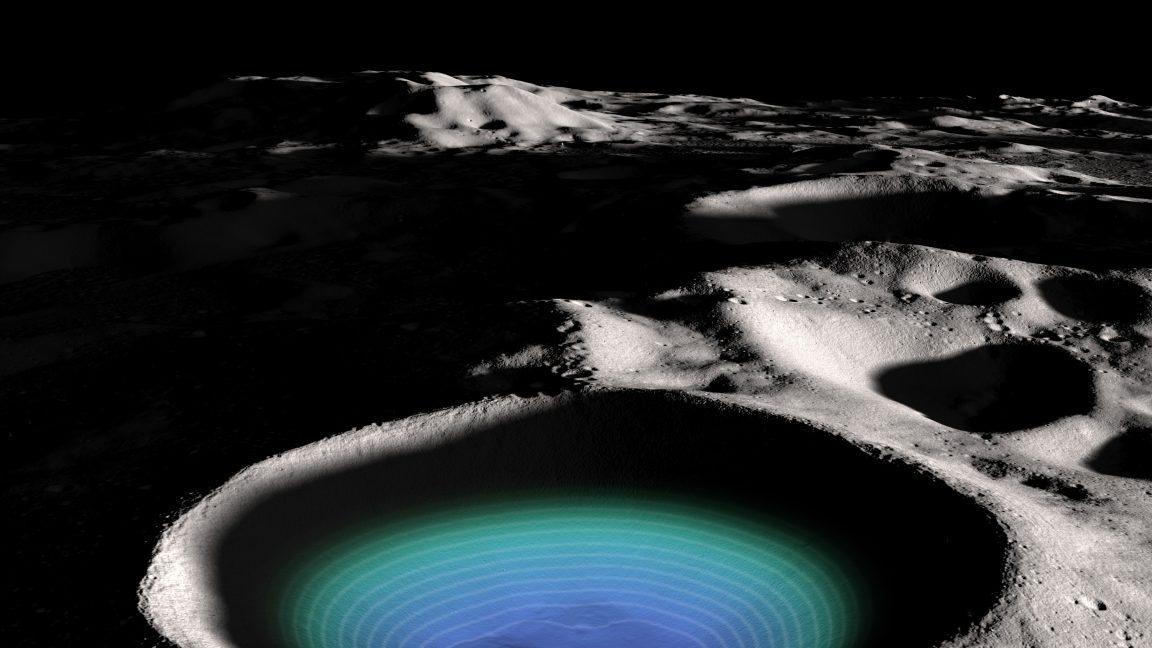
The Chang’e-7 mission includes an orbiter, lander, rover and a mini-hopping probe, intended to explore permanently shadowed craters at the lunar south pole and survey the environment and resources, as previously reported by the official Xinhua news agency France 24 with AP. The mission is the seventh in China’s Chang’e lunar exploration program, named after the Chinese moon goddess.
The postponement comes less than two weeks after a Long March 7A rocket carrying a communications satellite suffered an “anomalie” after liftoff from Wenchang on Aug. 10, with Singapore-based Channel NewsAsia reporting the rocket had exploded shortly after launch La Libre.
China has invested billions in its space program, aiming to send astronauts to the moon before 2030. The Chang’e-6 probe returned to Earth in 2024 with rock and soil samples from the far side of the moon, a first reported by Xinhua France 24 with AP. The U.S. Artemis program also seeks to return humans to the moon, with both nations targeting the south pole for potential water resources.
Follow us for live European news
- 2
- 1
- 1
- 1
- 1
2 further sources not geolocated
Articles

China postpones launch of unprecedented water-hunting moon mission amid space race
news.yahoo.com · about 3 hours ago

China muss spektakuläre Mission zum Eis am Südpol des Mondes verschieben Bereits in den kommenden Tagen hätte eine neue chinesische Mondsonde starten können. Die Rakete ist nun doch nicht starttauglich
der standard · about 4 hours ago

Raumfahrt: China verschiebt Start der Mondsonde «Change 7»
die zeit · about 5 hours ago
China verschiebt Start von unbemannter Mondmission
orf.at · about 10 hours ago

Course à la Lune : la Chine reporte le lancement dune sonde qui devait rechercher de leau Pékin poursuit son ambition de devenir une grande puissance spatiale, mais son calendrier lunaire connaît un nouveau ralentissement. ...
la libre · about 10 hours ago
China amână în ultimul moment misiunea Change-7 spre Lună: „Nu poate avea loc Misiunea Change-7, care urma să fie lansată în următoarele zile pentru a căuta gheață și a studia resursele de la polul sud lunar, a fost amânată de autoritățile chineze. Agenția spațială a transmis că nu sunt îndeplinite condițiile necesare, fără să precizeze ce probleme au determinat decizia, relatează AP și News.ro.
digi24 · about 11 hours ago
Due to need for absolute success, China delays critical Moon launch to 2027 "The Change 7 mission does not meet the conditions for launch."
ars technica · about 11 hours ago
China abruptly delays ambitious Change-7 mission to find water ice on moon China has postponed its Change-7 lunar mission, which was due to launch in the coming days and search for water ice near the Moons south pole, a government agency said Saturday. Officials said the mission did not meet launch conditions, without providing further details.
france24 · about 11 hours ago