
Berlin police evacuate thousands after WWII bomb found in Neukölln canal
Berlin police discovered an unexploded World War II aerial bomb on Wednesday morning in the Neukölln Ship Canal between Teupitzer and Treptower streets, prompting the evacuation of 5,600 households in a 500-meter exclusion zone.
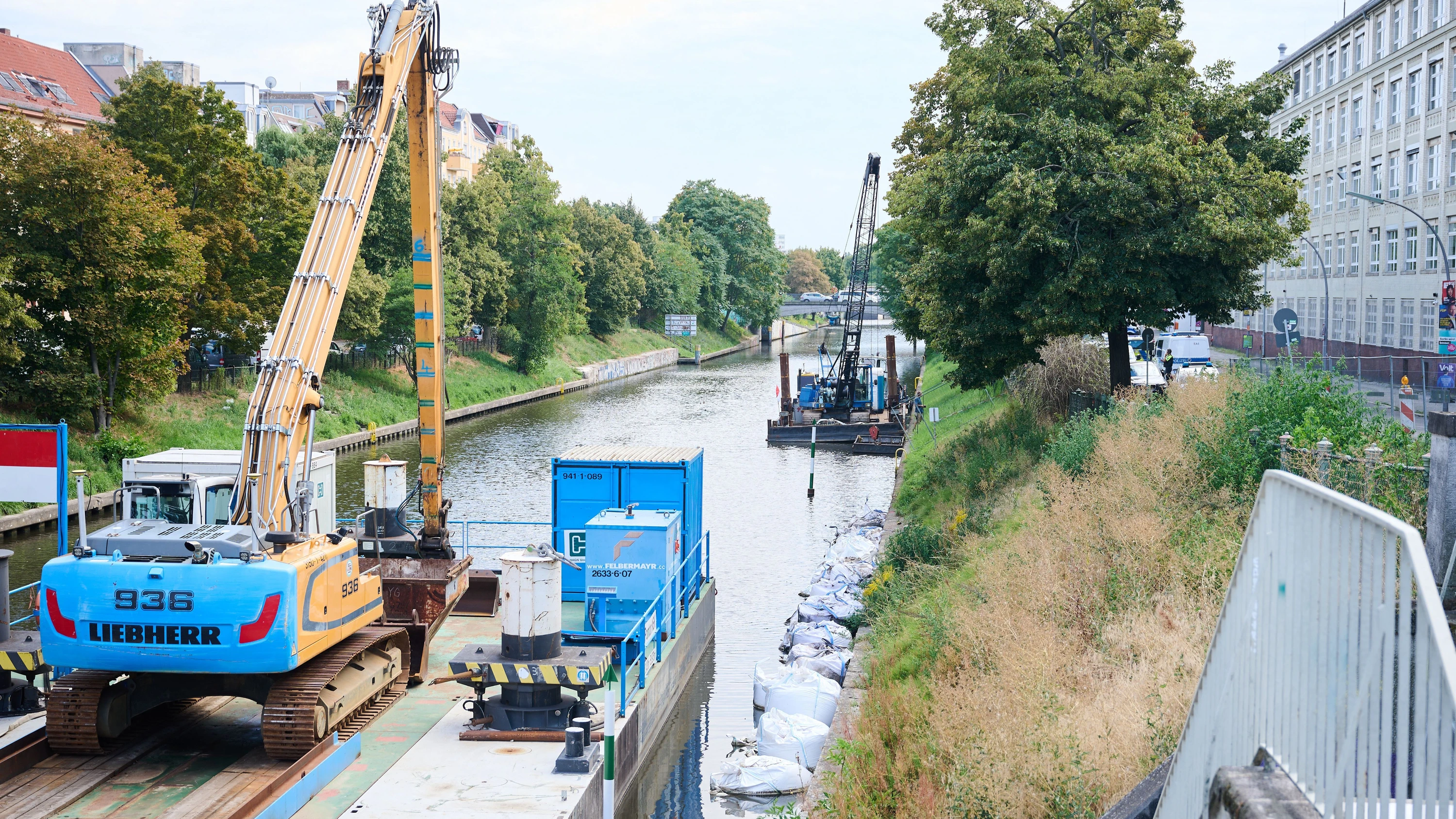
The bomb, estimated to weigh 100 kilograms, was found at approximately 10:40 a.m. during a planned search for wartime ordnance on the canal bed, police said. It was later lifted onto a floating ponton, with plans to transport it to the shore via crane for defusing using a high-pressure water jet system, according to police spokesman Martin Halweg. “It works with a special sand that simply cuts out the fuse,” Halweg said .
Authorities established an emergency shelter at Adolf-Reichwein School on Sonnenallee, with capacity for 200 people, as the eviction of the exclusion zone began. By late afternoon, police had visited 800 of the 5,600 affected households to ensure compliance, Halweg said. The process was expected to extend into the late evening or night, as officers must confirm no one remains in the buildings .
A senior care home within the exclusion zone was initially included in evacuation plans but later exempted after an agreement was reached allowing residents to stay indoors, away from windows, Halweg confirmed. The facility houses bedridden and wheelchair-bound individuals . Also within the zone are a homeless shelter and a daycare center.
Public transport was disrupted, with bus lines M43, 171, and 166 rerouted, the Berliner Verkehrsbetriebe announced. The busy Sonnenallee, a major commercial street, lies just a few blocks from the canal .
Around 200 police officers, along with firefighters, the Red Cross, and the Technical Relief Agency, were deployed to manage the operation. Police used loudspeaker vehicles and the Katwarn alert system to notify residents. The bomb’s origin—whether Russian, American, or British—remained undetermined as of Wednesday evening .
The bomb was to be defused later the same day, though authorities did not specify an exact time. Halweg noted that such discoveries remain common in Berlin, with several found annually .
Follow us for live European news
- 2
- 1
- 1
Articles

Berlin-Neukölln: Großeinsatz nach Bombenfund - Auch Seniorenheim betroffen Der Fund einer Fliegerbombe in Neukölln bedeutet für Anwohner und die Einsatzkräfte einen enormen Kraftakt. Tausende müssen das Gebiet verlassen.
tagesspiegel · about 1 hour ago
Berlin-Neukölln: Nach Bombenfund: Seniorenheim wird nicht evakuiert Der Fund einer Fliegerbombe in Neukölln führt dazu, dass Tausende Menschen ihre Häuser und Wohnungen verlassen müssen. Im Sperrkreis liegt auch ein Heim für Senioren.
tagesspiegel · about 1 hour ago
Βρήκαν βόμβα του Β Παγκοσμίου Πολέμου βάρους 100 κιλών σε συνοικία του Βερολίνου - Εκκενώθηκαν πάνω από 5.500 σπίτια
protothema · about 1 hour ago
Mogelijk drugslab ontdekt in Apeldoorn, dit is wat we nu weten Onze verslaggever is ter plaatse in de wijk in Apeldoorn waar een mogelijk drugslab is ontdekt. Meer dan tweehonderd mensen moesten tijdelijk hun woning verlaten, terwijl politie onderzoek deed in de woning. De eigenaar van het vermoedelijke drugslab is opgepakt.
rtl nieuws · about 2 hours ago
Notfälle: Notunterkunft mit 200 Plätzen wegen Fliegerbombe Nach dem Fund einer Fliegerbombe bereiten sich die Einsatzkräfte auf die Evakuierung in Berlin-Neukölln vor. Der Bezirk hat eine Notunterkunft eingerichtet.
tagesspiegel · about 2 hours ago
Berlin-Neukölln: Weltkriegsbombe: 5.600 Berliner Haushalte werden evakuiert Die Evakuierung des Gebiets rund um den Fundort einer Fliegerbombe in Berlin hat begonnen. Etwa 5600 Haushalte sind betroffen, Tausende Menschen müssen das Gebiet verlassen.
tagesspiegel · about 2 hours ago
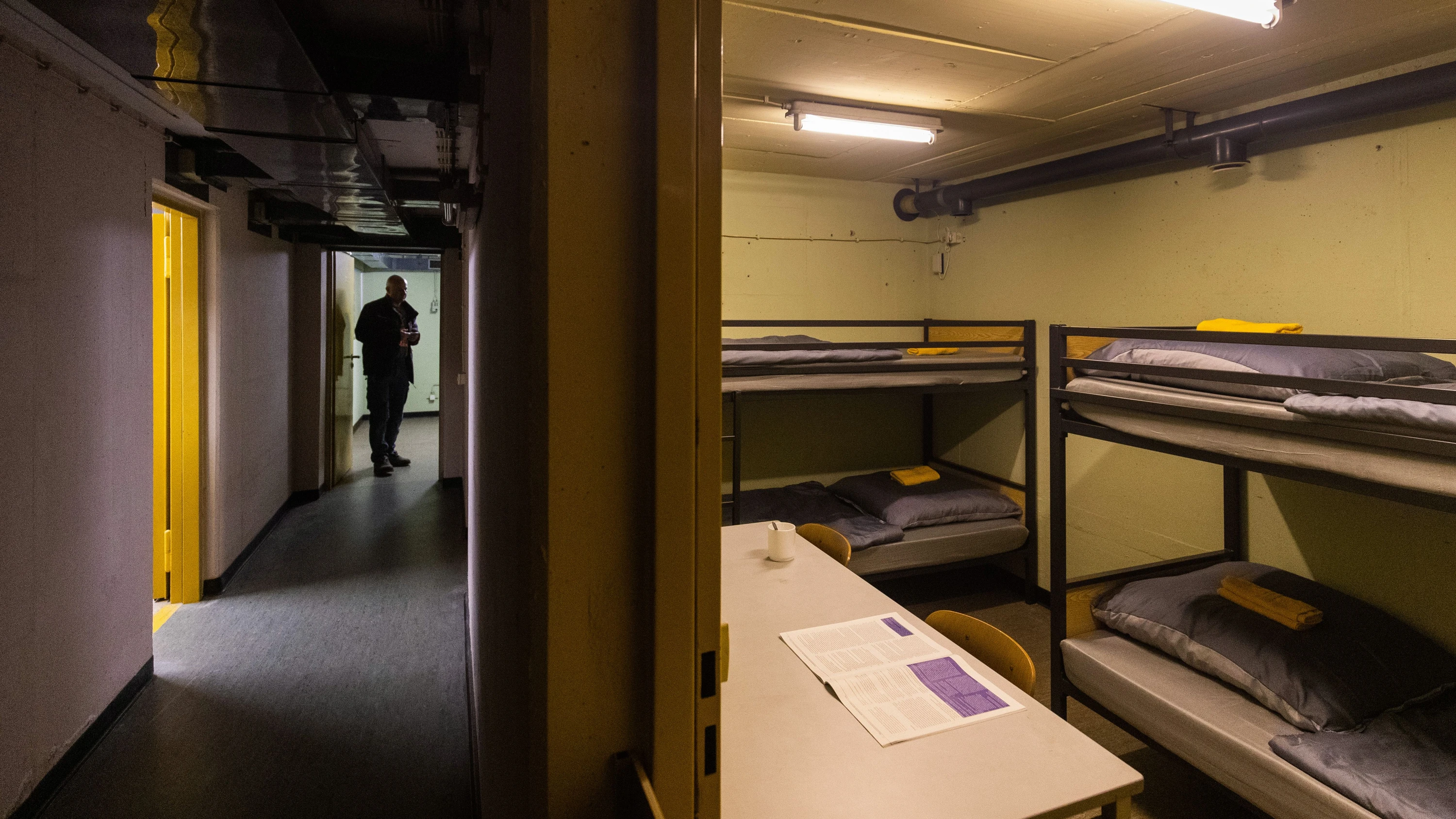
Vorbereitung auf Krisenfall: Der Weltkriegsbunker hat wohl ausgedient Nach Ausbruch des Ukrainekrieges hat Berlin die Tauglichkeit von hunderten Bunkern prüfen lassen. Vier Jahre später ist in Hessen kein einziger einsatzbereit. Der Bund setzt inzwischen auf andere Schutzräume.
faz · about 2 hours ago
Blindgänger: Fliegerbombe in Karlsruhe entschärft — Einsatz in Berlin geht weiter Am Mittwoch werden in gleich zwei deutschen Städten Blindgänger aus dem Zweiten Weltkrieg entdeckt. Die Weltkriegsbombe in Karlsruhe wurde nun entschärft. Währenddessen geht der Einsatz in Berlin weiter.
faz · about 2 hours ago
Notfälle: Fliegerbombe in Neukölln: Polizei plant Evakuierung Am Weigandufer ist eine Bombe gefunden worden. Die Polizei stellt sich auf eine Entschärfung noch heute ein. Der Bereich muss wohl in einem Umkreis von 300 Metern evakuiert werden.
tagesspiegel · about 2 hours ago
Fliegerbombe in Neukölln gefunden: Berliner Polizei evakuiert Umgebung – 5600 Haushalte betroffen Bei Arbeiten im Schifffahrtskanal in Neukölln ist eine Fliegerbombe gefunden worden. Die Evakuierung könnte mehrere Stunden dauern, die Entschärfung bis tief in die Nacht verschoben werden.
tagesspiegel · about 2 hours ago
Evakuierungen: Fliegerbomben in Karlsruhe und Berlin-Neukölln gefunden Am Mittwoch werden in gleich zwei deutschen Städten Blindgänger aus dem Zweiten Weltkrieg entdeckt. Zahlreiche Menschen müssen ihre Wohnungen verlassen, in Karlsruhe muss eine Bahnstrecke gesperrt werden.
faz · about 2 hours ago