 Saturday, July 4Saturday, July 4
Scientists Uncover Three Ancient Species, From Miocene Carnivores to Triassic Marine Reptiles
An international team of paleontologists has described a new species of ancient carnivore from Spain, while separate discoveries in Slovenia and Mexico have shed light on long-extinct marine reptiles and salamanders, respectively. The findings, published today, expand the fossil record and offer fresh insights into the evolution of long-lost ecosystems.
In Catalonia, researchers identified *Paludocyon moyasolai*, a previously unknown species of amphicyonid—a group of extinct carnivores that blended dog-like and bear-like traits. The skull, unearthed in the 1990s at Els Casots in Subirats (Alt Penedès), was initially misclassified as a known species before a 2014 review revealed its distinct features. "What they had in front of them seemed smaller and probably less muscular," noted the team at the Institut Català de Paleontologia Miquel Crusafont, which spent two years confirming the find. The new species, named in honor of paleontologist Salvador Moyà-Solà, weighed between 50 and 70 kilograms—far lighter than its presumed relatives—and possessed unusually broad molars, suggesting a specialized diet. The study, published in the *Journal of Mammalian Evolution*, involved institutions across Spain, Ecuador, and South Africa .
Meanwhile, in Slovenia’s Upper Idrijca Landscape Park, a fossilized tooth belonging to a *placodont*—a Triassic marine reptile with flat, shell-crushing teeth—was discovered by park collaborator Gregor Koželj. The 235-million-year-old specimen, confirmed by the Ivan Rakovec Institute of Paleontology, is a rare find from the early Triassic period, a time when such reptiles were widespread across the ancient Tethys Ocean. "It was black, not like a shell or ammonite," Koželj recalled. "It reminded me of a plant, maybe a water lily." The tooth’s chemical composition, analyzed using EDS technology, confirmed its identity, adding to the sparse fossil record of placodonts from this era. "Every such discovery is crucial for understanding their evolution and geographic spread," said paleontologist Irena Debeljak .
In Mexico, researchers at the National Autonomous University of Mexico (UNAM) described *Ambystoma quetzalcoatli*, the first fossil salamander species formally identified in the country and the oldest known record of the genus *Ambystoma*. The fossils, collected in the early 2000s from a 85-square-kilometer freshwater lake system in Hidalgo, were re-examined using CT scanning and anatomical comparisons. The team, led by Jorge Herrera Flores and María Patricia Velasco de León, identified distinctive features such as an elongated skull opening and 17 trunk vertebrae, setting the species apart from modern axolotls. "The fossils display significant anatomical differences," the researchers noted in *Palaeontologia Electronica*. The discovery provides a key piece in understanding Mexico’s modern biodiversity .
These discoveries arrive amid a surge in paleontological research, fueled by advances in imaging and genetic analysis. In Minnesota, scientists at the University of Minnesota created synthetic cells capable of self-replication, a milestone in synthetic biology that could one day enable the production of chemicals and medicines currently impossible in natural cells. "What we cannot build ourselves, we cannot fully understand," said lead researcher Kate Adamala .
From the depths of ancient oceans to the laboratories of the future, these findings underscore the enduring mysteries of Earth’s past—and the tools being developed to unravel them.
Follow us for live European news
6 further sources not geolocated

Israeli spyware used against ex-Greek MEP during probe of illegal surveillance: Report
gdeltproject.org · about 2 hours ago

Greek fishermen are seeking government support to fight off an invasion of poisonous pufferfish with powerful jaws that can bite through metal and bone. Their arrival is a prime example of how climate change is altering the marine environment. 🔗 www.politico.eu/article/gree...
bluesky_Politico Europe · about 2 hours ago
Megalodon: Βρέθηκε ο σπόνδυλος του μεγαλύτερου καρχαρία που είχε χαθεί σε μετακόμιση μουσείου Ο μεγαλύτερος σπόνδυλος Megalodon στον κόσμο εντοπίστηκε ξανά, κατά το Palaeontologia Electronica μετά την εξαφάνισή του, αποκαλύπτοντας και το τελευταίο του γεύμα
protothema · about 2 hours ago
Podívat se až na dno. Šachta sv. Jiří otevírá starou odvodňovací štolu Šachta sv. Jiří v Jihlavě je oficiálně otevřená. Návštěvníci se nově mohou podívat až na úplné dno, kde ústí odvodňovací štola. Součástí prohlídky je také zachovaný důlní stroj z 16. století. „Význam jámy leží v tom, že se intaktně dochovalo uložení stroje, říká pro Český rozhlas Vysočina Martin Harnušek z technické správy a podzemí.
irozhlas.cz · about 2 hours ago
Astronom über den Blick ins All: „Dieses große Gefühl des Wunderns Tim Florian Horn ist der Herr der Berliner Planetarien und Sternwarten. Mit dem Einsatz neuester 3D-Technik will er zeigen, dass Wissenschaft Spaß machen kann. mehr...
taz.de · about 2 hours ago

Worlds largest digital camera starts mapping the universe The Rubin observatory in Chile has begun its decade survey of the sky, snapping hundreds of images, to help researchers understand dark matter.
euronews · about 2 hours ago
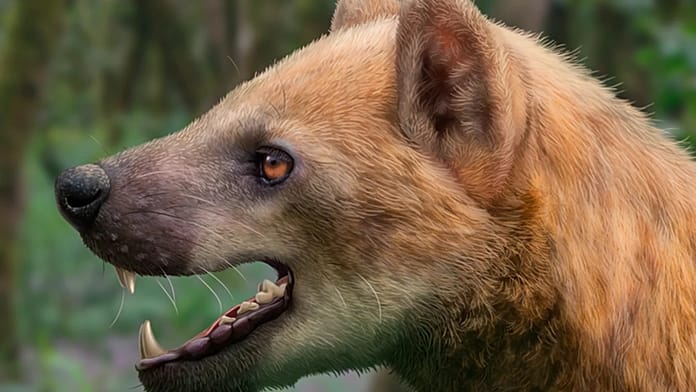
Spanish scientists discover new bear-dog species in Catalonia from 15.9 million years ago An international team has described a new amphicyonid, Paludocyon moyasolai, from a skull found 30 years ago in Els Casots (Barcelona). The study in Journal of Mammalian Evolution sheds light on Miocene carnivores.
euronews · about 2 hours ago

Forscher kommen der Frankensteinschen Vision einen großen Schritt näher Leben aus dem Labor? US-Forscher erschaffen erstmals aus dem Nichts künstliche Zellen, die sich sogar vermehren. Die Wissenschaftler sehen großes Potenzial für die Industrie – und hoffen auf ein neues Zeitalter der Biologie.
welt.de · about 2 hours ago
Efter nya cyberhoten: Bekämpa AI med AI Med hjälp av AI kan hackare slå till mot stora datasystem på ett sätt som cybersäkerhetsexperter tidigare inte har sett.Motmedlet?Bekämpa AI med AI.– Våra mänskliga försvarare hinner inte med, säger Pontus Johnson, professor vid KTH.
svenska dagbladet · about 2 hours ago
The Ancient Greek Mosaic That Celebrates the Joy of Life A magnificent ancient Greek mosaic discovered in Hatay, Turkey continues to amaze archaeologists and historians attempting to ascertain the exact meaning of its images and inscriptions. The floor mosaic, which was found in the Hatay Province, located on the Turkish-Syrian border, is divided into three parts, with two images complete and in nearly perfect condition. […]
greek reporter · about 2 hours ago

Hunting the tardigrade: one small step in sequencing DNA of all life on Earth
bluesky_The Guardian · about 2 hours ago
V Krajinskem parku Zgornja Idrijca našli zob plakodonta, starega 235 milijonov let V okolici Idrije so odkrili 235 milijonov let star zob plakodonta. Fosil bo pomagal raziskati evolucijo teh morskih plazilcev in povečal pomen parka Zgornja Idrijca ter Geoparka Idrija, kjer bodo fosil ali njegovo repliko v prihodnosti tudi razstavili.
rtv slovenia · about 2 hours ago

Une chaise est un objet très complexe : un gratte-ciel est presque plus aisé à concevoir Le musée Horta expose cent ans de design, 1850-1950, à travers 31 sièges iconiques. ...
la libre · about 2 hours ago

Las vasijas y lámparas que parecen de cristal pero están hechas gracias a los insectos La diseñadora Ori Orisun Merhav crea sus obras a partir de resina segregada por el insecto Kerria lacca, y técnicas de soplado de vidrio e impresión 3D
la vanguardia · about 2 hours ago

Creó una técnica artística y a sus 90 años es su único exponente: Cada día le dedico 5 o 6 horas A sus 90 años, este zamorano es el creador y único exponente del Grapel Art, la técnica que convierte las radiografías médicas en cuadros alucinantes, que ya le ha valido más de 20.000 seguidores en redes sociales
la vanguardia · about 2 hours ago
Drones en lápidas y refugios en la ópera
la vanguardia · about 2 hours ago
Ancient Indian gold rings unearthed in Thailand Thai archaeologists have discovered two ancient Indian gold rings, estimated to be 1,900‑2,100 years old, at the Don Yai Thong site in Phetchaburi province. One ring bears an inscription in ancient Brahmi script, believed to be linked to a merchant caste, and both are now housed in a Ratchaburi museum.
yenisafak · about 2 hours ago

Starburst-Galaxie M82: Zigarre im Sternendunst Das James Webb Space Telescope hat ein neues Bild einer Galaxie aufgenommen, die massenhaft neue Sterne ausbrütet.
faz · about 2 hours ago
VAATA VIDEOT: ⟩ Tšornobõlis on kiirguse käes arenenud enneolematu seeneliik Tšornobõlist leiti seeneliik, kes suudab ioniseeriva kiirguse käes elada ja kasvada. Teadlased on välja pakkunud, et seen radiosünteesib, kasutades eluks ioniseerivat kiirgust. See teooria vajab aga edasiuurimist.
postimees · about 3 hours ago
«Ταξίδι στον χρόνο» στον Τιτανικό του 1912: Το βίντεο με AI που ζωντανεύει το θρυλικό υπερωκεάνιο Η δημιουργός του Chloe VS History αξιοποίησε ιστορικές φωτογραφίες και εργαλεία Τεχνητής Νοημοσύνης για να αναπαραστήσει τη ζωή στο πλοίο πριν από τη μοιραία σύγκρουση με το παγόβουνο
protothema · about 3 hours ago
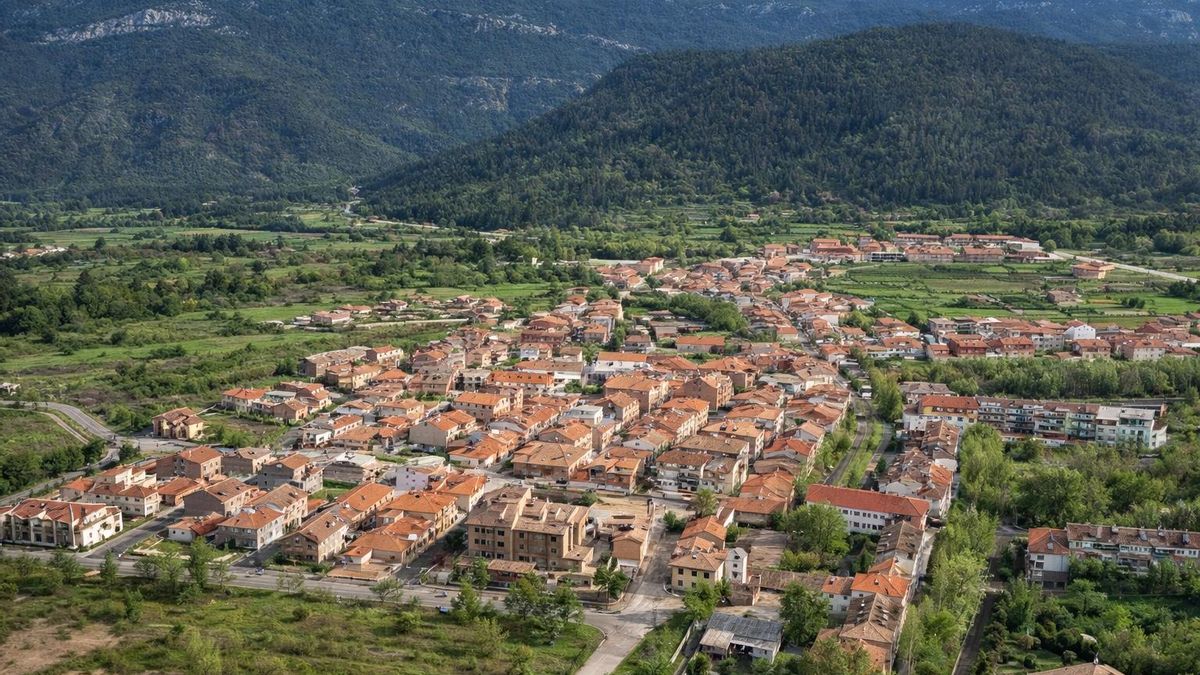
Riópar Viejo y Riópar Nuevo: la fábrica que obligó a un pueblo entero a bajar al valle Un antiguo núcleo medieval acabó convirtiéndose progresivamente en una de las colonias industriales más importantes de EspañaExcavado entre 1957 y 1962, este yacimiento del Valle del Duero es considerado de los más relevantes para comprender la primera Edad del Hierro Hay pueblos que cambian de nombre, y hay pueblos que directamente cambian de sitio. Ese es el caso de Riópar, en la Sierra de Alcaraz (Albacete), donde un antiguo núcleo medieval situado en un cerro fue vaciándose progresivamente durante dos siglos para mudarse a una colonia industrial construida desde cero, a orillas de un río, que daba cobijo a los obreros de una fábrica de latón. En este caso no fue por una guerra o epidemia, fue por una mina de calamina y un proyecto de un ingeniero austriaco. El Riópar original, hoy llamado Riópar Viejo, es un asentamiento con siglos de historia a sus espaldas. Allí se encuentra el yacimiento neolítico de La Marija, donde se descubrió, por ejemplo, el llamado Tesorillo romano de Riópar, 364 monedas que hoy se conservan en el Museo Arqueológico de Albacete. El lugar era muy curioso, pero había un problema y es que al estar encaramado sobre una roca, el pueblo no podía expandirse. El ingeniero que llegó buscando calamina Todo cambia en 1771, cuando el ingeniero vienés Juan Jorge Graubner visita Riópar atraído por la existencia de una mina de calamina, el mineral del que se extrae el zinc que, combinado con cobre, produce el latón. Carlos III, respalda el proyecto, y mediante Real Cédula de 19 de febrero de 1773 se fundan las Reales Fábricas de San Juan de Alcaraz. Fueron las primeras fábricas de España y las segundas del mundo en la elaboración y producción de objetos de zinc y latón, ya que por entonces solo existían las de Goslar, en Alemania. Instalaciones de las antiguas fábricas de Riópar Graubner decidió dividir la producción en dos complejos: uno junto al arroyo Gollizo para trabajar el latón, y otro junto al río Mundo, bajo la mina, para el cobre y el zinc. Ambos lugares estaban lejos de Riópar así que hubo que construir un pueblo nuevo: San Juan de Riópar, para que vivieran los obreros. Marta Vera, presidenta de la Asociación de Amigos de las Reales Fábricas de Riópar, lo explica brevemente: tuvieron que hacer casas para dar albergue a los trabajadores y así conformar un pueblo con todas las necesidades necesarias (Iglesia, médico, estanco de vino y carne entre otros) para asentarse en ese lugar. Entonces se configuró una colonia industrial alrededor de esa Real Fábrica que es el actual pueblo de Riópar. Varios nombres antes del definitivo El pueblo nuevo cambió de nombre varias veces: primero Fábricas de San Juan de Alcaraz, después Fábricas de Riópar, hasta quedarse finalmente con el nombre de Riópar. En 1781 se completó la Presa del Laminador, y a partir de entonces, el declive del pueblo viejo fue constante: llegó a quedar reducido a apenas medio centenar de vecinos, hasta su despoblamiento total en 1995. Con el cierre definitivo de las fábricas en 1996, tras 223 años de actividad, un decreto del Consejo de Ministros fijó los nombres actuales: Riópar (o Riópar Nuevo) para la antigua colonia obrera, y Riópar Viejo para el enclave medieval que le dio origen.
eldiario.es · about 3 hours ago
Scientists Have Identified a New Fossil Species of Axolotl in Mexico Ambystoma quetzalcoatli is the first fossil salamander to be formally identified in Mexico, revealing that axolotls have inhabited the country for millions of years.
wired.com · about 3 hours ago

Elindult a NASA vakmerő űrteleszkópmentő missziója Többszöri halasztás után elindult pénteken az amerikai űrkutatási ügynökség (NASA) vakmerő és eddig példátlan missziója, amellyel a Földre zuhanástól akarja megóvni a süllyedő Swift űrteleszkópot.
hvg.hu · about 3 hours ago

Jellyfish, sharks and big dreams: how I conquer oceans and summits
bluesky_The Times · about 3 hours ago
Ilan Tobianah - Ο μυστηριώδης billionaire , η Ελλάδα και τα ταχύρρυθμα για το πώς θα γίνετε και εσείς εκατομμυριούχοι Ο Ilan Tobianah, γνωστός ως «Δίας» (Zeus), είναι μια αινιγματική φιγούρα των social media, Γάλλος δικηγόρος και επενδυτής ακινήτων. Με περιουσία που εκτιμάται στα $100 - $150 εκατομμύρια, κατάφερε να μαγνητίσει εκατομμύρια followers στο Instagram και το TikTok προβάλλοντας μια ζωή γεμάτη υπερπολυτελή supercars, γιοτ και επιβλητικό στυλ, χωρίς σχεδόν ποτέ να μιλάει στα βίντεό του
protothema · about 3 hours ago
Forschende finden erstmals menschliche DNA an Höhlenkunst Alte DNA haftete womöglich über Jahrtausende an Felswänden, wie eine neue Studie zeigt. Sie passt zu einer Jäger-Sammler-Gruppe, die vor mehr als 5000 Jahren lebte
der standard · about 3 hours ago
Beyond the Busts: Unveiling Alexander the Greats True Face Historians and researchers are suggesting a new facial reconstruction of the famous ancient Greek leader Alexander the Great.
greek reporter · about 3 hours ago
Did a Single Minoan Empire Ever Exist? The Minoans ruled over Crete and many of the smaller Aegean islands throughout much of the Bronze Age. However, was this nation ever united into a single, unified Minoan empire, or were the Minoans separated into various distinct kingdoms each with its own ruler? In this article, we will examine what the evidence reveals. The […]
greek reporter · about 3 hours ago
Hva heter den største av pyramidene ved Giza? 1. Hva heter den største av pyramidene ved…
aftenposten · about 3 hours ago
Anthropic unveils Claude Science for scientific research Anthropic recently launched Claude Science, an AI research workbench, designed to help scientists streamline research, analyze data and manage complex computing workflows. The workbench offers scientists a user interface specifically designed for conducting research. The launch is part of Anthropics life sciences and healthcare initiative, which the IPO-bound company has been developing since October 2025. […]
cyprus mail · about 3 hours ago