Loading…
 Saturday, September 26Saturday, September 26
4 months · 2 summary articles
France unveils stop-gap tank as Daimler invests 1bn in military mobility amid Franco-German defence tensions
Germany and France scrap 100bn fighter jet project amid leadership disputes
Germany and France on Tuesday formally abandoned their decade-long Future Combat Air System (FCAS) project, a €100 billion plan to develop a next-generation European fighter jet, after irreconcilable disputes over industrial leadership and technological control scuttled the initiative. Berlin confirmed its withdrawal following a meeting of EU defence ministers in Brussels, while Paris reiterated plans to pursue a national sixth-generation aircraft, leaving the project’s Spanish partners in limbo.
German Defence Minister Boris Pistorius called the collapse “painful” and acknowledged that the programme had “foundered on reality.” French Armed Forces Minister Margarita Robles went further, blaming corporate interests for trumping Europe’s defence imperatives. “It is a failure,” she said. “Industry put its own interests ahead of Europe’s security.”
The breakdown caps nearly €10 billion already spent and ends a flagship initiative launched in 2017 to reduce European reliance on US platforms such as the F-35. Analysts now warn that the continent’s defence industrial base faces fragmentation at a time when EU leaders are urging greater strategic autonomy. “The discord was evident for years,” said Tomáš Soušek, editor of *Letectví a kosmonautika* and a military aviation expert. “Paris and Berlin simply could not agree on who would lead the programme or how technology would be shared.”
An Airbus-led consortium of eight companies has already submitted an alternative proposal to Berlin, offering a scaled-back sixth-generation design that could be developed more quickly. Meanwhile, Belgian Prime Minister Bart De Wever condemned the failure as “a waste of time and arrogance,” underscoring broader frustration across smaller EU states that had hoped FCAS would anchor a unified European defence posture.
The collapse comes as EU defence chief Margriet Kooijman estimates that replacing US military assets could cost Europe up to €500 billion, intensifying pressure on member states to coordinate procurement. With France now moving ahead alone and Germany open to alternatives, the episode underscores the enduring challenge of balancing national industrial champions against collective security ambitions.
Follow us for live European news

Francouzi naznačují, že stíhačku dovyvinou sami, říká odborník o konci jejich projektu s Německem Miliardy eur na vývoj nové evropské stíhačky přišly vniveč. Projekt, který Paříž a Berlín spustily před téměř deseti lety jako stěžejní evropský zbrojní program, končí. „Nesoulad mezi těmito státy byl zřejmý již dlouho, říká v rozhovoru odborník na vojenské letectví a redaktor časopisu Letectví a kosmonautika Tomáš Soušek.
irozhlas.cz · 4 months ago
România continuă să importe mai mult decât exportă. Deficitul balanţei comerciale s-a redus cu 7 în 2026 Deficitul balanței comerciale a României a ajuns la 10,8 miliarde de euro în perioada ianuarie-aprilie 2026, în scădere cu 7 față de aceeași perioadă a anului trecut, potrivit datelor publicate marți de Institutul Național de Statistică (INS). Exporturile au crescut ușor, în timp ce importurile au scăzut marginal.
digi24 · 4 months ago
50 de milioane de euro pentru paza de la Metrorex. Contractul este cu 40 mai scump decât cel anterior Aproape 50 de milioane de euro pentru „armata de paznici de la Metrorex. Contractul pentru pază urmează să expire, iar compania de transport subteran a publicat în SEAP o licitație pentru următorii trei ani. Suma este mai mare cu aproape 40 față de ultimul contract, semnat în 2023.
digi24 · 4 months ago
O alianță din opt companii, condusă de Airbus, propune un proiect alternativ, după eșecul „super-avionului franco-german O alianţă formată din opt companii, condusă de Airbus, a transmis Berlinului o propunere pentru dezvoltarea unui avion de a şasea generaţie, a declarat un reprezentant al uneia dintre aceste firme pentru AFP, după eşecul proiectului de avion de luptă franco-german din cadrul proiectului FCAS (Future Combat Air System, sistem de luptă aerian al viitorului).
digi24 · 4 months ago
Juist nu Europa moet samenwerken op defensie, mislukte het plan voor een Frans-Duits gevechtsvliegtuig. Wat ging er mis? Het project voor een gezamenlijk gevechtsvliegtuig zou zijn stukgelopen wegens gebrek aan overeenstemming tussen de fabrikanten. Het is een ernstige tegenslag voor de eensgezindheid die Europa wil uitstralen.
nrc · 4 months ago

Les dépenses liées aux armes nucléaires atteignent un niveau historique Les budgets destinés à développer les arsenaux nucléaires ont augmenté de 19 en 2025, pour atteindre le montant record de 119 milliards de dollars, soit près de 103 milliards deuros. Le moins que lon puisse dire, cest que le désarmement nest pas dactualité, déplore le quotidien Le Temps.
courrier international · 4 months ago
Absturz des europäischen Kampfjets: Wie Paris und Berlin das „Mega-Zukunftsprojekt beerdigten [premium] Europas größtes Rüstungsprojekt ist Geschichte. Das ist auch symbolisch ein Rückschlag. Woran das deutsch-französische Vorhaben scheiterte – und wie es nun weitergehen könnte.
die presse · 4 months ago

Bahngleis führt ins Nichts: EU-Prüfer legen Fördermängel am Westbalkan offen Die EU-Kommission hat mehr als eine halbe Milliarde Euro in Straßen und Schienen investiert. Mitunter wurden Projekte gefördert, die schon ausfinanziert waren, kritisiert der EU-Rechnungshof
der standard · 4 months ago

Das Wehrbudget steigt, bleibt aber weit hinter dem angepeilten Ziel Ob das Ziel von zwei Prozent des BIP bis 2032 noch erreichbar sei, hänge "auch von der wirtschaftlichen Entwicklung" ab, heißt es aus dem Heeresressort
der standard · 4 months ago
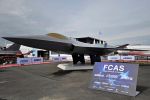
Europas Kampfjet-Projekt wird zum Fiasko Die Franzosen sperren sich, die Deutschen verabschieden sich: Das Projekt FCAS, gedacht als Speerspitze der europäischen Verteidigung, ist kläglich gescheitert
der standard · 4 months ago
FCAS: Boris Pistorius bedauert FCAS-Aus Den Verteidigungsminister »schmerzt« das Scheitern des deutsch-französischen Kampfjetprojekts FCAS. Das Projekt sei an der Realität zerschellt, sagte Boris Pistorius.
die zeit · 4 months ago
Industriestrompreis: EU erlaubt weitere Entlastung der Industrie beim Strompreis Die EU hat der Regierung laut Ministerin Katherina Reiche erlaubt, Unternehmen stärker bei Stromkosten zu unterstützen. Den Bund würde das eine Milliarde Euro kosten.
die zeit · 4 months ago
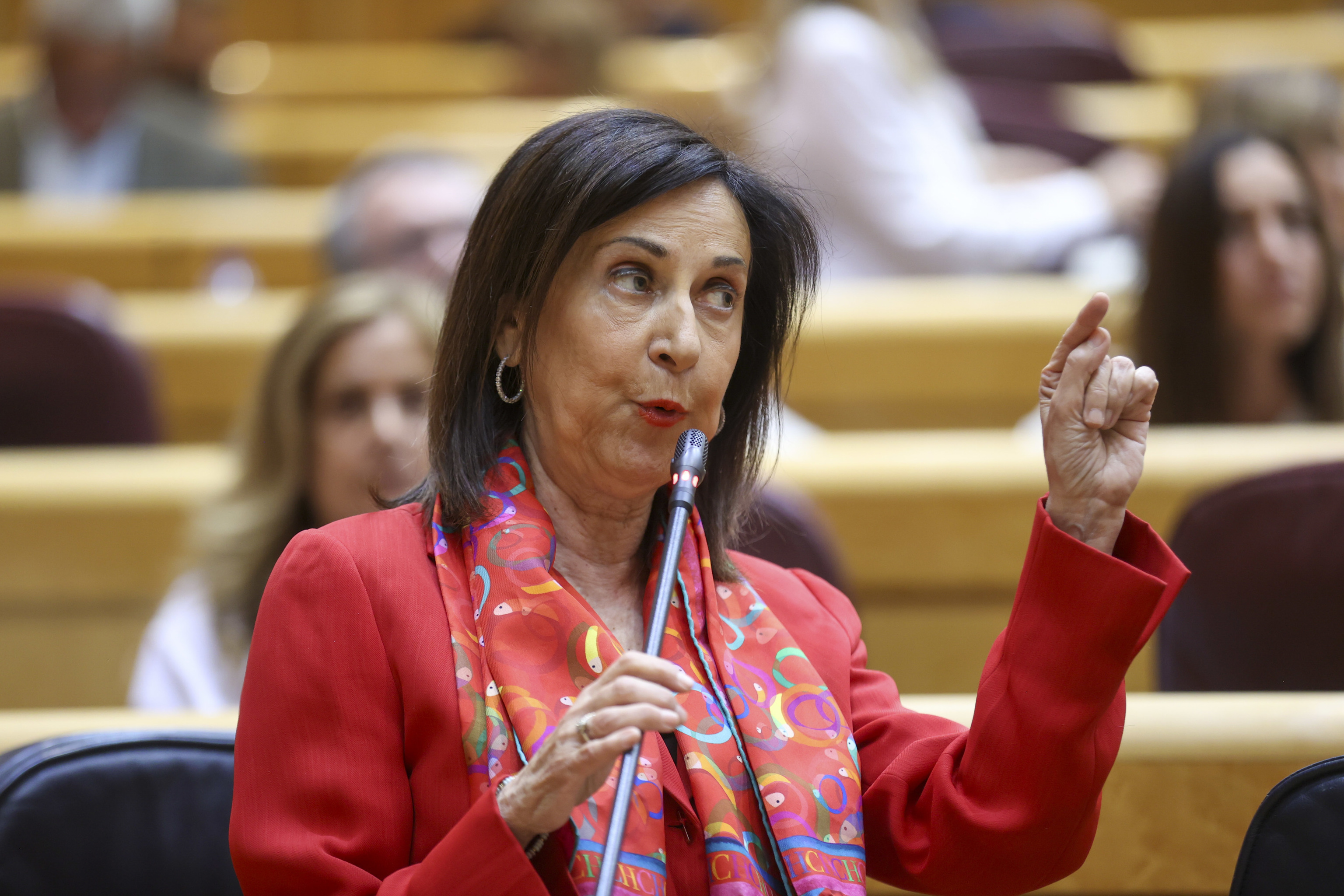
Margarita Robles carga contra las empresas por el fin del programa del nuevo caza europeo: "Es un fracaso. Se han antepuesto los intereses de la industria a la defensa de Europa" Pide una reflexión a nivel europeo por un nuevo fracaso de un programa conjunto comunitario Leer
elmundo · 4 months ago

Sanierungsstau in Hessen: Für den Schulbau fehlen sechs Milliarden Euro Die Gewerkschaft Erziehung und Wissenschaft hat verglichen, wie viel Geld die Schulträger in Hessen in ihre Schulen investieren. Besonders wenig ist es in Kassel. Im Hochtaunuskreis ist der Zustand der Gebäude am besten.
faz · 4 months ago
Security-Update: FCAS gescheitert – und jetzt? Fast zehn Jahre, rund 100 Milliarden Euro, unzählige Verhandlungsrunden – und nun das Aus: Deutschland und Frankreich ziehen die Reißleine beim Future Combat Air System (FCAS). Verteidigungsminister Pistorius spricht von einem klaren Rückschlag, aber ist das wirklich ein politisches Scheitern – oder ein Versagen der Industrie? Und was kommt jetzt? Rixa Fürsen spricht mit Spiegel-Chefreporter […]
politico.eu · 4 months ago
Německo pošle na muniční iniciativu v přepočtu 7,2 miliardy korun. Ministr Pistorius ji ocenil Německo se na české muniční iniciativě bude podílet dalšími 300 miliony eur (asi 7,2 miliardy korun). V úterý to při setkání se svým českým protějškem Jaromírem Zůnou (za SPD) řekl německý ministr obrany Boris Pistorius. Tato suma podle něho vystačí na nákup asi 50 tisíc kusů munice pro Ukrajinu. Zůna Německo označil za strategického partnera Česka v obraně a bezpečnosti.
irozhlas.cz · 4 months ago

Volotea retira el recargo de hasta 14 euros por el combustible La aerolínea, que afronta una investigación en Italia por el caso, asegura que la medida era "temporal". El cambio se realizará para las reservas a partir del 10 de junio. Leer
expansion · 4 months ago
Als het zo doorgaat, wordt dit de grootste ebola-uitbraak ooit De ebola-uitbraak in Congo is nog lang niet onder controle. Dat komt door de burgeroorlog in het Afrikaanse land, maar ook doordat westerse landen flink bezuinigd hebben op ontwikkelingshulp. Daardoor heeft Congo niet de middelen om de uitbraak op tijd te signaleren en in te dammen.
rtl nieuws · 4 months ago
Italiaans schilderij half miljoen euro meer waard door fout: 8 bleek een 3 in jaartal Een Italiaans schilderij blijkt na restauratie in Zwitserland vijfhonderd jaar ouder te zijn dan gedacht. Het werk is daardoor een half miljoen euro meer waard geworden. Maar Italië mag het schilderij niet terughalen, oordeelt de Italiaanse Raad van State.
nu.nl · 4 months ago

„Wir werden gewinnen – Emirates radikales Buhlen um Berlin Inmitten des andauernden Konflikts am Golf versucht Emirates das Comeback. Airline-Chef Tim Clark investiert Milliarden in die Kabinenmodernisierung und attackiert den deutschen Konkurrenten ungewohnt offen. Ausgerechnet Bundeskanzler Friedrich Merz soll ihm nun helfen.
welt.de · 4 months ago
„Ce pierdere de timp, ce aroganță! Premierul Belgiei critică Franța și Germania după eșecul proiectului „super-avionului Prim-ministrul Belgiei, Bart De Wever, a criticat marți Franța și Germania pentru că nu au reușit să ajungă la un acord privind un program comun de construire a unui nou avion de vânătoare, relatează Politico.
digi24 · 4 months ago