
One in three Austrian schoolchildren received paid tutoring last year, study finds
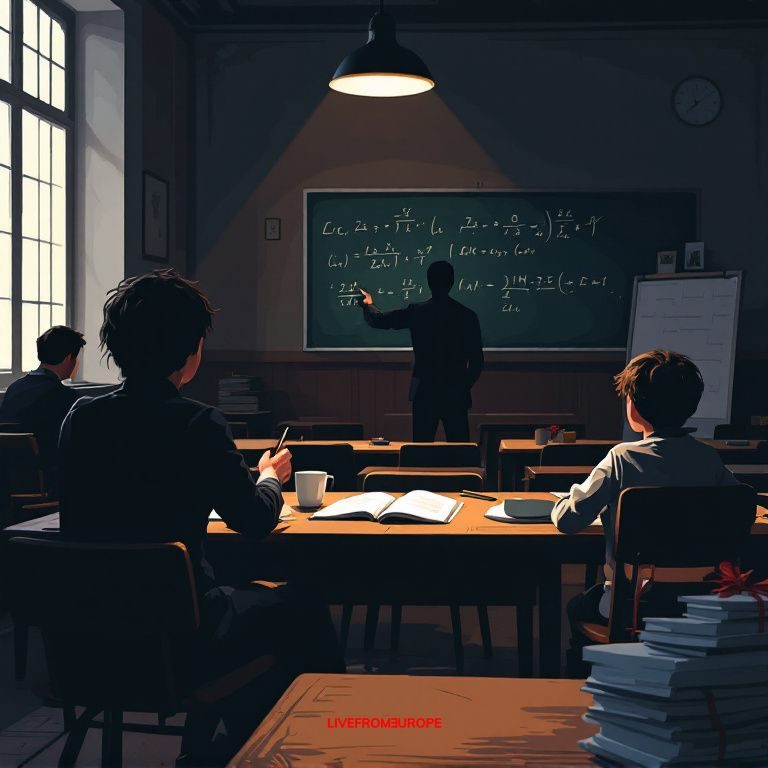
One in three schoolchildren in Austria received paid tutoring in the past academic year, according to the 2026 Nachhilfebarometer published Tuesday by the Arbeiterkammer (AK) Wien. The report found 338,000 children and adolescents—32 percent of all students—received tutoring, up from 31 percent the previous year. Among primary school pupils, 23 percent now receive additional support, the study showed .
The AK Wien survey, conducted by the IFES Institute between March and May, polled 3,208 parents with 4,728 schoolchildren. It revealed that 76 percent of students learn with their parents, with 23 percent doing so almost daily. Overall, 68 percent of parents assist their children multiple times a week, a burden that AK Wien education expert Elke Larcher described as "dysfunctional" and particularly challenging for parents without a high school diploma, contributing to educational inequality .
Mathematics accounted for 66 percent of tutoring demand, the AK report noted, while 52 percent of tutoring cases aimed to improve a single grade. Another 28 percent sought to avoid a failing grade or retake an exam. Larcher characterized the trend as a symptom of "bulimia learning"—short-term memorization for tests without lasting comprehension—adding that 28 percent of parents attributed tutoring needs to gaps in classroom instruction, such as insufficiently taught material or canceled lessons .
The AK Wien estimated that Austrian families spend €140 million annually on private tutoring, with €40 million of that covering instruction that should have been provided in schools. Ilkim Erdost, head of AK Wien’s education department, stated that tutoring had become "normalized" and was starting earlier, often in primary school, as parents seek to secure spots in selective secondary schools .
A separate analysis in *Die Presse* noted that while tutoring demand does not necessarily indicate systemic failure, it often reflects mismatches between a child’s abilities and the chosen school track. The article questioned whether pushing children into academic high schools (AHS) at all costs was sustainable, citing Statistics Austria data showing 77.7 percent of vocational school graduates were employed 18 months after completion .
Follow us for live European news
- 5
- 3
- 3
- 2
- 1
- 1
- 1
- 1
- 1
- 1
- 1
2 further sources not geolocated
Articles

Koretsky: Young teachers to earn up to UAH 17,700, experienced teachers up to UAH 28,500 from September #UkraineKoretsky: Young teachers to ea...
mastodon bot · about 3 hours ago

Kinderen fietsen steeds minder goed: laat ze vaker zelf naar school fietsen Veilig Verkeer Nederland roept ouders op om hun kinderen vaker zelf naar school te laten fietsen. De fietsvaardigheid van kinderen gaat achteruit en juist door veel te fietsen leren ze zich veilig door het verkeer te bewegen.
rtl nieuws · about 3 hours ago
Gesundheit: Weniger Impfungen bei US-Vorschulkindern gemeldet Die Impfquoten bei US-Vorschulkindern sinken laut CDC leicht. Für immer mehr Kinder gelten zudem Ausnahmeregelungen für Impfungen.
tagesspiegel · about 3 hours ago
Schulen: Lehrer können Arbeitszeit per App erfassen Mit einer neuen App dokumentieren Lehrkräfte jetzt ihre Arbeitszeit. Die GEW will so verdeckte Mehrarbeit an Schulen sichtbar machen und Ansprüche durchsetzen.
tagesspiegel · about 3 hours ago
Vanhemmuus | Luottamustoimen hoitaminen voi tulla vanhemmalle kalliiksi Kunnan tai hyvinvointialueen luottamustoimi voi vaikuttaa oikeuteen saada joustavaa tai osittaista hoitorahaa.
helsingin sanomat · about 3 hours ago
Mobieltjesverbod voor leerlingen, maar online faam voor leerkrachten: de onderwijsinfluencer is in opmars Leraren die op sociale media een inkijk geven in hun werk in de klas bereiken vele honderdduizenden volgers. Het klaslokaal is niet langer een plek om alleen les te geven, het genereert ook content. Alleen maar leuk en inspirerend? Of kleven er ook risicos aan voor de veiligheid in de klas?
nrc · about 3 hours ago
Ein Drittel der Schülerinnen und Schüler bekommt Nachhilfe, Kosten pro Kind leicht gesunken In den vergangenen Jahren zeigt sich ein deutlicher Anstieg von Nachhilfe in der Gruppe der Volksschulkinder. Im Schnitt gegen Familien laut AK-Umfrage 720 Euro jährlich für Nachhilfe aus
der standard · about 3 hours ago
(K)ein Blick auf Armut Obwohl die Zahl von armutsbetroffenen Personen in Deutschland steigt, wird ihre erkennbarste Erscheinungsform aus dem Stadtbild verdrängt: Bettelnde Personen sind im öffentlichen Raum weniger sichtbar, weil kommunale Bettelverbote sie zum Verschwinden zwingen. Im Juli 2026 haben zuletzt die Stadträte in Dortmund und Düren Verbotszonen rund um die Außengastronomie eingeführt, die sogar stilles Betteln verbieten. Dies gibt Anlass zu erheblichen rechtlichen Bedenken. Denn der bloße Anblick eines bettelnden Menschen begründet keine Gefahr für die öffentliche Sicherheit und Ordnung. The post (K)ein Blick auf Armut appeared first on Verfassungsblog.
verfassungsblog · about 3 hours ago
Studiu. Românii se plâng de taxele mari și aleg tot mai des serviciile medicale private 81,6 dintre respondenții unui studiu consideră că impozitarea din România este excesivă, iar 65,6 spun că apelează de regulă la servicii medicale private atunci când au o problemă de sănătate. Datele conturează o percepție critică atât asupra nivelului taxării, cât și asupra serviciilor publice.
adevarul · about 3 hours ago
Νέο πλαίσιο για τις σχολικές εκδρομές: Όλες οι αλλαγές για μαθητές και εκπαιδευτικούς, τι θα ισχύει για τα κινητά Τουλάχιστον 6 εκπαιδευτικές μετακινήσεις τον χρόνο στην Πρωτοβάθμια - Διευκολύνσεις για τα Ειδικά Σχολεία, συνεργασία σχολείων για χαμηλότερο κόστος και περισσότερες δυνατότητες Erasmus
protothema · about 3 hours ago
Fire av fem kommuner bryter loven når det skal ansettes på barneskoler Lar folk jobbe med barn uten å vise politiattest.
nrk · about 3 hours ago
Nu är det förbjudet att ha mobiler i skolan Nu är sommarlovet slut och många barn börjar skolan igen. Från och med den här terminen är det förbjudet att ha mobiler i skolan.
sverigesradio · about 3 hours ago

So viele Schüler wie seit 45 Jahren nicht mehr – doch der Boom endet So viele Schüler wie seit 45 Jahren nicht mehr besuchen Hamburgs Schulen. Doch erstmals seit Jahren schrumpfen die Grundschulen. Die Stadt investiert trotzdem mehr als 500 Millionen Euro in neue Gebäude und rechnet langfristig mit sinkenden Zahlen.
welt.de · about 3 hours ago

Aux Pays-Bas, un parti dextrême droite ouvre sa propre école, sur fonds publics Éloge de lEurope dautrefois – y compris coloniale –, critique de faits scientifiques, méthodes différenciées pour les filles et les garçons : lécole Renaissance, qui ne compte quune poignée délèves pour le moment, est un projet du parti dextrême droite Forum pour la démocratie. Grâce à une nouvelle réglementation, il a pu bénéficier du financement de lÉtat néerlandais.
courrier international · about 3 hours ago
Nicht jeder braucht um jeden Preis eine AHS-Matura [premium] Der hohe Nachhilfebedarf in Österreich ist alarmierend. Aber nicht jedes Kind, das Nachhilfe bekommt, ist ein Beweis für ein komplettes Systemversagen. Oft liegt es schlicht daran, dass nicht der richtige Schultyp oder der richtige Bildungsweg für ein Kind gewählt wurde.
die presse · about 3 hours ago
O învățătoare a părăsit grupul de WhatsApp al clasei. Reacția revoltată a unei mame a stârnit o dezbatere: „Cu ce drept îi scrii? Mama unei fetițe care trece în clasa a II-a a stârnit o dezbatere aprinsă după ce a povestit că învățătoarea a decis să părăsească grupul de WhatsApp al clasei și să transmită anunțurile prin intermediul mamei care este administratorul grupului.
adevarul · about 3 hours ago
Jedes dritte Kind bekommt Nachhilfe Private Nachhilfe bleibt ein fixer Bestandteil des Schulalltags. Laut dem neuen Nachhilfebarometer der Arbeiterkammer (AK) Wien erhält bereits jedes dritte Kind zusätzliche Unterstützung – zunehmend auch in der Volksschule. Eltern geben im Schnitt 720 Euro pro Jahr dafür aus. Die AK warnte davor, dass Schulerfolge nicht von den finanziellen Möglichkeiten der Eltern abhängen dürfen.
orf.at · about 3 hours ago
Diskriminierungsverbot: Gesetze allein verändern keine Haltungen, aber Verhaltensweisen Mit dem Gesetz ist die Diskriminierung am Arbeitsplatz nicht verschwunden. Aber Betroffene haben nun mehr Möglichkeiten, ihren Arbeitgebern etwas entgegenzusetzen.
faz · about 3 hours ago
Glosse: Das Streiflicht: Kinder machen doch keine Arbeit – wer sagt denn so was? Österreichs Kanzler ist dieser Auffassung, und man kann ihn darin nur bestärken. Ein Leben mit dem Nachwuchs ist immer nur die reine Freude.
sueddeutsche · about 3 hours ago
Latvia spends less than EU average on education New data published by Eurostat shows levels of public spending on education across the European Union – and reveals that Latvia spends less than the majority of its EU peers on this crucial investment in the future.
lsm latvia · about 3 hours ago
Purjus vanemate tõttu ohtu sattunud lapsi on tulnud perest eraldada pea poole rohkem Purjus vanemad, hooletusse jäetud lapsed ja katkine pereelu viivad tahes tahtmata selleni, et lapse kodu pole turvaline ning ta tuleb perest eraldada. Tänavu on lasteabi pidanud peredest eraldama hulga rohkem lapsi kui mullu. Paratamatult tekib küsimus, miks?
postimees · about 3 hours ago
Bildung und Teilhabe in Potsdam: Stadt will Vorschlag zur Einführung einer Karte vorlegen Seit Jahren steht der Antragsstau für Hilfen zu Klassenfahrten und Schulmaterial in der Kritik. Nun hat die Verwaltung die Prüfung einer Karte oder eines Passes abgeschlossen.
tagesspiegel · about 3 hours ago
Alarmierende Zahlen zum Berliner Lehrermangel: Nur jede vierte neu eingestellte Lehrkraft ist voll ausgebildet Über 3700 Stellen müssen an Berlins Schulen neu besetzt werden. Die meisten Lücken füllen Seiteneinsteiger, Studierende und Vertreter anderer Berufe.
tagesspiegel · about 3 hours ago
România este pe ultimul loc în UE la cheltuielile publice pentru educaţie (Eurostat) Cheltuielile publice pentru educaţie (de la grădiniţă şi până la liceu) în Uniunea Europeană au reprezentat 4,7 din produsul intern brut (PIB) în anul 2023, o cifră care nu a suferit modificări față de 2022, arată datele publicate marţi de Eurostat. România se află la coada clasamentului.
digi24 · about 3 hours ago
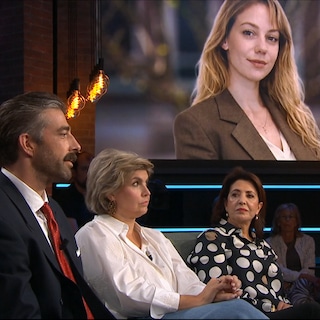
Naar de Renaissanceschool vanwege de kleine klassen: dat is met vier (!) leerlingen op school alvast gelukt
de volkskrant · about 3 hours ago
Kosten der Inklusion: Offenbach benötigt mehr Geld für Eingliederungshilfe Die kommunalen Sozialausgaben steigen, besonders die sogenannte Eingliederungshilfe für Kinder und Jugendliche. Für diese Ausgabe muss Offenbach jetzt mehr Geld als erwartet zur Verfügung stellen.
faz · about 3 hours ago
Do you think schools should get rid of uniforms? Back-to-school season is fast approaching.
thejournal · about 3 hours ago