Loading…
 Saturday, August 29Saturday, August 29
2 months · 5 summary articles
A 16-year-old suspect in Wednesday’s school attack in Schongau, Bavaria, remains in pre-trial detention after police confirmed he used a 3D-printed pistol and a knife to injure two 13-year-old girls at a local gymnasium. The victims, both in stable condition, were targeted as the suspect entered the school building, firing a single shot that failed before he switched to a blade. Authorities identified the teenager as a Croatian national already known to law enforcement for prior threats and glorification of school shootings on social media in 2025. Investigators are examining whether the firearm was manufactured using a 3D printer and obtained via the dark web, while digital forensics continue to probe the suspect’s online activity. Mitschüler reportedly intervened to protect one of the girls, preventing further harm. The case has prompted renewed debate over school safety and the accessibility of untraceable weapons in Germany .
In the Netherlands, a 37-year-old man with a history of mental health issues and prior run-ins with police has been charged with the fatal stabbing of a 59-year-old ABN Amro employee in Nieuw-Vennep. The victim, identified as Karin, was attacked in a train station parking lot on March 30 in what prosecutors describe as a random act. The suspect, Adil Q., was arrested the following day and is now facing manslaughter charges. Police records show he was previously detained for shoplifting in the same area just two weeks before the killing and had been involved in a violent incident in Amsterdam in December 2025. Investigators are reviewing digital evidence and have not yet established a clear motive. The case has drawn attention as it follows the unsolved murder of Karin’s colleague, Leonie, found dead in her Amsterdam bathtub on March 26. Leonie’s partner, Clen V., remains in custody in connection with that death .
In Hungary, an Irish national was sentenced to 14 years in prison without parole for the 2024 murder of an American tourist in Budapest. Mackenzie Michalski, 31, from Portland, Oregon, was strangled by the defendant, identified only as L.T.M., during an intimate encounter after meeting at a nightclub. The court ruled the killing was premeditated, and the defendant’s attempt to conceal the crime through disposal of the body in a wooded area further aggravated the sentence. The defendant, who claimed the death was accidental, will be deported upon release .
Meanwhile, in Romania, a court issued a six-month protection order against Tiberia Pușa Gyurca, sister of Anda Gyurca, who was killed by her partner Emil Gânj in Miheșu de Câmpie earlier this year. The order requires Gyurca to maintain a 50-meter distance from her partner and wear an electronic monitoring device, citing domestic violence allegations. Her lawyer disputes the claim, asserting she was the victim. The case has raised concerns over the enforcement of protection orders in domestic violence cases .
Across Europe, multiple violent incidents underscore ongoing challenges in public safety and judicial response. In Spain, a homeless man was arrested for fatally stabbing a young man outside a cemetery in Cubelles, while in Greece, authorities continue to investigate a political arson attack that killed a 72-year-old victim. In Finland, police are reviewing cases involving the killing of protected adders, highlighting tensions between wildlife conservation and public safety concerns .
Follow us for live European news
6 further sources not geolocated

Bodies of two missing 12-year-old girls found in Russia
telegram_Meduza · about 2 months ago
Aykut still serving sentence in Israel, Cyprus confirms Shimon Mistriel Aykut, 75, is still serving his prison sentence in Israel, the Cyprus Justice Ministry has confirmed. Aykut was convicted in 2025 and sentenced to five years in prison for the largest case of Greek Cypriot property usurpation in the occupied areas. The Justice Ministry received this update recently from its Israeli counterpart, after […]
in-cyprus · about 2 months ago
Police investigate large street brawl in Xylofagou Police are investigating a violent street fight involving an estimated 15 to 20 people in Xylofagou on Wednesday night, authorities reported on Thursday. Officers were called to the scene at around 9.40pm following reports of a melee. However, by the time police arrived, those involved had already fled. Investigators carried out extensive searches of the […]
cyprus mail · about 2 months ago
Four arrested for long-term sexual abuse of animals - The Baltic Times RIGA - The State Police have detained a group of four people suspected of systematically committing acts of cruelty against animals at an animal......
baltic times · about 2 months ago
Staged robbery uncovered in Ogre, Latvia The State Police have uncovered a staged robbery in Ogre that was organised to conceal the embezzlement of company funds, police said on July 9.
lsm latvia · about 2 months ago
Accident grav între un autocar cu 61 de persoane și un autotren, în Călărași. A fost activat Planul Roșu de Intervenție Un autocar în care se aflau aproximativ 61 de persoane, dintre care 35 de copii și 25 de adulți, a fost implicat într-un accident rutier produs pe DN21, în județul Călărași, în care a fost implicat și un autotren. Autoritățile au activat Planul Roșu de Intervenție.
digi24 · about 2 months ago
Martor la tragedie, un apropiat al lui Gabi Mureșan povestește ultimele clipe ale fostului fotbalist: „Părinte, cred că nu mai pot Gabi Mureșan, fostul mare fotbalist al echipei CFR Cluj, a murit la doar 44 de ani, înecat într-un lac din zona comunei Apold, acolo unde era și primar. Preotul Toni Lucian Dumitru, unul dintre apropiații acestuia și martor la tragedie, a povestit ultimele momente petrecute alături de sportiv.
digi24 · about 2 months ago
Greek Court Releases Australias Most Wanted Fugitive Pending Extradition Decision A court in Greece has ordered the conditional release of James Dalamangas, the fugitive wanted by authorities in Australia over the alleged 1999 fatal stabbing of George Giannopoulos in Sydney. Dalamangas was released from Agios Stefanos Prison after his defense team asked for his detention to be lifted while Australias extradition request is examined. His […]
greek reporter · about 2 months ago

Fifteen dead in violence as South Sudan marks 15 years of independence
news.yahoo.com · about 2 months ago
Militia-like movements appear in Chad amid surge in intercommunal violence In Chad, intercommunal violence has dramatically risen, with authorities flagging five different incidents just last month, with over 300 killed in just two years. The UN has warned that violence is escalating across the entire Lake Chad basin, with 5,700 people killed since last November. Violence has also forced thousands to leave. FRANCE 24s Harold Girard tells us more
france24 · about 2 months ago
Bodies of Missing 12-Year-Old Girls Found in Siberias Yenisei River The two girls went missing in Siberias republic of Tyva earlier this month.
themoscowtimes · about 2 months ago

Irishman jailed for murder of American nurse in Hungary The court ruled the man had strangled Mackenzie Michalski to death and dumped her body in the woods.
thejournal · about 2 months ago
Police officer in Limburg fired after reports of sexual misconduct A police employee in Limburg has been fired for serious misconduct.
nltimes.nl · about 2 months ago
Prison for drug mule caught on Amsterdam train with 75 drug packets inside his body A 31-year-old man who boarded a train to Salzburg in Amsterdam with 75 packets of drugs in his body was sentenced to 3 years in prison by the Cologne court.
nltimes.nl · about 2 months ago
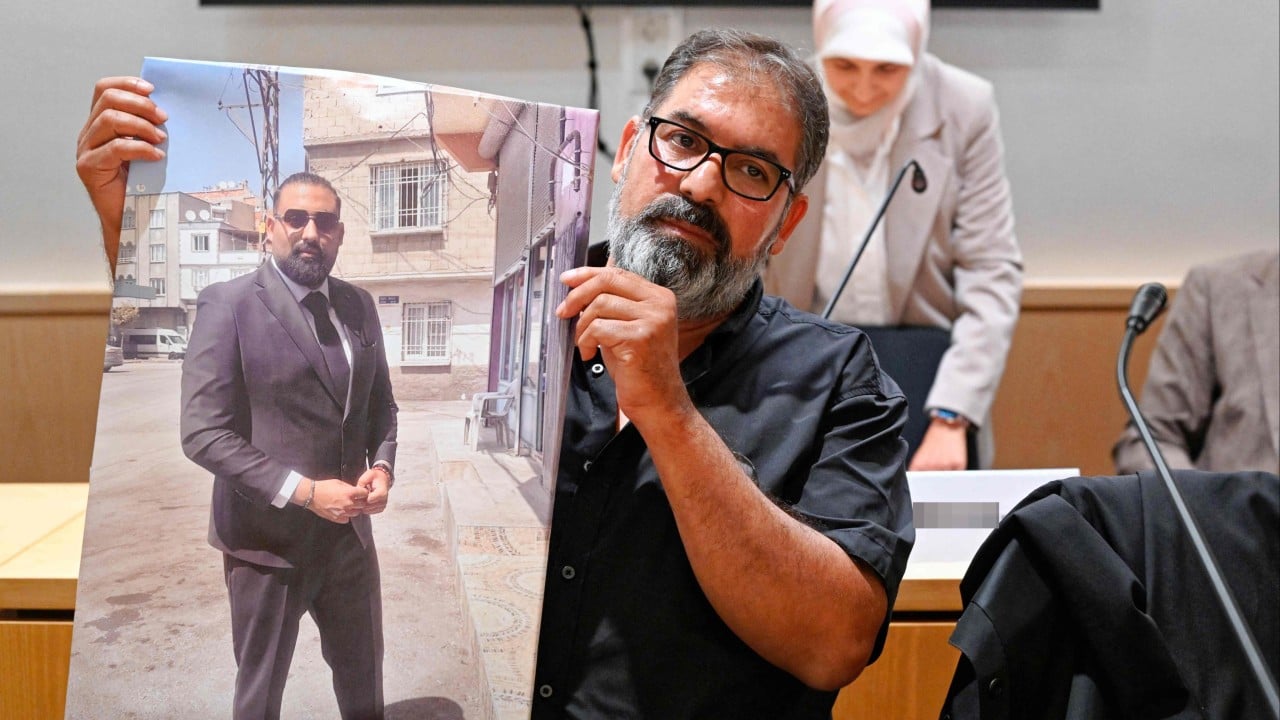
Germany jails man 10 years for fatal attack on train conductor A German court on Thursday handed down a 10-year prison sentence to a 26-year-old man who fatally assaulted a train conductor during a ticket inspection in the western state of Rhineland-Palatinate five months ago. The court sitting in Zweibrücken found that the man had attacked the conductor after being found without a ticket, hitting the conductor so hard that he later died of a brain haemorrhage. The assailant was found guilty of causing bodily harm resulting in death. The sentence is open to...
south china morning post · about 2 months ago
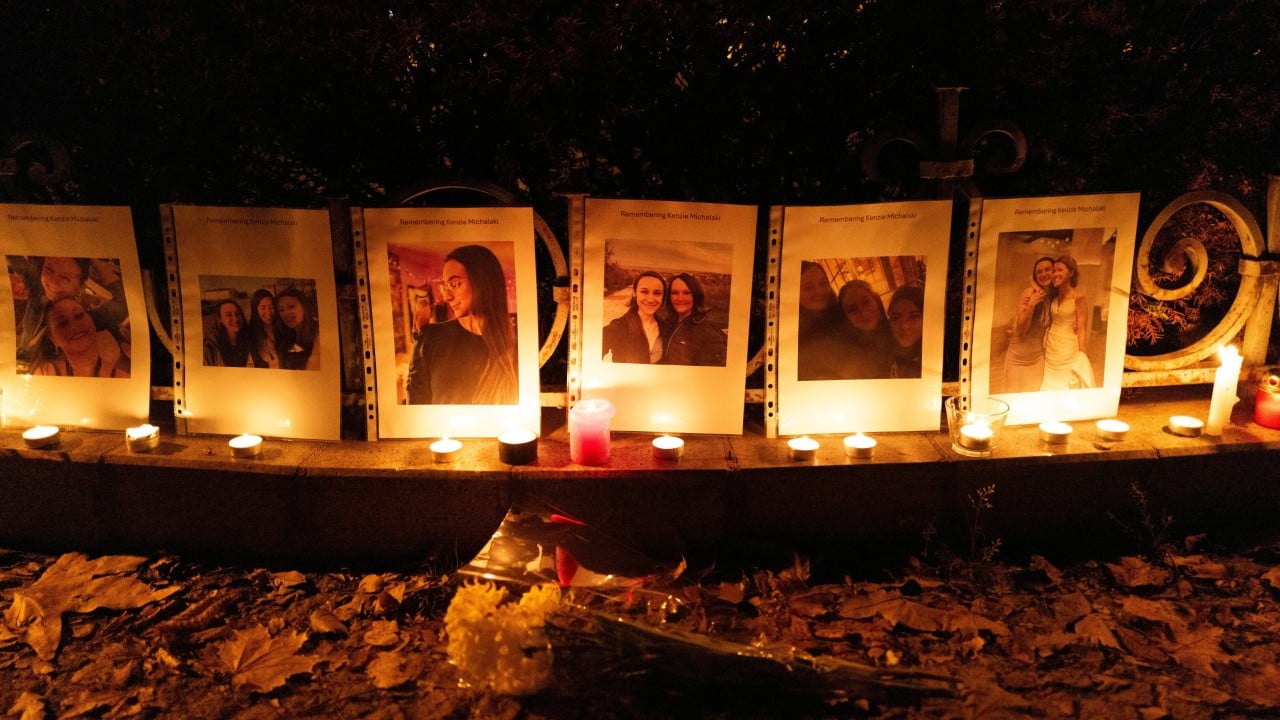
Irish man gets 14 years jail for killing US tourist in Hungary A court in Hungary on Thursday sentenced an Irish citizen to 14 years in prison for strangling an American tourist to death in the countrys capital in 2024. The victim, 31-year-old Mackenzie Michalski from Portland, Oregon, was in Hungary on holiday and reported missing on November 5, 2024, after she was last seen at a nightclub in central Budapest. Police launched a missing person investigation and reviewed security footage from local nightclubs where they observed Michalski, who went by...
south china morning post · about 2 months ago
Killing a protected viper can trigger a police investigation Several recent cases have come to the attention of police after people posted photos of dead vipers on social media.
yle.fi · about 2 months ago

Greece Buries Victim of Political Arson Attack as Probe Continues Funeral held for 72-year-old victim of bomb attacks targeting ruling New Democracy party officials, as police continue the hunt for the unknown perpetrators.
balkaninsight · about 2 months ago
Two minors get prison sentence for double homicide Two minors have been sentenced to 12 years and six months in prison and three years of probation for the murder of two people in Rēzekne, the Latgale District Court has ruled, according to the Prosecutors Office.
lsm latvia · about 2 months ago
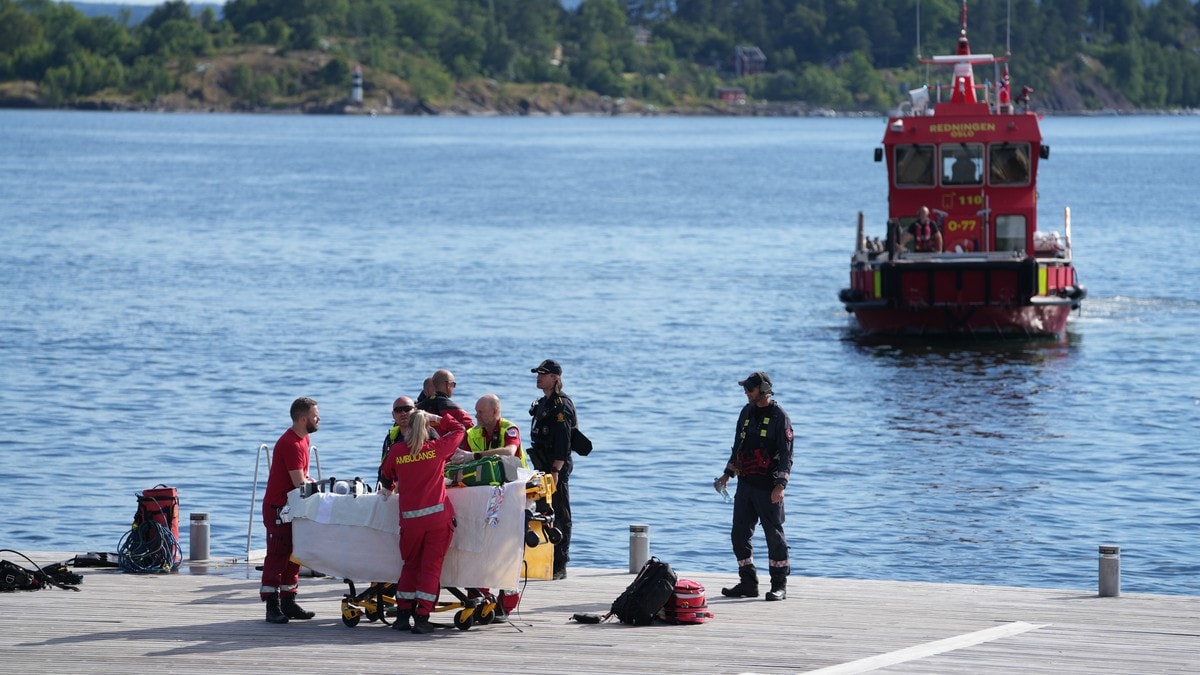
Mulig stupeulykke på Sørenga i Oslo Politiet er på Sørenga i Oslo etter melding om mulig stupeulykke. NRKs reporter på stedet melder at nødetatene er på plass med både biler, båter og helikopter.
nrk · about 2 months ago

No one expects to bury their child: Malaga crash victim Michaela Newcombe remembered at funeral The 23-year-olds world revolved around her nanny Francie and grandad Eddie with whom she had lived since she was three years old
irish times · about 2 months ago

Jamey Carney was a loving mother: Tributes paid to American woman murdered in Killarney Kerry town in state of shock following death of 43-year-old woman, says mayor
irish times · about 2 months ago
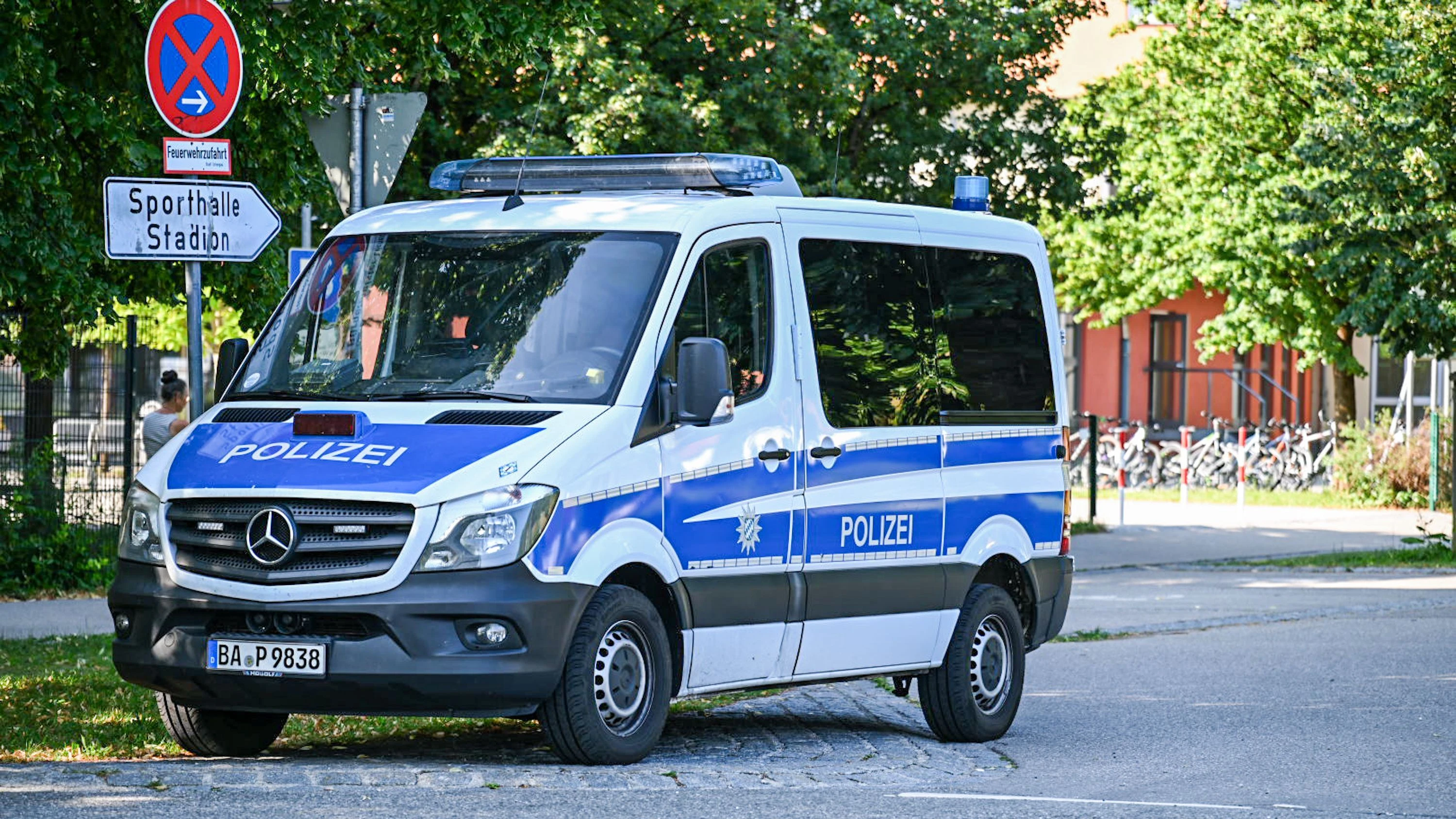
AmokTat in Oberbayern: Tatverdächtiger von Schongau soll Amokläufe verherrlicht haben Ein 16 Jahre alter Jugendlicher soll an seiner ehemaligen Schule zwei 13-Jährige schwer verletzt haben. Nun sitzt er in Untersuchungshaft – den Behörden war er bereits bekannt.
faz · about 2 months ago

Gardaí believe Killarney murder suspect has fled the country American woman Jamey Carney (43) was found dead with severe head injuries in her home in Killarney.
thejournal · about 2 months ago

Waymo car ratted out its own passengers, police say Police have detained two 15-year-olds who they say were drinking and shooting water beads while riding a self-driving Waymo around town
independent · about 2 months ago

ICE arrested a nursing mom. A Trump-appointed judge ordered her release three months later EXCLUSIVE DETAILS: Mother of four US citizen children faces terrible conditions in Louisiana detention center, lawyer says
independent · about 2 months ago
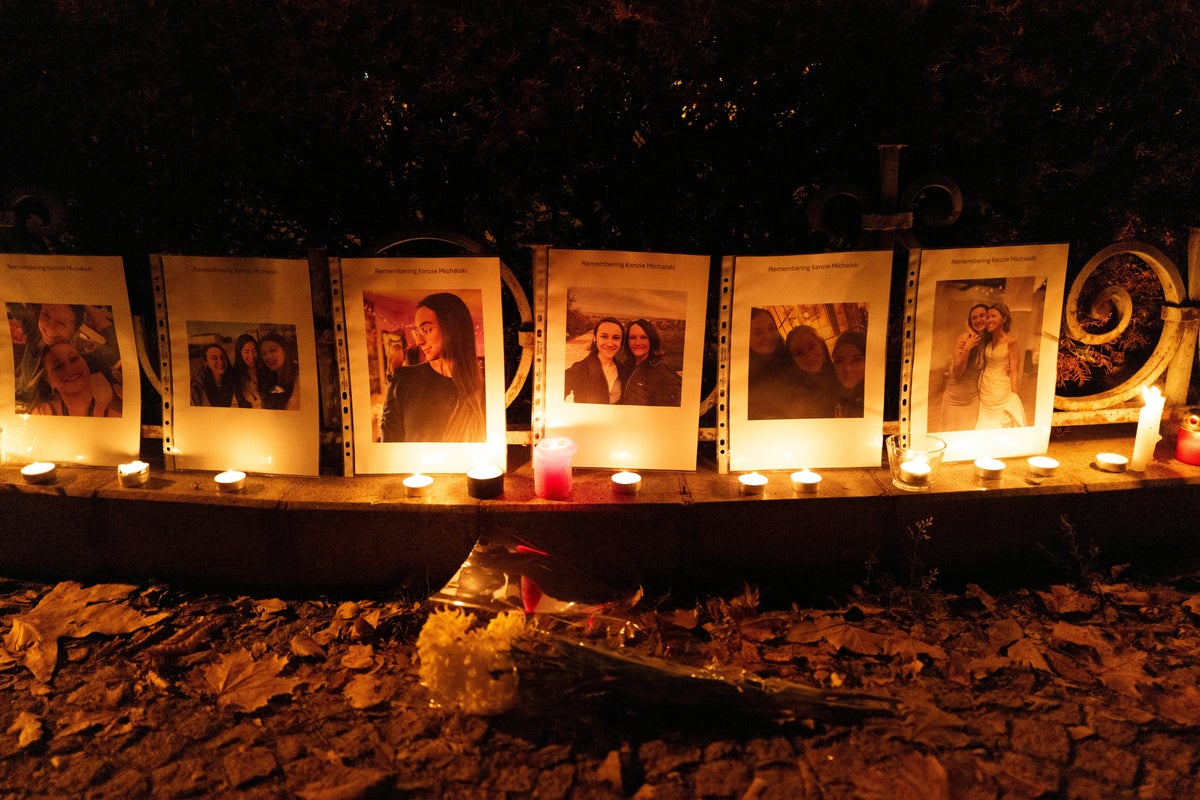
Irish man jailed for 14 years over murder of US tourist in Hungary Mackenzie Michalski, 31, from Portland, Oregon, was on holiday in the country when she was reported missing on 5 November 2024
independent · about 2 months ago
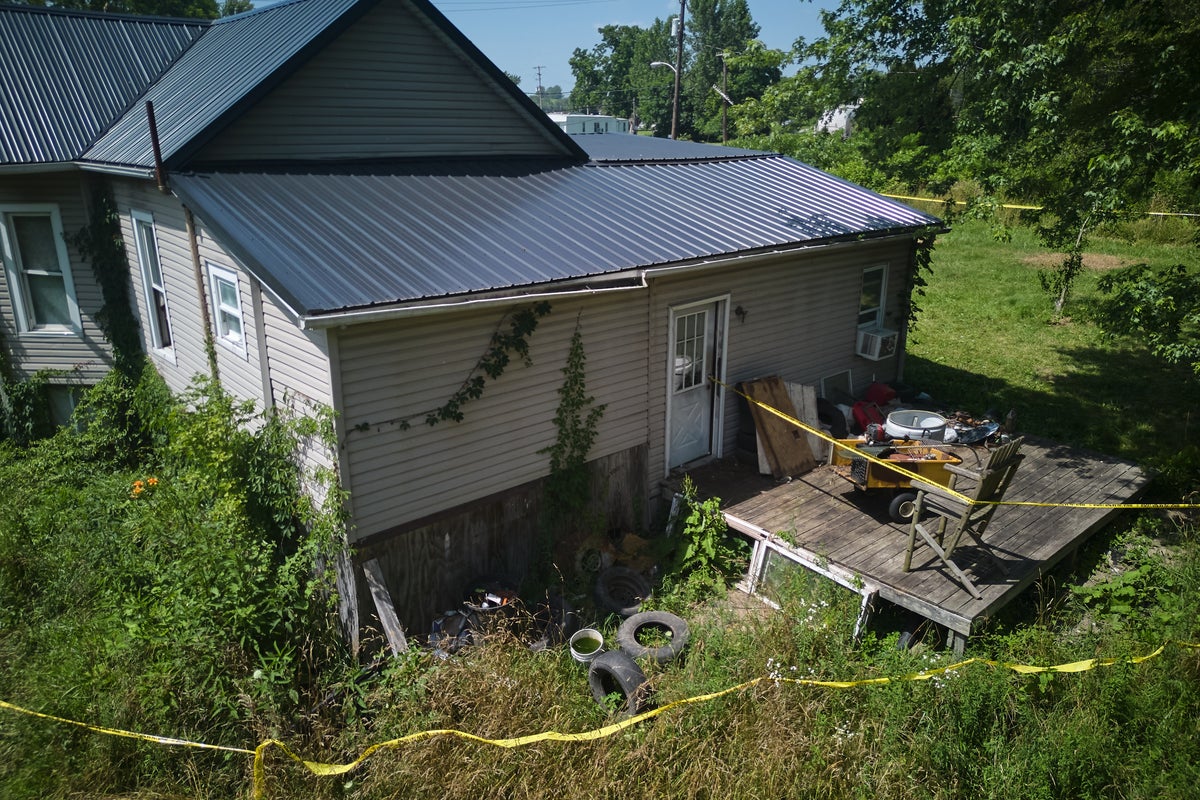
Mom behind home where her 16 kids were kept like feral animals had conjoined twins that died shortly after birth, police say The children were discovered by chance when sheriffs deputies arrived at the residence to serve an unrelated misdemeanor warrant
independent · about 2 months ago
Suspect in ABN Amro workers fatal stabbing had two prior run-ins with Dutch police The 37-year-old man suspected of stabbing a 59-year-old woman to death in a parking lot in Nieuw-Vennep in March had two prior run-ins with the police.
nltimes.nl · about 2 months ago

Girl in Germany dies after family dog bites her A four-year-old girl has died after being bitten by her familys pet dog while playing, police and prosecutors in the eastern German state of Saxony-Anhalt reported on Thursday. The dog was described as an American Stafford, a breed commonly known as the Pit Bull Terrier or American Staffordshire terrier. The report said people at the scene had attempted to pull the dog off the girl, but failed to prevent her suffering serious injury. A doctor called to the scene could only record her death. The...
south china morning post · about 2 months ago