 Thursday, May 21Thursday, May 21
The outbreak of war in Iran has significantly disrupted global energy markets, leading to surging energy prices that have impacted economies worldwide. In March 2026, German industrial production fell by 0.7% due to the conflict, hindering manufacturing recovery efforts . The energy shock has also weakened investor confidence in India, causing a slide in the rupee and making the country less attractive for foreign investment .
The war has driven up demand for alternative energy solutions in Europe, with consumers increasingly adopting solar panels and heat pumps amid fears of further energy price spikes . Meanwhile, multinational companies with back offices in India are facing operational challenges, prompting government intervention to support war-affected businesses . BMW India has warned of potential supply chain disruptions if the West Asia conflict persists for another 3-4 weeks .
The war has also led to record profits for oil giants like Shell, which has earned $6.9 billion since the conflict began, sparking public outrage and renewed calls for higher taxes on fossil fuel companies to fund relief for those affected by rising costs . The economic fallout has extended to tourism, with Switzerland expecting a moderate decline in overnight hotel stays due to the conflict, though stable summer demand is anticipated . The Gulf region is also experiencing fragmentation, with trust collapsing and capital exiting OPEC amid the ongoing turmoil .
> Background: **How Irans Conflict Is Fueling Global Inflation and Energy Crises** — *1 days ago*

German Industry Slumped in March on Outbreak of Iran War Production fell 0.7 as the conflict sent energy prices surging, a setback for any manufacturing recovery this year.
wsj · 13 days ago

Investors dump Indian assets as energy shock sends rupee sliding Fallout from Iran war has made fastest-growing major economy not a country to be invested in
financial times · 13 days ago
Protectionism makes everyone poorer during global shocks When countries act to insulate domestic markets, the result is often higher prices and greater volatility
financial times · 13 days ago

How Energy Prices Are Driving Demand for Solar Panels and Heat Pumps Already having faced an energy crisis five years ago, more European consumers believe they are one Trump-ignited war away from crushing costs.
new york times · 13 days ago
Multinational back offices choke Indias IT services Also in this newsletter: government steps in to help war-affected companies
financial times · 13 days ago
Are global alliances fracturing? From NATO to OPEC, global alliances seem strained like never before.
aljazeera · 13 days ago
Sappi braces for tougher quarter amid global turmoil
gdeltproject.org · 13 days ago
BMW India may witness supply chain impact if West Asia conflict continues for 3-4 more weeks
gdeltproject.org · 13 days ago
Protests in Bolivia escalate amid economic turmoil and policy demands Clashes erupt in La Paz as workers protest against rising fuel prices and damaged vehicles caused by subsidy cuts.
aljazeera · 13 days ago

Outrage as oil giants profit billions from Iran war - The Latest Shell has made $6.9bn in profits since the Iran war began, cashing in on soaring energy prices. The enormous profits have reignited calls for higher taxes on fossil fuel companies to fund support for those hardest hit by rising costs.Lucy Hough speaks to energy correspondent Jillian Ambrose. Continue reading...
theguardian · 13 days ago
5 May 2026 - Collapsed trust, disappearing capital, and a quiet exit from OPEC: Is the Gulfs fragmentation already underway?
commonspace · 13 days ago
Iran war expected to negatively impact Swiss tourism The war in the Middle East will lead to a moderate decline in overnight hotel stays this year, warns Switzerland Tourism. +Get the most important news from Switzerland in your inbox However, the industrys promotional organisation is expecting stable demand during the summer period. The marked slowdown recorded by the Swiss hotel industry in March (-5.2 year-on-year), the first full month to be marked by the outbreak of war, is not attributable solely to the war, but rather to calendar effects, Switzerland Tourism said. Among these effects is the fact that the winter holidays ended in February in all regions this year, whereas in several major regions, notably Germany, they extended into March last year. However, many industry players are confident about the summer, anticipating stable demand, particularly from domestic customers and those from neighbouring countries, in line with the trend towards nearshoring - the preference for closer, more accessible destinations. As for ...
swissinfo · 13 days ago
Iran war: EU strategy sets out 44 actions to limit fossil-fuel price shocks
gdeltproject.org · 27 days ago
Is Chinas economy insulated from Iran war shock? The US and Israels war with Iran has sent shockwaves across the global economy, and created the largest energy crisis in decades. But China, the worlds second-largest economy, has by many measures appeared insulated from the worst of the fallout.
france24 · 27 days ago
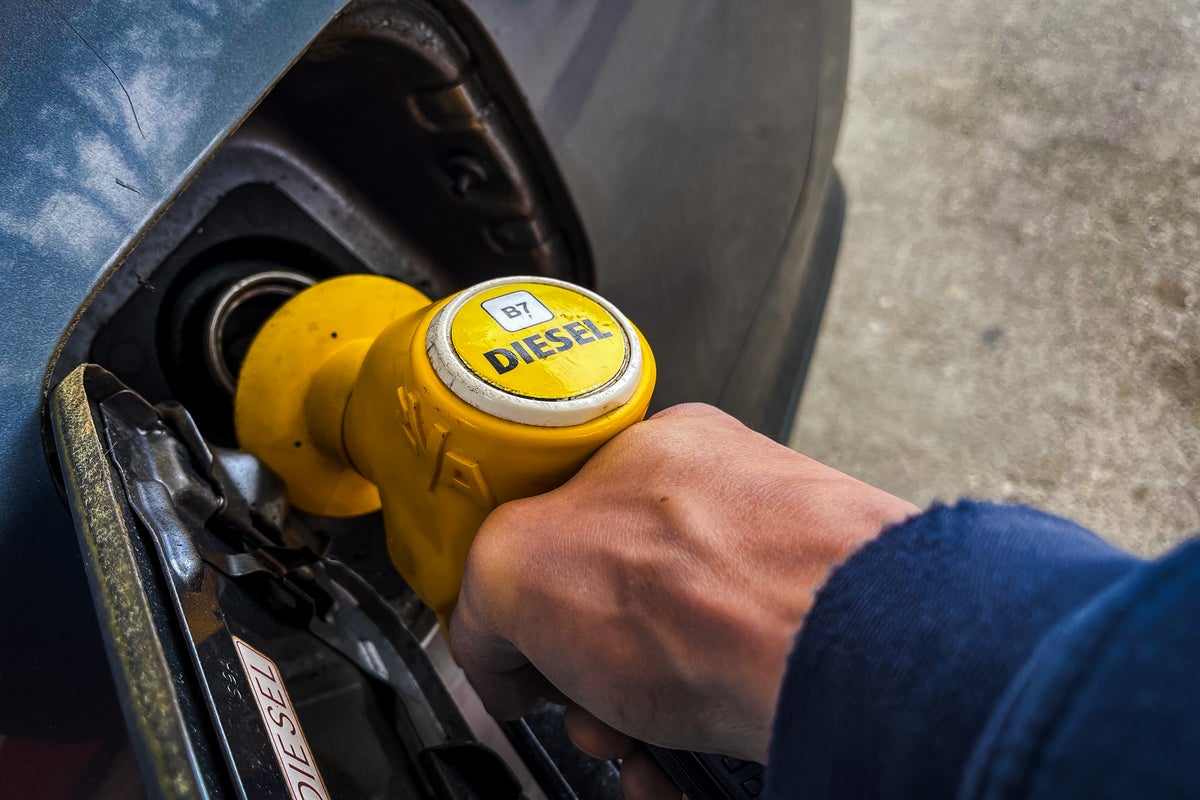
The US keeps talking about gas prices — but its diesel costs that could impact your life the most Since the start of the war in Iran on February 28, the average price of a gallon of diesel has gone up by around 45 percent
independent · 27 days ago
US-Israeli war on Iran will push 30 million back into poverty, UN warns Disruption to fuel and fertiliser supplies due to the Strait of Hormuz closure will hit crop yields, UNDP chief warns.
aljazeera · 27 days ago
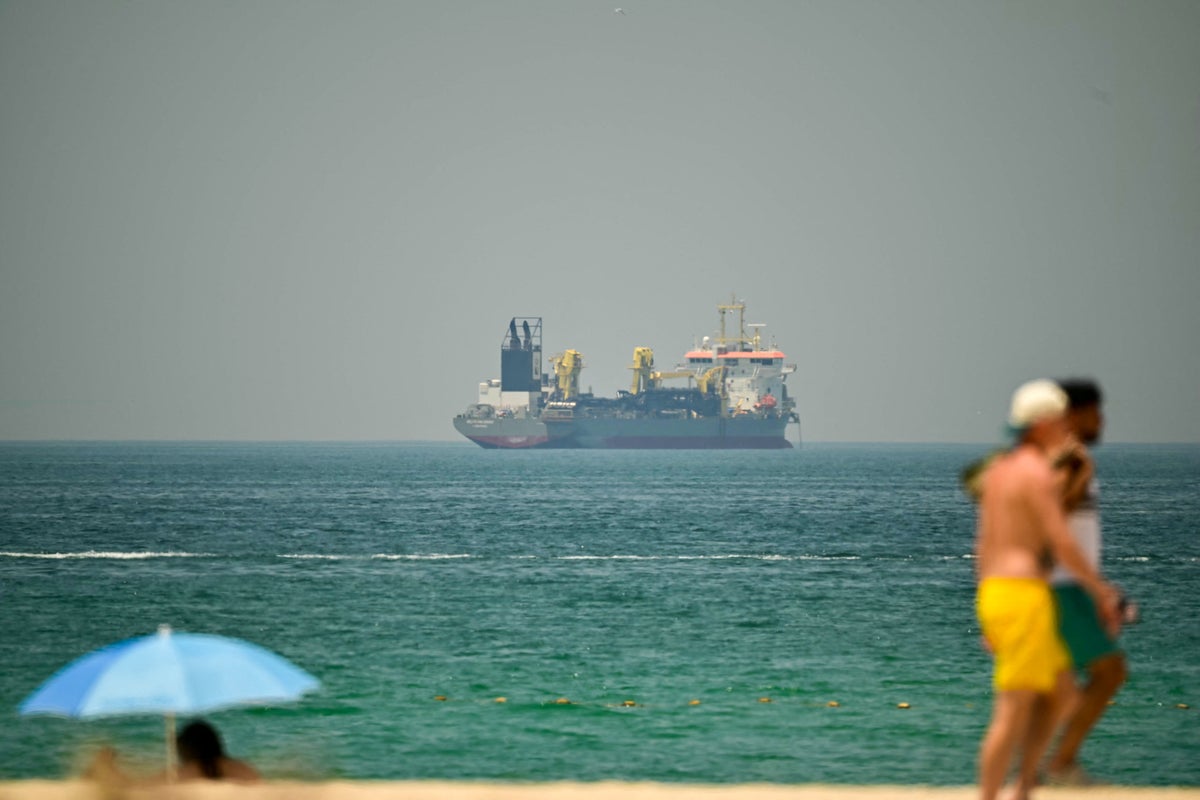
Fallout from Iran war is major new threat to foreign aid There are growing concerns that the economic fallout from the current conflict in the Middle East will push Gulf nations – who collectively provided more humanitarian aid than the US last year – turning away from foreign assistance
independent · 27 days ago
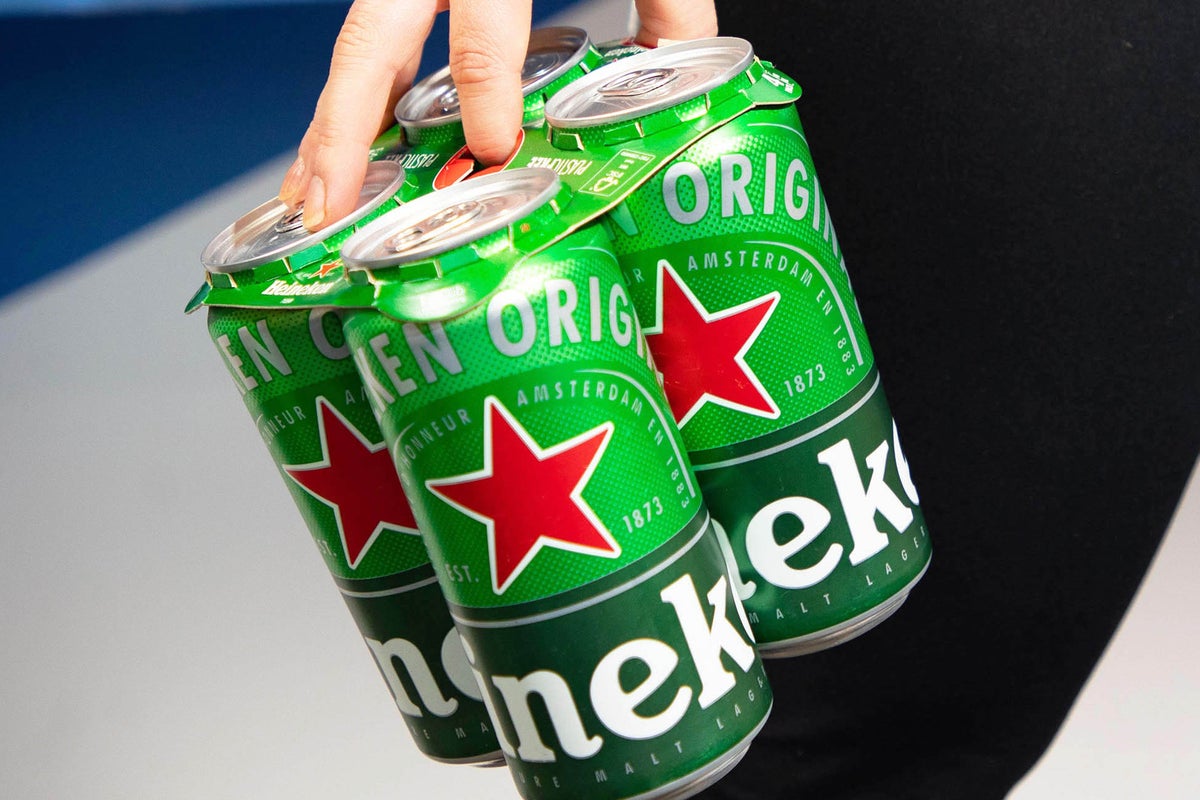
Heineken beer sales could be impacted by complex and volatile market caused by Iran war The Dutch brewer has already announced plans to cut 6,000 jobs
independent · 27 days ago
Arnault warns Middle East war could spiral into global catastrophe LVMHs billionaire boss says luxury groups recovery hinges on the conflict being resolved quickly
financial times · 27 days ago

Drug prices rise by up to 30 per cent due to Iran war, pharmacists warn Painkillers and hay fever medications are seeing price hikes for customers due to a surge in oil prices
independent · 27 days ago
Iran war: How big is the global energy shock? More than 500 million barrels of oil disrupted in just weeks, reshaping global energy flows.
aljazeera · 28 days ago
LVMH CEO Arnault warns of world catastrophe if Middle East conflict is not resolved Arnault warned of very serious economic consequences of the Iran war after the conflict hit the luxury conglomerates first-quarter sales last week.
cnbc · 28 days ago

China stockpiled huge amounts of oil before Iran war Data: U.S. Energy Information Administration; Chart: Amy Harder/AxiosChina has stashed away far more oil than any other country, according to U.S. government data released this week.Why it matters: The stockpile, which surged last year, is emerging as a strategic advantage as the world faces an oil shock with the Strait of Hormuz largely shut.The big picture: China is a huge winner in the Iran war due in large part to its positioning on energy, including its oil stockpile.It also owns over 70 of global solar, wind, battery and electric vehicle supply chains.Those are all seeing a boost as import-dependent countries turn from oil and natural gas to renewables.Between the lines: The war was the stress test that Beijings energy strategy was designed for, Axios co-founder and CEO Jim VandeHei wrote in a recent Behind the Curtain column on China.Driving the news: Chinas stockpiling surged in 2025 due to several factors, according to a February paper from the Oxford Institute for Energy Studies:Relatively low oil prices tied to softer demand.Rising geopolitical risks, including disruptions tied to sanctions on major suppliers to China like Russia, Venezuela and Iran.A new domestic energy law that required companies to hold more reserves.By the numbers: China added an average of 1.1 million barrels a day of crude to its strategic oil inventories in 2025, which reached nearly 1.4 billion barrels in December, according to the U.S. Energy Information Administration.Before the Iran conflict, which began in late February, preliminary government data suggest China had continued to build inventories into this year.Context: China doesnt report data on its oil inventories, so EIA said it estimated the inventories based on imports, exports, refining and oil inventory data from third-party and official sources.Catch up fast: The International Energy Agency coordinated the largest-ever release of oil reserves on March 11, making up to 400 million barrels available.China is not an IEA member and was thus not part of that release.The intrigue: The U.S. reserve, which can hold about 714 million barrels, stood at roughly 413 million in December and has slipped to around 409 million after the March release.It remains well below capacity after a record 2022 drawdown following Russias invasion of Ukraine, with refilling happening gradually as officials wait for lower prices.Thats unlikely to happen any time soon with the Iran war raging.The bottom line: Chinas moves last year are looking increasingly prescient.
axios · 28 days ago
Brewer giant admits Iran war could impact beer sales The Dutch brewer has already announced plans to cut 6,000 jobs
independent · 28 days ago
Saudi Arabia says operational activities halted at several energy sites Attacks on energy facilities cause a reduced supply and slow recovery, a Saudi official tells state news agency.
aljazeera · about 1 month ago
Attacks cut Saudi oil capacity by 600,000 barrels per day First official confirmation of scale of damage done by Iran to kingdoms energy sector
financial times · about 1 month ago
IMF warns of looming inflation crisis on back of US-Israel war on Iran The conflict has driven up prices of oil, natural gas, damaged refineries and other energy infrastructure.
aljazeera · about 1 month ago
Iran war: Catalyst for a renewable energy push? The US and Israels war with Iran has triggered one of the biggest global energy shocks in decades. Asian economies, in particular, are facing disruptions to oil and gas supplies, while energy prices have surged worldwide. Climate activists say the shock should serve as a catalyst in the switch to renewable energy sources.
france24 · about 1 month ago

Head of IMF says Iran war will permanently scar global economy even if peace is reached Kristalina Georgieva says even most hopeful scenario will lead to growth downgrade and cause permanent hit to living standardsBusiness live – latest updatesThe head of the International Monetary Fund has warned that the Iran war will permanently scar the global economy even if a durable peace deal in the Middle East can be reached.In a speech delivered as the ceasefire in the conflict threatened to unravel, Kristalina Georgieva said the scarring effects caused by the war to date would mean slower global growth this year than first anticipated. Continue reading...
theguardian · about 1 month ago
India hit by Middle East war: Millions face gas shortages In the weeks leading up to the ceasefire, the impact of the war in the Middle East was felt far beyond the region, reaching countries such as India. The nation of nearly 1.5 billion people relies heavily on imports of cooking gas, or LPG, much of it sourced from the Middle East. When Iran blocked the Strait of Hormuz – a critical global shipping route – supplies were severely disrupted. Long queues formed outside distribution centres in major cities, forcing many to turn to the black market. The conflict has also put at risk the lives of nearly ten million Indians living and working in Gulf countries. At least eight Indian migrant workers have been killed in war-related incidents. Many others remain stranded, unable to afford the high cost of flights home, as their families wait anxiously for their return. Even with a fragile ceasefire in place, those affected continue to live in precarity – and, for some, in grief. Report by Supriya Kumar, Fantine Dantzer, Alban Alvarez and Khansa Juned.
france24 · about 1 month ago