 Thursday, May 21Thursday, May 21
Iran’s ongoing conflict has triggered severe economic disruptions, particularly in inflation, energy shortages, and supply chain bottlenecks. The war has driven global oil prices sharply higher, exacerbating fuel costs and inflationary pressures worldwide.
Fuel and Energy Shortages The conflict has led to soaring fuel prices, with U.S. gasoline costs rising 52% higher than pre-war levels, adding 31 cents per gallon in just one week . In Greece, consumers paid over €400 million more for gasoline, diesel, and heating oil in the first two months of the war . Lower-income Americans have been disproportionately affected, reducing gas consumption while spending more at the pump, worsening economic disparities . The European Central Bank (ECB) has described the energy crisis as unprecedented, surpassing the shocks of 1973, 1979, and 2022, with risks to investment, consumption, and aviation. The ECB warned that inflation could reach 3% and may necessitate interest rate adjustments . In France, the government is considering a windfall tax on oil profits, though TotalEnergies has threatened to stop capping fuel prices if the tax is implemented .
Supply Chain Disruptions and Shortages The war has caused fertilizer shortages, driving up costs for UK farmers by 50–70% and threatening global food prices next year. Fertilizer was already expensive before the conflict, but the war has exacerbated the crisis . Petrochemical shortages have also hit Asia, increasing prices for plastic packaging used in food and medical products . The airline industry is particularly vulnerable, with Spirit Airlines collapsing due to spiking jet fuel costs, while broader aviation faces rising operating expenses .
Economic and Policy Responses The UK’s Institute for Public Policy Research (IPPR) has proposed lowering speed limits—to 20mph in cities and 60mph on motorways—to reduce fuel demand and mitigate inflationary pressures. The think tank estimates the war could cost the UK Treasury £8 billion annually . Despite these challenges, U.S. corporate earnings have remained resilient, with 84% of S&P 500 companies beating estimates, though rising energy costs pose a long-term threat .
> Background: **Energy Crisis and Inflation Shape Global Economic Policies** — *1 days ago*
More LFE coverage on this topic

Cut UK speed limits to reduce Iran war impact on consumers, thinktank urges Cap of 20mph in towns and cities and 60mph on motorways would cut fuel demand and combat rising prices, IPPR saysBritain should lower speed limits for drivers as part of a package of measures to reduce the impact of the Iran war on consumers, a thinktank has said.Capping legal speeds at 20mph in towns and cities and 60mph on motorways would help reduce fuel demand and combat soaring oil prices triggered by conflict, according to the Institute for Public Policy Research (IPPR). Continue reading...
theguardian · 14 days ago

Plastic shock hits Asia as Iran oil crisis strangles supplies Shortage of petrochemical inputs drives up prices of packaging for food and medical products
financial times · 14 days ago
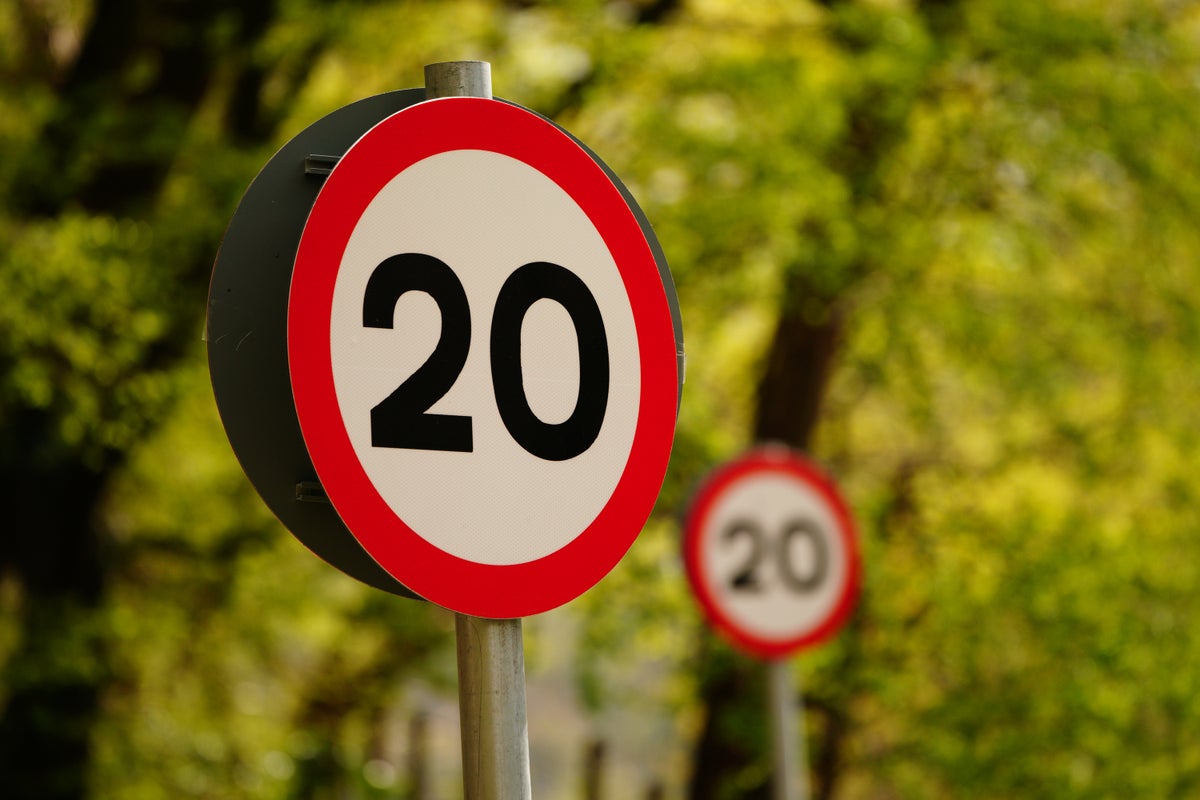
Lower speed limits could help stop Iran war damaging UK economy, think tank says Inflation could soar and conflict in the Middle East could cost the Treasury £8bn a year, new modelling indicates
independent · 14 days ago

Fertiliser shortages will have dramatic effect on global food prices, warns farming boss Powerful property and farming firm Grosvenor Group says knock-on effect of Iran war could arrive next yearFertiliser shortages caused by the Iran war have driven up costs for UK farmers by up to 70 and will have a dramatic impact on food prices globally next year, according to one of Britains most powerful property and farming companies.Mark Preston, executive trustee of the 349-year-old Grosvenor Group, controlled by the Duke of Westminster, said fertiliser was already quite expensive before the 50 to 70 surge in prices since the start of the Iran war in late February. Continue reading...
theguardian · 14 days ago
Greek Consumers Paid Over €400 Million More for Fuel Amid Iran Conflict Greek consumers paid more than €400 million ($469 million) in additional fuel costs for gasoline, diesel and heating oil during the first two months of the conflict in Iran, as higher international oil prices pushed pump prices sharply upward. The increase has raised fresh concern in the domestic fuel market, especially as the fragile ceasefire […]
greek reporter · 14 days ago

Corporate America shrugging off economic uncertainty as earnings deliver Corporate America is delivering the goods this earnings season, dampening fears about the economy, even as rising energy prices threaten to undermine the momentum.Why it matters: Economic uncertainty tied to the Iran war — alongside stubborn inflation and souring consumer sentiment — dont seem to have derailed earnings in Q1.Zoom in: Wednesdays winners included:Uber: After reporting a 25 rise in bookings, CEO Dara Khosrowshahi told CNBC: The consumers are spending, theyre spending locally, and we dont see any signs of that weakening at this point.Disney: The company recorded better-than-expected operating income at all three of its divisions — entertainment, experiences and sports — as Bloomberg noted. Consumers are visiting parks at a healthy pace, Disney said.CVS Health: The drugstore chain and Aetna owner raised its 2026 earnings guidance as medical costs fell sharply.Novo Nordisk: The GLP-1 drug maker raised its guidance after its first oral weight loss pill got off to a promising start with 2 million prescriptions already.The big picture: About two-thirds of the way into earnings season, 84 of companies in the S&P 500 have topped earnings estimates, according to FactSet. That easily beats the 5-year average of 78.Both the percentage of S&P 500 companies reporting positive earnings surprises and the magnitude of earnings surprises are above recent averages, FactSet reports.This is one of the best earnings seasons in 20 years, Deutsche Bank researchers wrote Wednesday.All 11 top-level sectors of the S&P 500 — including technology, healthcare and industrials — are expected to show year-over-year earnings growth for the first time in four years, they noted.Yes, but: The collapse of Spirit Airlines after jet fuel prices spiked illustrates how much damage the Iran war could yet cause to the economy.The broader airline industry is suffering with operating costs jumping.And some companies are struggling for other reasons: Restaurant Brands International reported Wednesday that its comparable sales fell 6.5. It was the chains worst quarterly performance in at least 20 years, according to Restaurant Business Magazine.The bottom line: Corporate earnings arent a 1-to-1 indicator of the economys health, but theyre not a bad sign either.
axios · 14 days ago
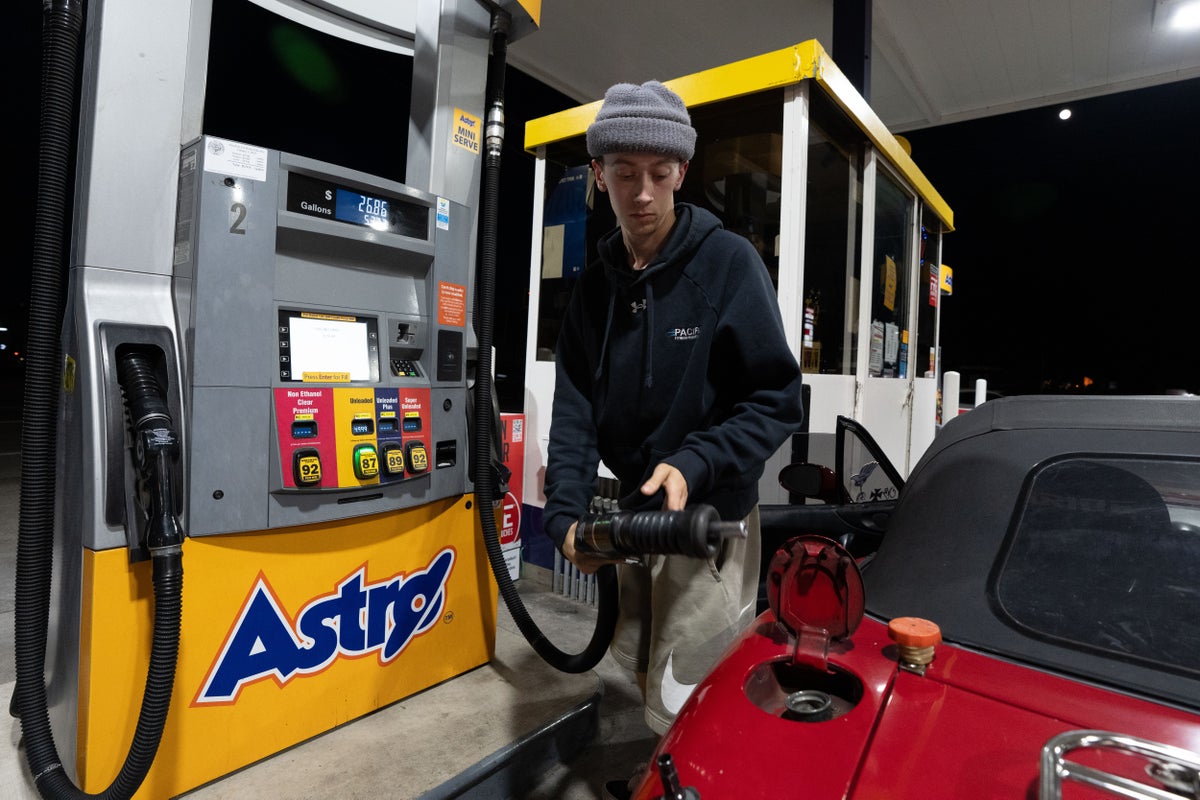
Why gasoline costs 52 more in the US than it did before the Iran war The price of a gallon of regular gasoline in the U.S. has climbed 31 cents in the past week and is now 52 higher than before the Iran war began
independent · 14 days ago
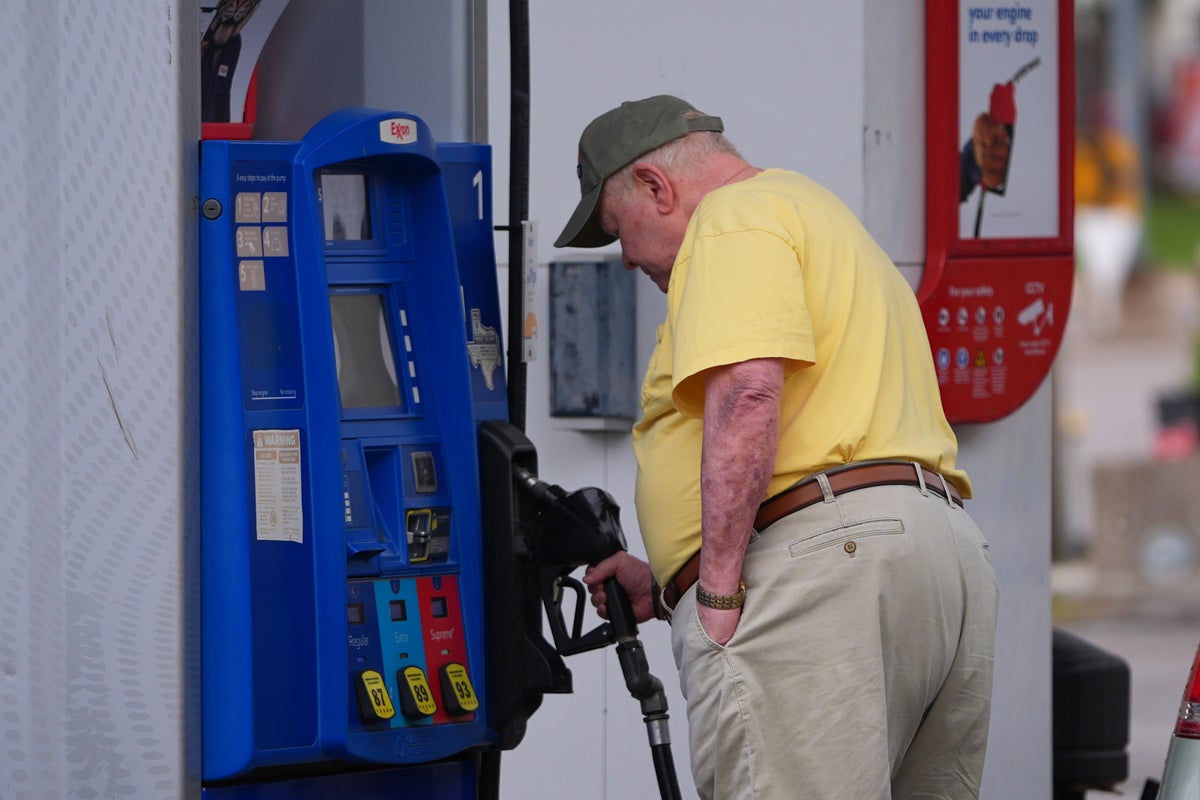
Gas price surge hits lower-income Americans the hardest, research shows This trend has exacerbated existing economic disparities across the nation
independent · 14 days ago
France considers windfall tax on massive oil profits: TotalEnergies fights back TotalEnergies would stop capping prices at its fuel stations in France if the government passes a new tax on oil refining, Chief Executive Patrick Pouyanne told French newspaper Sud Ouest on Tuesday.
france24 · 14 days ago
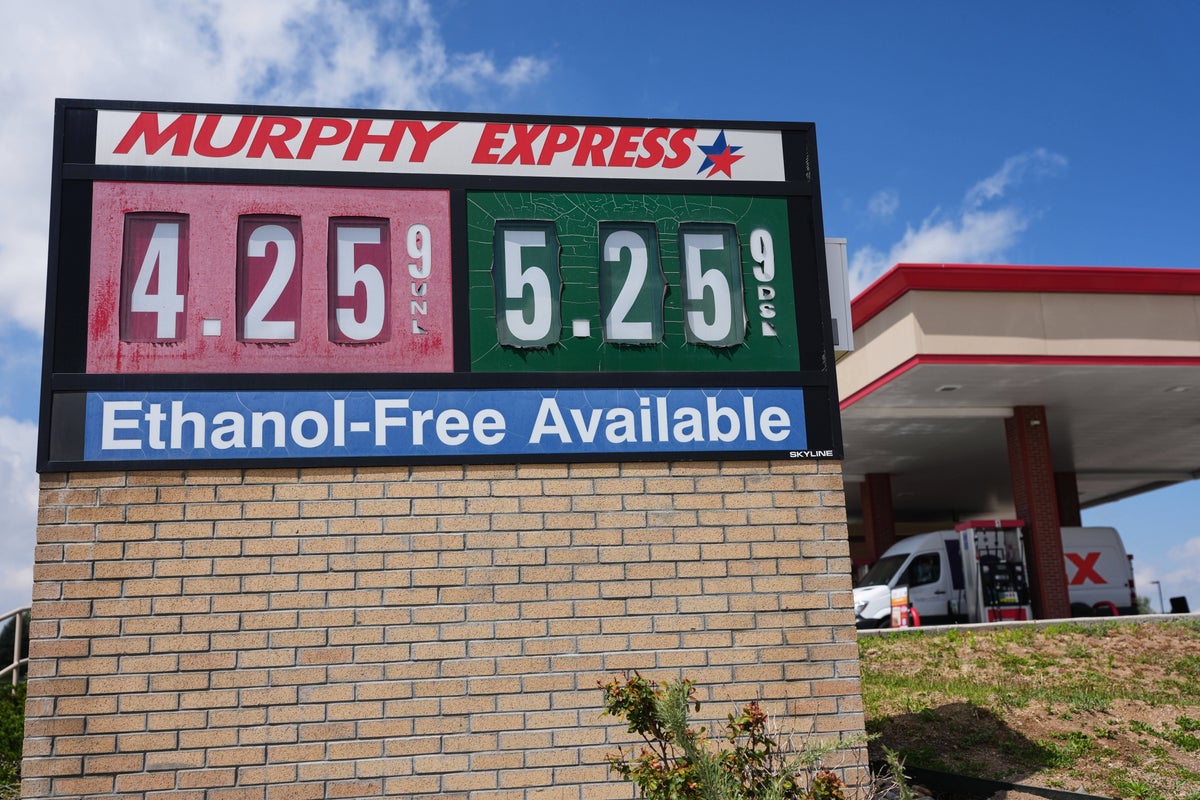
Lower-income Americans hit hardest by gas price spike, widening inequalities Lower-income Americans sharply reduced their gas consumption in the month following the Iran war, yet spiking prices still forced them to spend more at the pump, worsening the economys disparities, new research released Wednesday showed
independent · 14 days ago
Iran: the ECB calls it an unprecedented energy crisis. Risks for investment, consumption and aviation Piero Cipollone warns the impact of the current energy crisis exceeds those of 1973, 1979 and 2022; jet‑fuel alert as the ECB stands ready to raise rates
eunews.it · 14 days ago
ECB warns Iran war energy shock could force rate adjustment ECB Executive Board member Piero Cipollone warned the eurozone may need to adjust interest rates as the Iran war energy shock pushes inflation to 3 and oil supply losses outstrip the 1973, 1979 and 2022 crises combined.
intellinews · 14 days ago