
Trump imposes up to 100% tariffs on foreign drones, sparing some U.S. allies
President Donald Trump signed an executive order on Thursday imposing import tariffs of up to 100% on foreign drones and drone components, the White House announced. The measures target drones with a maximum take-off weight exceeding 25 kilograms or those equipped with thermal imaging cameras, which will face a 100% tariff, while smaller models under 25 kilograms will be subject to a 25% duty.
Lower rates apply to imports from certain U.S. allies. Drones and components from the European Union, Japan, Liechtenstein, South Korea, Switzerland and Taiwan will be taxed at 15%, while those from Britain will incur a 10% tariff, provided they meet specific origin requirements for technology and parts. The tariffs are set to take effect 21 days after the order’s signing, with a 180-day delay for less sensitive drone components and those exempted by the U.S. Department of Defense within 20 days of the order’s issuance.
The White House justified the move on national security grounds, stating the U.S. is overly dependent on foreign suppliers for drones and components. A U.S. Commerce Department investigation led by Secretary Howard Lutnick concluded that certain foreign drones and parts pose security risks, while domestic production remains insufficient to meet security needs. The order aligns with existing restrictions: since late 2025, foreign manufacturers have been barred from obtaining U.S. certification for new drone models, though previously approved drones may still be sold.
The tariffs come amid escalating trade tensions with China, whose manufacturers, including DJI, dominate the global drone market. The White House also accused more than 40 countries—including Japan, Canada and Mexico—of helping China circumvent U.S. tariffs, costing Washington between $19 billion and $26 billion annually in lost revenue, according to trade adviser Peter Navarro. A White House report claimed tens of billions in annual revenue are lost to transshipments designed to evade the duties.
The measures follow a broader pattern of U.S. trade actions against Chinese technology. In recent months, Washington has imposed new tariffs on Chinese goods, added more companies to an import blacklist, and restricted certain Chinese tech products. Beijing has responded with its own countermeasures. The latest tariffs precede a planned September meeting between Trump and Chinese leader Xi Jinping, as trade disputes between the two nations intensify.
Australian Prime Minister Anthony Albanese requested an exemption for his country during a 40-minute call with Trump, who agreed to consider the appeal. Canberra disputes the U.S. justification, which cites forced labor concerns. The tariffs will primarily enter into force on Sept. 3.
Follow us for live European news
- 3
- 3
- 1
- 1
- 1
- 1
- 1
- 1
- 1
- 1
- 1
- 1
- 1
- 1
- 1
- 1
- 1
3 further sources not geolocated
Articles

Posse um Washingtoner Kulturzentrum: Trumps Name soll nun doch am Kennedy Center angebracht werden Der Name von US-Präsident Donald Trump soll Berichten zufolge nun doch am Kennedy Center in Washington erscheinen. Es solle die Inschrift „Restauriert und renoviert von Präsident Donald J. Trump an der Fassade des Gebäudes angebracht werden.
tagesspiegel · about 2 hours ago
Zollstreit: USA verhängen hohe Zölle auf Drohnen - China im Fokus Neue US-Zölle von bis zu 100 Prozent auf importierte Drohnen dürften vor allem auf China zielen. Vor dem Treffen von Donald Trump und Xi Jinping gewinnt deren Handelsstreit wieder an Schärfe.
tagesspiegel · about 2 hours ago

Albanese asks Trump to spare Australia from US tariffs Australian Prime Minister Anthony Albanese personally appealed to President Donald Trump for a tariff exemption during a 40-minute phone call. Trump reportedly agreed to consider the request, as Canberra disputes Washingtons justification linked to forced labor concerns.
yenisafak · about 2 hours ago
USA verhängen Zölle auf Drohnen und Bauteile
orf.at · about 2 hours ago
US accuses dozens of countries of helping China avoid Trumps tariffs White House report claims tens of billions of dollars in annual revenue lost to transshipments.
aljazeera · about 2 hours ago
Zborul secret al lui Trump, „o zi de marți oarecare pentru Putin: plantele liderului rus au ajuns un indicator al mișcărilor sale Manevra de diversiune a președintelui american Donald Trump legată de Air Force One a constituit un episod uimitor de inducere în eroare la nivel oficial. Dar acest lucru pălește în comparație cu secretul care îl înconjoară pe președintele Rusiei, Vladimir V. Putin, a cărui activitate este învăluită într-un mister atât de profund, încât jurnaliștii au încercat să-i urmărească mișcările analizând ofilirea plantelor din biroul său, scrie The New York Times.
digi24 · about 2 hours ago
Switzerland among countries hit by US drone tariff The United States is imposing news tariffs of up to 100 on imported drones and their components. The import duty targets Chinese manufacturers in particular, as they dominate the US market. According to a White House statement, the 100 tariff applies to drones with a maximum take-off weight of more than 25 kilograms and to models fitted with thermal imaging cameras. Other drones with a maximum take-off weight of up to 25 kilograms will be subject to a 25 tariff. Most of the tariffs will come into force on September 3. Lower rates for Switzerland For shipments from Switzerland, as well as from the European Union, Japan, South Korea, Taiwan and Liechtenstein, the tariff is capped at 15. A rate of 10 applies to Britain. This is subject to the drones or components meeting certain requirements regarding the origin of the technology and parts used. The US government justifies the measure on national security grounds. It argues that the US is too dependent on drones and components ...
swissinfo · about 2 hours ago
Trump imposes up to 100 import tariffs on drones U.S. President Donald Trump has signed an executive order imposing import tariffs between 10 and 100 percent on foreign drones and drone components. According to the order, the tariffs aim to strengthen the American drone industry and supply chain. The global drone market is heavily dominated by China, where the company DJI holds more than […]
cphpost · about 2 hours ago
Svenska bolag väntar på Trumps tullpengar USA har hittills tvingats betala tillbaka drygt 90 miljarder dollar för tullar som amerikanska Högsta domstolen ogiltigförklarat.Electrolux är ett av de svenska bolag som nu får pengar tillbaka. Företaget har dock nya tullar att brottas med.– De är redan kännbara, säger Ann-Sofi Jönsson vid Electrolux, till TT.
svenska dagbladet · about 2 hours ago
Donald Trump blev Kinas trumf USA tappar nu så kraftigt i popularitet att både Kina och landets diktator Xi Jinping gått om i Pews opinionsmätningar.
svenska dagbladet · about 2 hours ago

Université de Harvard, Raúl Castro, taxation des drones, gravures de Matisse et Florent Manaudou : les informations de la nuit Les principales actualités de ces dernières heures vues par la presse internationale.
courrier international · about 2 hours ago
White House says its losing $19B-$26B a year in revenue as countries dodge tariffs Peter Navarro, the White House trade adviser, told reporters on a conference call that China is laundering its exports through more than 40 countries.
euronews · about 2 hours ago
Trump voert importheffingen in op drones en onderdelen
trouw · about 2 hours ago
Neuer Ansatz: US-Firmen werden Cyberangriffe auf Online-Kriminelle erlaubt Tech-Unternehmen spielen bereits eine wichtige Rolle beim Vorgehen gegen Online-Kriminelle. Bald sollen einige Firmen auch Cyberangriffe mit Billigung der US-Regierung durchführen dürfen.
handelsblatt · about 2 hours ago
15 bis 100 Prozent: Trump verhängt Zölle auf Drohnen und Bauteile Die Begründung aus dem Weißen Haus lautet: Die USA seien zu abhängig von ausländischen Anbietern. Die Zölle sollen 21 Tage nach der Unterzeichnung in Kraft treten.
die presse · about 2 hours ago

What is the MMR vaccine and how does Trumps executive order affect parents and children?
bluesky_The Guardian · about 2 hours ago
Трамп ввел пошлины в 100 на ввоз в США иностранных беспилотников и комплектующих
meduza · about 2 hours ago
Ga Trump overdådig ring – fikk tollunntak noen uker etterpå Nå krever to demokratiske senatorer svar om den overdådige gaven fra Antwerpen.
aftenposten · about 2 hours ago
Velký americký obrat? Proč se teď Donald Trump přiklání víc k Ukrajině než k Rusku Hádka v Oválné pracovně Bílého domu v únoru 2025 odhalila velmi chladné vztahy mezi prezidentem Donaldem Trumpem a jeho administrativou k napadené Ukrajině a jejímu prezidentovi Volodymyrovi Zelenskému. O rok a půl později ale oba čelní představitelé označují své vztahy za dobré a USA prý Ukrajině poskytnou i licence na výrobu systémů Patriot. Kdo má zásluhu na tomto názorovém obratu? A kolik měsíců teď zase vydrží?
irozhlas.cz · about 2 hours ago
Berichte: Trumps Name soll doch am Kennedy Center erscheinen
orf.at · about 2 hours ago
USA: USA verhängen hohe Zölle auf Drohnen und Drohnen-Bauteile Die Regierung begründet die Maßnahme mit der nationalen Sicherheit. Die USA seien zu abhängig von Drohnen und Bauteilen aus dem Ausland.
sueddeutsche · about 2 hours ago
Kennedy Center board votes to inscribe Trumps name on building The board of the John F. Kennedy Center for the Performing Arts voted on Thursday to add an inscription bearing President Donald Trumps name to the buildings exterior,…
japantoday · about 2 hours ago
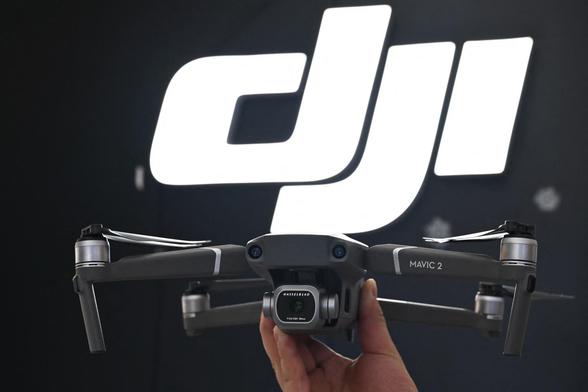
More stupid: Der drumpf announces tariffs of up to 100 on imported drones — #geopolitics
mastodon bot · about 2 hours ago
🇺🇸⚡️ — Under the Biden administration, the United States spent over half a billion dollars on a factory to produce ammunition for Ukraine, but the facility has not produced a single usable round in several years. This is according to an investigation by the American publication ProPublica. The General Dynamics factory in Mesquite, Texas, was opened in May 2024. It was intended to help the United States significantly increase the production of 155mm ammunition. However, the equipment was constantly breaking down: robotic arms caught fire and crashed into other machines, presses improperly formed the casings, and key equipment damaged the metal. In August 2025, the U.S. military shut down two of the three production lines. By this point, General Dynamics had missed eight deadlines. According to the publication, the project was launched in haste after the start of the war in Ukraine. The military awarded General Dynamics the contract without a competitive bidding process, and the company used equipment from the Turkish company Repkon, which had previously not produced the type of ammunition that the United States needed. Before the deal was finalized, the military did not require a demonstration of the complete production cycle of a finished round on this equipment. "This is an absolute disaster. The military should have sought to recover the money from General Dynamics," said a former employee of the military unit that oversaw the project. Despite this, General Dynamics has not returned the money to the government and has retained control of the factory. After the shutdown of two lines, the companys division responsible for the facility received new military contracts worth approximately $2.5 billion. The military says it intends to offset the losses through discounts on other orders from General Dynamics. General Dynamics has rejected the findings of the investigation, stating that ProPublica "fundamentally distorts the circumstances" and that the publication is "false and misleading." The company claims that it has met or exceeded the requirements of the contract. @Intelslava
telegram_Intel Slava · about 2 hours ago
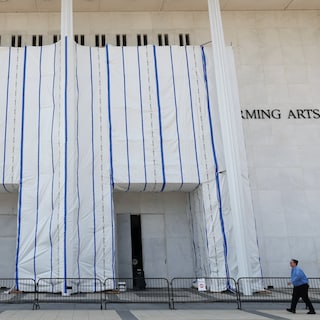
Live - Trump kondigt importheffingen tot 100 procent aan voor drones • Bestuur Kennedy Center wil Trumps naam opnieuw op gevel
de morgen · about 3 hours ago
Trump lancia programma dazi su droni: tariffe fino al 100 sulle importazioni Il programma di dazi sui droni promosso dal presidente Donald Trump mira, secondo la Casa Bianca, a «tutelare la sicurezza nazionale degli Stati Uniti e la loro base industriale nel...
il sole 24 ore · about 3 hours ago
Weißes Haus: USA verhängen Zölle auf Drohnen und Bauteile Auf bestimmte Drohnen kann ein Wertzoll von bis zu 100 Prozent erhoben werden.
der standard · about 3 hours ago
🇺🇸🇨🇳⚡️ — The United States accuses more than 40 countries, including Japan, Canada, and Mexico, of assisting China in illegally circumventing American tariffs, according to the Financial Times. With this situation, China could now accuse the United States, rather than the other way around. @Intelslava
telegram_Intel Slava · about 3 hours ago