
Hungary's parliament unanimously slashes lawmakers' salaries by 40
Story Timeline
3 months · 2 summary articles
Hungary imposes eight-year term limit, blocking Orbn from returning as PM
Hungary's parliament unanimously slashes lawmakers' salaries by 40
Prime Minister Péter Magyar’s government secured a landmark victory on Monday as Hungary’s parliament, in an unprecedented show of unity, voted unanimously to slash lawmakers’ salaries by 40 per cent. The move, effective from next month, reduces the basic monthly wage for deputies from €6,150 to €3,690 gross, a decision framed by the ruling Tisza party as both a fiscal necessity and a symbolic strike against corruption .
The vote, supported by all 189 MPs present, marks a sharp break with the legacy of former premier Viktor Orbán, whose administration was repeatedly accused of using high salaries to placate opposition deputies . Magyar, whose party stormed to power in the April 12 elections, had long criticised the practice. “It is about modesty,” he said last month, defending the measure as a contribution to easing public finances and reinforcing the government’s image of probity .
The salary cut is expected to save enough to cover a full year of parliamentary operating costs, according to the conservative majority . Analysts see the move as part of a broader effort by Magyar’s government to distance itself from Orbán’s polarising legacy and restore public trust in institutions. The decision follows the prime minister’s earlier pledge to reduce administrative costs and curb perceived graft.
Yet the political climate remains tense. On Sunday, opposition MP György Balla challenged Magyar directly in parliament, demanding that the prime minister appear in person to accuse him of being a criminal . Balla’s remarks came amid a widening rift between the government and critics who accuse it of selectively targeting former Fidesz officials. In a conciliatory gesture, Fidesz-aligned commentator Krisztián Lentulai apologised to Péter Magyar’s mother for December posts that he admitted were capable of “suggesting falsehoods” .
Magyar himself has not shied from controversy. In a social media exchange on Monday, he criticised fellow MP Péter Takács for posting about “a man’s dream” of a “beer belly man,” a comment he said was unworthy of an elected representative’s salary . The remark underscored the prime minister’s combative style, which has drawn both praise for its directness and criticism for its divisiveness.
With the salary cut now law, attention turns to whether the government can sustain its reformist momentum. The move has been widely welcomed by international observers as a step toward fiscal responsibility, but sceptics question whether symbolic gestures alone can address deeper concerns about governance and accountability in Hungary.
Follow us for live European news
- 2
- 2
- 2
- 1
- 1
- 1
- 1
- 1
- 1
1 further source not geolocated
Articles

Romania: Hungary, from the aggressive influencer Péter Magyar to the (…)
gdeltproject.org · 3 months ago
Dutch anti-Islamic populist Geert Wilders has dropped his bid for prime minister
gdeltproject.org · 3 months ago
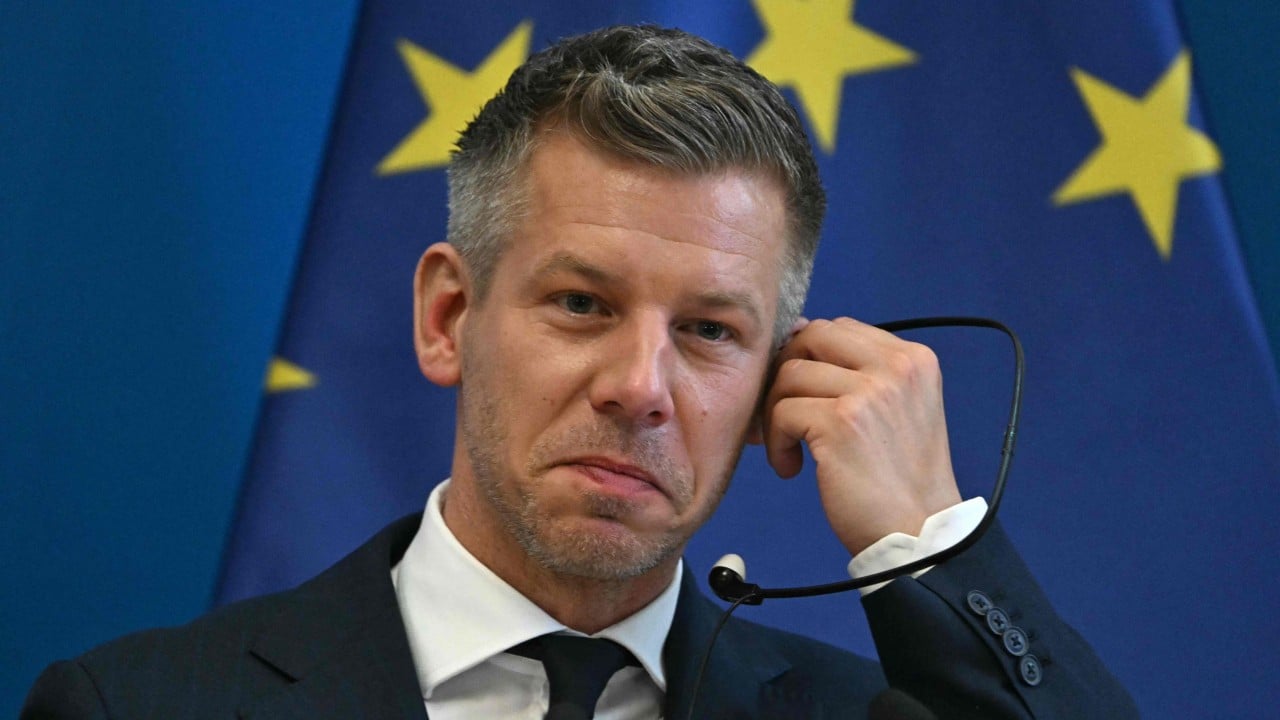
Hungary MPs back plan to cut their own salaries by 40 per cent Hungarian lawmakers unanimously voted to slash their incomes and allowances on Monday, as Prime Minister Peter Magyar sought to reduce administrative costs. Critics had previously accused Magyars predecessor, nationalist premier Viktor Orban, of providing high salaries in an attempt to placate opposition deputies. Magyar, whose party filled with political newcomers won the April 12 elections by a landslide, was among those highly critical of the practice. All 189 representatives present in the...
south china morning post · 3 months ago
ELU25 ⟩ Juku-Kalle Raid: riigikogu kevade ehk elu meie oma Sigatüüka lossis Kuna riigikogus ähvardab kolmapäevasest istungist kujuneda ööistung, tuletab Juku-Kalle Raid meelde, mis sellistel puhkudel parlamendis juhtub. Avaldame kaks katkendit Raidi raamatust «Riigikogu kevade. Meie oma Sigatüüka lossi lood». Teisipäeval kell 17 on raamatu presentatsioon Tartus Kaubamaja Apollo raamatupoes, kus vestlust autoriga juhib näitleja Merca ehk Merle Jääger.
postimees · 3 months ago
GALERII ⟩ TI-Hüppe esimene aasta suunas koolid õpetamist ja õppimist ümber mõtestama TI-Hüppe haridusprogrammi esimene aasta tõi tehisaru peaaegu igasse Eesti gümnaasiumisse, 94 programmis osalenud õpetajatest kasutas tehisaru oma töös ja 63 on selle mõjul oma õpetamist ümber kujundanud. President Alar Karise kutsel arutati täna Kadrioru Jääkeldris korraldatud ümarlaual uue haridusprogrammi tulemusi ja järgmisi samme, sealhulgas võimalikku laienemist kutsekoolidesse ja põhikoolide õpetajateni. Pärast Jääkeldris toimunud arutelu tänati Roosiaias enam kui 300 õpetajat üle Eesti, kes aitasid kaasa TI-Hüppe esimese õppeaasta elluviimisele.
postimees · 3 months ago
Deputaţii din Ungaria acceptă diminuarea salariilor cu 40. „E vorba de modestie Deputaţii ungari au acceptat luni să li se diminueze veniturile cu 40, pentru a contribui la uşurarea poverii finanţelor publice şi a întări imaginea de probitate asociată cu noul prim-ministru Peter Magyar, într-un context bugetar tensionat, relatează agențiile France Presse și Agerpres. „Este vorba despre modestie, a declarat el luna trecută pentru a justifica măsura, …
hotnews.ro · 3 months ago
Másmilyen vezetési stílust akar az egészségügyi miniszter a Szent Imre Kórházban, távozik a főigazgató A miniszter új megbízott igazgatót nevezett ki a Szent Imre Kórház élére azonnali hatállyal, közben Bedros J. Róbert közölte, régóta eldöntötte, hogy nyugdíjba megy a hónap végén.
444.hu · 3 months ago
Magyar Gulyásnak: Ennél még ambiciózusabbak voltunk fiatalkorunkban A gyermekvédelmi vita legerősebb pillanatai a parlamentben.
444.hu · 3 months ago
„Dann wurde sie wieder zur Ich-steh-auf-der-Bremse-Bärbel Arbeitsministerin Bärbel Bas gab bei Miosga zu, mit ihrem Motorrad auch gerne mal die Rettungsgasse zu nutzen. Das sorgt für viel Kritik. „Vielleicht haben Sie gedacht, damit bürsten Sie das Image auf, sagt Kolumnist Jan Fleischhauer.
welt.de · 3 months ago

Lentulai Krisztián bocsánatot kért Magyar Péter édesanyjától A Fidesz-közeli véleményvezér tavaly decemberi bejegyzései miatt vezekel. Mondatai „valótlanság sugallására voltak alkalmasak.
hvg.hu · 3 months ago
Magyar Péter: Hol van jobb helyen egy család nélkül felnövő gyerek, szexuális bűnözőknél vagy Magyarországon egy egyszülős vagy meleg párnál? Rétvári Bence gender miatt aggódó interpellációjára válaszolva az egész délután új posztokkal jelentkező Takács Péter facebookozását kritizálta Magyar Péter, aki szerint a képviselő nem erre kapja a fizetését.
hvg.hu · 3 months ago

Védelmébe vette a Fidesz a lélegeztetőgép-bizniszt: „Támadás helyett inkább elismerés illeti a döntéshozókat A Fidesz reagált arra, hogy a kormány felülvizsgálja a Covid-járvány alatti lélegeztetőgép-beszerzéseket.
hvg.hu · 3 months ago

Nieoficjalnie: Kapituła Orderu Orła Białego jest podzielona ws. Zełenskiego. Komorowski ujawnia - Zdaje się, że Karolowi Nawrockiemu nie poszło z Kapitułą Orderu Orła Białego tak, jak by tego chciał - stwierdził Bronisław Komorowski. Były prezydent przekazał, że część członków kapituły sprzeciwia się pomysłowi odebrania orderu Wołodymyrowi Zełenskiemu.
gazeta.pl · 3 months ago
Minister says Orthodox Church must cut ties with Moscow after high court ruling Estonias interior minister said Monday that the countrys Supreme Courts decision upholding amendments to the churches law means the Estonian Orthodox Christian Church must sever its subordinate ties to the Moscow Patriarchate.
news.err · 3 months ago
MEELIS OIDSALU ⟩ Kriisiolukorra seaduse kiirloterii Riigikogu hääletas 2. juunil mammutseaduse poolt, mille sisust kõik saadikud ei pruukinud lõpuni aru saada. Seekord pole kaalul pelgalt mõni tehniline näpukas, vaid põhiõigused: kaitseväeluure riigisisesed volitused ja sõjaaegsed piirangud meediale, kirjutab toimetaja Meelis Oidsalu.
postimees · 3 months ago
Orbáni kukutamisse panustanud romad ootavad Magyarilt enamat kui lubadusi Ungari aprillikuised parlamendivalimised lõppesid Orbáni 16-aastase võimuaja lõpuga. Romad, Ungari suurim vähemus, hääletasid massiliselt Fideszi vastu ja aitasid Tiszal võidu saavutada. Nüüd ootavad nad, et Tisza lubadused täidaks.
postimees · 3 months ago
A Fidesz továbbra is ott tart, hogy nem vizsgálni kellene a 300 milliárdos lélegeztetőgép-beszerzést, hanem megköszönni Havasi Bertalan adott ki büszke közleményt, de a számok semennyire sem indokolják a Fidesz kommunikációs igazgatóját.
444.hu · 3 months ago
Balla György a Parlamentben: Magyar Péter jöjjön ide, és mondja a szemembe, hogy bűnöző vagyok A belügyminiszter inkább az igazságszolgáltatásra bízná, hogy a fideszesek közül ki bűnöző és ki nem.
444.hu · 3 months ago
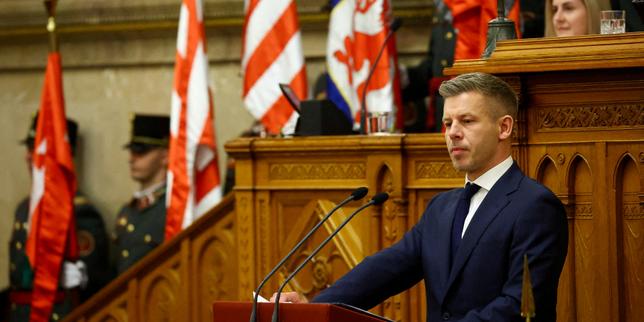
Hongrie : les députés baissent leur salaire de 40 pour soutenir les finances publiques et lutter contre la corruption A partir du mois prochain, le salaire de base des députés hongrois sera de 3 690 euros brut, les économies réalisées représentant, selon la majorité conservatrice, un an de frais de fonctionnement du Parlement.
le monde · 3 months ago
Präsidial statt politisch? : Ernüchterung über Potsdams Oberbürgermeisterin Aubel Sechs Monate ist Noosha Aubel (parteilos) jetzt als Potsdamer Oberbürgermeisterin im Amt. Ihr Agieren im Alleingang verunsichert ihre Unterstützer. Kritiker sehen schon wieder Stillstand drohen.
tagesspiegel · 3 months ago
Berlins entlassener Chef-Digitalisierer: Wegner wusste nichts von Ermittlungen – kannte Hundt aber schon länger Die Umstände, die zu Hundts Entlassung führten, wollen dem Regierenden Bürgermeister bei der Berufung nicht bekannt gewesen sein. Die Senatskanzlei nennt aber Details zum ersten Kontakt.
tagesspiegel · 3 months ago
Tasa-arvo | Minni Takala paasasi kokoomusväelle tasa-arvosta, palaute oli häkellyttävää Vihreät poliitikot houkuttelevat uudella kampanjalla liberaalimpaa politiikkaa kaipaavia kokoomuslaisia vaihtamaan puoluetta. Kokoomuksen nuoret feministit haluavat mieluummin muuttaa omaa puoluettaan sisältäpäin.
helsingin sanomat · 3 months ago
Ik ben een mevrouw, zegt Laura Bromet tegen de voorzitter In debatten zijn Tweede Kamerleden steeds vaker het lid, en geen meneer of mevrouw. Minister Elanor Boekholt van D66 raakt in de war: Ik mag mevrouw Wiersma zeggen?
nrc · 3 months ago
Minister De Jonge was niet mijn grootste sponsor, vertelt de topambtenaar die tijdens de coronacrisis steeds meer te zeggen kreeg Het hele eerste jaar van de coronapandemie bleef het kabinet het virus onderschatten. Zo werd de opgebouwde crisisstructuur in de zomer van 2020 te rap afgebouwd en hoopte het…
nrc · 3 months ago