Loading…
 Saturday, August 29Saturday, August 29
2 months · 2 summary articles
European Parliament backs digital euro plan to cut reliance on non-EU payment providers
European Parliament committee backs digital euro plan to bolster EU payment autonomy
The European Parliament has approved its negotiating position on the creation of a digital euro, marking a significant step towards establishing a new electronic form of money aimed at reducing dependency on non-EU service providers.
The digital euro, proposed by the European Central Bank (ECB), is intended to be used for both online and offline transactions. Key features include the ability to make transactions without disclosing personal data, ensuring user privacy. Basic services, such as opening an account and depositing funds, would be free for customers. However, there would be a cap on the amount of digital euros an individual can hold to protect the financial system.
Businesses would be obliged to accept the digital euro as a means of payment, although there would be exceptions for sole proprietors and small and micro-enterprises that do not use other digital payment options. The European Parliament's position was adopted with 416 votes in favor, 169 against, and 22 abstentions.
Negotiations with the Council will begin soon, led by rapporteur Fernando Navarrete Rojas (EPP, Spain).
In the realm of remote work, European countries are offering a variety of digital nomad visas to attract non-EU remote workers and freelancers. Italy offers the lowest barrier to entry with a monthly income threshold of €2,333 and a favorable tax regime. Estonia, on the other hand, has the highest income bar at €4,500 per month but offers e-Residency for digital entrepreneurs.
Portugal and Spain are also popular destinations. Portugal's D8 visa offers a path to permanent residency after five years and access to a flat 20% tax rate for ten years. Spain's digital nomad visa, introduced under the 2023 Startup Act, has a lower income threshold of €28,000 per year and offers a favorable tax regime for up to six years.
For those seeking the fastest decision, Denmark's Positive List Fast-Track offers a decision in just 10 business days. Meanwhile, Greece offers one of the best tax breaks with a 50% tax reduction for seven years under Article 5C.
Estonia's e-Residency program is particularly attractive for digital entrepreneurs, offering a 0% tax on retained earnings for companies.
In economic news, the International Monetary Fund (IMF) has forecasted that the euro area economy will grow slightly above 1% annually until 2031. However, some smaller European countries are expected to see faster growth rates. The IMF's projection paints a modest growth picture for the euro area and the broader European Union, especially when compared to the faster-growing economies in Asia and Africa.
In political developments, Hungary has taken another step in its reform process by joining the European Public Prosecutor's Office. The EU Commission approved Budapest's request on Friday, marking a significant move in Hungary's ongoing reforms. This decision comes as the new Hungarian government continues to implement changes at a rapid pace.
As Europe grapples with these and other issues, the continent faces a mix of economic challenges and opportunities, political reforms, and digital innovations.
Follow us for live European news
5 further sources not geolocated

European Parliament ready to start negotiations for the digital euro in the EU - The Baltic Times TALLINN - The European Parliament has approved its negotiating position and is ready to start final negotiations with the Council on creating th......
baltic times · about 2 months ago
USA 250 ⟩ Pooleteist sajandi vanune teadusime, mis muutis Ameerika supervõimuks On 1876. aasta sügis Baltimoreis. Sadamalinn kihab hobuvankritest, aurumasinatest ja tehastest. Ameerika kasvab enneolematu kiirusega, kuid maailma teaduskeskused asuvad hoopis Euroopas – Berliinis, Pariisis, Cambridgeis. Ameerika ülikoolides õpitakse peamiselt juba teadaolevaid teadmisi. Uusi teadmisi sünnib vähe.Siis sünnib üks idee, mis muudab järgmise pooleteise sajandi jooksul mitte ainult Ameerika, vaid kogu maailma teadust. Johns Hopkinsi ülikooli rektor Ronald Daniels avaldas ajakirjas Science artikli «Johns Hopkins University and the American research enterprise», mida siinkohal ka refereerin.
postimees · about 2 months ago

Ungarn vollzieht einen weiteren Schritt der Öffnung Dass die EU-Staatsanwaltschaft künftig im Land arbeiten kann, ist eine gute Nachricht für den Kampf gegen Korruption
der standard · about 2 months ago
Growing list of countries move to ban social media for children The European Unions plan to regulate childrens access to social media follows the implementation or proposal of similar measures around the world. This list now stretches to more…
japantoday · about 2 months ago
4.8 of Latvias jobs are in culture Latvia has slightly more workers in the cultural sector than the EU average, according to figures published by Eurostat on July 10th.
lsm latvia · about 2 months ago
EU minimum pensions show wide gap as Cyprus reviews increases Minimum pensions across the European Union vary sharply, with monthly payments ranging from a few hundred euros in some member states to more than €2,350 in Luxembourg, according to a study by the Cyprus parliaments research services. The figures have emerged as the government and social partners intensify talks on pension reform and Labour Minister […]
in-cyprus · about 2 months ago
Big Tech to face fines for consumer protection failures, says EU official Justice commissioner Michael McGrath says Brussels seeks to strengthen social media safeguards
financial times · about 2 months ago

Supreme Court FTC ruling sinks EU-US data deal, noyb says #Europe
mastodon bot · about 2 months ago
Tata Steel faces possible 600 million euro fine in criminal pollution case Tata Steel Netherlands could face a fine of up to 600 million euros in a criminal environmental case over alleged pollution linked to its steel plant in the IJmond area of Noord-Holland.
nltimes.nl · about 2 months ago
Need 5 Euroopa riiki kasvavad euroalast kaks korda kiiremini. Kas Eesti on nende seas? Rahvusvaheline Valuutafond (IMF) prognoosib, et euroala majandus kasvab kuni 2031. aastani veidi üle ühe protsendi aastas. Samas oodatakse Euroopa kiiremat majanduskasvu mitmes väiksemas riigis.
postimees · about 2 months ago
Evropský den koupání v řekách se slaví i v Česku. Třeba na Malém Labi Druhou červencovou neděli oslavují v mnoha evropských zemích své řeky a život s nimi. Evropský den koupání v řekách, takzvaný Big Jump – nebo česky Velký hop do vody –, vyhlašuje pravidelně organizace European Rivers Network. Součástí krkonošského léta je už tradičně koupání v Malém Labi.
irozhlas.cz · about 2 months ago

Zehn Jahre danach: Wie Frankfurt vom Brexit profitiert Als die Briten 2016 für den EU-Austritt stimmten, war der Schock groß – auch in Frankfurt. Doch die Stadt nutzte die Chance.
faz · about 2 months ago
Venice Biennale Russian pavilion: EU Commission confirms funding withdrawal
gdeltproject.org · about 2 months ago
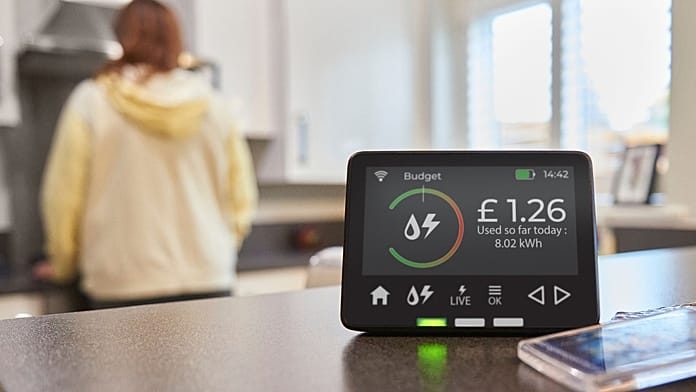
Smart meters save money and prevent wasting renewables: Which country is leading Europes rollout? Germany is falling far behind the rest of Europe when it comes to smart meter installation.
euronews · about 2 months ago

Whats left is you: AI is the elephant in the room of Europes biggest animation festival The Annecy animation festival in France is widely recognised as the industrys biggest event in Europe, where deals and careers are made and films are bought and sold. This year, however talk on and away from the market floor was dominated by artificial intelligence and the winds of change.
euronews · about 2 months ago
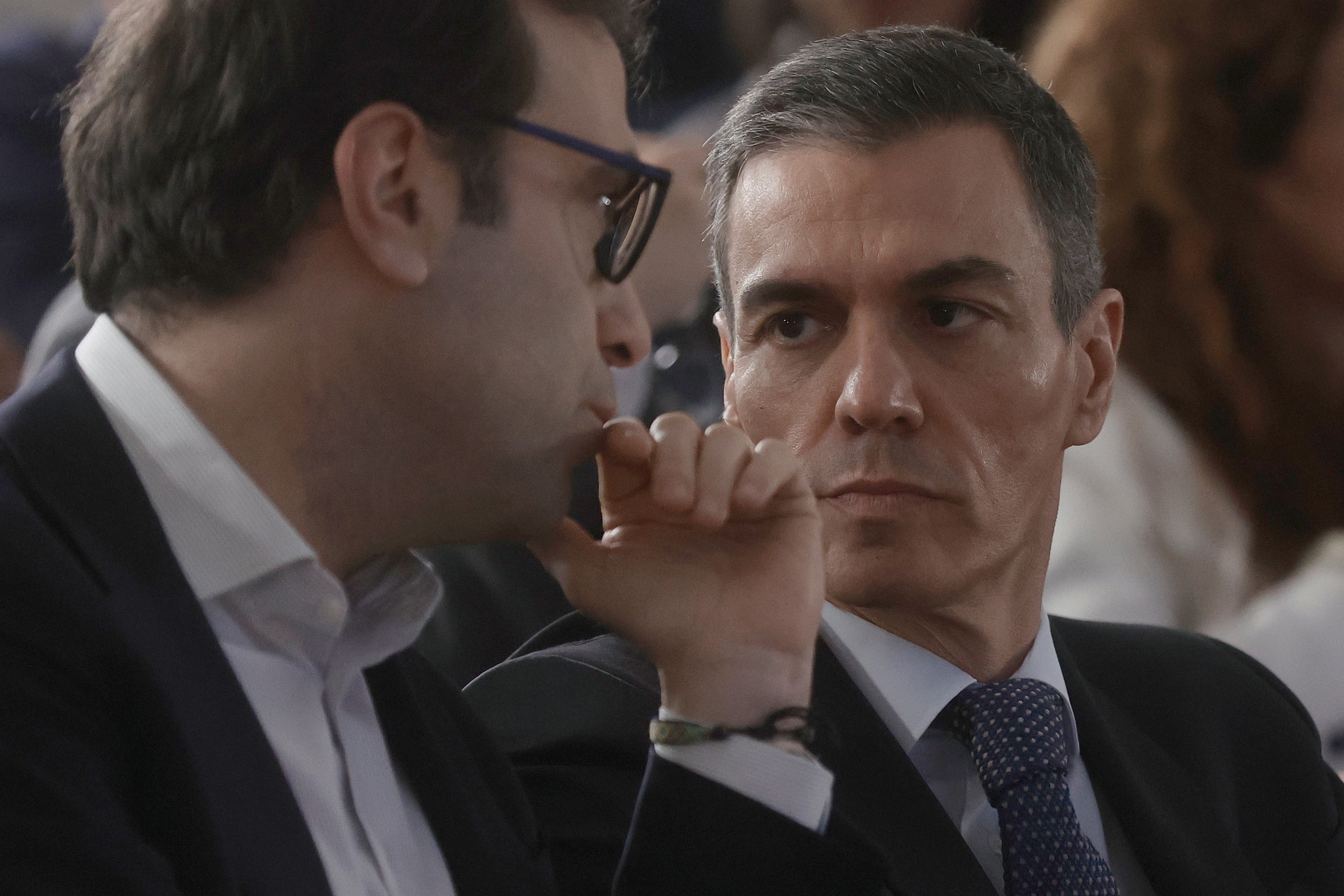
El balance tras cinco años de los fondos de la UE: un 0,2 más de renta per cápita y -3 de inversión privada Las expectativas de transformación económica y movilización de capital que generó Sánchez en 2020 no se cumplen, según expertos de un informe final de EY. Leer
elmundo · about 2 months ago

🆕 🇪🇺 6 visa categories cover every dev relocation: DN visa / freedom-of-movement / Blue Card / freelance / employer-sponsored / founderRemote Work Visa Options for EU Developers in 2026 #EU #RemoteWork
mastodon bot · about 2 months ago

🆕 💰 €85k Berlin ≈ €55k Lisbon net — same take-home, 40 less nominal payThe Real Cost of Living vs. Remote Salary in Europe (2026) #TechSalary #Europe
mastodon bot · about 2 months ago

🆕 🇪🇺 EU DN visa income floors (2026): Italy €2,333/mo lowest → Estonia €4,500/mo highestEU Digital Nomad Visas: Which Countries Are Best for Remote Tech Workers in 2026? #Visa #Europe
mastodon bot · about 2 months ago

🆕 🇪🇺 183-day rule is necessary BUT NOT sufficient — centre-of-vital-interests test can overrideEU Tax Residency for Remote Developers: The Real Rules in 2026 #Europe #RemoteWork
mastodon bot · about 2 months ago

🆕 Green Tech Jobs in Europe: A Growing Opportunity for Software Engineers #CleanEnergy #Europe
mastodon bot · about 2 months ago

🆕 Remote Developer Salaries in Europe by Country 2026 #RemoteWork #Europe
mastodon bot · about 2 months ago

🆕 🇪🇺 EU dev salary range 2026: €30k (Eastern EU mid) → €100k+ (Switzerland / Nordics / UK senior)Remote Developer Salary Benchmarks in Europe for 2026: Country-by-Country Guide #RemoteWork #Europe
mastodon bot · about 2 months ago

🆕 Top Remote-First Tech Companies in Europe Hiring Developers in 2026 #TechCompanies #Europe
mastodon bot · about 2 months ago

🆕 The Complete Guide to Remote Work in Europe in 2026 #Europe #DigitalNomad
mastodon bot · about 2 months ago
Europe can no longer wait for America to secure its future
gdeltproject.org · about 2 months ago
Europe is hot, crowded and crazy expensive. Heres how to enjoy it anyway.
gdeltproject.org · about 2 months ago
The Bulgarian Paradox: Highest Birth Rate, Lowest Living Standards - Novinite.com
gdeltproject.org · about 2 months ago
Evropská komise vyzvala k ukončení financování Benátského bienále. Důvodem je účast Ruska Evropská komise vyzvala k ukončení financování Benátského bienále kvůli účasti Ruska na této světoznámé výstavě, uvedla v neděli agentura DPA s odvoláním na vyjádření místopředsedkyně Evropské komise Henny Virkkunenové.
irozhlas.cz · about 2 months ago

EU-Kommission empfiehlt Stopp von Fördergeldern für Biennale Venedig Hintergrund ist der Streit um den russischen Pavillon bei der diesjährigen Kunstschau. Mittel in Höhe von zwei Millionen Euro sollen gestrichen werden
der standard · about 2 months ago