
Kurdish-led Syrian Democratic Forces dissolve after integration into Syrian army
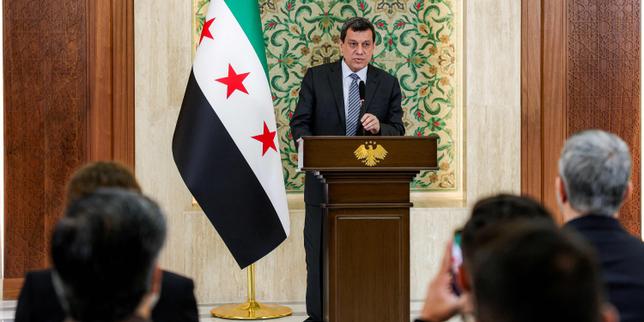
The Kurdish-led Syrian Democratic Forces announced their dissolution on Tuesday after completing integration into Syrian state institutions, commander Mazloum Abdi said in a televised speech from the presidential palace in Damascus.
Abdi declared “the end of the mission of the Syrian Democratic Forces and, with full responsibility, their dissolution as an independent military force,” stating the move followed the integration of SDF fighters into Syrian Arab Army brigades. The process began under a Jan. 29 agreement that framed the SDF’s inclusion into state military and civilian structures, culminating in Damascus regaining control of most of northeastern Syria after earlier clashes with the SDF.
Approximately 10,000 SDF fighters have already joined the Syrian army, with senior SDF officials estimating the final number could reach 12,000. Former SDF officers now command brigades based in Hasakah, Qamishli, Derik and Kobani, initially assigned to the 60th and 72nd Divisions before restructuring placed them under the newly established 2nd Corps. Former SDF commander Jiya Kobani serves as the corps’ deputy commander, and former SDF commander Sipan Hamo holds the post of deputy minister of defense. The SDF-affiliated Internal Security Forces, known as the Asayish, were also absorbed into the Syrian Ministry of Interior, with senior Asayish commander Mahmoud Khalil Ali appointed deputy commander of Internal Security in Hasakah Province.
The SDF, formed in 2015 at U.S. initiative, had spearheaded the fight against the Islamic State group, which was territorially defeated in Syria in 2019. At its peak, the SDF amassed around 100,000 fighters, both Kurds and Arabs, and controlled oil-rich areas in northern and northeastern Syria. Abdi noted in his address that SDF fighters had “liberated many Syrian cities and towns, first from the Baathist regime, then from the terrorism of Daesh,” using the Arabic acronym for the Islamic State.
The U.S. welcomed the dissolution and integration. “This is what real integration looks like: one army, one government, one state,” U.S. Special Envoy for Syria and Iraq Tom Barrack said, calling the agreement a diplomatic solution that strengthens Syria’s sovereignty. Washington had supported the SDF as a key partner against the Islamic State before shifting its backing to the new U.S.-friendly authorities in Damascus following the ousting of longtime ruler Bashar al-Assad in late 2024.
The fate of the SDF’s all-female Women’s Protection Units remains unresolved, as Damascus has rejected their demand to join the Defense Ministry as an intact formation, citing the Syrian army’s lack of female combat units. No definitive figure has been released on how many of the approximately 9,000 Asayish personnel submitted for vetting were ultimately integrated.
Follow us for live European news
- 2
- 2
- 2
- 1
- 1
- 1
- 1
- 1
- 1
- 1
- 1
- 1
- 1
4 further sources not geolocated
Articles
En Syrie, les Kurdes annoncent la dissolution de leurs forces armées Formées en 2015 à linitiative de Washington, les Forces démocratiques syriennes (FDS) constituaient larmée de ladministration autonome kurde en Syrie, et avaient combattu le groupe Etat islamique (EI).
le monde · about 1 hour ago

YPG terror group announces dissolution in Syria YPG ringleader Ferhat Abdi Sahin announced Tuesday in Damascus that the terror group is dissolving its so-called autonomous administration and all military structures, confirming that its fighters will integrate into the Syrian armys brigades under a deal reached with President Ahmed al-Sharaa.
yenisafak · about 1 hour ago
« Absolument historique » : en Syrie, le chef des puissantes forces kurdes annonce leur dissolution Formées en 2015 à linitiative de Washington, les Forces démocratiques syriennes constituaient larmée de ladministration autonome kurde en Syrie, et avaient combattu les djihadistes de lEI, soutenues par la coalition internationale pilotée par les Etats-Unis.
le monde · about 2 hours ago

Eide roser Syrias nye leder 20 måneder etter Assads fall ser utenriksminister Espen Barth Eide (Ap) en syrisk president som vokser i rollen.
aftenposten · about 2 hours ago
Kurdmi vedené Sýrske demokratické sily končia: Veliteľ Mazlúm Abdí oznámil ich zrušenie a začlenenie do sýrskej armády Veliteľ Sýrskych demokratických síl (SDF) Mazlúm Abdí v utorok oficiálne oznámil ukončenie misie tejto Kurdmi vedenej vojenskej formácie a jej úplné rozpustenie ako samostatnej sily. Krok nastáva po dokončení procesu integrácie jej príslušníkov do brigád sýrskej armády pod vedením novej vlády v Damasku.
aktuality.sk · about 2 hours ago
US-backed militia disbands in Syria The Kurdish-led militia Syrian Democratic Forces (SDF) has been dissolved, leader Mazloum Abdi announced in a televised speech on Tuesday. Formed in 2015 at the initiative of the United States, the SDF spearheaded the fight against the Islamic State, which was territorially defeated in 2019. In January, following the fall of President Bashar al-Assad in […]
cphpost · about 3 hours ago

⚡ NEWSSyrian Democratic Forces Declare DisbandmentThe Syrian Democratic Forces (SDF), the Kurdish-led militia that spearheaded the military campaign against ISIL in Syria, have officially announced their decision to disband. This marks a significant shift in the regional power dynamics following years of conflict and US-backed...📰 #Geopolitics #GeoWire
mastodon bot · about 3 hours ago
Who were the Syrian Democratic Forces and why dissolve? Syrias Democratic Forces, which led the fight against ISIL, have declared they are disbanding.
aljazeera · about 3 hours ago
Αυτοδιάλυθηκε η ισχυρή κουρδική ένοπλη οργάνωση SDF Η απόφαση έρχεται σε εφαρμογή συμφωνίας που υπέγραψε φέτος με τον Σύρο de facto πρόεδρο Άχμαντ αλ Σάρα
protothema · about 4 hours ago

Les forces kurdes de Syrie annoncent leur dissolution "en tant que force militaire indépendante" Intégrées à larmée syrienne après un accord avec Damas, les Forces démocratiques syriennes annoncent leur dissolution après plus de dix ans dexistence. ...
la libre · about 5 hours ago
Syrische Demokratische Kräfte: Syrische Kurdenmiliz SDF löst sich auf SDF-Kommandeur Maslum Abdi hat »das Ende des Einsatzes« der kurdisch dominierten Truppe bekannt gegeben. Der Schritt ist Teil eines Abkommens mit der Übergangregierung.
die zeit · about 6 hours ago
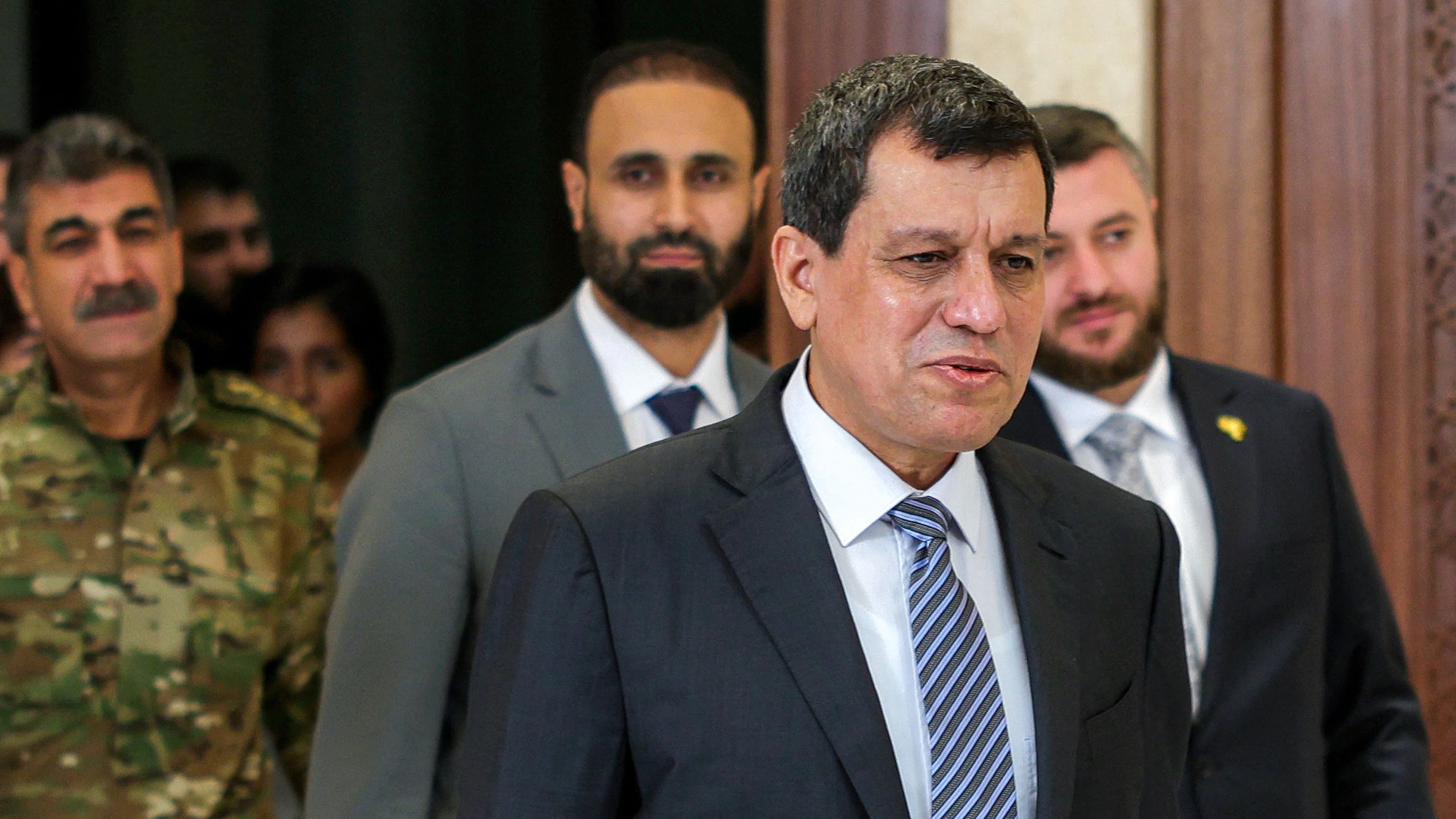
Nach Treffen mit AL-Scharaa: Syrische Kurdenmiliz SDF verkündet Auflösung Der Kommandeur der Syrischen Demokratischen Kräfte, Maslum Abdi, hat die Auflösung der im Norden und Nordosten Syriens aktiven Gruppe verkündet. Für die USA war sie ein wichtiger Partner in der Region.
faz · about 6 hours ago
Syrias economy poised for improvement after US sanctions removal Removal of US sanctions offers Syria a chance to fully rejoin the global financial system after years of isolation.
aljazeera · about 6 hours ago
Kurdish-led forces in Syria dissolve after merging with army Syrian Democratic Forces (SDF) commander campaigns for Kurdish language preservation after decade fighting ISIL.
aljazeera · about 7 hours ago

Syrias Kurdish-led SDF dissolves as part of integration with Damascus reut.rs/4gAYMaU
bluesky_Reuters · about 7 hours ago
Syrian Kurdish leader dissolves force that spearheaded jihadist fight The leader of the Kurdish-led Syrian Democratic Forces, the Washington-backed group at the forefront of the battle against the Islamic State jihadist group, announced their dissolution on Tuesday under a deal with the government. 👉 Read more:
telegram_France 24 · about 7 hours ago
Kurdenführer verkündet Auflösung der Demokratischen Kräfte Syriens Der Anführer der SDF gebe "das Ende des Einsatzes" der SDF bekannt und erkläre "in voller Verantwortung deren Auflösung als unabhängige Streitmacht"
der standard · about 8 hours ago
Syrische Kurdenmiliz SDF wird aufgelöst
orf.at · about 8 hours ago
Syrian Kurdish leader announces SDF dissolution after its integration into army Mazloum Abdi, the commander-in-chief of the Syrian Kurdish-led Syrian Democratic Forces (SDF) on Tuesday announced the dissolution of the group in a televised speech from the presidential palace in Damascus. The dissolution followed the integration of SDF fighters into the Syrian military, said Abdi, and represented a major victory for Syrian President Ahmed al-Sharaa.
france24 · about 8 hours ago
Syrian Democratic Forces announce their dissolution The Kurdish-led Syrian Democratic Forces will dissolve as an independent military force under an agreement with Damascus
aljazeera · about 8 hours ago

🔴 BREAKINGSyrian Democratic Forces Announce DissolutionThe Kurdish-led Syrian Democratic Forces (SDF) have announced their dissolution as an independent military force. This decision follows a formal agreement with the Syrian government in Damascus, marking a significant shift in the regions security landscape and the...📰 #Military #Geopolitics #GeoWire
mastodon bot · about 8 hours ago
Forțele kurde siriene, care au luptat împotriva jihadiştilor ISIS, dizolvate oficial. Sfârşitul unei ere pentru kurzii din Siria Comandantul Mazloum Abdi a anunţat marţi seară dizolvarea forţelor kurde siriene care au luptat împotriva jihadiştilor din gruparea Stat Islamic (ISIS), în virtutea unui acord cu preşedintele Ahmed al-Sharaa, hotărât să reunifice Siria. „Anunţăm azi încheierea misiunii Forţelor democratice siriene (FDS) şi declarăm, cu deplină responsabilitate, dizolvarea lor ca forţă militară independentă, a afirmat liderul …
hotnews.ro · about 8 hours ago
Kurdish-led Syrian Democratic Forces announce its dissolution The dissolution of the Syrian Democratic Forces (SDF), the main US-backed anti-Islamic State group in Syria, ends more than a decade of Kurdish-led autonomy in the countrys northeast, as the SDFs military, security, and civilian institutions are integrated into the state. The post Kurdish-led Syrian Democratic Forces announce its dissolution appeared first on FDDs Long War Journal.
long war journal · about 8 hours ago
Syrias Kurds dissolve military force and integrate fighters with Damascus Merger with Syrian army is a step forward in push to bring country under central government control
financial times · about 8 hours ago
Kurdiskledet styrke i Syria oppløses offisielt Den kurdiskledede styrken Syrian Democratic Forces (SDF) oppløses etter å ha blitt integrert i regjeringshæren, opplyser…
aftenposten · about 8 hours ago

USA skrotar terrorstämpel och avskaffar sanktioner mot Syrien USA plockar bort Syrien från sin terrorlista och avskaffar 47 år gamla sanktioner. Det öppnar dörren för återuppbyggnad efter 15 års krig, säger Aron Lund, Mellanösternanalytiker vid Totalförsvarets forskningsinstitut, FOI. – Det är tur för Syrien att Trump är väldigt förtjust i president al-Sharaa.
dagens nyheter · about 8 hours ago
Syria shakes off past with removal from US terror list, says al-Sharaa Removal of decades-old designation offers major sanctions relief for Syria, aiming to boost post-war reconstruction.
aljazeera · about 8 hours ago