
House approves 70 billion for ICE and CBP, boosting Trump's border crackdown
Story Timeline
4 months · 2 summary articles
Supreme Court unanimously strikes down federal ban on gun ownership for marijuana users
House approves 70 billion for ICE and CBP, boosting Trump's border crackdown
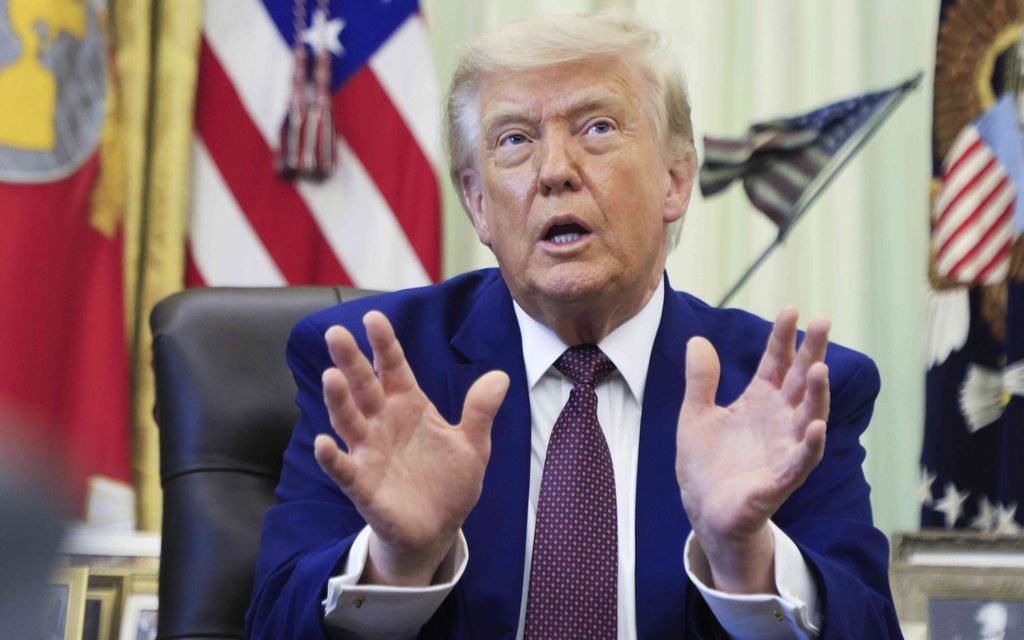
The US House of Representatives on Tuesday approved a $70 billion funding package for Immigration and Customs Enforcement (ICE) and Customs and Border Protection (CBP), handing President Donald Trump a major legislative victory as he seeks to intensify his administration’s restrictive immigration policies ahead of the 2026 election. The vote, secured with bipartisan support, ensures that both agencies will remain fully funded through the end of Trump’s current term, allowing the White House to escalate deportations, expand detention capacity, and accelerate construction of barriers along the US-Mexico border.
The funding package, which passed the House by a margin of 234 to 192, allocates $70 billion to ICE and CBP operations, including resources for expanded detention facilities, surveillance technology, and personnel. The legislation also permits agency employees to continue wearing face masks—a provision that reflects ongoing concerns about workplace safety in high-risk environments. The Senate is expected to take up the measure later this week, where it is widely anticipated to clear the upper chamber with minimal resistance.
Trump hailed the vote as a decisive step toward fulfilling his campaign promise of “the strongest border security in American history.” In a statement released late Tuesday, the president framed the funding as a rebuke to what he described as “open-border radicals” in Congress. “With these resources, we will restore law and order, protect American workers, and ensure that our borders are no longer a gateway for chaos,” Trump said. The administration has already signaled plans to deploy additional National Guard troops to the southern border and to fast-track the construction of physical barriers, with completion targeted for late 2027.
Critics, however, warn that the funding will lead to increased human rights violations and further strain already overburdened asylum systems. “This is not about security—it’s about cruelty,” said Representative Pramila Jayapal, a Democrat from Washington state. “We are pouring billions into agencies that have repeatedly violated due process and separated families.” Advocacy groups point to recent reports documenting rising numbers of migrant deaths in custody and prolonged detention of children as evidence of systemic failures exacerbated by expanded enforcement budgets.
The funding package arrives amid a broader political realignment in Washington, where Trump-aligned Republicans have consolidated control over immigration policy. With the 2026 midterm elections looming, the move is widely seen as an attempt to energize the president’s base ahead of what promises to be a contentious campaign season. Polling data from early June indicates that immigration remains a top concern for voters, particularly in swing states along the southern border.
As the Senate prepares to vote, all eyes are on whether any amendments will be introduced to temper the bill’s most contentious provisions. For now, however, Trump’s hardline immigration agenda has secured a critical financial lifeline—one that will shape the contours of US border policy for the remainder of his presidency.
Follow us for live European news
Articles

USA: US-Kongress gibt Milliarden für Trumps Einwanderungspolitik frei Mit 70 Milliarden Dollar sollen die Einwanderungsbehörde und der Grenzschutz bis zum Ende von Trumps Amtszeit finanziert werden. Die Mitarbeiter der Behörden dürfen sich weiter maskieren.
sueddeutsche · 4 months ago
Bolivia approves military measures against nationwide protests
aljazeera · 4 months ago

Live - Amerikaanse Huis van Afgevaardigden keurt financiering ICE goed • VS verwachten muur langs Mexicaanse grens eind 2027 te voltooien
de morgen · 4 months ago
Milliarden für ICE: US-Kongress ebnet Trump den Weg für harte Migrationspolitik Das Repräsentantenhaus hat ein milliardenschweres Paket für ICE und CBP gebilligt. Für Donald Trump ist das ein wichtiger Schritt zur Fortsetzung seiner harten Abschiebepolitik.
tagesspiegel · 4 months ago
Trump on toistanut perätöntä väitettä 38 kertaa
iltalehti · 4 months ago
US-Kongress bewilligt 70 Mrd. für Einwanderungspolitik
orf.at · 4 months ago

USA unter Trump: US-Kongress billigt 70 Milliarden Dollar für Kampf gegen Migration Liveticker zur US-Politik unter Donald Trump aktuell: Aktuelle News & Nachrichten von heute ► Jetzt lesen im Liveticker der FAZ
faz · 4 months ago
Kongress kiitis heaks Trumpi karmi immigratsioonipoliitika rahastamise USA kongress kiitis eile heaks eelnõu, millega eraldatakse 70 miljardit dollarit president Donald Trumpi karmi immigratsioonipoliitika rahastamiseks tema ametiaja lõpuni.
postimees · 4 months ago