
Nine European nations join Ukraine in missile defense coalition against Russian strikes

Story Timeline
1 day · 3 summary articles
Nine European nations join Ukraine in missile defense coalition against Russian strikes
Europe forms 10-nation coalition to build shared ballistic missile defence
ContinuationEU and Britain impose joint sanctions on Russia over cyber attacks targeting Europe
Ukraine and nine European countries have formed a coalition to build a shared ballistic missile defense capability, aiming to counter the growing threat from Russian missile attacks. The coalition, announced in Paris on Monday, includes Denmark, France, Germany, Italy, the Netherlands, Norway, Spain, Sweden, the UK, and Ukraine.
The move comes as Russia has intensified its attacks on Ukrainian targets. On Tuesday, Russia attacked a civilian ship near the Black Sea port of Odesa, according to Ukrainian officials. The attack occurred hours after Russian President Vladimir Putin vowed a powerful retaliation to Ukrainian attacks on Russian territory. Putin stated that Moscow would respond to Ukrainian attacks with retaliatory strikes that would be "several times more powerful."
In addition to the attack near Odesa, Moscow launched fresh attacks on Kyiv, sparking fires in parts of the city. Ukrainian navy spokesman Dmytro Pletenchuk reported no casualties in the attack on the civilian ship. However, six people were injured in a town outside Kharkiv, according to regional governor Oleh Syniehubov.
The formation of the coalition is seen as a significant step in strengthening Europe's defense capabilities against ballistic missile threats. The coalition's flagship project will be centered around the Ukraine-developed Freyja system, with a European industry group also working on an exo-atmospheric interceptor project.
Meanwhile, the EU and Britain have imposed coordinated sanctions on Russia over cyber attacks in Europe. The sanctions target nine individuals and four entities, including officers of Russia's GRU military intelligence agency. The move comes as Western officials warn of Russia's increased "hybrid" campaign to destabilize Europe.
The sanctions follow a recent attempted cyber attack targeting critical infrastructure in Poland, which could have caused 500,000 citizens to lose electricity in the depths of winter. The British foreign office described the attack as "another example of the Russian state's irresponsible attempts to sow chaos across Europe."
In response to the ongoing conflict, Ukraine has continued its long-range onslaught on Russian targets, particularly oil facilities. Ukraine's air defenses intercepted five ballistic missiles launched by Russia in overnight attacks, according to Ukraine's air force. The attacks caused fires at two warehouses and damaged a school in Kyiv.
Ukrainian President Volodymyr Zelenskyy was in Paris on Tuesday, attending France's annual Bastille Day celebrations. The gathering of international leaders aimed to showcase unwavering support for Ukraine and highlight Europe's collective military strength.
The coalition's formation and the recent attacks underscore the escalating tensions between Russia and Ukraine, with both sides continuing to target each other's critical infrastructure. The international community has responded with sanctions and military support for Ukraine, aiming to counter Russia's aggression and protect European security.
Follow us for live European news
- 3
- 1
- 1
- 1
- 1
- 1
5 further sources not geolocated
Articles
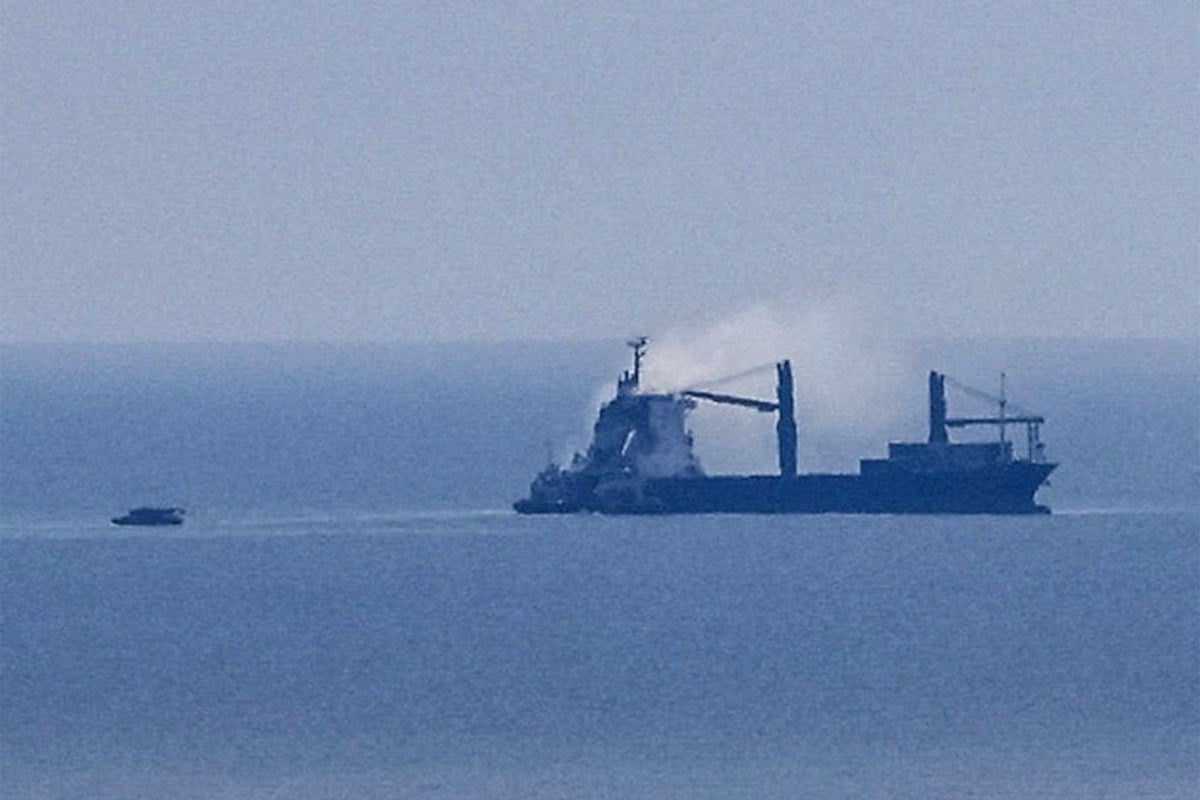
Ukraine-Russia war latest: Putin strikes civilian ship near Black Sea port after threatening powerful attacks Attacks come as Zelensky and allies vow to use war-tested Kyivs defence to protect Europe against Russian ballistic missiles
independent · about 2 hours ago

Ukraine Downs 5 Russian Ballistic Missiles As Kyiv Looks To Harden Air Defenses
gdeltproject.org · about 2 hours ago
Russia readies to reroute exports from Sea of Azov after Ukrainian attacks Ukraine says drones hit 11 Russian vessels in the Azov Sea, targeting tankers, dry cargo ships, and a tugboat overnight.
aljazeera · about 2 hours ago
Russia-Ukraine war: What is Europes new ballistic missile shield plan? Nine European countries and Ukraine have launched a coalition to build Europes own defence against ballistic missiles.
aljazeera · about 2 hours ago
Russian oil industry set back 20 years by Ukrainian strikes (Ukraine Battlefield update: Day 1,602) With refinery output crashing to 20-year lows, tens of millions of Russians now face soaring fuel and food prices, rolling shortages and a budget hole the Kremlin can no longer hide.
euobserver · about 2 hours ago
Turkish foreign minister to visit Ukraine on 15 July Turkish Foreign Minister Hakan Fidan will visit Ukraine on 16 July.
ukrpravda · about 2 hours ago
Ukraine Hits Oil Refineries in Krasnodar and Bashkortostan Ukraine has struck most of Russias oil refineries in recent months, leading to acute fuel shortages in some parts of the country.
themoscowtimes · about 2 hours ago
EU still in talks on new Russia sanctions, as two sanctioned shadow fleet tankers sail through European waters As the EU finalises its 21st sanctions package, two sanctioned vessels carrying critical oil and gas infrastructure are sailing towards Russia. Europe still has time to act.
euobserver · about 2 hours ago
Herman Smetanin resigns as head of Ukroboronprom, Ukraines largest defense company, after a Russian strike on one of its warehouses near Kyiv kills nine #Meduza #Ukraine #Russia
mastodon bot · about 2 hours ago
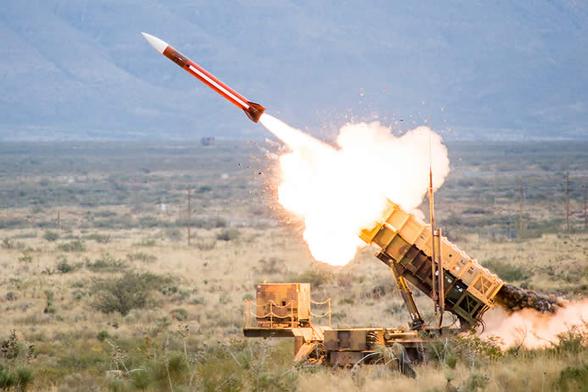
📰 Ukraine and European allies form anti-ballistic missile coalition to counter Russian threats🔗 #RussianInvasion #RussianWar #Ukraine
mastodon bot · about 2 hours ago

⚡️Russian attacks kill 7, injure 78 across Ukraine over past day as Kyiv comes under another ballistic missile strike. Sixteen sites were damaged, including a school and a civilian enterprise, but no casualties were reported in Kyiv.
bluesky_Kyiv Independent · about 2 hours ago
Russian ballistic missiles hit Kyiv overnight
telegram_Meduza · about 2 hours ago
NATO summit begins in Ankara today - The Baltic Times RIGA - The NATO summit will take place in the Turkish city of Ankara today and tomorrow. Latvian President Edgars Rink......
baltic times · about 2 hours ago
Lithuanian president, foreign minister head to Ankara for NATO summit - The Baltic Times VILNIUS - Lithuanian President Gitanas Nauseda and Foreign Minister Kestutis Budrys will travel to Ankara on Tuesday for a NATO summit. ......
baltic times · about 2 hours ago
More than 90 honorary consuls from 44 countries to meet in Riga next week - The Baltic Times RIGA - From July 13 to 15, the Foreign Ministry will host the 12th meeting of Latvian honorary consuls, which will be attended by more than 90 L......
baltic times · about 2 hours ago
Russia has established coordinated system aimed at erasing Ukrainian childrens identity - OSCE - The Baltic Times RIGA - Russia has established a coordinated system involving education, youth organizations, religious institutions and security agencies aimed ......
baltic times · about 2 hours ago
NATO summit provided Latvia with assurances regarding importance of collective defense commitments - Rinkevics - The Baltic Times RIGA - Latvias security has been strengthened by the outcome of the NATO summit in Turkey, President Edgars Rinkevics said on social media,......
baltic times · about 2 hours ago
EU launches infringement action against Lithuania over money laundering rules - The Baltic Times VILNIUS - The European Commission has launched infringement proceedings against Lithuania and three other European Union member states for faili......
baltic times · about 2 hours ago
EU adopts largest-ever cyber sanctions package against Russia - The Baltic Times TALLINN - The European Union on Monday approved its most extensive package of cyber sanctions against Russia to date at the Foreign Affairs Coun......
baltic times · about 2 hours ago
Russians attack bus in Kherson and lorry in Zaporizhzhia with drones: four injured Four people were injured in Russian drone attacks on a bus in Kherson and a lorry in Zaporizhzhia on 14 July.
ukrpravda · about 2 hours ago
Ukraine to become first recipient of SAMP/T NG anti-ballistic systems – Zelenskyy Ukraine will become the first country to receive the new Franco-Italian SAMP/T NG air defence systems designed to counter ballistic missiles.
ukrpravda · about 2 hours ago
Russia, Ukraine exchange overnight drone strikes killing six At least six people died and 22 were wounded as Moscow and Kyiv traded massive overnight drone barrages across border regions, with Ukrainian President Volodymyr Zelenskyy accusing Russian forces of striking civilian buses and apartment buildings while Moscow claimed its air defenses intercepted hundreds of incoming unmanned aircraft.
yenisafak · about 2 hours ago
Ukraine and European allies form joint missile defense coalition Ukraine and nine European allies announced plans to establish a joint anti-ballistic missile coalition designed to strengthen the continents defense capabilities against future threats, with leaders stating the initiative would combine defense industrial bases and operational experience to build shared capacity.
yenisafak · about 2 hours ago
Türkiyes Fidan attends coalition of the willing Ukraine summit Foreign Minister Hakan Fidan represented President Recep Tayyip Erdoğan at Mondays "coalition of the willing" summit on Ukraine in Paris, where senior officials from 37 countries gathered to reaffirm their commitment to a just and lasting peace for Kyiv in accordance with international law.
yenisafak · about 2 hours ago
Ukraines Coalition of the Willing launch a new Anti-Ballistic Missile Coalition at Paris summit President Zelenskiy was in Paris on July 13 for a meeting of the Coalition of the Willing, which launched a new Integrated Anti-Ballistic Missile Coalition to counter the escalating missile war playing out between Russia and Ukraine.
intellinews · about 2 hours ago
EU Blacklists Russian Hackers and Firms Over Cyberattacks on Europe and Ukraine
gdeltproject.org · about 2 hours ago
NEW STRIKES ON RUSSIA! The Kremlin faces growing problems #UkraineNEW STRIKES ON RUSSIA! The Kre...
mastodon bot · about 2 hours ago

⚡️ Revenge is inevitable — Ukraine sinks Russian border guard ship involved in 2018 Kerch Strait attack. The strike killed and wounded members of the vessels crew, the military said, without disclosing further details.
bluesky_Kyiv Independent · about 2 hours ago
Ukraine forces hit more than 100 Russian vessels in Sea of Azov in eight days Russia is looking for a way to redirect ships from the Sea of Azov after Ukrainian forces struck more than 100 Russian vessels — including oil tankers and cargo ships — in less than two weeks, isolating Moscow-occupied Crimea even more.
euronews · about 2 hours ago
Majority of Latvians support strengthening EUs defense capabilities - survey - The Baltic Times RIGA - A majority of people in Latvia support strengthening the European Unions (EU) defense capabilities so that the bloc can defend itsel......
baltic times · about 2 hours ago