Loading…
 Saturday, August 29Saturday, August 29
2 months · 3 summary articles
Millions march in Tehran as Khamenei funeral procession begins: burial set for Thursday
Thousands mourn as Iran begins six-day state funeral for Supreme Leader Khamenei
Thousands mourn as Iran begins six-day state funeral for Supreme Leader Khamenei
Thousands of mourners filled the streets of Tehran on Saturday as Iran began six days of state funeral ceremonies for Supreme Leader Ayatollah Ali Khamenei, who was killed in a US-Israeli airstrike at the start of the war on February 28. The body of the 86-year-old cleric lay in state in the Grand Mosalla prayer complex, where crowds of up to 20 million are expected to pay their respects before his burial in Mashhad on July 9.
The ceremonies began with the national anthem, Quran recitations, and religious eulogies, with Khamenei’s coffin displayed in a glass case for public viewing. Foreign dignitaries, including Turkish Vice President Cevdet Yılmaz and Pakistani Prime Minister Shehbaz Sharif, attended the state ceremony alongside Russian Security Council Deputy Chairman Dmitry Medvedev and Iraqi President Nizar Amidi. Special flights were added to meet demand, and authorities opened more than 5,000 schools nationwide to accommodate pilgrims.
Mourners, many dressed in black and waving flags, chanted slogans such as “Death to America” and “Death to Israel,” with some holding banners calling for the assassination of US President Donald Trump. “We have come to pay our final respects and stand together during this difficult moment for our country,” one mourner told state television. The bodies of several family members, including Khamenei’s three-year-old granddaughter, were also honored alongside him.
Iranian authorities have framed the turnout as a “referendum” for the Islamic Republic, with Qom Friday prayer leader Ayatollah Mohammad Saidi declaring, “The large public turnout at the funeral procession of the martyred leader and the other martyrs will, in effect, be another referendum for the Islamic Republic.” Security was tightened across Tehran, with armed police patrolling streets and a 1.5-kilometer perimeter around the Grand Mosalla.
The funeral schedule includes public farewell ceremonies in Tehran through Monday, followed by processions in Qom on July 7, Iraq on July 8, and the final burial in Mashhad on July 9. Analysts note the timing—coinciding with the 250th anniversary of US Independence Day and the first 10 days of Muharram—is laden with symbolism, framing Khamenei’s death within a Shia narrative of martyrdom.
A key question remains the absence of Khamenei’s son and successor, Ayatollah Mojtaba Khamenei, who has not been seen in public since his appointment in March. Iranian media cited security concerns, with reports suggesting Israel could target him. “The enemies of Iran should avoid a miscalculation or else face harsh retaliation,” warned Ali Abdollahi, commander of Khatam al-Anbiya Central Headquarters.
The funeral ceremonies are intended to project national unity and continuity amid ongoing tensions with the US and Israel, despite a fragile truce. Iran and the US are set to resume peace talks on July 11, but the mood in Tehran is one of defiance. “We must rise up and, God willing, avenge our leader’s blood,” said student Hamidreza Shabani.
Follow us for live European news
3 further sources not geolocated

Scholar, revolutionary, statesman, leader: How Imam Khamenei shaped the course of modern Iran
gdeltproject.org · about 2 months ago
Millions mourn Irans Ali Khamenei amid historic funeral procession Mourners pack Tehran streets for Khameneis funeral, with ceremonies spanning cities and ending in Mashhad burial.
aljazeera · about 2 months ago
Khamenei Funeral Draws Thousands as Iran Begins National Mourning Tehran, July 04, 2026 – Brussels Morning Newspaper — Khamenei funeral ceremonies began Saturday as thousands of Iranians gathered in the capital to mourn the countrys late supreme leader following his reported wartime death. Large crowds filled streets surrounding the main ceremony, carrying Iranian flags, portraits, and religious banners while security remained tight throughout the city. State […]
brussels morning · about 2 months ago
Türkiyes VP Yilmaz meets Irans Pezeshkian in Tehran Türkiyes Vice President Cevdet Yilmaz met Iranian President Masoud Pezeshkian in Tehran on Friday to attend funeral ceremonies for late Supreme Leader Ali Khamenei, saying Ankara "deeply shares the pain" of the Iranian people and pledging to support regional stability efforts.
yenisafak · about 2 months ago
Foreign leaders arrive in Tehran as Khamenei funeral begins Official delegations from several countries, including Pakistan, Iraq, Armenia, and Tajikistan, have arrived in Tehran for the funeral ceremonies of former Supreme Leader Ali Khamenei, who was killed in a US-Israeli strike in February. The week-long funeral will span multiple cities in Iran and Iraq, culminating in burial in Mashhad.
yenisafak · about 2 months ago
Turkish VP attends state funeral for Irans late Supreme Leader Khamenei Vice President Cevdet Yılmaz attended the state ceremony in Tehran for Irans late Supreme Leader Ali Khamenei, who was killed in a US-Israeli attack in February. Yılmaz was joined by Turkish lawmakers and diplomats at the Imam Khomeini Mosalla Mosque.
yenisafak · about 2 months ago
Ali Khamenei begravs – skanderas död åt USA Det skanderas död åt USA och utlovas hämnd när begravningsceremonin för den tidigare iranska ledaren Ali Khamenei inleds i Teheran på lördagen. Samtidigt fortsätter landets nya ledare, sonen Mojtaba Khamenei, att lysa med sin frånvaro.
svenska dagbladet · about 2 months ago
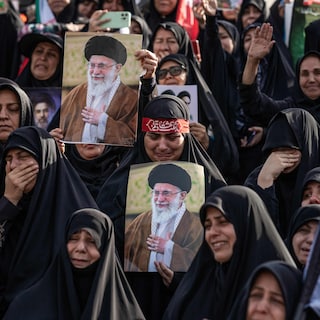
Dagenlange uitvaart Khamenei begonnen, onzeker of zoon durft te verschijnen
de volkskrant · about 2 months ago

Funeral de Khamenei em Teerão. Negociações recomeçam dia 11 Milhões de fiéis são esperados na homenagem ao líder supremo do Irão e respetiva família, mortos no ataque dos EUA ao país no fim de fevereiro. Irão e EUA retomam negociações de paz a 11 de julho.
observador · about 2 months ago
Iran, al via i funerali dellayatollah Khamenei: dureranno sei giorni. Folla oceanica in piazza a Teheran, slogan contro Usa e Israele Larticolo Iran, al via i funerali dellayatollah Khamenei: dureranno sei giorni. Folla oceanica in piazza a Teheran, slogan contro Usa e Israele proviene da Il Fatto Quotidiano.
il fatto quotidiano · about 2 months ago
Thousands gather in Tehran as week-long Khamenei funeral rites begin Thousands of mourners gathered at Tehrans Imam Khomeini Mosalla Grand Mosque on Saturday as week-long funeral rites for Irans late Supreme Leader Ayatollah Ali Khamenei began. Foreign dignitaries including Turkish Vice President Cevdet Yılmaz and Pakistani Prime Minister Shehbaz Sharif attended the state ceremony.
yenisafak · about 2 months ago
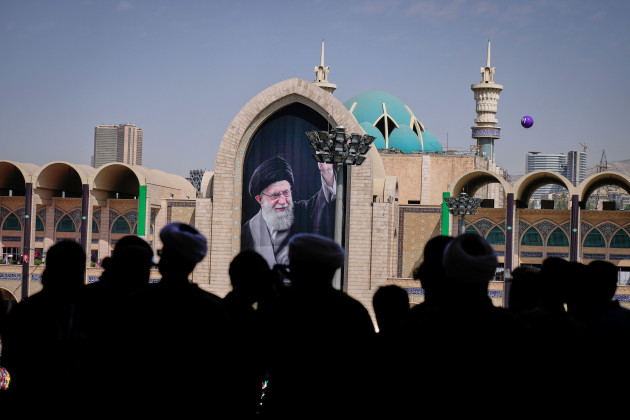
We must avenge the blood of our leader: Crowds throng Tehran for Khamenei funeral ceremonies Waving blood-red flags seen as a call for vengeance and justice under Shia Islam, mourners thronged the Grand Mosalla religious complex.
thejournal · about 2 months ago
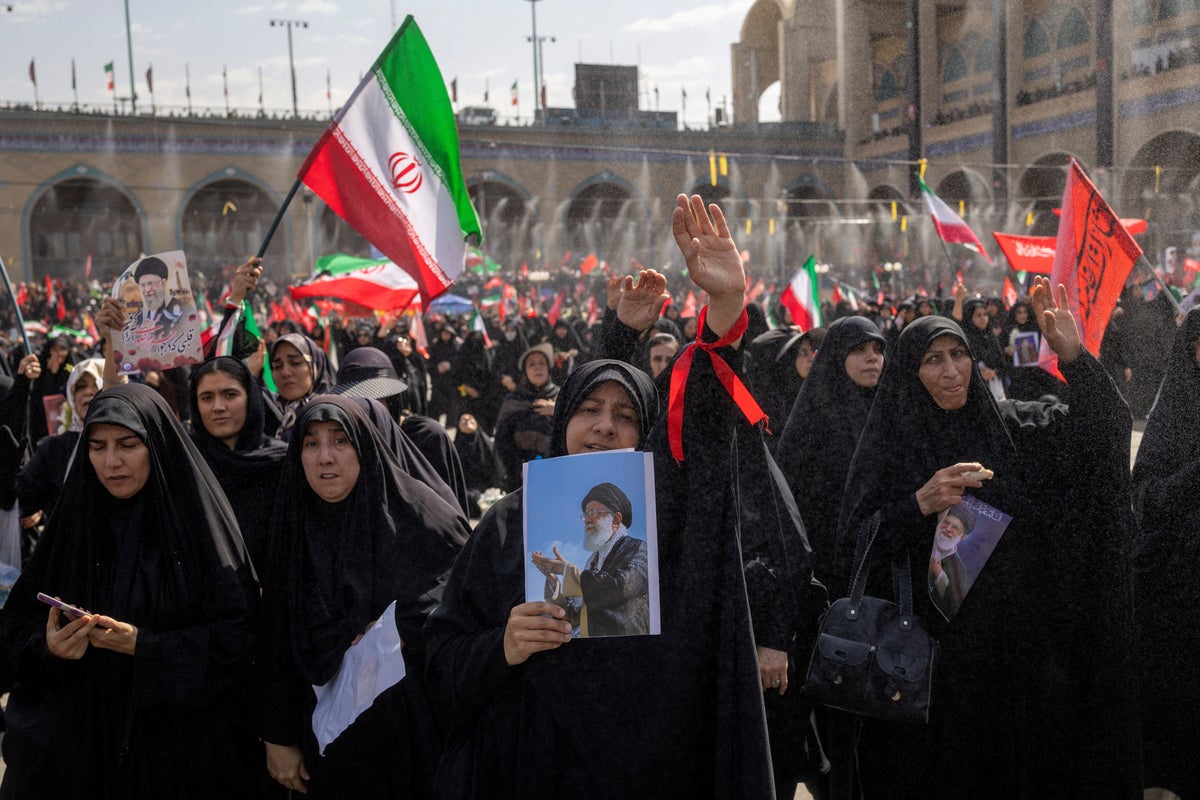
Iran-US war latest: Mourners gather as six-day funeral for former supreme leader Ali Khamenei starts in Tehran Iran warned the US and Israel any attacks during the public funeral would be met with a harsh retaliation
independent · about 2 months ago
Iran Begins Dayslong Funeral For Khamenei Amid Tight Security As the US-Israeli war with Iran continues to impact and shape the region, journalists from RFE/RLs Central Newsroom and Iranian service, Radio Farda, deliver ongoing updates and analysis.
radio free europe · about 2 months ago
Imagini din Teheran: zeci de mii de oameni, la funeraliile lui Ali Khamenei Funeraliile fostului lider suprem al Iranului, ayatollahul Ali Khamenei, au început sâmbătă, la marea moschee Grand Mosalla din centrul Teheranului. Zeci de mii de oameni, îmbrăcați în mare parte în negru, așteaptă să treacă pe la sicriul expus pentru a-și aduce omagiile, relatează Reuters și The Guardian. Ali Khamenei a condus Republica Islamică timp de …
hotnews.ro · about 2 months ago
Öffentliche Trauerfeier für Khamenei in Teheran begonnen Khameneis Leichnam liegt in Teheran aufgebahrt. Am Donnerstag soll der oberste Führer in seiner Heimatstadt Mashhad beigesetzt werden
der standard · about 2 months ago

À Téhéran, les funérailles dAli Khamenei marquent la fin dune époque Plusieurs dizaines de milliers de personnes se sont rassemblées à Téhéran, samedi 4 juillet, à loccasion du début des cérémonies de funérailles de layatollah Ali Khamenei. Parmi les manifestants, beaucoup appellent à venger la mort de lancien guide suprême, tué au premier jour de la guerre contre les États-Unis et Israël, le 28 février dernier.
courrier international · about 2 months ago
Funérailles du Guide Ali Khamenei : «Le pouvoir serait fragilisé si son fils et successeur nétait pas présent» La dépouille de layatollah, tué fin février, a été présentée vendredi 3 juillet à Téhéran, avant plusieurs jours de cérémonie. Une possible absence du nouveau Guide suprême, Mojtaba Khamenei, qui nest jamais apparu en public depuis sa nomination en mars, pourrait déstabiliser le régime estime le chercheur Jonathan Piron, spécialiste de lIran.
liberation · about 2 months ago
⚡️Funeral of Khamenei today 💧 Rainbet.com the #1 Non-KYC Crypto Casino & Sportsbook @rainbetcom +18
telegram_War Monitors · about 2 months ago
Iranians flock to week-long funeral rites for Khamenei Mourners thronged a vast prayer complex in Tehran on Saturday as the week-long funeral ceremonies of Iranian Supreme Leader Ayatollah Ali Khamenei began with the national anthem, religious eulogies and readings from the Koran. Iran is staging mass funeral processions for Khamenei – whose 37-year reign was brought to an end in February by the […]
cyprus mail · about 2 months ago
Funeral de Khamenei e recomeço de negociações dia 11 Milhões de fiéis são esperados na homenagem ao líder supremo do Irão e respetiva família, mortos no ataque dos EUA ao país no fim de fevereiro. Irão e EUA retomam negociações de paz a 11 de julho.
observador · about 2 months ago
Iran mourners demand revenge at ayatollahs funeral The week-long remembrance is intended to demonstrate public support for the regime
financial times · about 2 months ago
Thousands gather as Khamenei funeral ceremonies open in Tehran Thousands of mourners attended the public grand procession of Irans late Supreme Leader Khamenei in Tehran.
aljazeera · about 2 months ago

Massive Crowds Gather in Tehran for Khameneis Six-Day Funeral Authorities predict 20 million people will attend six days of ceremonies to mourn the supreme leader killed in the war with Israel and the U.S.
wsj · about 2 months ago
15 million people expected to attend former supreme leaders funeral Mourners thronged a vast prayer complex in Tehran on Saturday as the week-long funeral ceremonies of Iranian Supreme Leader Ayatollah Ali Khamenei began with the national anthem, religious eulogies and readings from the Koran. 15 million people are expected to attend the former leaders funeral, according to Iranian authorities, FRANCE 24s Reza Sayah said, reporting from Tehran, adding that the event would take place also in neighbouring Iraq.
france24 · about 2 months ago
Milioni di persone in piazza a Teheran per laddio a Khamenei. Urla contro gli Usa allarrivo della bara: Morte allAmerica LIran ha ufficialmente dato inizio a sei giorni di cerimonie funebri pubbliche per il defunto leader supremo Ayatollah Ali Khamenei. Migliaia di persone in lutto, con in mano striscioni rossi, simbolo associato alle richieste di vendetta, si sono radunate nel cortile della Grande Moschea di Teheran prima dellarrivo della bara di Khamenei, scandendo slogan come […] Larticolo Milioni di persone in piazza a Teheran per laddio a Khamenei. Urla contro gli Usa allarrivo della bara: Morte allAmerica proviene da Il Fatto Quotidiano.
il fatto quotidiano · about 2 months ago
⚡️ Iran begins dayslong funeral for Supreme Leader Ayatollah Ali Khamenei, months after airstrike killed him at wars start 💧 Rainbet.com the #1 Non-KYC Crypto Casino & Sportsbook @rainbetcom +18
telegram_War Monitors · about 2 months ago
⚡️ Iran unveils casket of late Supreme Leader Ayatollah Ali Khamenei in glass case before weeping mourners in Tehran 💧 Rainbet.com the #1 Non-KYC Crypto Casino & Sportsbook @rainbetcom +18
telegram_War Monitors · about 2 months ago
Pakistan stands with Iran, Sharif says at Khamenei funeral Prime Minister Shehbaz Sharif, accompanied by Deputy Prime Minister Ishaq Dar and Army Chief Asim Munir, attended the funeral of Irans late Supreme Leader Ayatollah Ali Khamenei in Tehran. Sharif said Pakistan stands with Iran in grief and praised Khameneis wisdom and leadership.
yenisafak · about 2 months ago
Iran | Kuvat näyttävät valtavat ihmisjoukot Khamenein monipäiväisissä hautajaisissa Iranin edesmenneen ylimmän johtajan Ali Khamenein kuusipäiväisiin valtiollisiin hautajaisiin osallistuu miljoonia ihmisiä.
helsingin sanomat · about 2 months ago