 Tuesday, July 7Tuesday, July 7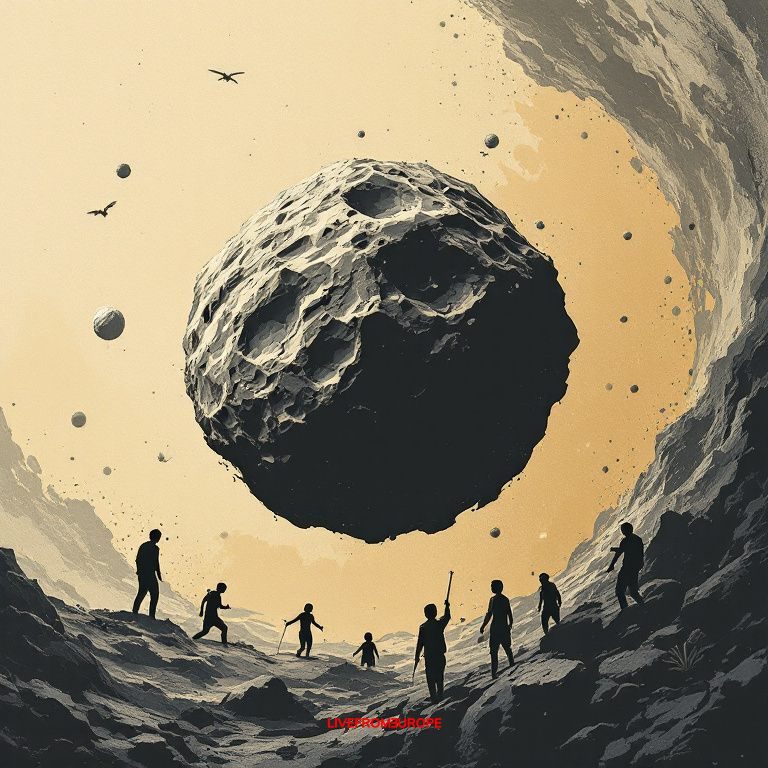
A Chinese unmanned probe has reached asteroid 469219 Kamoʻoalewa, marking a significant milestone in the country’s deep-space exploration program. The spacecraft approached within 20 kilometres of the quasi-satellite on Sunday, according to the China National Space Administration, and is now beginning a mapping phase ahead of a sample-collection attempt.
The mission’s goal is to retrieve up to a few hundred grams of material from Kamoʻoalewa’s surface and return it to Earth for laboratory analysis. Kamoʻoalewa, roughly 40 to 100 metres across, orbits the Sun in a path that keeps it relatively close to Earth, making it a prime candidate for such a mission. Chinese state media reported that the probe will spend several weeks surveying the asteroid’s topography and composition before selecting a sampling site.
“This is the first time any nation has attempted to bring back material from Kamoʻoalewa,” said Professor Li Wei of the Beijing Institute of Space Science, a co-investigator on the mission. “The asteroid’s unusual orbit and composition make it scientifically valuable, but also technically challenging.” Kamoʻoalewa is believed to be rich in silicate minerals and may contain water-bearing compounds, offering clues to the early solar system and the delivery of volatiles to Earth.
The probe’s arrival follows a series of precise trajectory corrections over the past three months, during which mission controllers at the Xi’an Aerospace Control Centre executed five engine burns to refine its path. The final approach phase began on Saturday, with real-time navigation guided by optical and laser sensors. Chinese officials confirmed that all systems are functioning nominally and that the spacecraft is on schedule to begin surface operations within the next fortnight.
International observers welcomed the achievement. “China’s ability to reach and study such a distant and small object demonstrates the maturity of its deep-space navigation and robotic capabilities,” said Dr. Maria Antonietta Perino, director of space exploration at the Italian Space Agency. “Kamoʻoalewa is a fascinating target, and any samples returned would be a major contribution to planetary science.”
The mission is part of China’s broader plan to expand its asteroid exploration portfolio. Earlier this year, the Tianwen-2 spacecraft completed a flyby of the near-Earth asteroid 2016 HO3, and Tianwen-3 is being prepared for a Mars sample-return mission later in the decade. Kamoʻoalewa, discovered in 2016, is one of Earth’s most stable quasi-satellites, with an orbit that has remained relatively unchanged for centuries.
Scientists hope the returned material will help answer long-standing questions about the origin of Earth’s water and the role of asteroids in delivering organic molecules to our planet. The samples are expected to land in Inner Mongolia in late 2027, pending successful collection and departure from Kamoʻoalewa in early 2027.
Follow us for live European news
2 further sources not geolocated

Japans Hayabusa2 space probe flies by asteroid at close range Japans Hayabusa2 space probe made what is believed to be a close flyby of the asteroid Torifune on Sunday, the countrys space agency said. The flyby observation mission,…
japantoday · 1 day ago
Microplastic filters for washing machines could soon be mandatory in the EU. How do they work? Every time you do laundry, your clothes shed microplastics. A Bristol startup has built a filter to stop them.
euronews · 1 day ago
Australia investighează originea unor sfere misterioase aduse de valuri pe plajă Autorităţile din Australia investighează originea unor sfere misterioase care au fost aduse de valuri pe o plajă din nordul statului Queensland în acest weekend.
digi24 · 1 day ago

Onze voeding is beter voor de planeet én voor honden: hoe insecten de huisdiervoeding moeten verduurzamen
de morgen · 1 day ago
The Mysterious Lost Civilization of Harappan The mysterious Harappan civilization is considered the third oldest one in the ancient East after Egypt and Mesopotamia. It was located in the Indus River Valley in what is now Afghanistan, Pakistan, and parts of India and sparked many theories about its lifestyle and decline. The area where they were situated also gave rise to […]
greek reporter · 1 day ago
VÄRSKE UURING ⟩ Nende lihaste treenimine võib sind päästa infarktist Kas tahad elada kauem ja vältida raskeid südamehaigusi? Tehisintellekti abil tehtud uudne analüüs näitas, et südame tervise saladus võib peituda hoopis ootamatus kohas – sinu selja- ja rinnalihastes.
postimees · 1 day ago
Drogu rozpozná a odhalí i její původ. Zařízení vyvinuté v Brně může pomoct policistům celého světa Nové zařízení vyvinuté brněnskými vědci umí nejen rozpoznat drogu, ale dokáže odhalit i její původ a propojit ji s dalšími případy. Mohlo by tak policistům a dalším bezpečnostním složkám usnadnit boj s drogovou kriminalitou. Vývojáři ze startupu Lightly a Mendelovy univerzity ho momentálně chtějí otestovat přímo v terénu. Zájem o něj už však projevila česká i americká policie.
irozhlas.cz · 1 day ago
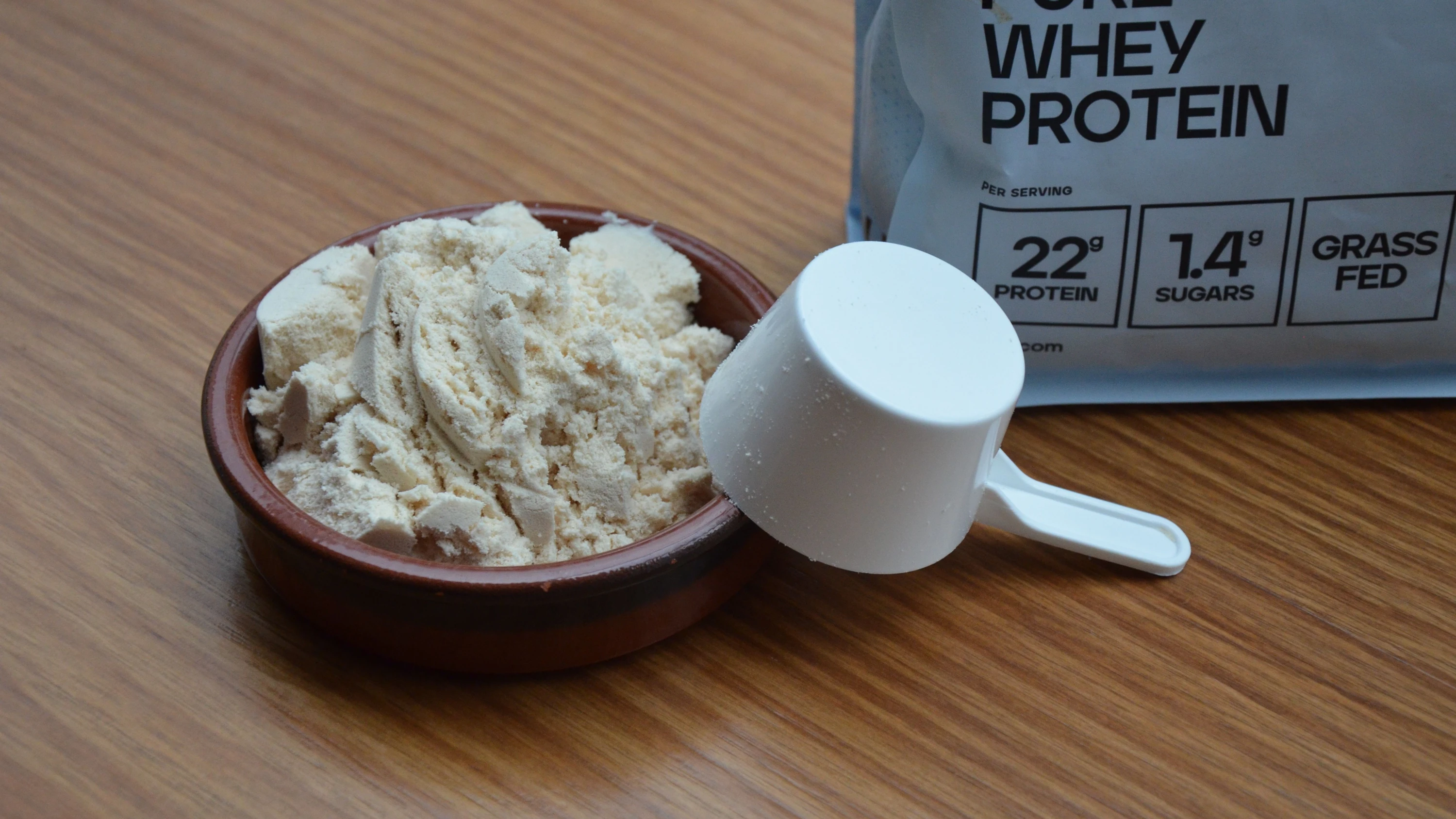
Molkenprotein „Whey: Das neue Gold der Milchindustrie Molke galt jahrzehntelang als Abfallprodukt der Käseherstellung, das man an Schweine verfütterte. Seit dem Trend zur proteinreichen Ernährung ist „Whey zum begehrten Rohstoff geworden. Das treibt die Preise – ist aber umstritten.
faz · 1 day ago
Nederland wil af van plastic kauwgom: dit merk laat zien dat het kan Grote kans dat jouw kauwgom microplastics bevat. Nederland wil daarom een verbod op kauwgom met plastic. Bij BenBits maken ze nu al plasticvrije kauwgom, tot blijdschap van Robin, die dagelijks kauwgom van de straat verwijdert.
rtl nieuws · 1 day ago
O que é, afinal, um modelo de linguagem? É importante perceber que um modelo de linguagem não armazena factos da mesma maneira que uma base de dados. Opinião de Arlindo Oliveira
publico · 1 day ago
Биологи создали «с нуля» искусственную клетку, которая начала самостоятельно расти и размножаться. Можно ли считать ее живой? И значит ли это, что «секрет жизни» разгадан?
meduza · 1 day ago
precies vier Een Precies Vier bestaat uit 16 woorden, begrippen of namen, die moeten worden verdeeld in precies vier groepen van vier. Er is telkens maar één oplossing mogelijk. Welke woorden vormen een connectie? Het kan in de betekenis van de woorden zitten, maar bijvoorbeeld ook omdat je overal het-zelfde woord voor of achter kan zetten. Of omdat vier woorden -allemaal beginnen met een meisjesnaam. En let op: er zitten heel vaak dwaalsporen in een Precies Vier.Het beste is om deze puzzel online te spelen, dan zie je direct of je -poging klopt of niet: www.nrc.nl/puzzels/precies-vier
nrc · 1 day ago
Chinesische Sonde erreicht Asteroiden Kamooalewa Die unbemannte Sonde konnte sich dem Himmelskörper auf 20 Kilometer nähern. Nun soll sie den Asteroiden kartieren und eine kleine Menge Material einsammeln.
die presse · 1 day ago
Today, biogas covers all Danish gas use for first time Saturday marks a milestone in Danish energy, as biogas production exceeds total Danish gas consumption for the first time this year. This occurred due to lower heating and industrial demand alongside steadily rising production, though natural gas will be needed again when temperatures drop. Currently, biogas covers about 40 of Danish gas consumption, but the […]
cphpost · 1 day ago
Sellisena ehitatud kosmoseaparaat ei saakski muule taevakehale maandudes ümber minnagi Kui tavaline täring võib maanduda ükskõik millisele küljele, siis kujutage ette keha, mis teeb alati täpselt sama valiku. Just sellise objekti on nüüd loonud matemaatikud ja insenerid pärast aastakümneid kestnud otsinguid. Esmapilgul näib tegemist pelgalt nutika geomeetriatrikiga, kuid selle taga peitub märksa suurem teaduslik läbimurre. Lisaks matemaatilisele ilule nähakse sellel lahendusel juba võimalikke rakendusi ka kõrgtehnoloogias. Kas üks väike püramiid võib aidata lahendada hoopis suuremaid probleeme?
postimees · 1 day ago
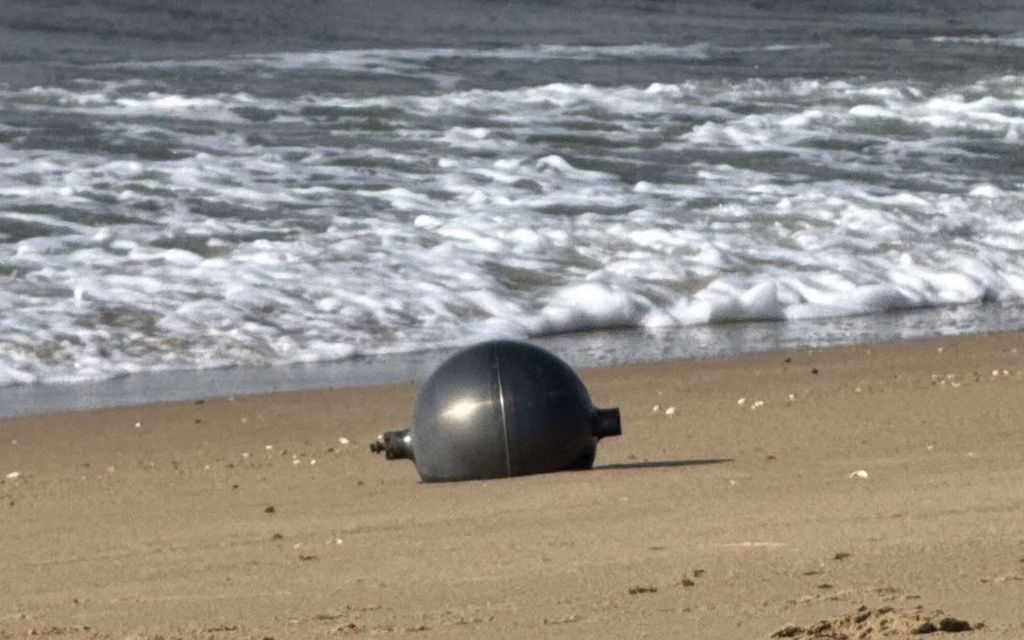
Mystisiä avaruuspalloja ilmestyi rannalle Australiassa
iltalehti · 1 day ago

Learning another language appears to slow brain ageing, scientists say
bluesky_The Guardian · 1 day ago
Pădurile plantate din China cresc mai repede decât cele naturale. Explicațiile cercetătorilor (studiu) Un studiu privind pădurile plantate și cele naturale din China relevă că vârsta, compoziția speciilor și sensibilitatea la CO₂ contribuie toate la viteza cu care copacii înmuguresc, informează Live Science. O nouă cercetare arată că, în China, copacii plantați în cadrul unor proiecte uriașe de reîmpădurire par să crească mai repede decât cei din pădurile naturale.
digi24 · 1 day ago
Oamenii de știință spun că au creat pentru prima dată o celulă de la zero. Ce este SpudCell și cât de aproape e de celulele „vii Oamenii de știință au creat de la zero în laborator, în premieră, o celulă care se poate hrăni, crește și se poate reproduce precum o celulă naturală. Această descoperire în domeniul biologiei sintetice ar putea inaugura o eră a organismelor create la comandă, care funcționează la fel ca niște organisme vii, relatează New York Times.
digi24 · 1 day ago
„Soarta Pământului depinde de un echilibru delicat. Cum ar putea supraviețui planeta expansiunii Soarelui Pământul ar putea supraviețui fazei finale din viața Soarelui, deși până acum se credea că planeta va fi înghițită de steaua aflată în expansiune. Un nou studiu publicat de astronomi arată că pierderea de masă a Soarelui ar putea împinge Terra pe o orbită mai îndepărtată, salvând-o de la distrugere, în timp ce Mercur și Venus ar urma să dispară.
digi24 · 1 day ago
Mâncărurile delicioase pe care le poți face cu numai două ingrediente. Printre acestea se numără și un desert italian legendar De multe ori, în bucătărie, avem nevoie de puțin pentru a ajunge la rezultate remarcabile. Există o adevărată știință a deserturilor delicioase care se fac utilizând doar două ingrediente principale. Unul dintre acestea este efectiv un deliciu italienesc care-ți face ziua mai bună.
adevarul · 1 day ago
Antike Rätsel: Was Forscher beim alten römischen Trier noch umtreibt
die zeit · 1 day ago
Einstiger Todesstreifen: Warum das «Grüne Band» so wichtig für den Naturschutz ist
die zeit · 1 day ago
Manetgåtan: Simmar konstigt och dör Öronmaneterna längs Bohuskusten har börjat bete sig märkligt. De simmar konstigt och dör i förtid, enligt observationer från Göteborgs universitet. Nu söker forskarna hjälp från allmänheten. Det är en olöst gåta.
svenska dagbladet · 1 day ago
QuickCheck: Did humanity abandon one of its oldest domesticated animals?
gdeltproject.org · 1 day ago

Suomalaiseen ruokaan voi tulla iso mullistus – Lautasella voi olla pian hämmentäviä asioita
iltalehti · 1 day ago
Nagy, rejtélyes ezüstgömbök sodródtak partra Ausztrália partjainál Egyelőre vizsgálják, honnan és miből is származhat a titokzatos ezüstgolyó.
444.hu · 1 day ago
Uskumatu aga need ämblikud jääksid metaanita sootuks nälga – ja vaadake kus nad veel elavad Pimedas süvameres elavad tillukesed ämblikud on leidnud viisi, kuidas muuta kliima seisukohalt probleemne metaan oma toidulauaks. Teadlased avastasid kolm seni tundmatut liiki, kelle ellujäämine sõltub nende kehal kasvavatest bakteritest. Sellist koostööd pole mereämblike puhul varem nähtud ning see võib osutuda oluliseks ka süsinikuringe mõistmisel. Ühtlasi pakub avastus uusi teadmisi elu kohanemisest Maa kõige karmimates keskkondades. Mida need peaaegu läbipaistvad loomad tegelikult teevad, selgub lähemalt uuringust.
postimees · 1 day ago
Australië onderzoekt mysterieuze ruimtebollen die op strand zijn aangespoeld De Australische autoriteiten onderzoeken de herkomst van mysterieuze, grote zilveren bollen die dit weekend aanspoelden op een strand in het noorden van Queensland. Dat meldt de brandweer.
nu.nl · 1 day ago
Australia | Rannalle huuhtoutui kuusi kummallista palloa, joiden alkuperää ei tiedetä Pallojen epäillään olevan avaruusromua.
helsingin sanomat · 1 day ago