Loading…
 Sunday, September 27Sunday, September 27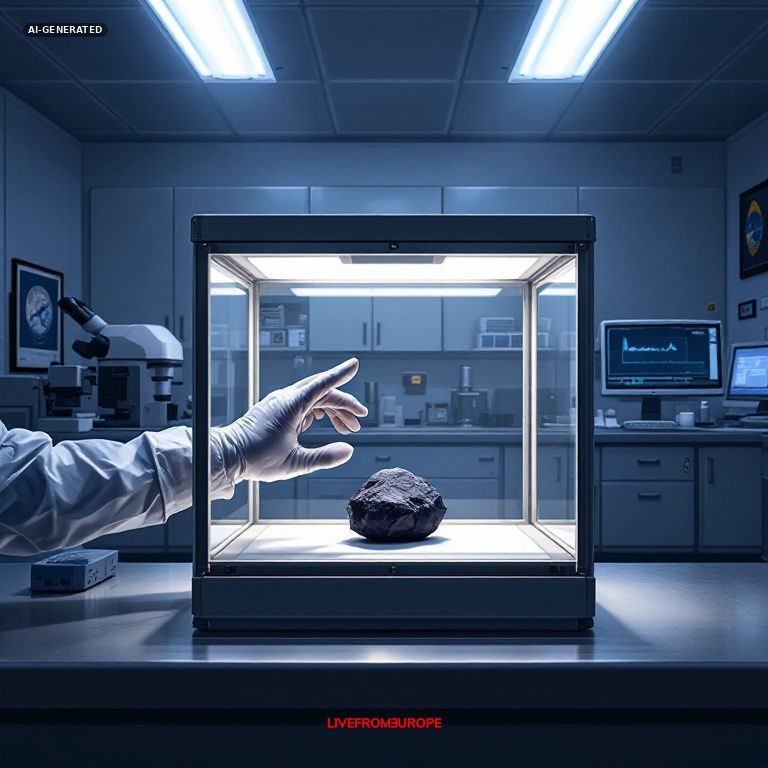
Scientists at ETH Zurich have published surprising findings from NASA’s OSIRIS-REx mission, which in 2023 delivered approximately 120 grams of material from asteroid Bennu to Earth. A 0.5-gram sample was allocated to Maria Schönbächler, a professor of isotope geochemistry, whose team analyzed isotopes of iron, titanium, and chromium to determine the asteroid’s origins.
The results, published in *Science Advances*, reveal that titanium and iron are evenly distributed across Bennu. The asteroid shares a near-identical isotopic fingerprint with asteroid Ryugu and CI chondrites, a rare class of carbon-rich meteorites found on Earth. This suggests all three formed from the same reservoir of cosmic dust, distinct from other known asteroids, meteorite groups, or planets.
The data contradict prior assumptions that Bennu formed in the outer solar system or late in its evolution. Instead, Schönbächler’s team proposes it originated near the water-ice line, where dust and ice mixed 4.5 billion years ago. “Bennu is a hybrid,” Schönbächler said, as its material does not fit neatly into either the inner or outer solar system categories .
Follow us for live European news
9 further sources not geolocated

Zaskakujące odkrycie w próbkach z słynnej planetoidy. "To jest hybryda"
spiders web · about 3 hours ago
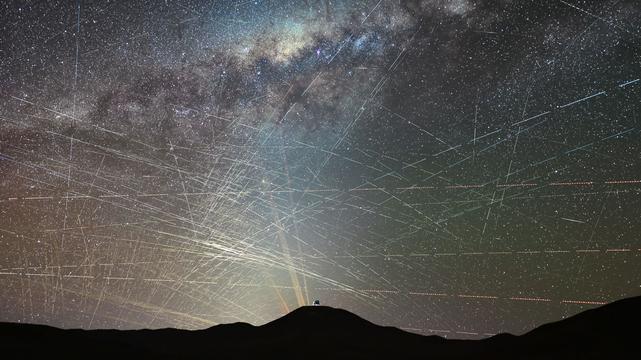
Sonnenlicht auf Bestellung: Weltraumspiegel im Orbit geplant
mastodon_BR24 · about 3 hours ago
Znaleziono pierwotną supergromadę galaktyk Znaleziono pierwotną supergromadę galaktyk tryton ndz., 09/27/2026 - 07:07 2 minuty
nauka w polsce · about 3 hours ago
Zwrot akcji w poszukiwaniach życia pozaziemskiego. Enceladus kluczem do rozwikłania zagadki Księżyc Saturna, Enceladus, od lat należy do najbardziej intrygujących miejsc w Układzie Słonecznym – przynajmniej w kontekście poszukiwania życia poza Ziemią. Pod jego lodową skorupą znajduje się globalny ocean słonej wody, a przez szczeliny w okolicach południowego bieguna w przestrzeń kosmiczną trafiają pióropusze pary wodnej i lodowych ziaren. Ostatnie badania poświęcone rozwojowi potencjalnego życia w […]
chip.pl · about 3 hours ago
Pod lasem Amazonii odkryli ślady zaginionej cywilizacji. Setki potężnych konstrukcji Pod gęstymi lasami Amazonii przez setki lat ukrywały się ślady pozostawione przez dawną cywilizację, która zamieszkiwała ten region. Nowe badania z wykorzystaniem technologii LiDAR ujawniły setki nieznanych wcześniej konstrukcji ziemnych. Wyniki sugerują, że przed wiekami ten obszar mógł być zamieszkany nawet przez 3 mln ludzi.
rzeczpospolita · about 3 hours ago
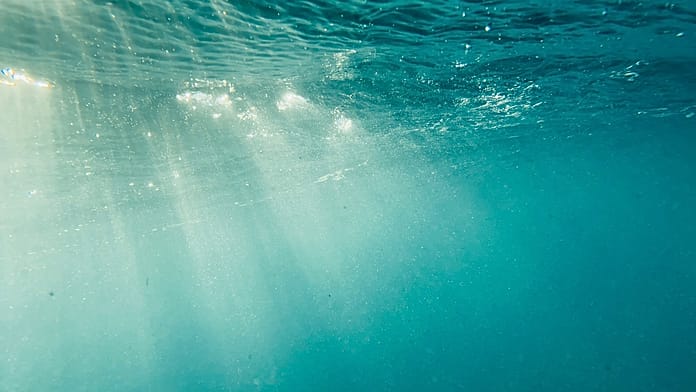
Can solar power work underwater? Scientists test solar panels 10 metres beneath the sea According to the researchers, perovskite-based solar panels could operate for five and a half years underwater.
euronews · about 3 hours ago
Exoplaneten-Wetter: Wie James-Webb fremde Atmosphären entschlüsselt Die Wissenschaft nähert sich immer mehr der interstellaren Wettervorhersage – dank des James-Webb-Weltraumteleskops. Vielfältige Wettersysteme können so wohl bald besser verstanden werden. weiterlesen auf t3n.de
t3n · about 3 hours ago

If archaeologists succeed in discovering remains of the great Egyptian queen, she could answer many ancient mysteries
bluesky_The Times · about 4 hours ago
Słońce jest zdolne do potwornej eksplozji. Co kryje się w danych z 1947 roku?
spiders web · about 4 hours ago
„Un adevărat miracol: Comoara de fier a unui vas antic naufragiat, descoperită pe malul Dunării, ar fi putut înarma sute de războinici Cu mai bine de 2.000 de ani în urmă, un vas care transporta peste 500 de lingouri de fier s-a scufundat în Dunăre într-o zonă ce astăzi aparține Austriei. „Comoara ruginită este cea mai mare colecție de lingouri de fier din antichitate descoperită vreodată în Europa, conținând destul metal pentru înarmarea a sute de războinici, potrivit unui nou studiu publicat în revista Antiquity.
digi24 · about 4 hours ago
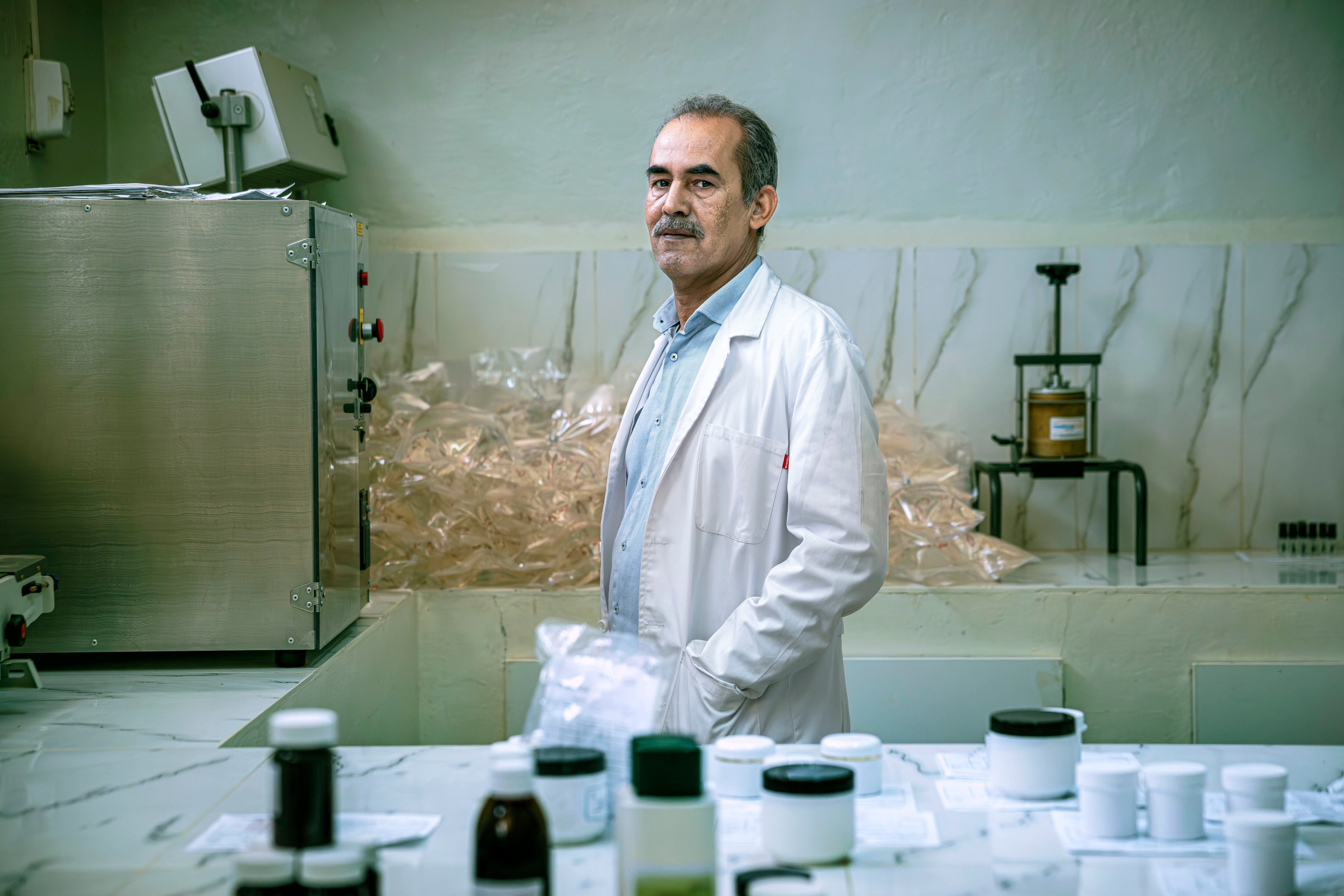
The Sahrawi pharmaceutical lab battling against sand and shortages: We are a rose in the desert In the Algerian desert of Tindouf, 11 Sahrawi workers manufacture antibiotics, eye drops and dermatological creams for a refugee population that has been surviving in exile for half-a-century
elpais · about 4 hours ago
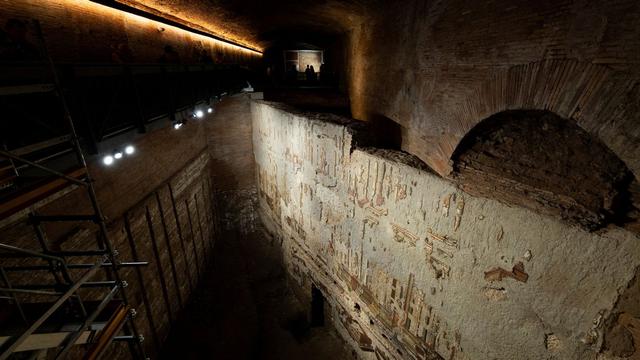
Jahrhundertelang verborgen: Was unter Kaiser Trajans Thermen lag
mastodon_BR24 · about 4 hours ago

A Californian startup hopes to use extra daylight to boost solar-power production, help with emergency rescues and even light city streets. A lot of reflective satellites would be needed to make these plans work
bluesky_The Economist · about 4 hours ago
Kometa 3I/ATLAS okiem polskich astronomów. Ujrzeli, jak budziła się przy Słońcu
spiders web · about 4 hours ago
TÄNA AJALOOS ⟩ Rosetta kivi dešifreerimine avas uksed muistse maailma avastamiseks 1822 – Jean-François Champollion teatas Rosetta kivi kreekakeelse osa dešifreerimisest.
postimees · about 4 hours ago

According to the researchers, perovskite-based solar panels could operate for five and a half years underwater.
bluesky_Euronews · about 4 hours ago