
U.S. Supreme Court blocks Trump birthright citizenship order while upholding transgender sports bans

Story Timeline
1 year · 2 summary articles
U.S. Supreme Court blocks Trump birthright citizenship order while upholding transgender sports bans
U.S. Supreme Court rejects Trump birthright citizenship order, upholds transgender sports bans
Continuationrevised 2×
The U.S. Supreme Court on Tuesday dealt President Donald Trump a sweeping legal defeat by striking down his executive order to end birthright citizenship, a cornerstone of his immigration agenda, while simultaneously upholding state bans on transgender girls competing in girls’ school sports. The 6-3 rulings, issued on the final day of the Court’s term, reaffirmed the Fourteenth Amendment’s guarantee of citizenship to anyone born on U.S. soil and validated state-level restrictions on transgender athletes, delivering a mixed verdict to the administration.
In a blunt rebuke to Trump’s attempt to redefine citizenship by executive fiat, the Court ruled that the 1868 constitutional provision remains inviolable. “Citizenship, then and now, was the right to have rights—to freely participate in our political community,” Chief Justice John Roberts wrote for the majority . The decision, which cannot be overturned by statute or further executive action, was joined by Justices Sotomayor, Kagan, Barrett, Jackson, and Kavanaugh, while Justices Thomas, Alito, and Gorsuch dissented. Trump, who had publicly pressured his appointees to side with him, called the ruling “too bad for the country” and urged Congress to pass legislation banning birthright citizenship .
The Court’s second ruling, also 6-3, cleared the path for states to exclude transgender girls from girls’ school sports, a policy Trump hailed as a “big win” . The decision affects 25 states with similar laws, though the Court’s reasoning centered on the authority of Virginia and Idaho to set such rules. Legal experts noted the rulings reflect a Court willing to both constrain and empower the presidency, depending on the issue.
Immigration advocates celebrated the birthright citizenship ruling as a victory for constitutional principle, but warned that the administration’s broader crackdown—including plans to file 250 denaturalization cases by October—remains a threat . “We need to keep fighting,” said Efrén Olivares of the National Immigration Law Center. Meanwhile, dissenting Justice Samuel Alito argued the majority’s interpretation could allow non-resident parents to exploit citizenship for their children, a concern echoed by Trump’s allies .
The rulings underscore the Supreme Court’s role as a check on executive overreach while leaving room for state-level policy battles. With Trump’s immigration agenda stalled and his sports policy validated, the decisions mark a pivotal moment in the Court’s term, blending constitutional permanence with political volatility.
Follow us for live European news
- 3
- 2
- 2
- 2
- 1
- 1
- 1
- 1
- 1
- 1
- 1
3 further sources not geolocated
Articles

🔴 BREAKINGTrump calls for Congress to ban birthright citizenship after Supreme Court lossPresident Trump urges Congress to pass legislation banning birthright citizenship following a Supreme Court ruling that struck down his executive initiative to limit the practice. The decision marks a significant legal defeat for one of his signature...📰 #Geopolitics #GeoWire
mastodon bot · about 2 hours ago

Ο Τραμπ ζητά από το Κογκρέσο να τερματίσει το «δικαίωμα του εδάφους», μετά την «κακή» απόφαση του Ανώτατου Δικαστηρίου «Μπορούμε εύκολα να διορθώσουμε την "κακή" απόφαση του Ανώτατου Δικαστηρίου στο Κογκρέσο, μέσω της νομοθετικής οδού», έγραψε ο Αμερικανός πρόεδρος σε ανάρτησή του στην πλατφόρμα Truth Social
protothema · about 2 hours ago
Eșec major pentru Trump la Curtea Supremă a SUA, care îi blochează tentativa de a limita dreptul la cetățenie prin naștere Curtea Supremă a SUA a invalidat marţi un decret prin care preşedintele Donald Trump a interzis dobândirea automată a cetăţeniei americane în cazul copiilor născuţi pe teritoriul SUA din părinţi imigranţi ilegali sau rezidenţi temporari. Această decizie, care este un mare eşec pentru Donald Trump, a fost luată de judecătorii Curţii Supreme cu un raport …
hotnews.ro · about 2 hours ago
Geburtsrecht gilt weiterhin: Oberstes US-Gericht kippt Trump-Plan für eingeschränkte Staatsbürgerschaft Kinder, die auf US-Staatsgebiet geboren werden, gelten weiterhin automatisch als US-Staatsbürger. Damit werden Pläne von Präsident Trump und dessen Berater Stephen Miller gestoppt.
tagesspiegel · about 2 hours ago
Верховный суд США подтвердил право на гражданство по рождению Верховный суд США подтвердил решение нижестоящего суда, заблокировавшего указ президента США Дональда Трампа, который пытался ограничить возможность получить гражданство по праву рождения, сообщает Reuters 30 июня.
meduza · about 2 hours ago
Trump sieht „Sieg: US-Gericht billigt Ausschluss von Transgender-Athletinnen Trump hatte im Februar 2025 ein entsprechendes Dekret unterzeichnet. Der Supreme Court wies die Klagen von zwei jungen Transgender-Sportlerinnen allerdings ab. mehr...
taz.de · about 2 hours ago

444.hu: Tanúvallomások igazolhatják, hogy Hajdu Jánost Orbán Viktor instruálta telefonon az aranykonvoj elfogásakor Az ügyészség az egykori TEK-parancsnok telefonját is vizsgálja épp annak érdekében, hogy kiderítse, kivel is beszélt Hajdu János a rajtaütés napján.
hvg.hu · about 2 hours ago
Az amerikai legfelsőbb bíróság kidobta Trump ötletét a születési jogon járó állampolgárság korlátozásáról Az Egyesült Államok alkotmánybíróságának szerepét is betöltő jogi testület 5-4 arányban tartotta fenn az alkotmányos rendelkezést, ami azt jelenti, hogy két konzervatívnak besorolt bíró is az adminisztráció törekvése ellen foglalt állást.
hvg.hu · about 2 hours ago
Het Hooggerechtshof geeft de Amerikaanse president flink meer macht: hij mag toezichthouders naar eigen goeddunken ontslaan Met de uitspraak dat de president bestuurders van toezichthouders mag ontslaan, wordt zijn macht aanzienlijk uitgebreid. De bestuurders van de Fed, de centrale bank, zijn daarvan uitgezonderd, maar daar legt Donald Trump zich niet bij neer.
nrc · about 2 hours ago
Amerikaanse Hooggerechtshof laat staten trans atleten weren uit meisjes- en vrouwensport
de volkskrant · about 2 hours ago
Aux Etats-Unis, la Cour suprême valide lexclusion des sportives transgenres de compétitions féminines La plus haute juridiction américaine a considéré ce mardi que les Etats républicains de Virginie-Occidentale et de lIdaho pouvaient déterminer la participation aux compétitions «en se basant sur le sexe biologique».
liberation · about 2 hours ago
La Cour suprême sauve le droit du sol et inflige à Trump un revers majeur Par six voix contre trois, la plus haute juridiction américaine a rejeté, ce mardi 30 juin, la tentative du Président de restreindre le droit à la citoyenneté pour les enfants dimmigrés en situation irrégulière.
liberation · about 2 hours ago
Chlordécone : plus de 500 parties civiles se pourvoient en Cassation Victimes, associations et collectivités contestent la décision de la cour dappel de Paris, qui a fermé la porte le 22 juin à une réouverture de lenquête pénale.
liberation · about 2 hours ago
US-Staaten dürfen Transmenschen von Frauen- und Mädchensportteams ausschließen Präsident Donald Trump begrüßte das Urteil als "großen Sieg"
der standard · about 2 hours ago
Corporate Duty of Vigilance in Climate Litigation On 25 June 2026, the Paris Judicial Court ruled on the adequacy of TotalEnergies vigilance plan. Among other things, the Court ruled that the companys Vigilance Plan must address the greenhouse gases generated through the downstream use of its products (Scope 3 emissions). The judgment simultaneously strengthens the normative content of the Duty of Vigilance while revealing the judiciarys reluctance to fully articulate a unified framework of corporate climate responsibility. The post Corporate Duty of Vigilance in Climate Litigation appeared first on Verfassungsblog.
verfassungsblog · about 2 hours ago
Vulnerable by Legal Design Today, the deadline expires for applications under Spains extraordinary regularization program that made headlines around the world when announced in January 2026. Designed to provide a pathway to legal residence for hundreds of thousands of undocumented migrants already present in the country, it is the largest regularization initiative in the countrys history. Yet the program raises questions that extend well beyond the Spanish context. In particular, it invites reflection on the relationship between irregular status and vulnerability. The post Vulnerable by Legal Design appeared first on Verfassungsblog.
verfassungsblog · about 2 hours ago
Curtea Supremă a SUA respinge încercarea lui Donald Trump de a limita cetățenia americană prin naștere Curtea Supremă a Statelor Unite a decis că ordinul executiv prin care președintele Donald Trump încerca să restrângă acordarea cetățeniei copiilor născuți pe teritoriul american este neconstituțional.
adevarul · about 2 hours ago
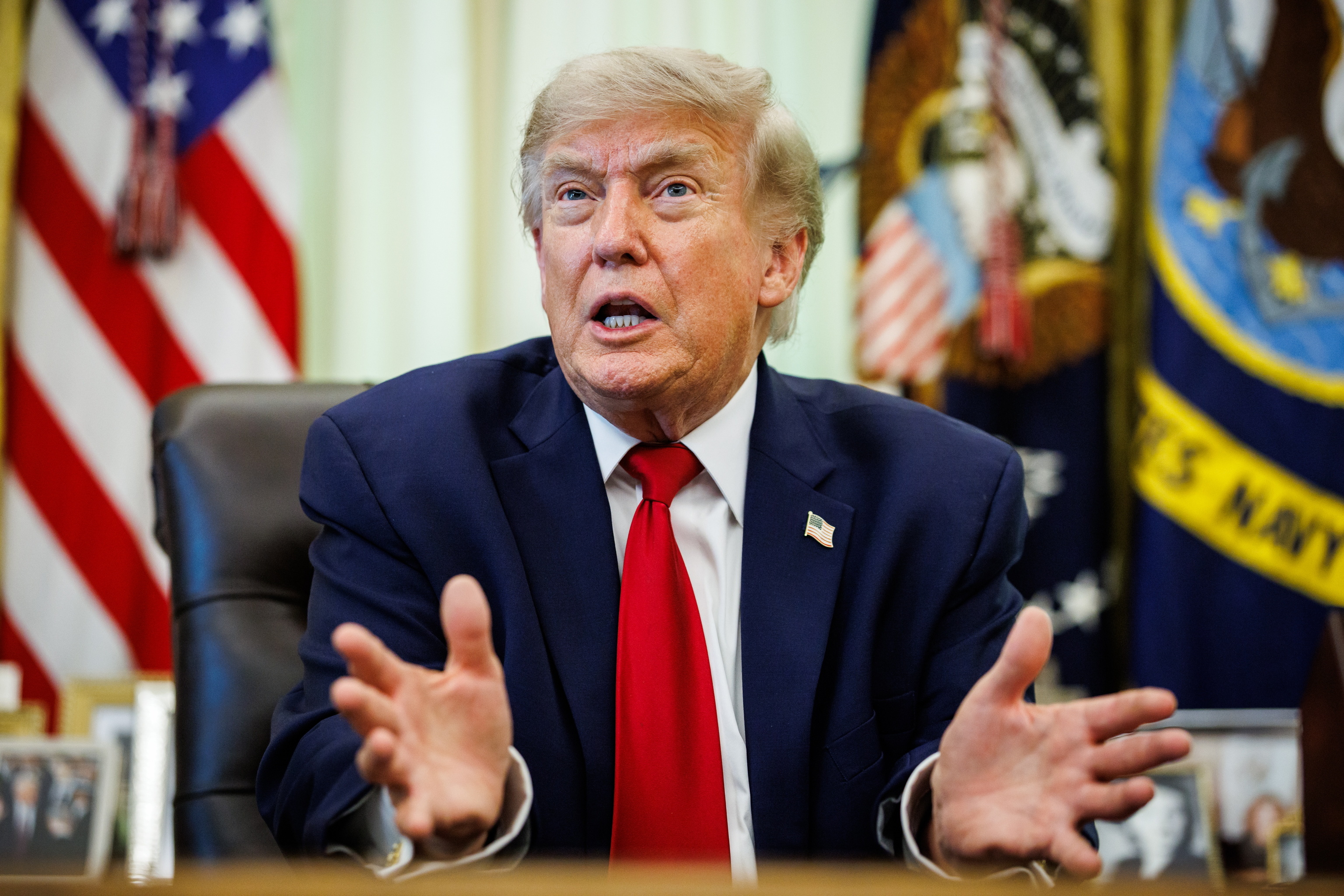
El Tribunal Supremo de EEUU rechaza el intento de Trump de restringir la ciudadanía por derecho de nacimiento El presidente afirma que "la ciudadanía, tanto ayer como hoy, tiene derecho a participar en nuestra comunidad política. Los redactores de la Enmienda 14 extendieron esa promesa a toda persona nacida libre en esta tierra. Hoy cumplimos esa promesa" Leer
elmundo · about 2 hours ago
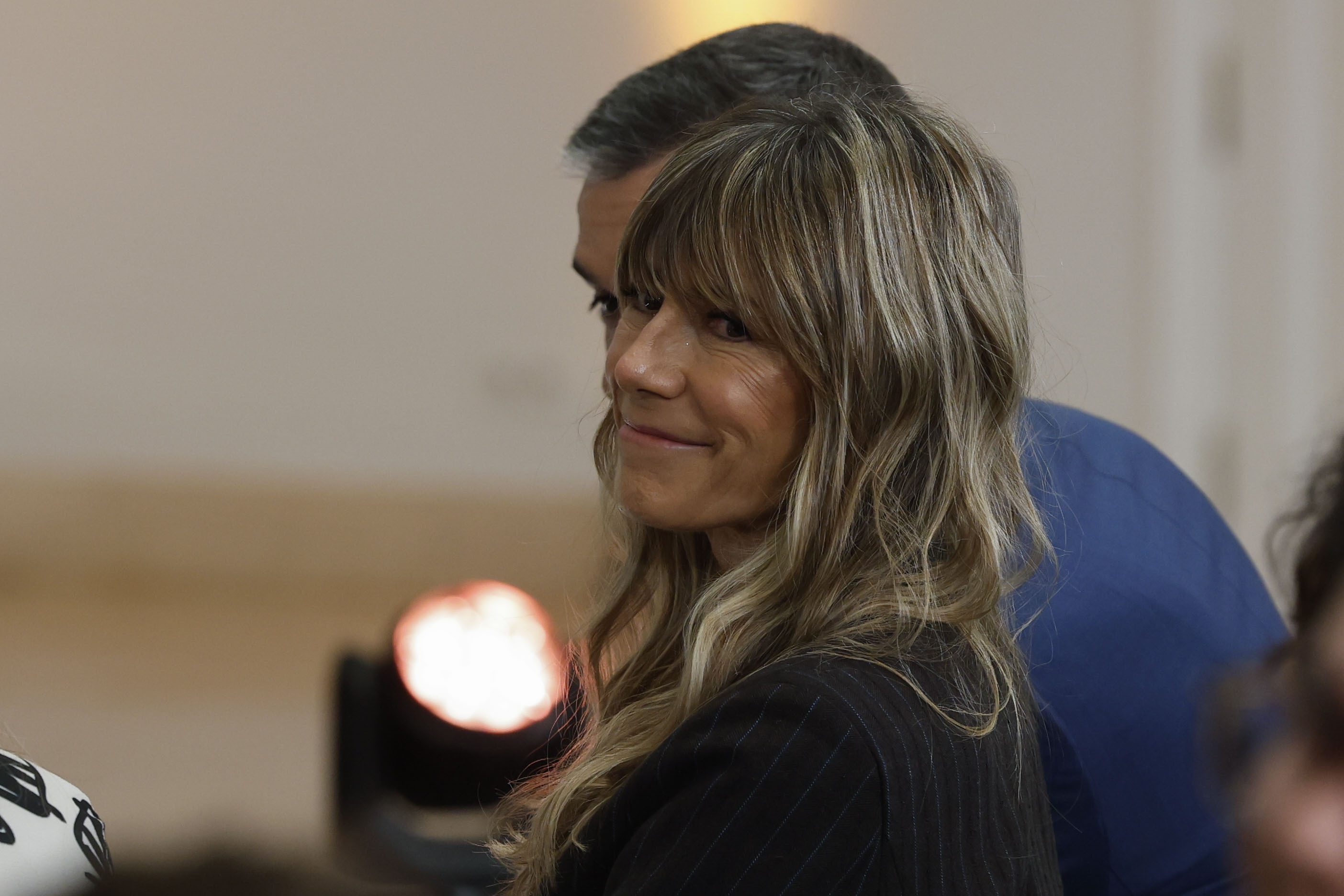
Begoña Gómez pide autorización al juez Peinado para viajar a la cumbre de la OTAN en Ankara y a la graduación de su hija en Londres La esposa del presidente del Gobierno solicita la devolución provisional del pasaporte que el magistrado le retiró por riesgo de fuga Leer
elmundo · about 2 hours ago

El Gobierno pide voluntarios para gestionar las solicitudes de regularización: fuera del horario laboral y a 10 euros por expediente CSIF denuncia que medio millón de expedientes aún no se han volcado en la plataforma de datos. El plazo para presentar las solicitudes concluye hoy Leer
elmundo · about 2 hours ago
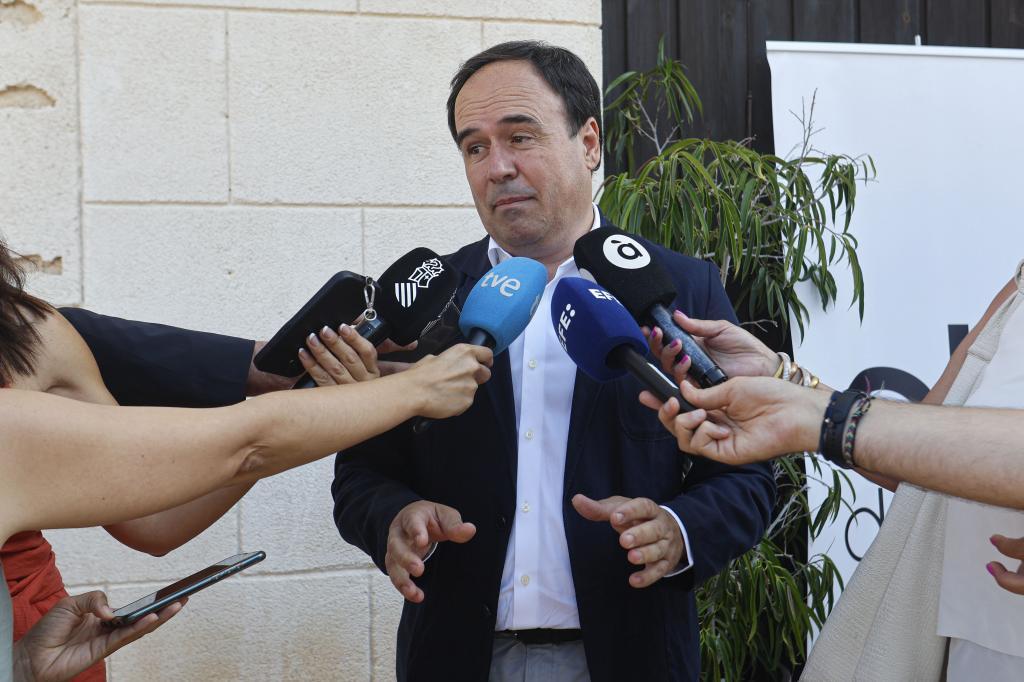
La Generalitat pide la suspensión cautelar de la regularización masiva de inmigrantes tras la advertencia del Supremo De no hacerlo, "los efectos de la regularización podrían hacerse efectivos de forma inmediata", según advierte en sus alegaciones Leer
elmundo · about 2 hours ago

Speaker Johnson: Birthright citizenship ruling subjects US to serious challenges
news.yahoo.com · about 2 hours ago
Supreme Court strikes down US campaign spending limits in landmark ruling The High Court strikes down campaign spending limits, citing First Amendment protections in a 6-3 decision
aljazeera · about 2 hours ago
Birthright citizenship ruling: US officials, lawmakers and advocates react Trump calls top courts ruling affirming birthright citizenship too bad for country as advocates cheer decision.
aljazeera · about 2 hours ago
Supreme Court strikes down Trumps executive order restricting birthright citizenship The 14th Amendment says that "all persons born or naturalised in the United States, and subject to the jurisdiction thereof, are citizens of the United States and of the State wherein they reside".
euronews · about 2 hours ago
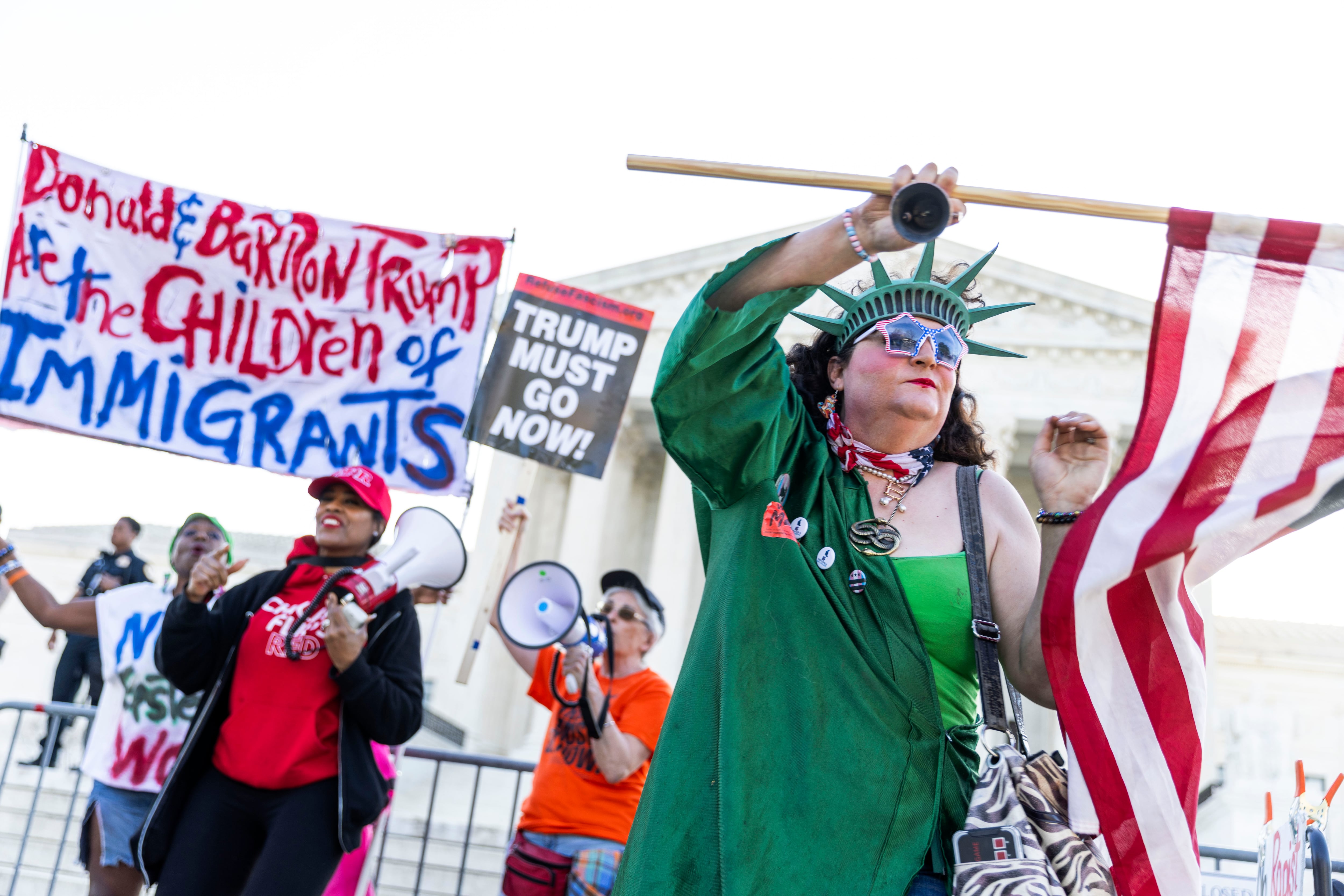
US Supreme Court rejects Trumps bid to end birthright citizenship The justices deal a heavy blow to the White Houses immigration policy. Resounding though it might be, the rebuke does not come as a surprise
elpais · about 2 hours ago

US Supreme Court turns away cases testing firearm age restrictions reut.rs/4oZnYeW
bluesky_Reuters · about 2 hours ago

US Supreme Court wont let Trump remove top copyright official for now reut.rs/4blrZEL
bluesky_Reuters · about 2 hours ago

Biggest US power grid PJM to vote on managing data center demand reut.rs/3QwazhP
bluesky_Reuters · about 2 hours ago

The historical development of the inevitable disclosure doctrine reut.rs/4xZ3C9B
bluesky_Reuters · about 2 hours ago