 Thursday, June 18Thursday, June 18
A rare and critically endangered primate species has suffered a devastating blow after a single cyclone wiped out nearly 7% of its global population, scientists warned on Thursday.
Research published on 18 June 2026 reveals that Cyclone Senyar, which struck Sumatra in November 2025, killed at least 58 of the world’s rarest great apes—the Tapanuli orangutan—leaving fewer than 800 individuals remaining. The figure, described as conservative by the study’s authors, excludes deaths from delayed effects such as starvation, injury, or habitat collapse in the weeks that followed.
Erik Meijaard, chief scientist at Borneo Futures and lead author of the report in *Current Biology*, told the BBC that initial estimates of 35 deaths had been revised sharply upward after satellite imagery and population density models revealed the true scale of destruction. “The forest itself became a killing field,” Meijaard said. “When hectares of hillside slide away in seconds, even the strongest orangutans have no chance.”
The disaster unfolded across the Batang Toru ecosystem in northern Sumatra, where the Tapanuli orangutan survives in three isolated forest blocks. Cyclone Senyar dumped between 103 mm and 1,030 mm of rain in just four days, triggering more than 50,000 landslides and stripping 8,300 hectares of forest—nearly 12% of the western block’s canopy. The deluge also killed more than 1,000 people across Indonesia, Malaysia, and Thailand, making it the deadliest natural disaster in Southeast Asia last year.
Scientists directly linked the cyclone’s intensity to human-driven climate change. Douglas Sheil of Wageningen University & Research, a co-author, said the warming atmosphere had increased rainfall associated with Senyar by between 9% and 50%, amplifying the impact on terrain already weakened by deforestation and mining. “We can no longer treat extreme weather and biodiversity loss as separate crises,” Sheil warned.
Indonesia’s government has temporarily halted major development projects in Batang Toru, including mining, palm oil expansion, and new hydroelectric dams. The pause offers a rare opportunity to reassess ecological risks and habitat capacity before resuming activity, the study argues. Meijaard stressed that sustained international funding and climate-adapted planning are now essential to prevent the first modern extinction of a great ape species.
Sergei Vich, a primatologist at Liverpool John Moores University, noted that the Tapanuli orangutan could withstand a loss of no more than 1% of its population annually. “The losses from Senyar are far beyond what this species can tolerate,” Vich said. Jatna Supriatna, a biologist at Universitas Indonesia, called the deaths a demographic catastrophe for the world’s rarest great ape.

Διάσωση 59 μεταναστών βόρεια των Καλών Λιμένων από σκάφος της Frontex Μεταφέρονται με ασφάλεια στο λιμάνι των Καλών Λιμένων
protothema · about 2 hours ago
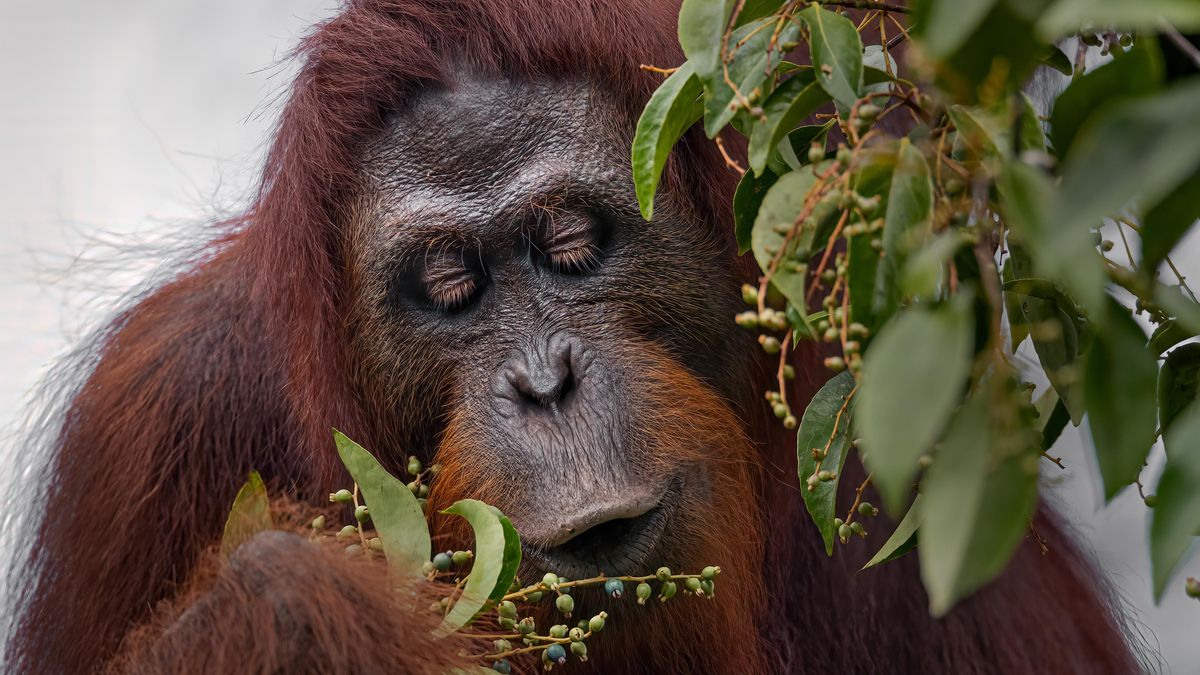
¿Cómo pudo un solo ciclón eliminar el 7 de la especie de gran simio más amenazada del mundo? Grave peligro - Los autores del trabajo piden apoyo internacional sostenido, financiación para recuperar biodiversidad y planificación adaptada al clima para reducir la exposición de los orangutanes que quedan Una riada en mitad de la noche basta para cambiar el destino de un animal que hasta ese momento parecía a salvo. La protección humana llega hasta donde alcanzan las reservas, los equipos de vigilancia, las normas y la restauración de hábitats, pero un desastre natural puede romper en horas lo que ha costado años cuidar. En esos episodios, los animales quedan atrapados en árboles que caen, laderas que se abren, ríos que arrastran comida y refugios que dejan de servir. La intención de protegerlos es importante porque reduce daños previos, evita presiones añadidas y deja opciones de recuperación, aunque la fuerza física de la naturaleza impone un límite muy duro. Por eso, cuando la lluvia, el barro o el viento golpean un territorio frágil, la supervivencia depende también del estado en que ese territorio llegue al golpe. Un estudio cifró una pérdida crítica en Sumatra Un estudio publicado en Current Biology estima que 58 orangutanes de Tapanuli murieron tras cuatro días de lluvias extremas y deslizamientos en Sumatra, una pérdida cercana al 7 de una especie con menos de 800 ejemplares. La investigación, recogida por la BBC, sitúa el daño en el episodio provocado por el ciclón Senyar en noviembre de 2025 y advierte de que la cifra es conservadora, ya que deja fuera muertes posteriores por daños en el dosel, lesiones o falta de alimento. Erik Meijaard, científico jefe de Borneo Futures y autor del trabajo, había calculado en diciembre para la BBC unas 35 muertes, pero el análisis posterior elevó mucho esa estimación. El ciclón Senyar causó estragos en varios países El barro dejó también una prueba evidente del desastre. Semanas después del ciclón, trabajadores humanitarios encontraron en Pulo Pakkat, en el distrito de Tapanuli central, el cadáver semienterrado de lo que creían que era un orangután de Tapanuli. Deckey Chandra, miembro de un equipo humanitario en la zona, vinculó aquel hallazgo con el uso habitual del área por estos animales para alimentarse de frutos: Solían venir a este lugar para comer frutas. Asimismo, añadió una consecuencia brutal de la riada en ese mismo punto: Pero ahora parece haberse convertido en su cementerio. Meijaard vio fotografías del animal enviadas por Chandra y describió daños compatibles con una fuerza devastadora del terreno. La fragilidad de los simios ante un bosque que se desprende quedó condensada en su valoración: Si unas pocas hectáreas de bosque se vienen abajo en deslizamientos enormes, incluso los orangutanes fuertes quedan indefensos y acaban destrozados. Los científicos vincularon el episodio al calentamiento global Los investigadores señalaron que Senyar fue un episodio anómalo, aunque no lo trataron como un hecho aislado de la crisis climática. Douglas Sheil, profesor de Wageningen University & Research y participante en el estudio internacional, situó el problema en la relación cada vez más estrecha de dos amenazas que suelen analizarse por separado: Los fenómenos meteorológicos extremos y la pérdida de biodiversidad suelen tratarse como crisis separadas, pero en realidad están profundamente conectadas. La paralización temporal de actividades extractivas y energéticas ofreció una ocasión para replantear decisiones futuras El trabajo atribuye al calentamiento provocado por la actividad humana un aumento de la intensidad de la lluvia asociada al ciclón de entre el 9 y el 50, una subida capaz de agravar deslizamientos en zonas ya debilitadas por la pérdida y fragmentación del bosque. La escala del daño salió de un cruce de imágenes de satélite y modelos de densidad de población. El equipo cartografió más de 50.000 cicatrices de deslizamientos y calculó que unas 8.300 hectáreas de bosque quedaron afectadas en el bloque occidental del ecosistema de Batang Toru, cerca del 12 de la cubierta forestal de esa área. El orangután de Tapanuli ya afrontaba un riesgo extremo Dave Petley, investigador de deslizamientos en Nottingham Trent University, describió un tipo de colapso muy difícil de esquivar para cualquier animal situado en la trayectoria del barro: Son deslizamientos superficiales de alta velocidad provocados por lluvias intensas. En terrenos montañosos tropicales, con pendientes muy alteradas por el agua, ni los árboles de raíces profundas garantizan estabilidad cuando la lluvia supera ciertos umbrales. La especie ya vivía al borde de un umbral peligroso antes del ciclón. El orangután de Tapanuli fue reconocido como especie distinta en 2017 y sobrevive solo en el ecosistema de Batang Toru, en el norte de Sumatra, dividido en tres bloques forestales aislados. Varios especialistas explicaron que ambos problemas avanzaron unidos y atribuyeron a la actividad humana una subida capaz de empeorar derrumbes sobre masas arboladas Los estudios citados por los autores indican que podría extinguirse si pierde más del 1 de su población cada año. En ese sentido, Sergei Vich, primatólogo de Liverpool John Moores University y autor del estudio, comparó esa tolerancia con la magnitud de la pérdida estimada en el bloque occidental: Eso está muy por encima de lo que estos animales pueden soportar. Jatna Supriatna, profesor del Departamento de Biología de Universitas Indonesia, calificó la muerte de 58 ejemplares como un golpe demográfico devastador para el gran simio más raro del mundo. Senyar golpeó Sumatra entre el 23 y el 28 de noviembre de 2025 con lluvias que fueron de 103 milímetros en Padang Lawas Utara a 1.003 milímetros en Sumatra Occidental. Al terminar, había causado daños millonarios en Indonesia, Malasia peninsular y Tailandia, además de más de 1.000 muertes, el desastre natural más mortífero del sudeste asiático en 2025. En Sumatra, el mismo sistema que arrasó viviendas, carreteras y comunidades humanas también alteró el bloque occidental de Batang Toru, donde vive la mayor población restante de orangutanes de Tapanuli. Indonesia abrió una revisión de los proyectos pendientes El Gobierno de Indonesia ha paralizado de forma temporal grandes desarrollos en el paisaje de Batang Toru, incluidas la minería, la palma aceitera y la expansión hidroeléctrica. Los autores consideran que esa pausa abre una oportunidad poco común para revisar riesgos ecológicos, mapas de susceptibilidad a deslizamientos y capacidad real del hábitat antes de tomar nuevas decisiones. Para Meijaard, esa protección debe llegar acompañada de recursos y de un plan de acción coordinado, porque la degradación del bosque y los conflictos con humanos ya presionaban a la especie antes del ciclón. El estudio remata esa exigencia con una advertencia sobre la extinción moderna de un gran simio: Mediante una protección nacional reforzada, una planificación adaptada al clima y asistencia financiera y técnica mundial, todavía podemos evitar la primera extinción moderna de una especie de gran simio.
eldiario.es · about 2 hours ago
Amerikaanse Expeditie Robinson wordt animatiefilm Omroep CBS werkt aan een animatiefilm gebaseerd op het programma Survivor, de Amerikaanse variant van Expeditie Robinson. In de filmbewerking gaan dieren de strijd met elkaar aan op een onbewoond eiland, vertelt producent Jeff Probst (64) op Instagram.
rtl nieuws · about 2 hours ago
Wiederbelebung ausgestorbener Arten: Mäuse mit Mammutfell Die US-Genfirma Colossal Biosciences möchte mit viel Geld ausgestorbene Tiere zurückbringen. In der Fachwelt sorgt das für Skepsis und Faszination. mehr...
taz.de · about 2 hours ago
Studie zu medizinischer Betreuung: Psychisch kranke Geflüchtete weiter massiv unterversorgt Keine vier Prozent der traumatisierten Asylbewerber*innen bekommen Therapie, zeigt ein Bericht. Auf dem Land ist die Lage besonders dramatisch. mehr...
taz.de · about 2 hours ago
Criză de apă în Grecia: două insule au intrat în stare de urgență. Autoritățile avertizează asupra sezonului turistic Vacanțele pe insulele grecești vin anul acesta cu o problemă serioasă: lipsa apei potabile. Două insule din Marea Egee au intrat deja în stare de urgență, iar autoritățile avertizează că presiunea sezonului turistic și temperaturile tot mai ridicate agravează criza.
digi24 · about 2 hours ago
Pátracia akcia na Veľkom Draždiaku: Pre opustený paddleboard na hladine zasahujú záchranné zložky „Všetky záchranné zložky momentálne vykonávajú úkony na účel preverenia okolností daného nálezu, potvrdil hovorca.
aktuality.sk · about 2 hours ago
Verdwenen kuikens Wandelend langs de oever hadden mijn vrouw en ik al enkele keren een knus eendengezin in het water waargenomen.
nrc · about 2 hours ago

Noorse fjorden, Schotse eilanden, zelfs Eemshaven; overal verrijzen die gigantische puisten van metaal
de volkskrant · about 2 hours ago

Historique : des centaines de détenus suédois envoyés en Estonie pour purger leur peine À partir du mois daoût, la Suède enverra certaines catégories de détenus en Estonie, pays voisin aux prisons nettement moins peuplées que les siennes. Cet accord, validé en juin par le Parlement de chaque pays, nen suscite pas moins des inquiétudes.
courrier international · about 2 hours ago
Mangrovenwälder erholen sich schneller als erwartet Jahrzehntelang galten Mangrovenwälder als bedrohtes Ökosystem. Nun zeigen neue Daten: Die effektiven CO2-Speicher wachsen wieder
der standard · about 2 hours ago
Sterile Tigermücken sind ab sofort wieder in Graz unterwegs Bis zu zwei Millionen unfruchtbare Männchen sollen in den kommenden zehn Wochen freigelassen werden. Die Bevölkerung ist dennoch zur Mithilfe bei weiteren Maßnahmen aufgerufen
der standard · about 2 hours ago

Mehr als 200 Ebola-Tote im Kongo Zusammen mit den beiden in Uganda verstorbenen Patienten sind es nun 204 Tote. Inzwischen gibt es 894 bestätigte Fälle, davon 875 im Kongo
der standard · about 2 hours ago

Frankfurt-Griesheim: Junge Männer stehlen Sportboot und gehen unter Zwei Männer machen sich während einer Probefahrt mit einem Sportboot davon. Weit kommen die Schiffsdiebe allerdings nicht. Sie kentern an einer Schleuse in Frankfurt-Griesheim – die Feuerwehr eilt zur Rettung.
faz · about 2 hours ago

Tourist is shot dead at end of South Africa safari tour when guides gun accidentally goes off A Canadian man has been shot dead while on safari in South Africa after a park rangers gun accidentally went off.
dailymail · about 2 hours ago
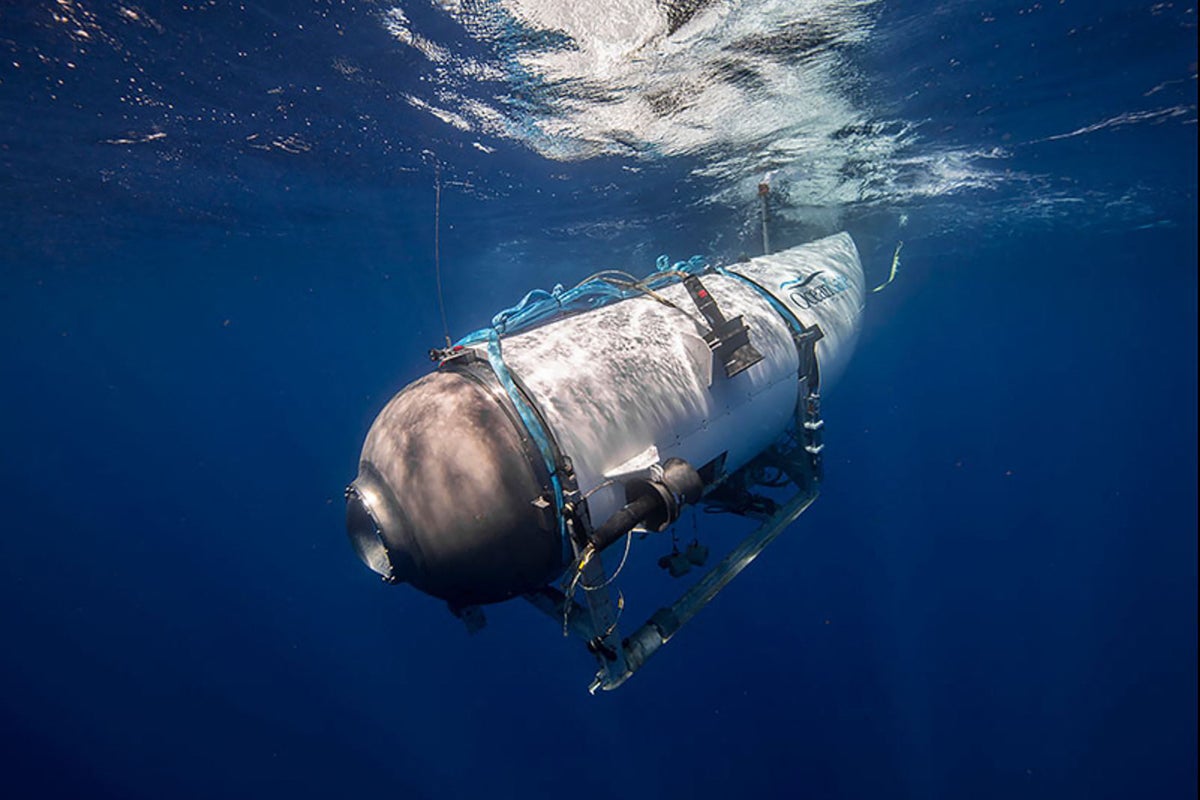
Titan sub disaster caused by design flaws and company failures, damning final report says Transportation Safety Board of Canada has released its damning report into the 2023 underwater catastrophe that killed five people
independent · about 2 hours ago
Dcera hrušně, která přežila vyhlazení Lidic, poroste v děčínské zámecké zahradě. Vysadili ji tam školáci V děčínské zámecké zahradě vysadili potomka hrušně, která přežila nacistické vyhlazení Lidic. Iniciovali to žáci Základní školy Komenského ve spolupráci se spolkem Lidice. Organizátoři akce se zaměřili také na historickou vazbu mezi Děčínem a Lidicemi. Připomněli příběh Jindřišky Novákové, která část dětství prožila právě v Děčíně a po atentátu na Reinharda Heydricha pomáhala parašutistům.
irozhlas.cz · about 3 hours ago
Vogelgrippe erreicht abgelegene Inseln: Mehr als 13.000 See-Elefantenbabys sterben in australischem Außengebiet Auf zwei abgelegenen Inseln nahe der Antarktis sind Tausende junge See-Elefanten gestorben. Es ist das erste Mal, dass H5N1 in einem australischen Außengebiet auftritt.
tagesspiegel · about 3 hours ago
DEM Party delegation reports overcrowding, medical care problems in Turkish prisons A delegation from Turkeys pro-Kurdish Peoples Equality and Democracy Party (DEM Party) has reported overcrowding, obstacles to medical care and limits on social contact in prisons in the Black Sea region, Turkish Minute reported, citing the Anka news agency. The delegation, comprising DEM Party lawmakers Nevroz Uysal, Sabahat Erdoğan Sarıtaş, Ömer Faruk Hülakü and Onur […] The post DEM Party delegation reports overcrowding, medical care problems in Turkish prisons appeared first on Stockholm Center for Freedom.
stockholm center for freedom · about 3 hours ago
Listeria in fish cakes sent 11 to hospital last year Contaminated food remains a source of illness in Denmark, according to a new report from the Central Outbreak Group (DCUG). Last year, 84 cases of listeria infection were registered, representing an increase of nearly 38 percent compared to 2024. One listeria outbreak linked to ready-to-eat fish cakes hospitalized 11 people. Campylobacter remains the most common […]
cphpost · about 3 hours ago
Morta a Mykonos durante il suo addio al nubilato: la polizia greca ferma i conducenti delle due auto Sono stati fermati i due conducenti delle auto che si sono scontrate a Mykonos: nellincidente ha perso la vita la 37enne aretina Sara Ceccantini, che si trovava in vacanza sullisola per festeggiare il suo addio al nubilato insieme alle amiche. La notizia è stata confermata dalle autorità greche. I due conducenti sono un cittadino greco […] Larticolo Morta a Mykonos durante il suo addio al nubilato: la polizia greca ferma i conducenti delle due auto proviene da Il Fatto Quotidiano.
il fatto quotidiano · about 3 hours ago
Vogelgrippe in der Subantarktis: 13.000 Seeelefantenwelpen sind tot Auf entlegenen Inseln sind fast alle Welpen der Seeelefanten durch die Vogelgrippe verendet. Die breitet sich in der Subantarktis aus. Auch Pinguine sind betroffen. mehr...
taz.de · about 3 hours ago