 Thursday, May 28Thursday, May 28
The World Health Organization (WHO) has raised the public health risk of the Ebola outbreak in the Democratic Republic of Congo (DRC) to "very high" at the national level, warning the virus is spreading at an alarming rate. As of 23 May 2026, suspected cases have surged to 750, with 177 suspected [deaths—a](en.wikipedia.org) threefold increase from 246 cases and 65 deaths reported just one week earlier. Among these, 82 infections have been confirmed, including seven deaths, according to WHO data .
The outbreak, centered in Ituri province, is driven by the Bundibugyo strain of Ebola—a rare and particularly virulent variant for which no approved vaccine or treatment currently exists. Provincial authorities have banned public gatherings in an effort to curb transmission, while health workers report that overwhelmed facilities and community distrust are hampering containment efforts . Aid groups warn that funding cuts and cultural practices, such as traditional burials involving physical contact with the deceased, are accelerating the virus’s spread .
Cross-border risks are escalating, with Uganda intensifying health screenings along its frontier with the DRC. The outbreak is now the third-largest in history, trailing only the 2014–2016 West Africa epidemic and the 2018–2020 DRC outbreak, which claimed over 2,200 lives . WHO officials describe the situation as "deeply worrisome", citing the rapid acceleration of cases and the strain on an already fragile healthcare system .
Efforts to contain the outbreak face significant challenges, including security threats in conflict-affected regions and logistical hurdles in reaching remote communities. WHO and local health authorities are prioritizing community engagement, with experts stressing the need to build trust with local leaders to improve compliance with containment measures . The lack of a proven vaccine for the Bundibugyo strain further complicates the response, leaving health workers reliant on isolation protocols, contact tracing, and experimental treatments to slow the virus’s advance.
The WHO’s risk assessment upgrade reflects growing fears of regional spillover, particularly into neighboring Uganda and Rwanda. While no cases have been confirmed outside the DRC, the high mobility of populations along the border increases the likelihood of cross-border transmission. The international community has yet to mount a coordinated response on the scale of previous outbreaks, raising concerns about the potential for the crisis to escalate unchecked.
> Background: **TRENDING — Ebola outbreak in Congo surges with 750 cases, WHO raises risk to very high.** — *1 hours ago*
More LFE coverage on this topic
TRENDING — WHO raises Ebola risk to "very high" as Congo outbreak surges past 750 cases

Ebola: Highest risk level in DR Congo warns World Health Organization Emmet Livingstone has more.
france24 · 5 days ago
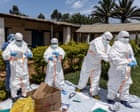
Every health facility said they were full: fear that spread of Ebola in DRC is gathering pace New strain of virus, aid cuts and cultural norms around burials and touch add to difficulties in stemming outbreakThe warnings from aid groups and healthcare workers in the Democratic Republic of Congo have been stark, their calls for coordinated international action impassioned.As the country reels from the return of Ebola virus, there is growing concern that its fragile healthcare system will struggle to cope with an outbreak that experts say goes well beyond the number of confirmed cases. Continue reading...
theguardian · 6 days ago
Ebola outbreak disrupts life along the DRC-Uganda border With almost 750 suspected Ebola cases in the DRC, health measures intensified along the DRC–Uganda border
aljazeera · 6 days ago

Ebola Outbreak Is Now Third Largest in History. Heres What to Know. Ebola case counts are quickly climbing as a rare strain hits a high-trafficked part of the Democratic Republic of Congo.
wsj · 6 days ago
Health workers struggle with Ebola outbreak as WHO declares highest risk level in DR Congo First, at least 160 lives already feared lost, health workers in the DRC are racing against time to contain a deadly disease that spreads as fast as it kills. Also, a diplomatic rift with the European Union is widening over security funding in Mozambique. The Foreign Ministry has criticised Brussels for halting support for Rwandan troops deployed in Cabo Delgado. And, African animation is stepping out of the margins with bold global ambitions. As studios, streamers, and creators invest in original stories from the continent, the key question remains: can Africa turn this creative momentum into a truly sustainable animation industry?
france24 · 6 days ago
Ebola: Collaboration and trust essential to outbreak response We all need to be working together. Krutika Kuppalli stresses the importance of building trust and collaborating with local leaders to combat the #Ebola outbreak in the #DRC More on #F24Debate ➡️
france24 · 6 days ago
WHO raises Ebola health risk to very high in DR Congo Provincial govt in Ituri province, the epicentre of the outbreak, has banned public gatherings to stop spread of virus.
aljazeera · 6 days ago
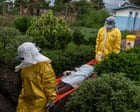
Suspected Ebola cases triple in a week as WHO warns of rapid spread in DRC Situation described as deeply worrisome by officials as aid cuts and community distrust impede respondersThe Ebola outbreak in the Democratic Republic of the Congo poses a very high risk to the country, the World Health Organization said on Friday, revising its threat assessment upwards.The outbreak is spreading rapidly, WHO leaders said, with almost 750 suspected cases and 177 suspected deaths, up from 246 cases and 65 deaths when it was first reported a week earlier. Continue reading...
theguardian · 6 days ago
WHO warns Ebola outbreak risk now very high in DR Congo The World Health Organization has raised the risk of the Bundibugyo strain of Ebola spreading across the Democratic Republic of Congo to very high, warning the outbreak could accelerate rapidly. With no approved vaccine or treatment available, health officials are racing to contain the virus and prevent wider regional spread.
france24 · 6 days ago
Ebola risk in Congo now very high, WHO warns There have been 82 confirmed cases of Ebola in the Democratic Republic of Congo, with seven confirmed deaths.
politico.eu · 6 days ago

Ebola outbreak in Congo is spreading rapidly and a very high risk, WHO warns The head of the World Health Organisation has warned that the Ebola outbreak in Congo is spreading rapidly and now poses a very high risk at the national level.
dailymail · 6 days ago