
Ukraine strikes 21 Russian tankers in Sea of Azov, halting Kerch Strait traffic

Story Timeline
2 months · 12 summary articles
Ukrainian forces have struck 21 Russian tankers and several other vessels in the Sea of Azov overnight, marking a significant escalation in their campaign to disrupt Russian logistics and fuel supplies. The attack, which took place on the night of July 10-11, 2026, targeted a total of 21 tankers, four tugboats, two cargo ships, and a dredger, according to the Ukrainian military.
The Ukrainian General Staff stated that the tankers were used to transport oil and petroleum products, circumventing international sanctions and financing Russia's military aggression in Ukraine. "The shadow tanker fleet is noticeably shrinking," said Robert "Madyar" Brovdi, commander of Ukraine's Unmanned Systems Forces, on Telegram. "It appears traffic through the Kerch Strait has been stopped."
Russian authorities confirmed the attacks but reported a lower number of vessels affected. Yuri Slyusar, the governor of the southern Russian region of Rostov, stated that only four ships were attacked in the Taganrog Bay, resulting in the death of one sailor and no injuries. The Russian Defense Ministry also reported that Ukrainian drones attacked civilian vessels in the Sea of Azov.
The attacks have had immediate consequences for Russian shipping. Reuters reported that Russia had temporarily suspended navigation through the Don-Azov Canal, a key waterway linking the Don River with the Sea of Azov. This suspension follows reports that Russia's border guards informed shipping companies they would no longer accept applications for passage through the Kerch Strait, which connects the Sea of Azov with the Black Sea.
The impact of these attacks extends beyond the immediate damage to the vessels. Market analysts estimate that up to one-quarter of Russia's wheat exports transit through the Sea of Azov. The disruption in shipping has already caused wheat futures on the Euronext exchange to rise by as much as 4%, reaching a six-week high.
The Ukrainian strikes are part of a larger campaign targeting Russian energy infrastructure and logistics. Previous attacks have included strikes on oil refineries and fuel storage facilities. On July 10, Ukrainian drones struck 13 Russian vessels near occupied Crimea, including 10 tankers belonging to Russia's sanctions-hit "shadow fleet."
The ongoing campaign has led to significant disruptions in Russian fuel supplies. Reports indicate that gasoline production in Russia has dropped to 65% of normal consumption levels, leading to fuel shortages and long lines at gas stations across the country.
In response to the attacks, Russian forces launched retaliatory strikes on Ukrainian targets. Russian missile and drone attacks on Kyiv overnight wounded 11 people, including one child, according to the State Emergency Service. In the northeastern Sumy region, four people, including a child, were killed, and 17 were wounded when two aerial glide bombs hit a crowded area.
The escalating conflict has seen both sides targeting each other's critical infrastructure. Ukrainian President Volodymyr Zelenskyy has highlighted the need for better air defense capabilities to counter Russian missile and drone attacks. Meanwhile, Russian officials have accused Ukraine of targeting civilian infrastructure and escalating the conflict.
As the conflict continues, the impact of these attacks on Russian logistics and fuel supplies remains to be seen. However, the latest strikes on the Sea of Azov vessels indicate a significant escalation in Ukraine's efforts to disrupt Russian military operations and economic stability.
Follow us for live European news
- 2
- 2
- 1
- 1
- 1
- 1
- 1
- 1
- 1
- 1
5 further sources not geolocated
Articles

Ukraine meldet Großangriff auf russische Tankerflotte
orf.at · about 2 months ago
One Killed in Drone Strike on Vessels in Taganrog Bay, Russian Authorities Say Regional authorities said more than one and a half dozen drones were destroyed during the attack.
themoscowtimes · about 2 months ago
Third gold of the season: Ukrainian canoeists triumph at World Cup stage in Montreal – video Ukrainians Luzan and Rybachok won the canoe double 500m at the third stage of the World Cup in Montreal.
ukrpravda · about 2 months ago
Produkcia benzínu v Rusku padla na 65 percent, ukrajinské útoky paralyzujú rafinérie Ukrajinské útoky zrazili ruskú produkciu benzínu na 65 percent bežnej spotreby. Ruská vláda horúčkovito hľadá riešenia, no trh ostáva napätý.
aktuality.sk · about 2 months ago
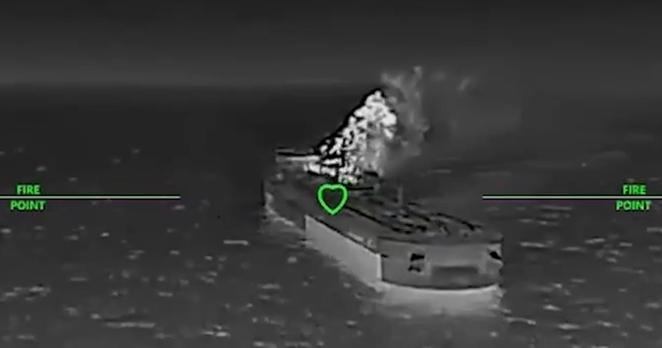
📰 Kyiv Says It Hit More Russian Shadow Fleet Tankers Amid Fuel Crisis🔗 #RussianInvasion #RussianWar #Ukraine
mastodon bot · about 2 months ago
US Senator Graham visits drone production facility during Ukraine trip US Senator Lindsey Graham has visited a production facility belonging to Ukrainian defence company SkyFall as part of his trip to Ukraine. The company manufactures many well-known drone models for various purposes.
ukrpravda · about 2 months ago
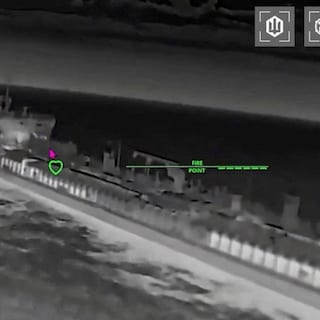
Live - Oekraïne zegt 21 Russische tankers in Zee van Azov te hebben bestookt
de morgen · about 2 months ago
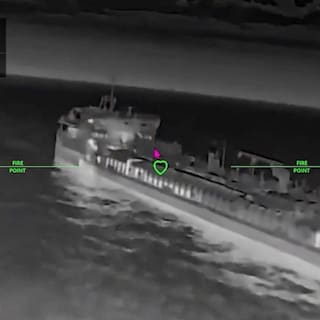
Oekraïne zegt 21 Russische tankers in Zee van Azov te hebben bestookt
de volkskrant · about 2 months ago
Ukraine attackierte 21 russische Tanker im Asowschen Meer Russische Behörden sprechen von mindestens einem Toten. Die durch Drohnenangriffe ausgelösten Brände in Treibstofflagern in Rostow sind mittlerweile gelöscht. Bei einem russischen Gleitbombenangriff auf Sumy kamen fünf Menschen ums Leben.
die presse · about 2 months ago
Cash withdrawals restricted in Russian-occupied Crimea Following the petrol shortage that has gripped temporarily occupied Crimea due to Ukrainian strikes on the land corridor and vessels in the Kerch Strait, the peninsula now appears to be facing a shortage of cash roubles as well.
ukrpravda · about 2 months ago
Ukrainan sota | Ukrainan uusi taktiikka on iskeä Venäjän aluksiin Asovanmerellä Reutersin mukaan onnistuneet iskut ovat jo johtaneet Venäjän alusliikenteen pysähtymiseen Asovan–Donin kanavalla ja Kertšinsalmessa.
helsingin sanomat · about 2 months ago
Ukraines General Staff reports strikes on the Kalmius training ground near Dokuchaievsk, drone control posts in Belgorod and Zaporizhzhia regions, and troop concentrations in Horlivka and Karizha. Also confirmed: Titan-Barikady plant in Volgograd, June 27, caused $105M in direct damage. St. Petersburg oil terminal, July 4, 8 tanks destroyed. Yaroslavl refinery, July 6, AVT-6 unit hit. Borisoglebsk airfield, July 8, 28 fuel tanks with 1,600m³ of aviation fuel burned. TAIF-NK Nizhnekamsk, July 8, coking unit hit. Ilsky refinery, July 10, AT-5 and AT-6 units on fire.
telegram_WarTranslated · about 2 months ago
Severe oil spill coats Paphos harbour after port authority tank failure Severe water pollution has coated the scenic Kato Paphos harbour since Friday, spreading a thick layer of fuel and oil across a large marine area stretching from the waterfront restaurants to the castle square. The spill has created a distressing scene for local business owners and tourists, prompting a swift mobilization of the authorities to […]
in-cyprus · about 2 months ago
Russian attacks kill 6, wound 29, as Ukrainian forces target oil tankers Ukraine says it hit 21 tankers, four tugboats, two cargo ships and a dredge.
abcnews · about 2 months ago
What a day looks like for a Ukrainian farmer under russian aggression.Across #Ukraine, farmers are among those bearing the brunt of russias war. They harvest crops under constant shelling, tow away destroyed russian military equipment, and race to save fields engulfed in flames.Help Ukrainian farmers return to the ordinary lives they deserve. Support Sky Defense. Gov UA / Instagram
mastodon bot · about 2 months ago
🇷🇺❌🇺🇦— A series of Russian strikes hit targets in Odessa. ➡️ Enemy logistics facilities, a cargo ship of the Ukrainian shadow fleet flying a Saint Kitts and Nevis flag, and vehicles were struck. ➡️ The port in Illyichevsk (Chornomorsk) was among the targets hit, with a strike also carried out on an ammunition warehouse within the port area. @IntelSlava
telegram_Intel Slava · about 2 months ago
Russia reports sailor killed in Ukrainian strike on Azov civilian vessels Moscow announced on Saturday that a sailor was killed when Ukrainian drones attacked four civilian vessels in the Sea of Azov overnight, as Kyiv said its forces struck at least 25 vessels in the strategic waterway and Russia launched retaliatory strikes on military-industrial sites.
yenisafak · about 2 months ago
Reuters: Россия остановила движение судов по Азово-Донскому каналу и Керченскому проливу после украинских атак
meduza · about 2 months ago
Amid attacks on tankers, Russia suspends shipping through Azov-Don Canal Russia has temporarily suspended shipping through the Azov-Don Canal amid attacks by Ukraine.
ukrinform · about 2 months ago
Ukrainian Defense Forces strike 21 Russian tankers, four tugboats, and two dry cargo ships in Sea of Azov Units of the Ukrainian Defense Forces struck 21 Russian tankers, four tugboats, two dry cargo ships, and a dredger in the waters of the Sea of Azov.
ukrinform · about 2 months ago
Ukrajina zasiahla rekordný počet ruských tankerov dronmi počas palivovej krízy Ukrajina hlási masívny dronový útok na 21 ruských tankerov v Azovskom mori uprostred palivovej krízy v Rusku. Moskva priznáva vážne problémy so zásobovaním.
aktuality.sk · about 2 months ago

⚡️ Ukraine says it struck 21 Russian tankers as Moscow reportedly halts shipping through key canal. According to Brovdi, Ukrainian drones hit 21 tankers, four tugboats, two dry cargo vessels, and one specialized vessel, recording 73 successful strikes during the overnight operation.
bluesky_Kyiv Independent · about 2 months ago

⚡️ Ukrainian industry group challenges Grossis assessment of staffing crisis at occupied nuclear plant. In a letter, the organization said it "cannot agree" with Grossis comments, arguing that they do not adequately reflect the scale of the risks created by the plants personnel shortage.
bluesky_Kyiv Independent · about 2 months ago
Footage of yesterdays drone strike on the port terminal in Taganrog.
telegram_WarTranslated · about 2 months ago
Footage of a struck Russian vessel in the Azov Sea.
telegram_WarTranslated · about 2 months ago
DroneBomber shares the moment of a strike on one of the tankers in the Azov Sea.
telegram_WarTranslated · about 2 months ago
🇺🇦🇷🇺⚡️ — Ukraine has exhausted its stockpile of Patriot PAC-2/3 interceptors.
telegram_Intel Slava · about 2 months ago
🇺🇸🇺🇦🇷🇺 — Ukraine will not be able to establish its own production of Patriot air defense missiles for several more years, even if granted a US license, retired American diplomat and former assistant to the US Secretary of Defense Charles Freeman tells RIA Novosti. ➡️ Even in the US, producing a single Patriot system takes two years, Freeman noted. ➡️ Washington currently has no spare systems available for delivery to Ukraine — a situation unlikely to change in the coming years, per the agencys source. @IntelSlava
telegram_Intel Slava · about 2 months ago
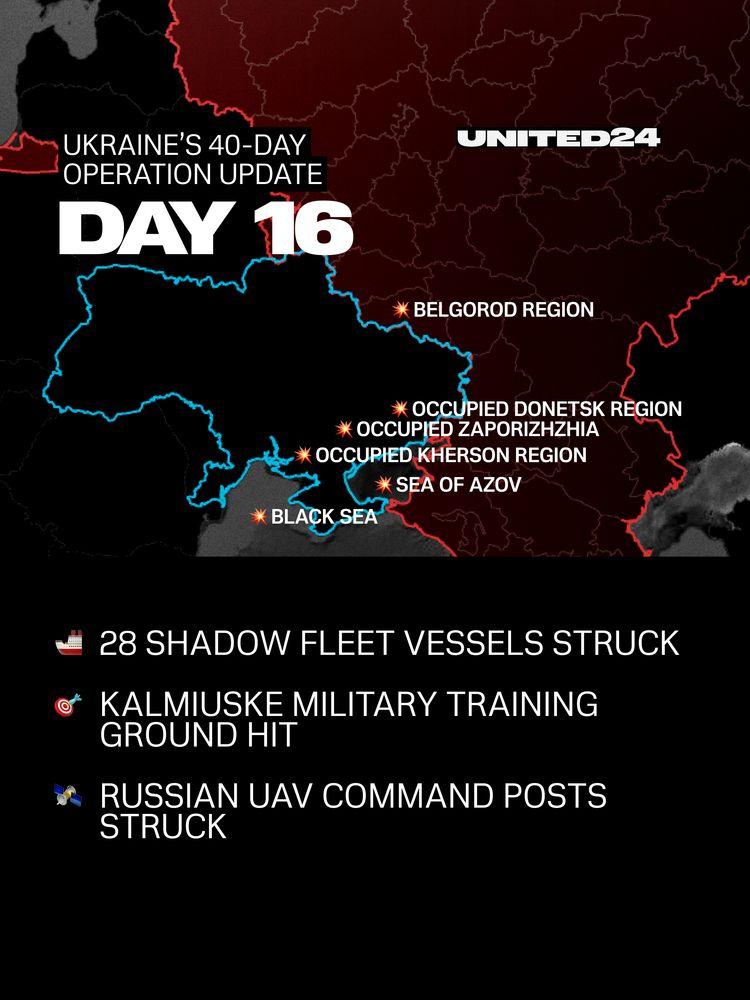
We are now on day Day 16 of Ukraines 40-Day Operation.With 28 shadow fleet vessels reportedly struck in its largest maritime drone operation to date, #Ukraine is increasingly targeting the ships that help transport russian oil and generate revenue for moscows war effort.Source: United 24 Media
mastodon bot · about 2 months ago
Ukraine hits another 21 Russian tankers – video Units from Ukraines defence forces struck vessels in the waters of the Sea of Azov on the night of 10-11 July. Hits on 21 Russian tankers have been recorded.
ukrpravda · about 2 months ago