
Japanese artist Yayoi Kusama, known for polka dots and infinity rooms, dies in Tokyo at 97

Story Timeline
13 hours · 2 summary articles
Japanese artist Yayoi Kusama, known for polka dots and infinity rooms, dies in Tokyo at 97
Japanese avant-garde artist Yayoi Kusama dies in Tokyo at 97
Continuation
Yayoi Kusama, the Japanese artist renowned for her polka dot motifs and immersive infinity mirror rooms, died in Tokyo on Aug. 14 at the age of 97, her company and the Yayoi Kusama Museum confirmed on Thursday.
Born in Matsumoto in 1929, Kusama overcame a conservative upbringing and childhood hallucinations to become a pioneering figure in avant-garde art. She moved to New York in 1958, where her "infinity net" paintings and phallic sculptures disrupted the male-dominated art scene, influencing peers like Andy Warhol. Her work spanned visual art, performance, fiction, and poetry, earning international acclaim.
Kusama voluntarily entered a psychiatric facility in Tokyo in 1977, where she continued to create art until her death. A statement from her representatives said she "continued to paint until her final days, never setting aside her brush, and continued exploration of forever love and eternal soul." The statement added, "We will carry forward Kusama’s wishes and, through art, continue to bring hope and strength for the future to people around the world" .
Her career was marked by bold, often controversial, public interventions. In 1966, she presented *Narcissus Garden* at the Venice Biennale, selling reflective spheres under the banner "Your narcissism for sale." In 1968, she staged New York’s first homosexual wedding, and in 1969, she wrote to President Richard Nixon offering to sleep with him in exchange for ending the Vietnam War. She also washed a Soviet flag outside the United Nations building in protest.
Kusama’s signature works—polka dot pumpkins, mirrored infinity rooms, and psychedelic installations—became globally recognized, transforming her into a cultural icon. Her art, rooted in her struggles with mental health and trauma, often explored themes of repetition, infinity, and the self. She described her creative process as a form of therapy, once stating, “I began to make penises to heal my feelings of disgust toward sexuality. Reproducing these objects repeatedly was my way of overcoming fear” .
Tributes poured in from art institutions and fans worldwide following the announcement. France 24 noted her evolution from an outsider in Japan’s conservative art scene to a global superstar, while The Times remembered her as an artist who "found new fans with every decade" .
Follow us for live European news
- 3
- 3
- 2
- 1
- 1
- 1
3 further sources not geolocated
Articles

🇯🇵 Japans Yayoi Kusama, one of the worlds most celebrated contemporary artists, has died aged 97, triggering tributes from around the world. ➡️ u.afp.com/SVgP
bluesky_AFP English · about 3 hours ago

Yayoi Kusama, famous for her infinity rooms and polka dot pumpkins, has died aged 97. Our chief art critic remembers their Delphic conversation
bluesky_The Times · about 3 hours ago

Los años secretos y salvajes de Yayoi Kusama en Holanda (y con lunares incluidos) En su intento de abrirse paso en Nueva York, la incomprendida y hoy cotizadísima artista logró un refugio de libertad y sexualidad en Schiedam, Países Bajos, que ahora le ofrece una retrospectiva de campanillas
la vanguardia · about 3 hours ago

Sie wies sich selbst in die Psychiatrie ein und erlebte dort, wie die weltweite „Kusamania ausbrach Sie wurde Künstlerin, um sexuelle Kindheitstraumata aufzuarbeiten. Später schockte sie der Abwurf der Atombombe. Aus psychologischem Elend und der Not einer künstlerischen Außenseiterin wuchs Yayoi Kusama zur globalen Marke.
welt.de · about 3 hours ago

Därför syns Kusama överallt Konstnären Yayoi Kusama har avlidit, 97 år gammal. Med henne försvinner en av de stora – men den som låter blicken vila kan se henne överallt, skriver Otto Ruin.
svenska dagbladet · about 3 hours ago
An icon of contemporary art: A look back at the career of Yayoi Kusama Japans Yayoi Kusama, one of the worlds most celebrated contemporary artists, has died aged 97, her company said on Thursday, triggering tributes from around the world. Eve Jackson takes a look at how the woman dubbed the "polka dot queen" became an icon of the art world.
france24 · about 3 hours ago
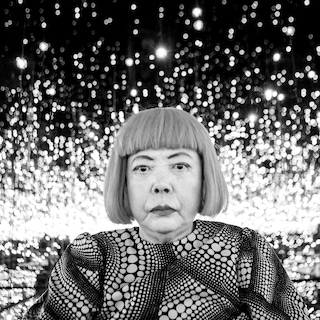
Yayoi Kusama (1929-2026) speelde een belangrijke rol in de seksuele revolutie in Nederland
parool · about 3 hours ago
EN IMAGES - Yayoi Kusama, de lavant-garde new-yorkaise à la reconnaissance planétaire Lartiste japonaise Yayoi Kusama est morte à lâge de 97 ans. Considérée comme précurseure dAndy Warhol et de Keith Haring, elle a créé une œuvre entêtante, marquée en peinture par la répétition de motifs, notamment du filet et du point.
liberation · about 3 hours ago
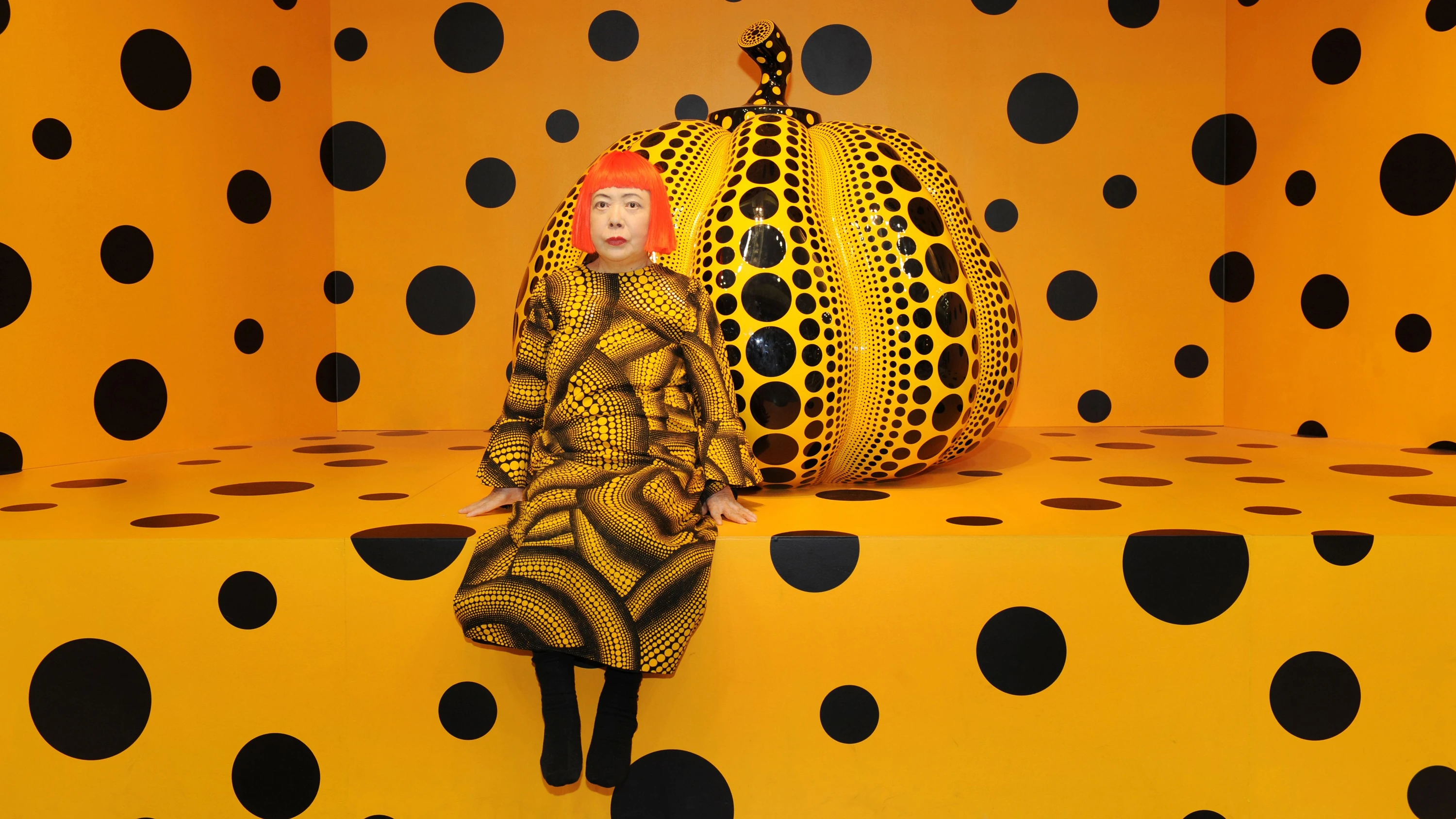
Zum Tod von Yayoi Kusama: Die letzte wahre Pop-Artistin von überwältigender Popularität „Polka Dots waren die Sterne ihres Universums. Mit den „Infinity Mirror Rooms und bemalten Kürbisfiguren wurde sie berühmt. Jetzt ist die japanische Künstlerin Yayoi Kusama in Tokio gestorben.
faz · about 3 hours ago
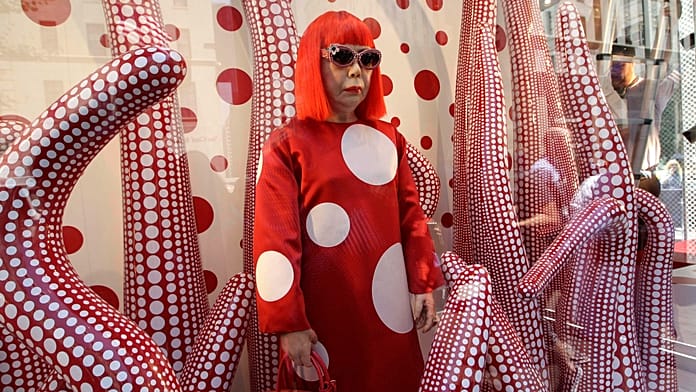
Polka dots, infinity rooms and phallic sculptures: Yayoi Kusamas art in pictures She continued to paint until her final days, never setting aside her brush, and continued exploration of forever love and eternal soul. Japanese artist Yayoi Kusama, who splashed her signature polka dots on paintings, sculptures and museum installations around the world, has died aged 97.
euronews · about 3 hours ago
Nachruf auf Yayoi Kusama: Magierin der Polka-Dots Die japanische Künstlerin machte Punkte zu ihrem Markenzeichen. Mit 97 Jahren ist sie in Tokio jetzt gestorben. mehr...
taz.de · about 3 hours ago
Tussen selfie en kosmos: Yayoi Kusamas Infinity mirror rooms legden de basis voor de moderne instagrammusea – maar gaan over iets heel anders Dit najaar presenteert het Stedelijk Museum Amsterdam een grote overzichtstentoonstelling van de Japanse kunstenaar Yayoi Kusama, die onlangs op 97-jarige leeftijd overleed. Het grootste werk daarin is een reusachtige infinity mirror room met knalgele oktopusarmen. Met dit type spiegelkamers legde Kusama (onbedoeld) de basis voor moderne selfiemusea.
nrc · about 3 hours ago

Mort de Yayoi Kusama, léternelle avant-gardiste japonaise Figure internationale de lart davant-garde, lartiste et sculptrice japonaise sest éteinte à 97 ans, à Tokyo, le 14 août. Elle a conquis presque tous les temples occidentaux de lart contemporain, applaudit la presse japonaise, qui salue une artiste qui na jamais cessé de créer.
courrier international · about 3 hours ago
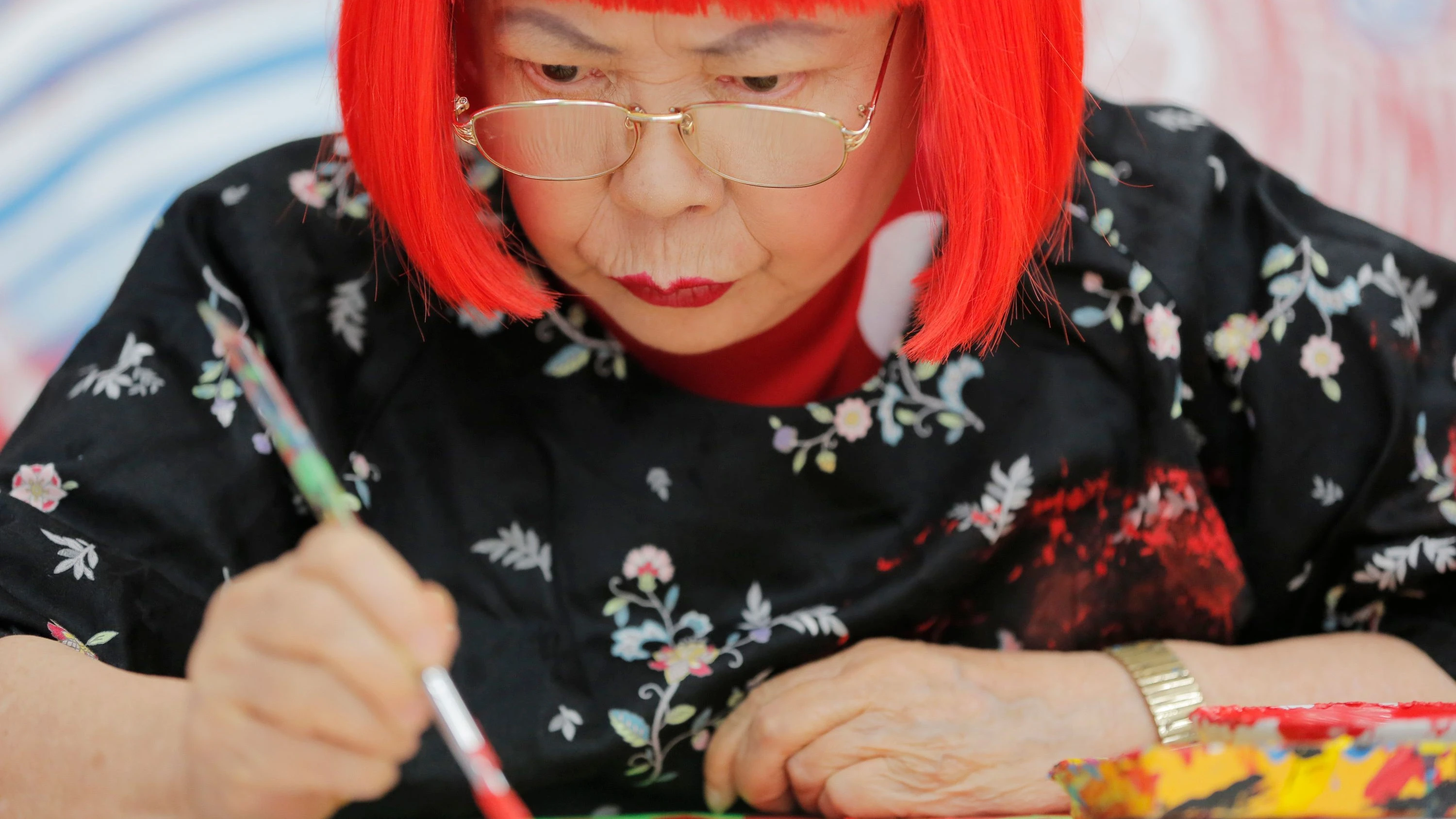
Japan: Yayoi Kusama ist mit 97 Jahren gestorben Ihr Museum teilte mit, sie sei bereits am 14. August gestorben und habe bis zuletzt gemalt. Kusama wurde mit „Polka Dots und „Infinity Mirror Rooms weltberühmt.
faz · about 3 hours ago

Yayoi Kusamas psychedelic art was at its best when taken in high doses
bluesky_The Guardian · about 3 hours ago