
Earth Overshoot Day arrives July 30 as humanity consumes resources 73% faster than Earth can regenerate
Today, July 30, 2026, marks Earth Overshoot Day, the date when humanity has used up all the renewable resources the Earth can provide in a year. According to the Global Footprint Network, humanity is currently consuming natural resources 73% faster than the planet's ecosystems can regenerate. This would require 1.73 Earths to sustain current consumption levels.
The date is calculated by the Global Footprint Network and York University in Toronto, using data from UN organizations. While Earth Overshoot Day is six days later than in 2025, this is not due to a reduction in consumption. Instead, it is because of updated data and methodology. In fact, the gap between human consumption and the Earth's regenerative capacity continues to grow. In 2023, Earth Overshoot Day was on August 2. The shift to July 30 in 2026 is due to more precise data on the capacity of oceans and forests to absorb CO2.
Different countries reach their own overshoot days at different times. Qatar reached its overshoot day as early as February 4, while Sweden and Finland reached theirs on April 4. Germany reached its overshoot day on May 10, and the United States on March 14. Belgium's overshoot day was on April 11. If everyone lived like Belgians, we would need 3.6 Earths, according to WWF. France reached its overshoot day on April 24, Spain on June 10, and Italy on May 3. In the Balkans, Montenegro reached its overshoot day on April 20, Croatia on April 25, Bosnia and Herzegovina on April 26, and Serbia on May 16. On the other hand, some countries like India, Pakistan, Nigeria, Nepal, and Eritrea have not yet reached their overshoot days.
Organizations like WWF have highlighted the urgency of the situation. Jussi Nikula, conservation advisor at WWF Finland, said that Finland's next government should implement an ecological debt brake. "When a price is put on causing environmental damage, companies that serve customers' needs with the least environmental damage will win, and the entire economy will move towards resource consumption that is in line with the planet's carrying capacity," Nikula said.
German Environment Minister Carsten Schneider (SPD) also commented on Earth Overshoot Day. "From today on, we are living on credit," Schneider said. "We only have this one Earth that provides us with the essentials: fresh water, nature for recreation, arable land, and precious raw materials that we need for our economy." The German Environmental Aid organization called Earth Overshoot Day "an unmistakable alarm signal."
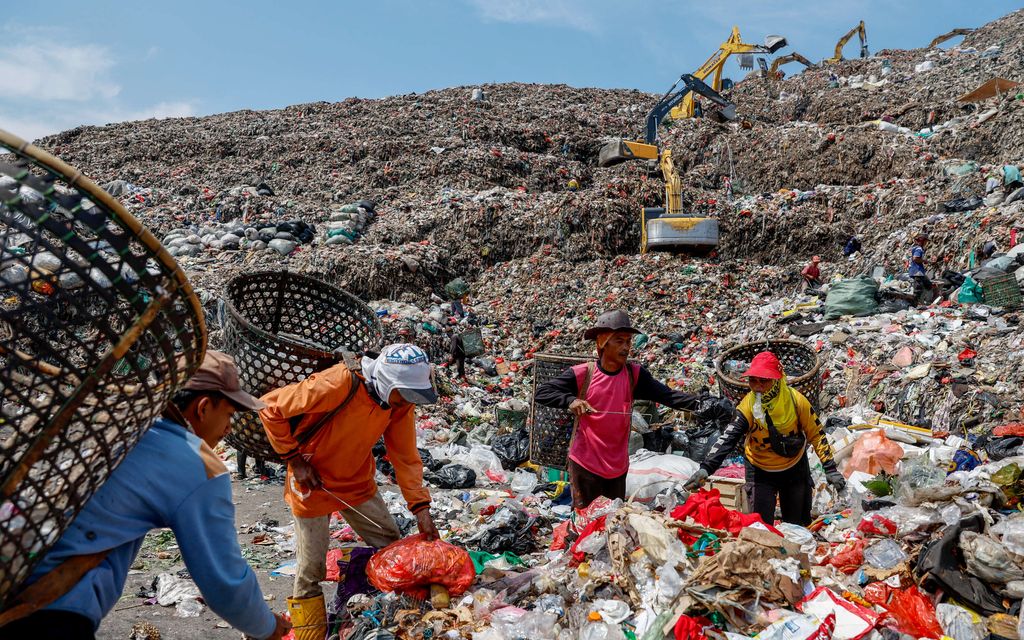
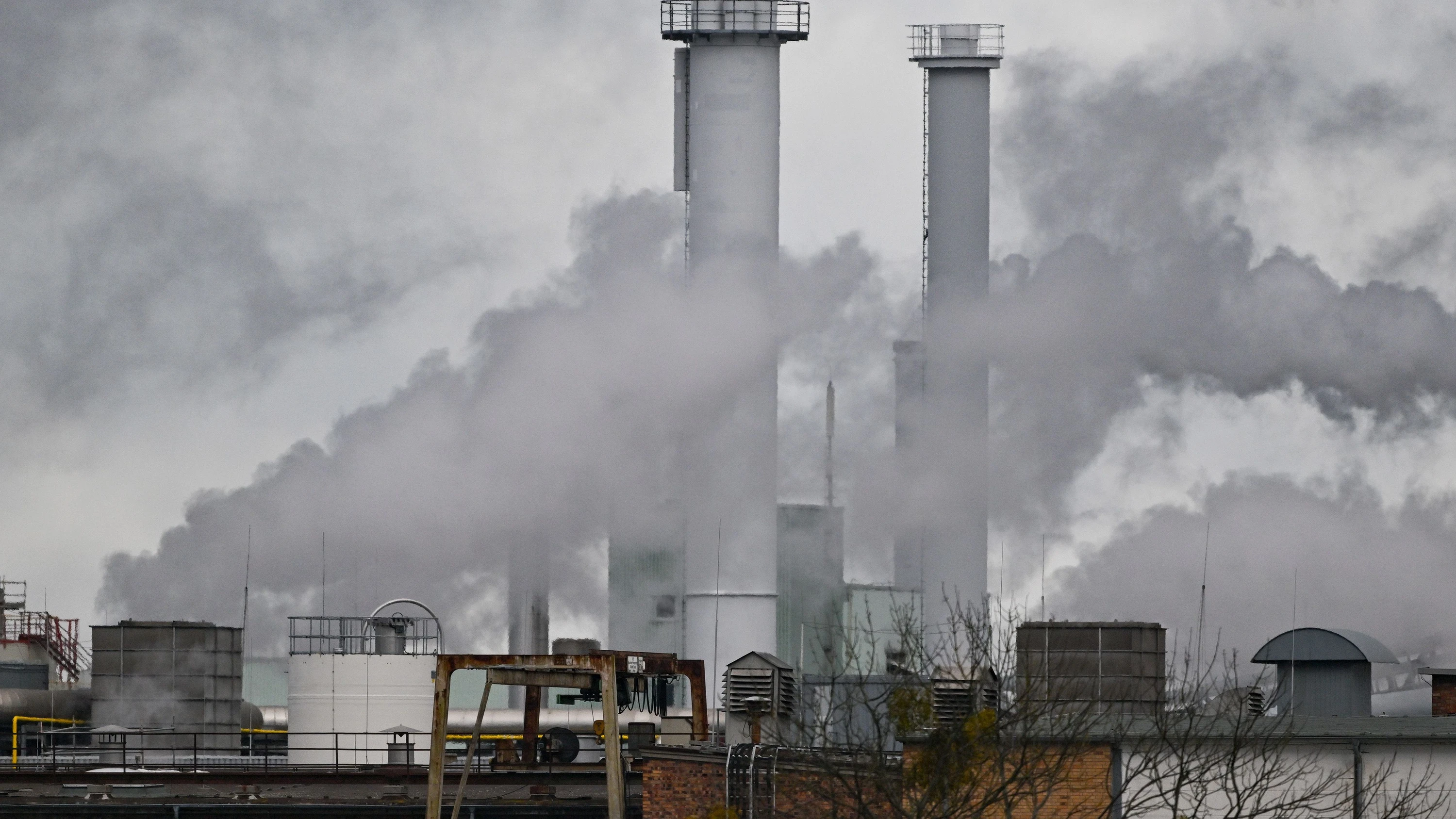
The consequences of overconsumption are visible in deforestation, soil degradation, biodiversity loss, and increased greenhouse gas concentrations in the atmosphere. This intensifies the climate crisis and threatens food and resource security. WWF has called for urgent and systemic changes in production, consumption, and resource management to delay Earth Overshoot Day. They have also called for reducing fossil fuel use, stopping deforestation, making food systems more sustainable, and orienting financial systems towards nature-friendly mechanisms.
Earth Overshoot Day has been moving earlier in the year over time. In the early 1970s, it fell at the end of December. The calculation of Earth Overshoot Day involves analyzing the demand for resources such as food, wood, and CO2 absorption, and the Earth's capacity to regenerate these resources and absorb waste and emissions.
Follow us for live European news
- 2
- 2
- 2
- 1
- 1
- 1
- 1
- 1
1 further source not geolocated
Articles

Ce 30 juillet, lhumanité a déjà utilisé les ressources que la Terre peut générer en un an Ce 30 juillet, lhumanité a déjà épuisé toutes les ressources écologiques et tous les services écosystémiques que la Terre est capable de fournir de manière durable en un an, estime jeudi le Fonds mondial pour la nature (WWF-Belgique). ...
la libre · about 3 hours ago

Erdüberlastungstag: Menschheit lebt ab diesen Donnerstag über ihre Verhältnisse Mehr als 1,7 Erden wären nötig, um den Bedarf der Menschen zu decken. Mit welchen Maßnahmen ließe sich der Erdüberlastungstag verschieben? Touri-Flugreisen sind nur ein kleiner Hebel.
handelsblatt · about 3 hours ago
Tänään se tapahtui: Ihmiskunta ylitti kriittisen rajan
iltalehti · about 3 hours ago
Luonnonvarat | Maailman ylikulutuspäivä on tänään Ylikulutus on suurempaa kuin koskaan.
helsingin sanomat · about 3 hours ago
Who gets to define overcapacity? - Peoples Daily Online
gdeltproject.org · about 3 hours ago
Erdüberlastungstag: Schneider: „Ab heute leben wir auf Pump Ab dem heutigen Dienstag hat die Menschheit so viele natürliche Ressourcen aufgebraucht, wie der Planet erneuern kann. Dass das Datum sechs Tage später liegt als 2025, liegt nicht an einer nachhaltigeren Lebensweise.
faz · about 3 hours ago
Earth Overshoot Day 2026: già finite le risorse della Terra e la politica rimuove la realtà In Toscana cè un detto che dice: i discorsi li porta via il vento per dire che dietro il fumo delle parole rimangono i fatti…anzi i dati. I dati, inesorabilmente affermano che ad oggi 30 luglio 2026 a livello planetario gli esseri umani hanno esaurito le risorse che i cicli naturali hanno generato in un […] Larticolo Earth Overshoot Day 2026: già finite le risorse della Terra e la politica rimuove la realtà proviene da Il Fatto Quotidiano.
il fatto quotidiano · about 3 hours ago

Bioeconomy has many meanings and plenty of potential in all its forms Organic waste can create clean energy, green fertilisers, harm-free plastics and even food
irish times · about 3 hours ago
Ziua în care Pământul și-a terminat resursele pe care le poate genera în acest an. De azi, omenirea intră pe „datorie ecologică (WWF) Omenirea intră în perioada de „datorie ecologică începând de azi, joi, 30 iulie, după ce va epuiza bugetul anual de resurse regenerabile al planetei noastre, a anunțat organizaţia WWF-Adria. Potrivit ONG-ului, capitalul natural este consumat mai repede decât îl poate reface natura.
digi24 · about 4 hours ago
Nu är jordens resurser slut för i år Earth overshoot day är här
expressen · about 5 hours ago

Stikstofkwestie mag geen overslaande plaat worden
trouw · about 7 hours ago

Heres What Happened Today: Wednesday Heres what made the headlines today.
thejournal · about 8 hours ago