Loading…
 Saturday, August 29Saturday, August 29
2 months · 4 summary articles
Lausitz’s Green Port Vision Takes Shape as €941 Million Transformation Nears Completion
The Lausitz Seenverbund, Europe’s largest post-industrial water landscape, is on track to open as a premier destination for water sports and tourism following the investment of €941 million and the movement of 3.8 billion cubic metres of earth. On Friday, 26 June 2026, Berlin’s *Tagesspiegel* reported that the 100-year transformation from lignite mines to a 14-lake network is nearing completion, with the first sections scheduled to welcome visitors within months.
The project, part of Germany’s broader coal-phase-out strategy, repurposes former opencast mines into a connected system of lakes spanning 14,000 hectares. Authorities have invested in marinas, cycle paths, and eco-resorts to position Lausitz as a sustainable leisure hub. “This is not just environmental rehabilitation,” said a spokesperson for the Lausitz Seenverbund management board. “It is an economic engine for eastern Germany, creating 3,000 jobs in hospitality, logistics, and renewable energy.” The network’s centrepiece, Lake Senftenberg, is already a magnet for sailing and paddleboarding, while Lake Geierswalde is being prepared for a 2027 triathlon world cup.
The transformation reflects a broader Baltic shift toward green infrastructure. In Klaipėda, Lithuania, the Port Authority marked another milestone on Thursday with the launch of *Rasa*, the world’s first hydrogen-powered waste collection vessel. Built with support from EU Green Deal funds, the €4.2 million catamaran will cut 1,200 tonnes of CO₂ annually by replacing diesel-powered boats in the port’s waste collection fleet. “This vessel proves that zero-emission operations are viable today, not tomorrow,” said Port of Klaipėda CEO Mantas Kvedarauskas .
Meanwhile, Riga’s premium real-estate sector is expanding with Pro Kapital’s €23 million Blue Marine Residence in the Klīversala district. On 17 June, developers embedded a time capsule containing letters from city officials and blueprints, signalling the start of sales for 120 waterfront apartments. “Klīversala is becoming the Baltic’s answer to Monaco’s Port Hercule,” said Pro Kapital CEO Andris Kāposts. The project includes a private marina and electric-vehicle charging hubs, aligning with Riga’s 2030 carbon-neutral target.
Analysts see these projects as complementary: while Lausitz rebrands industrial scars as leisure assets, Klaipėda and Riga are betting on green logistics and luxury living to attract capital. “The Baltic is no longer just a transit corridor,” said climate economist Dr. Liene Liepiņa. “It’s a laboratory for circular economies—where old mines become lakes, and ports become clean energy hubs.” With both the Seenverbund and hydrogen vessel now in their final phases, the region’s green port economy is moving from blueprint to berth.
Follow us for live European news
3 further sources not geolocated

«Κάντο όπως η Κύπρος»: Το σχέδιο για την εξολόθρευση του λαγοκέφαλου με επιδότηση €5,33 το κιλό, καύση αλιευμάτων και αξιοποίηση ως ιχθυάλευρο
protothema · 2 months ago
VinEnergo partners with SunAsia Energy to develop Solar-on-Water projects integrated with aquaculture in the Philippines HANOI, VIETNAM - Media OutReach Newswire - 26 June 2026 - VinEnergo, a member of Vingroups green ecosystem, and SunAsia Energy Inc., a pioneer in the Philippine solar energy sector, have announced a strategic partnership to develop a portfolio of large-scale renewable energy projects utilizing ...
the slovenia times · 2 months ago
Strukturwandel: Vor Eröffnung: Was man über die Lausitzer Seen wissen muss 3,8 Milliarden Kubikmeter Erde, 941 Millionen Euro und 100 Jahre Geschichte: Wie sich der Lausitzer Seenverbund von der Kohlegrube zum Hotspot für Wassersport und Urlauber verwandeln will.
tagesspiegel · 2 months ago
Rietumu Banka Provides Nearly EUR 6 Million in Financing to Astor Group for Residential Development in Torņakalns - The Baltic Times Rietumu Banka has granted a EUR 5.95 million loan for a real estate development project located at 9 Biešu Street in Riga. The financing ......
baltic times · 2 months ago
Science and History of Fermented Foods Around the World
gdeltproject.org · 2 months ago
A new neighborhood is being built in Riga – Pro Kapital begins €23 million Blue Marine Residence project in Klīversala - The Baltic Times One of the largest premium-segment developers in the Baltics, "Pro Kapital," embedded a time capsule on June 17 at the upcoming premiu......
baltic times · 2 months ago
From Klaipėda port to the world: first green hydrogen-powered waste collection vessel begins operations - The Baltic Times A new chapter in the history of green shipping has begun in the Port of Klaipėda with the official naming ceremony of Rasa – firs......
baltic times · 2 months ago
«Κάντο όπως η Κύπρος»: Το σχέδιο για την εξολόθρευση του λαγοκέφαλου, επιδότηση με 5,33 ευρώ το κιλό, καύση αλιευμάτων και αξιοποίηση του είδους
protothema · 2 months ago
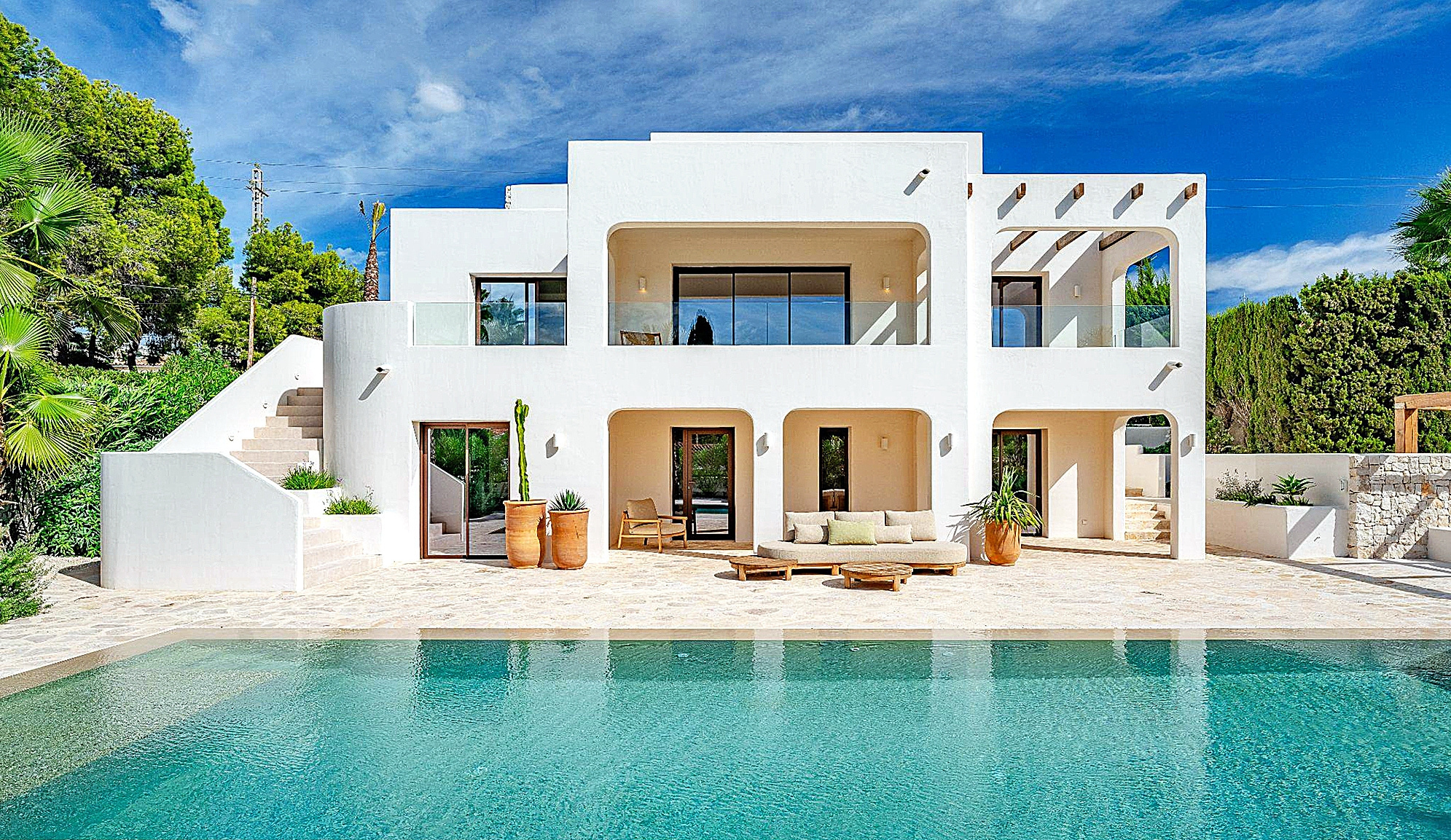
El nuevo lujo de las propiedades en costas discretas Las viviendas en las costas emergentes del continente europeo ofrecen al comprador local e internacional elementos atractivos como potencial de revalorización, mayor privacidad y una experiencia auténtica. Leer
expansion · 2 months ago
Ancient Greek Citys 2,000-Year-Old Roman Water System Flows Again A nearly 2,000-year-old Roman-era water system at the ancient Greek city of Patara (Greek: Πάταρα) in modern-day Turkey has begun flowing again after a major restoration project, reviving one of the ancient worlds most impressive examples of hydraulic engineering. The restored feature recreates a cascading water curtain that once welcomed visitors entering the ancient city. […]
greek reporter · 2 months ago
The Port Authority responds to Advocates for the Future | Hellenic Shipping News Worldwide
gdeltproject.org · 2 months ago